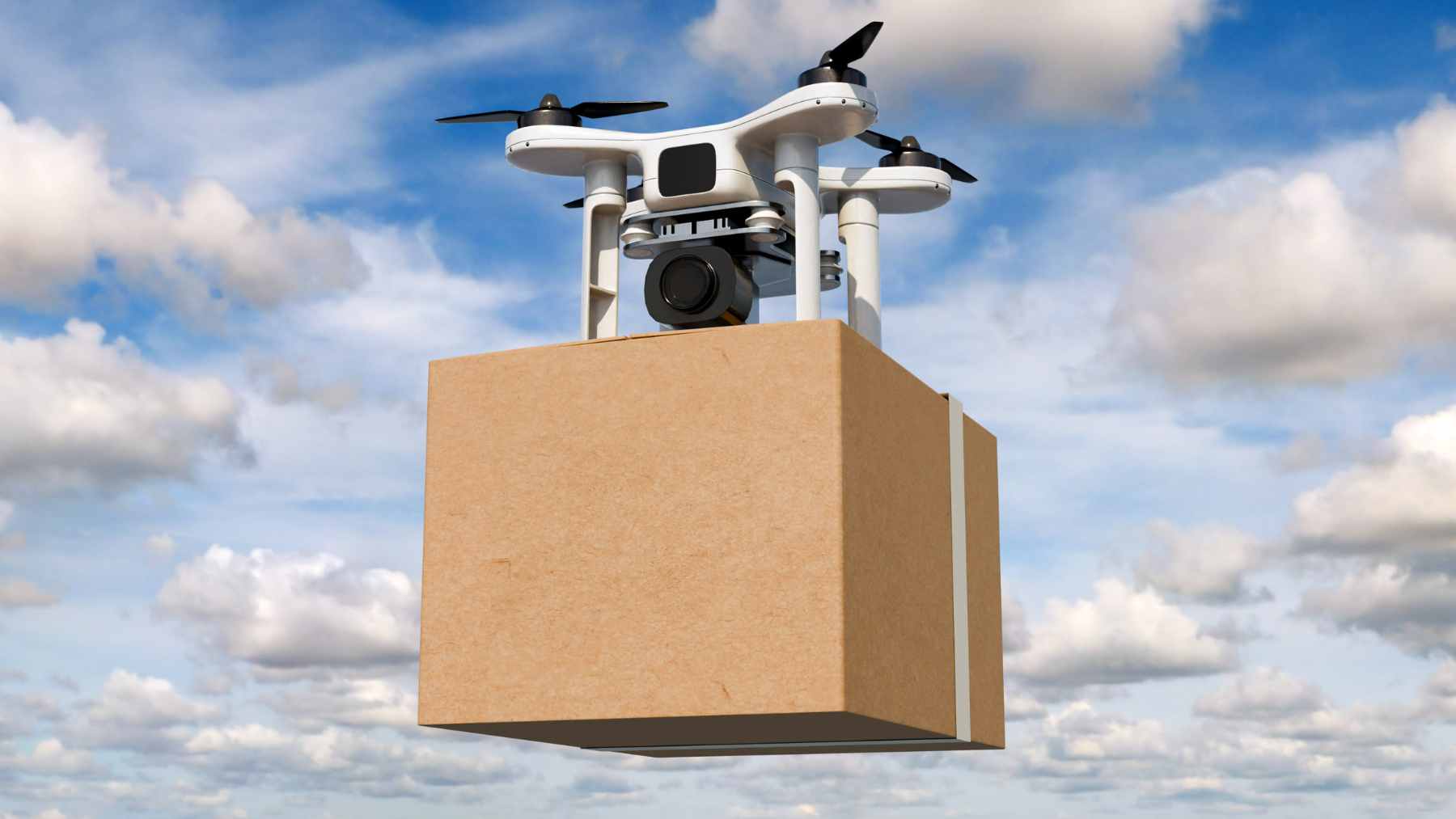
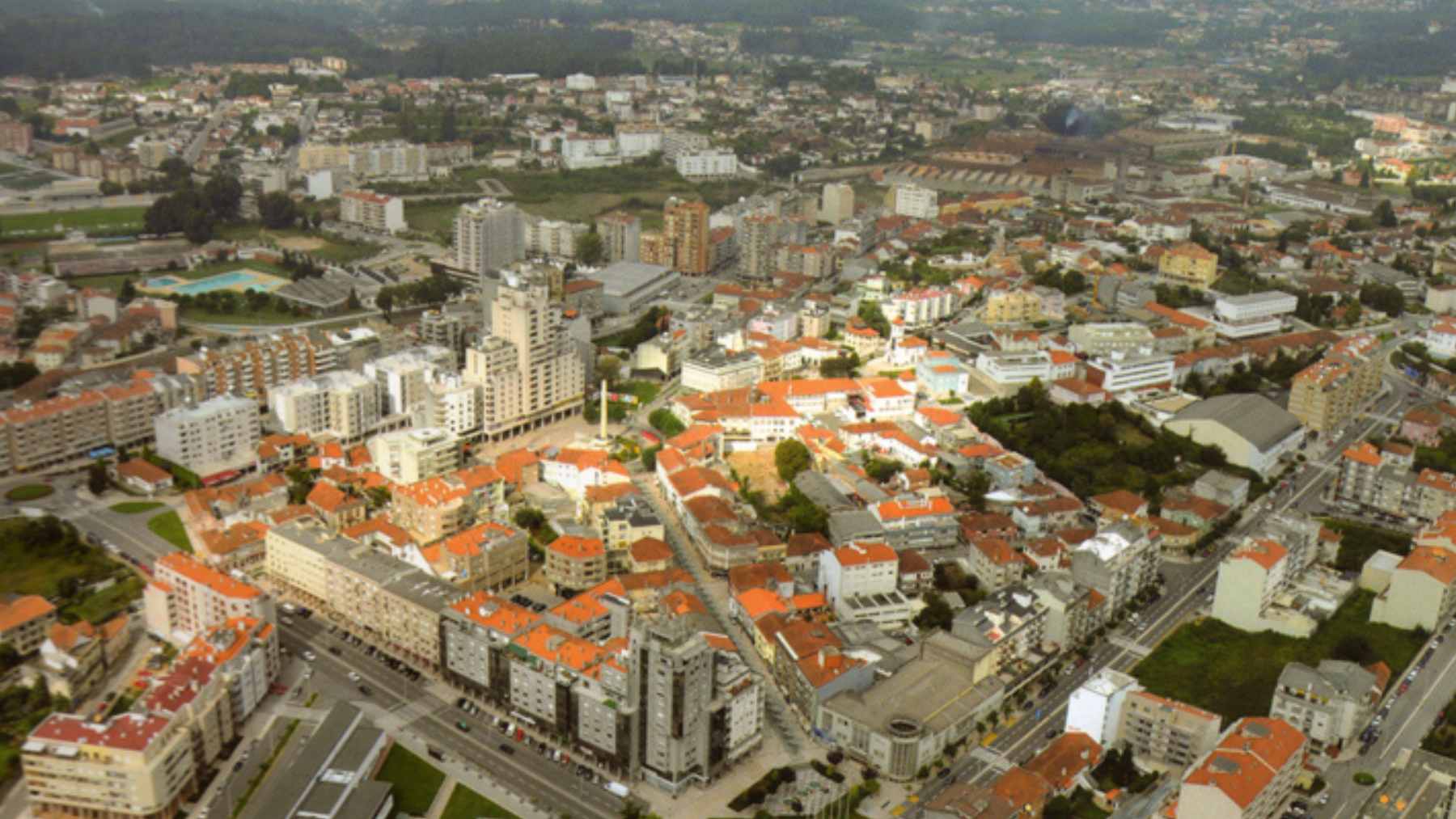
A Portuguese city is turning a routine pharmacy run into a live test for the future of local delivery. São João da Madeira has launched DropMe, a pilot project that uses drones to carry medicines and pharmacy products to workers at Sanjotec, the city’s science and technology park.
It sounds futuristic, but the idea is very practical. A worker with a headache, a skin-care need, or a minor wellness order may soon be able to avoid a quick car trip across town. That’s where the environmental question comes in, because even tiny errands add up when cities multiply them by thousands.
A pharmacy run through the air
The 30-day pilot starts with Farmácia Ferraz and is expected to expand to Farmácia da Cidade before the test period ends. For now, the drones will carry non-prescription medicines, cosmetics, wellness products, and other small pharmacy items commonly sold over the counter.
“At this stage, our drones will make deliveries within a 1.2-mile radius and carry products weighing up to 1.1 lbs.,” said Eduardo Mendes, founder and CEO of Connect Robotics. “But we have drones that already cover longer distances for other clients.”
The service is aimed at the Sanjotec community, which includes hundreds of workers spread across several buildings. During the pilot, users will not pay a delivery fee, according to the São João da Madeira municipality’s statement.
Why this matters for greener delivery
Last-mile delivery is one of the trickiest parts of urban logistics. It is often short, fragmented, and hard to optimize, especially when people expect products to arrive quickly. The World Economic Forum has warned that, without action, urban delivery vehicles and carbon emissions could rise by as much as 60% by 2030.
That does not mean every drone flight is automatically greener. A Nature Communications study found that small drones can have lower impacts than ground delivery in many cases, but the benefit depends on careful deployment, limited drone size, and avoiding extra warehouse energy that cancels out the savings.
In practical terms, São João da Madeira is testing a narrow-use case that fits that logic. These are light products, short routes, and a fixed business park community, not heavy parcels flying across a whole region–small matters here.
The technology behind the test
Connect Robotics says DropMe uses autonomous navigation, collision prevention, and high-precision landing technology. The municipality said the project is part of the company’s practical use of autonomous aerial logistics in the health sector.
The company is not starting from zero. Founded in 2015, Connect Robotics says it focuses on transporting medicines, lab samples, and other health-related goods, and it reports more than 15 authorized BVLOS operations under European rules. BVLOS means “beyond visual line of sight,” a key threshold for making drone delivery useful beyond simple demonstrations.
Connect Robotics also says its system is designed to be adopted with limited training and no specialized infrastructure. That point matters for pharmacies and small businesses, because a drone service only works commercially if it does not turn every shop into a miniature airport.
What the company wants to learn
The flying part may not be the biggest unknown. Mendes said the company has already completed about 6,000 deliveries over two years with the Champalimaud Foundation, but those flights were internal, moving goods between buildings.
Now the test is more public. The company wants to know whether ordinary users will accept a drone as part of daily delivery, what makes them hesitate, and what types of products they are comfortable receiving this way.
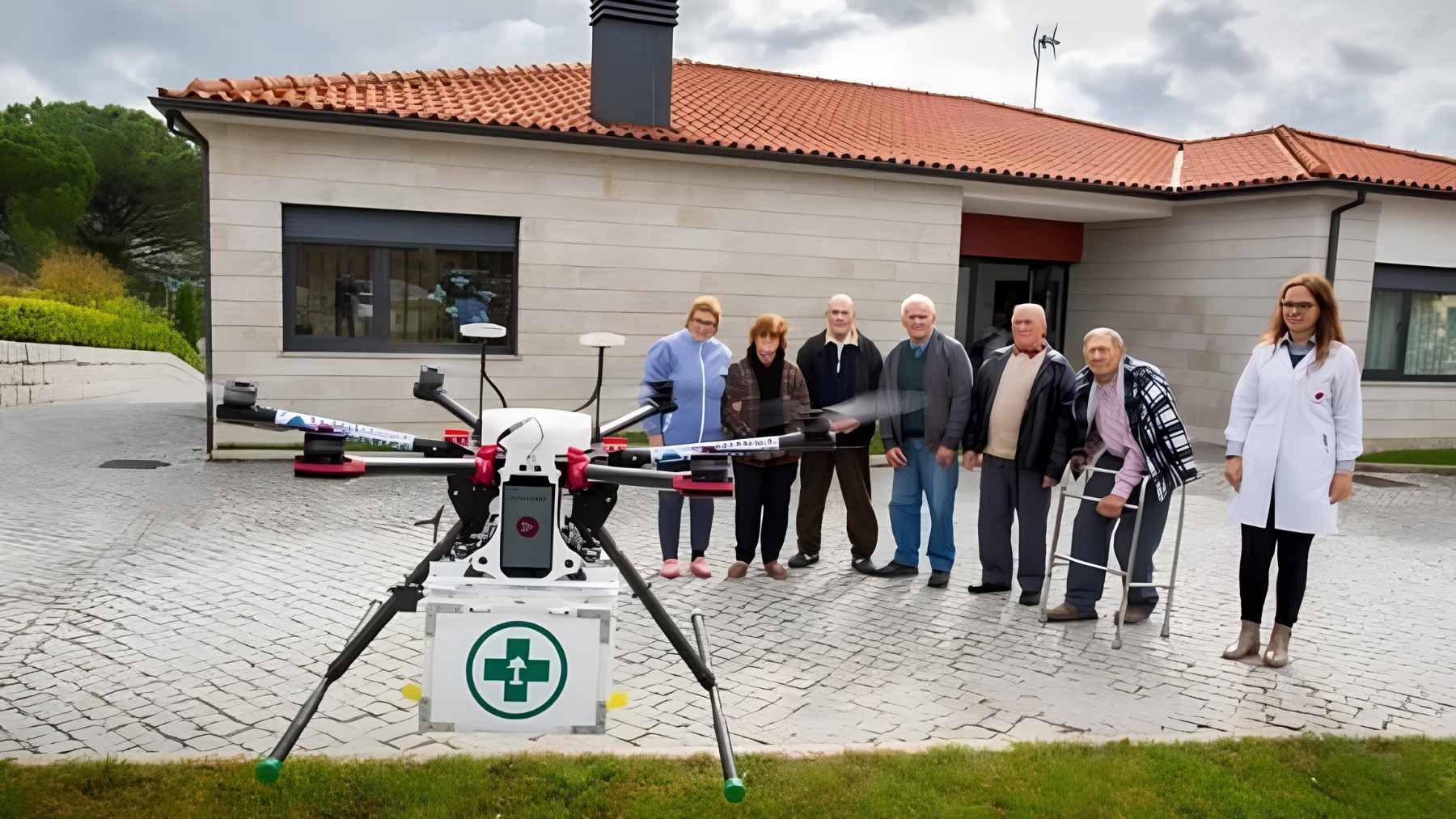
That is not a small detail. People may like the idea of faster delivery until a drone is landing near their workplace, making noise, or arriving with something personal. Trust is part of the technology.
Bigger than one city
The current payload limit is modest, but Connect Robotics is already looking beyond small pharmacy goods. Mendes said the company is preparing equipment that could carry up to 15.4 lbs., while other drones in its fleet can already cover longer distances for clients.
The company’s work also reaches into infrastructure monitoring. It says it can inspect scattered assets across large areas, including high-voltage power lines, pipelines, highways, and viaducts. That gives the business a wider green-tech angle, because drones can sometimes replace vehicle trips or risky manual inspections in hard-to-reach places.
Still, the climate case needs a little caution. A 2023 Scientific Reports analysis found that drones may beat diesel trucks in some rural delivery scenarios, but they do not necessarily outperform electric trucks, partly because takeoff and landing require significant energy.
A practical test, not a magic fix
For São João da Madeira, the pilot is best understood as a real-world experiment in behavior, logistics, and trust. Can a worker place a pharmacy order, track the drone, and receive it on time without disruption? That is the everyday test.
The environmental promise is real, but it is not automatic. It depends on clean electricity, short routes, light payloads, safe landings, and whether drone trips actually replace car or van trips instead of creating extra convenience deliveries.
At the end of the day, DropMe is a small project with a bigger question behind it: how much of city delivery can move off the road without creating new problems in the sky?
The official statement was published on the São João da Madeira City Council website.