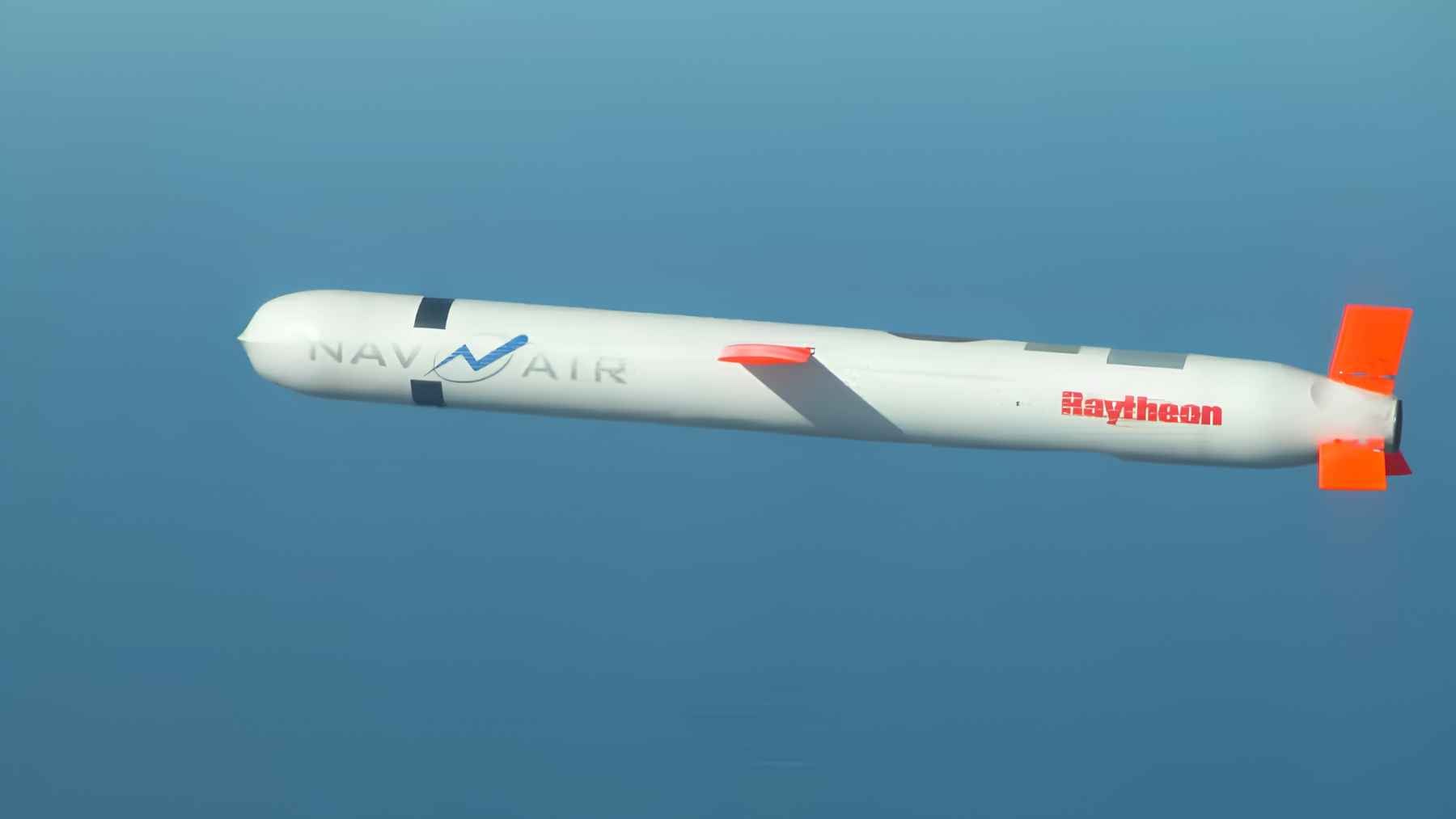
Germany says it has secured U.S. backing to pursue the purchase of Tomahawk cruise missiles and mobile Typhon launchers for deployment on German soil. Chancellor Friedrich Merz announced the agreement in the Bundestag on July 9, saying the system would close “an important strategic gap” in the country’s defenses.
No missiles have been ordered yet. The Bundeswehr says Washington’s positive response only clears the way for a German procurement decision and parliamentary approval, while the price, quantity, sites, schedule, and contract route remain undisclosed.
What Berlin wants to buy
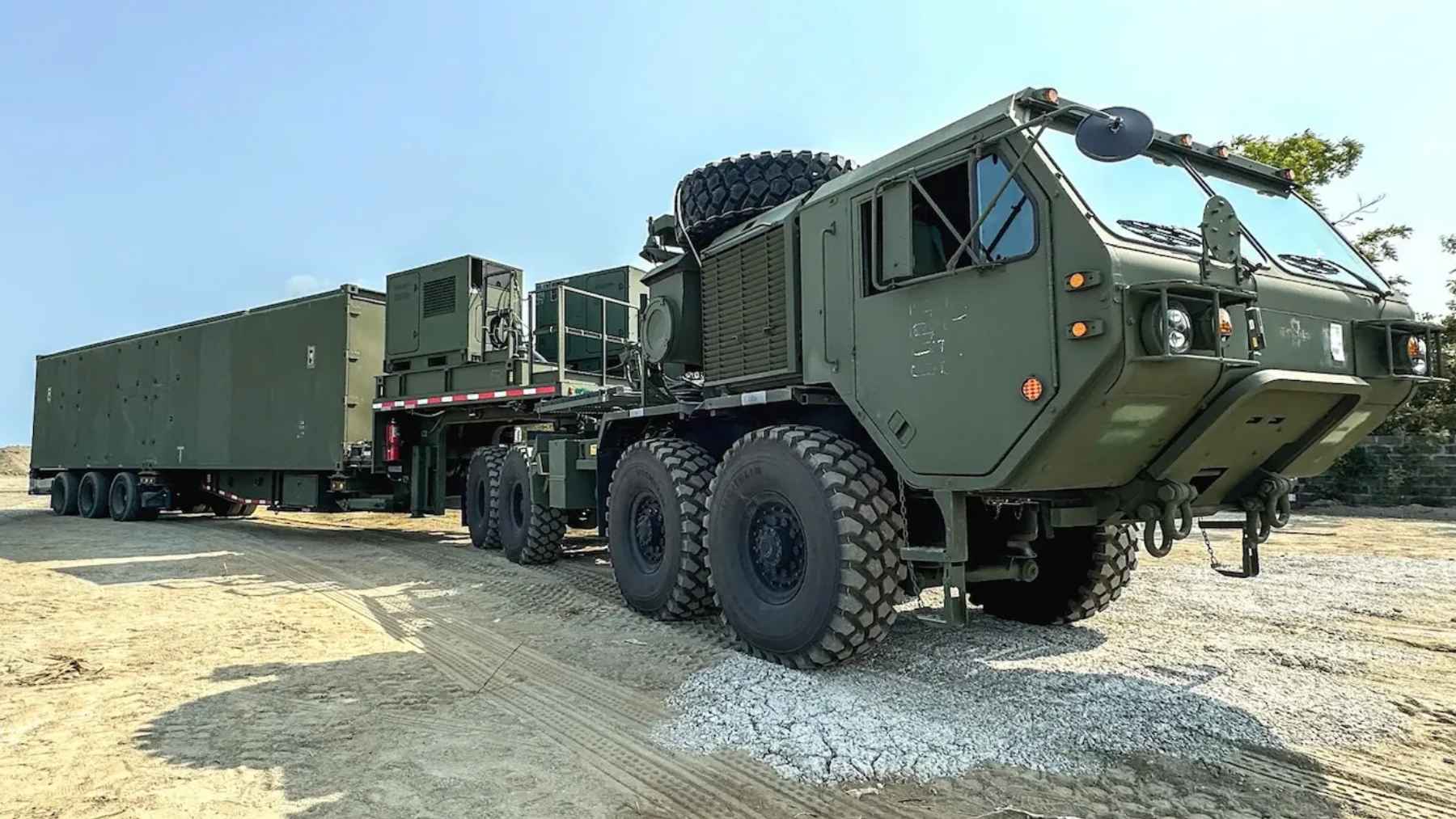
Tomahawk was built as a long-range, all-weather, subsonic weapon for deep land attack, traditionally fired from ships and submarines. Typhon changes the launch point by placing the missile on a road-mobile, ground-based system that can be moved between prepared positions.
Each Typhon launcher contains four vertical cells in a unit roughly the length of a 40-foot shipping container. A full U.S. Army battery includes four launchers, a control center, tractors, trailers, and other support equipment. In everyday terms, this is a small mobile convoy, not one missile truck tucked inside a base.
German officials describe the planned mission as conventional and non-nuclear. The intended role is to hold distant command facilities, military airfields, launchers, and other high-value targets at risk.
Why the range matters
Official U.S. sources put the Tomahawk’s reach at about 1,000 miles, though exact performance varies by version and mission. That is far beyond the roughly 310-mile reach commonly reported for Germany’s air-launched Taurus missile.
What changes when a weapon can travel that far? Germany could, in principle, reach important military infrastructure from farther behind its own lines, giving planners more options while making an attacker consider greater risk. This is the logic behind what Berlin calls “Deep Precision Strike.”
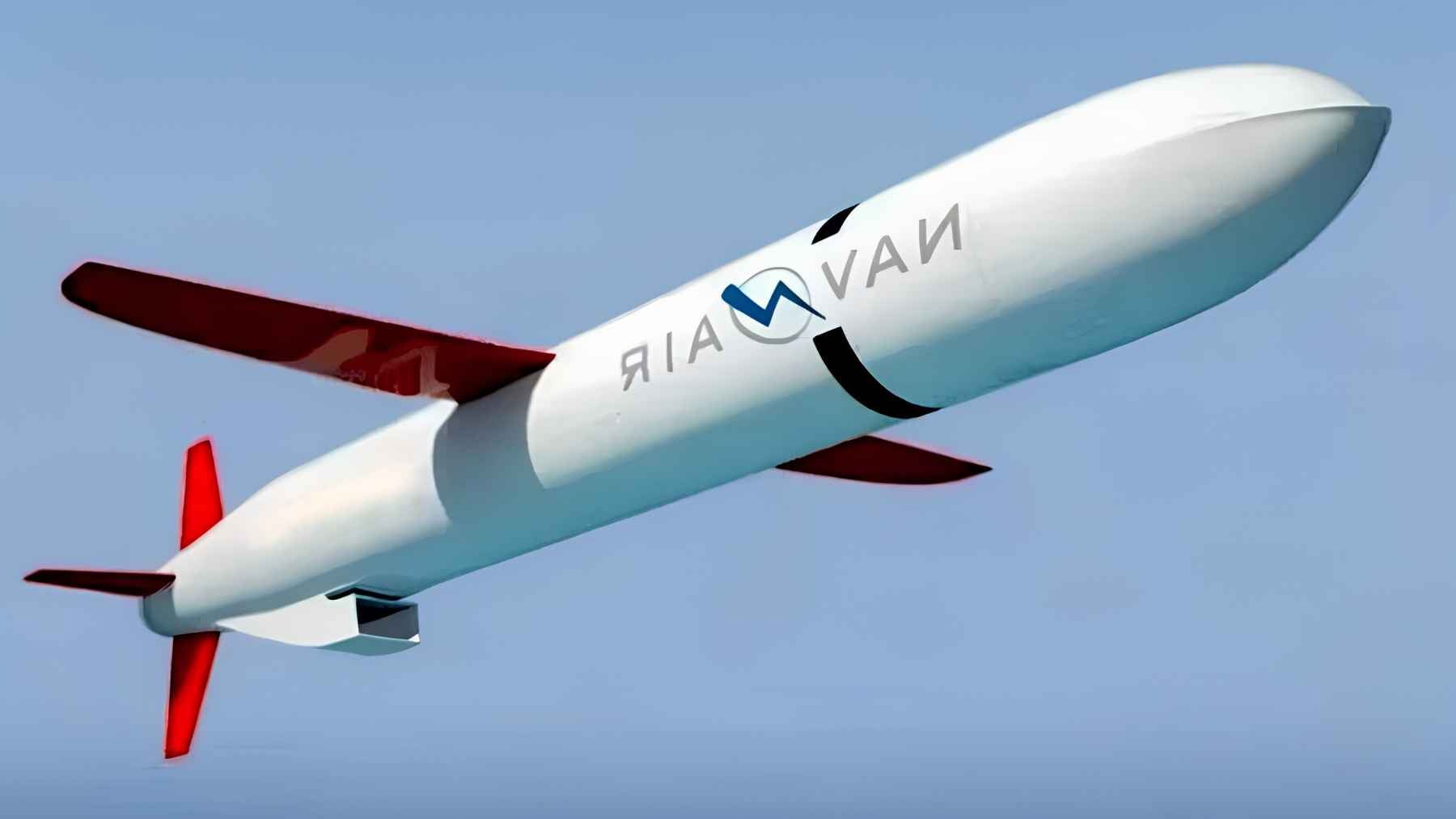
The extra distance is not the same as an air-defense shield. Tomahawk does not intercept incoming drones or missiles, but it adds a conventional long-range strike option that may strengthen deterrence if the system is available in sufficient numbers.
A U.S. bridge to European systems
Berlin’s strategy runs on three tracks. It plans to buy available weapons now, work through the European Long-Range Strike Approach, and upgrade the Taurus family through Taurus NEO.
European plans cover several distance bands, from about 185 miles to more than 1,240 miles, plus air-launched weapons, sensors, and lower-cost strike systems. The trouble is timing. Germany’s July 17 update says some European programs could take seven to 10 years to mature.
That makes Tomahawk a bridge, at least for now. Near-term spending would initially benefit U.S. suppliers, but a credible European follow-on could give Berlin more control over manufacturing, maintenance, upgrades, and stockpiles. No local Tomahawk production deal has been announced.
Big questions about supply and cost
Germany has not disclosed how many missiles or launchers it wants, what they would cost, or when they could arrive. Reuters reported that a letter of intent points to formal U.S. export approval in August, but German officials have stressed that negotiations and domestic approval still lie ahead.
Supply is not a small detail. German officials were asked whether pressure on U.S. stocks following Tomahawk use in the Iran war and continued support for Ukraine could affect deliveries, and they offered no guarantee beyond saying talks were beginning.
That is where the business case meets military reality. A missile with impressive range does not close an urgent capability gap if production slots are full, delivery takes years, or replacement rounds cannot be bought quickly after training and use.
The environmental test at home
No basing site has been announced, so claims about a specific local footprint would be premature. Still, a Typhon battery would require secure storage, road access, maintenance space, fuel handling, fire protection, training areas, and safeguards for soil, water, noise, and waste.
That matters in Germany because the Bundeswehr says about half of its training areas overlap protected habitat or bird conservation zones. Its infrastructure and environmental office is responsible for environmental compatibility, hazardous materials, contamination, waste, emissions, and noise monitoring.
The timing is delicate. On July 1, the German cabinet proposed speeding construction of barracks, depots, training facilities, and transport links through changes touching environmental impact, water, forest, nature protection, and emissions law.
Faster building may be necessary, but the eventual Typhon site will show whether speed and public environmental scrutiny can travel together.
What happens next
The next steps are more procedural than dramatic. Berlin must turn political backing into formal export authorization, a funded procurement decision, Bundestag approval, a contract, training arrangements, a basing plan, and an achievable delivery schedule.
Three things deserve attention as the process moves forward. Watch the number of missiles, the delivery calendar, and the environmental conditions attached to the chosen site, because those details will determine whether the announcement becomes a useful capability or remains mostly political signaling.
For Germany, the larger question is whether U.S. hardware can fill the gap without becoming a permanent substitute for European production. The Tomahawk deal may be the fast lane, but Europe still needs to build the road beneath it.
The official statement was published on Bundeswehr.