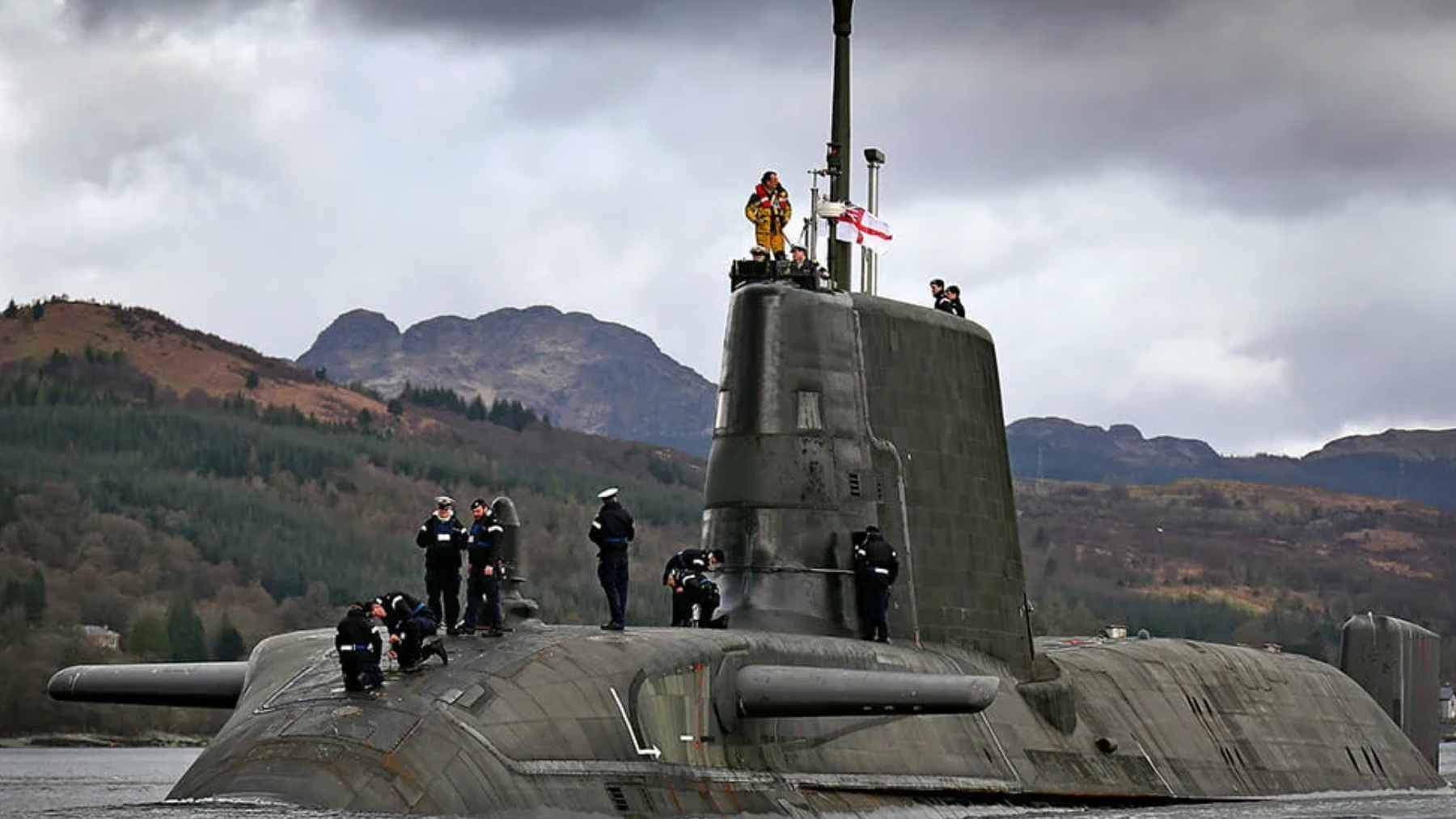
Britain is facing an uncomfortable question at sea. Reports provided for this story say all five available Astute-class nuclear attack submarines of the Royal Navy are in port awaiting maintenance or repairs, leaving the country without a deployable hunter-killer boat at a time of rising concern over Russian activity and undersea sabotage risks.
That matters far beyond the military world. The same seabed that submarines patrol also carries internet traffic, energy links, and the invisible financial plumbing behind bank transfers, work messages, and everyday online life.
The British government says around 64 subsea cables support UK connectivity, with daily transactions tied to the sector worth close to $1.9 trillion using current exchange rates.
Why Astute matters
The Astute class is not just another group of gray ships with big price tags. These are nuclear-powered attack submarines designed to hunt enemy submarines, gather intelligence, protect naval forces, and launch precision strikes from under the sea.
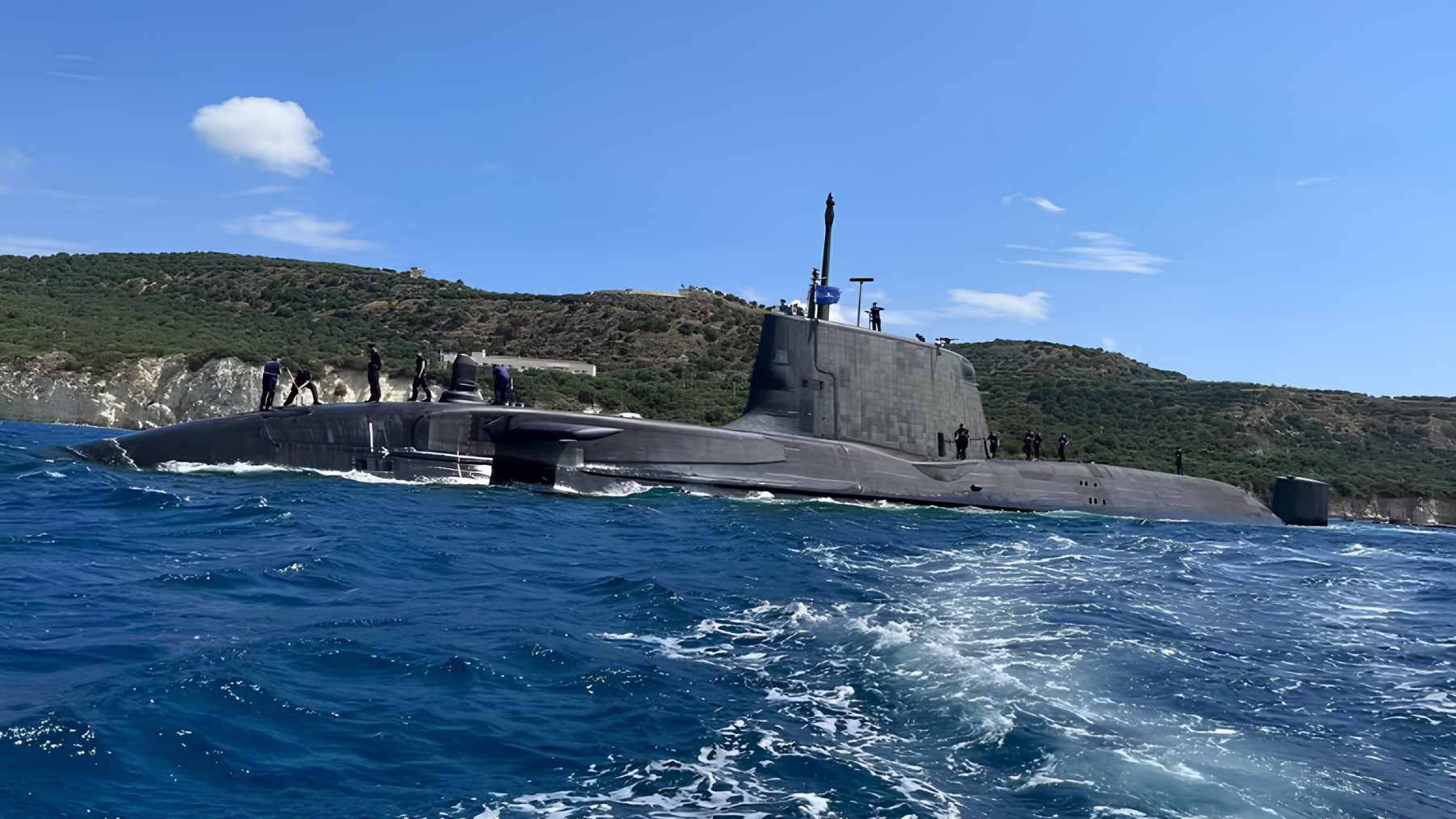
Official Royal Navy material describes the Astute class as the largest, most advanced, and most powerful attack submarines it has operated. Each boat is about 318 ft. long, displaces roughly 8,160 tons, has unlimited range, and can carry Tomahawk cruise missiles and Spearfish torpedoes.
Their most sensitive job is also one of the least visible. Attack submarines help shield the UK’s Vanguard-class ballistic missile submarines, which form the sea-based part of Britain’s nuclear deterrent. When that protective layer is thin, defense experts start asking hard questions.
A maintenance crisis
The Ministry of Defense has not publicly confirmed specific submarine availability, which is normal for submarine operations. It did say that “strengthening and sustaining” submarine capability is a top priority, though, while stressing that British waters are protected by a range of assets, including warships, patrol aircraft, and submarines.
The problem, according to critics cited in the material provided, is not that the Astute boats are weak. It is that the support system around them appears strained, from dry docks and spare parts to skilled workers who can carry out nuclear-submarine maintenance safely and on time.
That sounds dull until it becomes urgent. A submarine fleet is not only measured by how impressive its boats look on paper. It is measured by how many can leave port when the weather turns bad, politically speaking.
The cable risk
Why should anyone outside a naval base care about submarines being tied up? Because the sea floor is now part of daily life.
Subsea telecom cables carry data for businesses, emergency services, the military, finance, social media, and basic communications. The UK government says most cable faults are still caused by fishing or anchors, not sabotage, but it also says suspicious activity near cables is being observed more often.
The UK’s own Strategic Defense Review put it plainly, saying maritime security is a strategic imperative and that undersea pipelines, data cables, offshore energy installations, and maritime trade are critical to national life. It also recommended that the Royal Navy take a leading role in securing undersea pipelines, cables, and maritime traffic.
Russia changes the clock
This comes as UK military leaders warn that the security environment is getting darker. Chief of the Defense Staff Sir Richard Knighton told BBC Radio that Russia is “raising the stakes” and that Britain needs to spend more on defense faster.
Reuters also reported his warning that risks to Britain are greater than at any time since the Cold War.
That does not mean a direct attack is around the corner. However, planners are treating cyberattacks, sabotage, technology theft, drone warfare, and undersea operations as connected pieces of one larger puzzle.
At the same time, Parliament’s Public Accounts Committee has criticized delays to the UK’s “Defence Investment Plan.” The committee said the delay has hurt credibility with allies and weakened the government’s ability to provide a stronger deterrent.
The environmental layer
There is an environmental side to this story, too. The ocean is not just a battlefield or a data highway. It is a living system, a fishing ground, an energy zone, and, increasingly, the place where national security and climate-era infrastructure collide.
UK ministers are already talking about faster cable upgrades and maintenance, while also pointing to deep-water rules where the impact on marine life is described as extremely limited. That is the balancing act now: protect the cables, build resilience, and avoid treating the seabed like an empty construction site.
In practical terms, the next generation of maritime defense will not be only about submarines. It will include patrol aircraft, sensors, uncrewed underwater vehicles, telecom operators, offshore energy companies, and environmental regulators all watching the same stretch of sea.
What happens next
The immediate issue is availability. If reports are accurate, Britain needs to return at least some Astute-class submarines to deployable status while fixing the maintenance bottlenecks that caused the pileup in the first place.
The longer-term issue is harder. The UK is trying to modernize its armed forces, protect cables, keep its nuclear deterrent credible, and prepare for AUKUS-era submarine demands, all while budget decisions move slower than the threat picture.
At the end of the day, this is not just a story about submarines stuck in port. It is a warning about the hidden systems modern countries depend on, from nuclear deterrence to the cables that carry a simple text message across the ocean.
The official press release was published on GOV.UK.