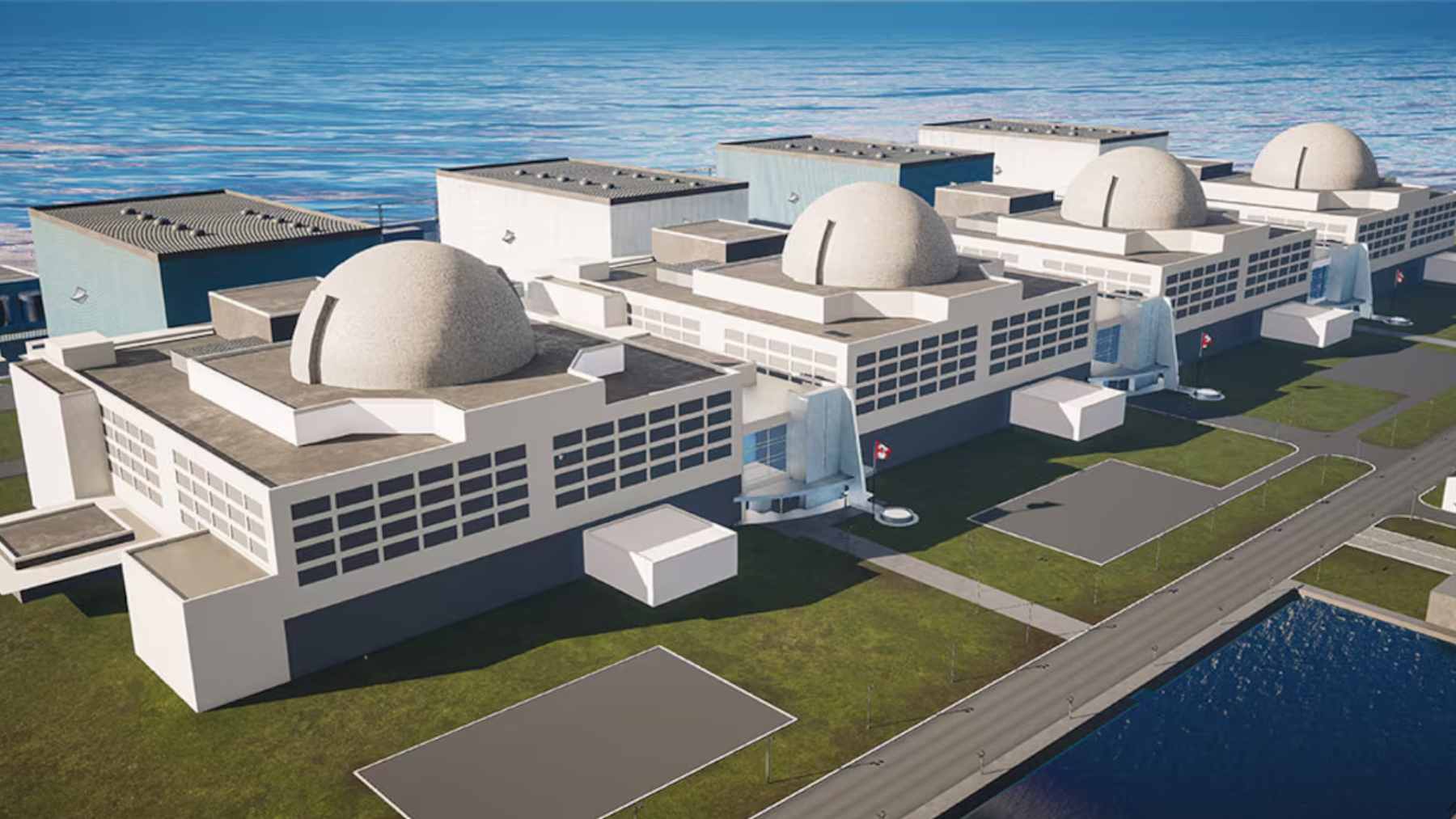
Canada is moving to turn nuclear power into one of its biggest climate, business, and security bets in decades. A new federal strategy calls for up to 10 large reactors at home, more CANDU reactor sales abroad, and a major push to expand uranium exports as electricity demand rises.
The pitch sounds simple enough. Canada wants more clean power for homes, factories, data centers, and remote communities without leaning harder on fossil fuels. The harder part is getting there, because reactors are expensive, reviews are politically sensitive, and radioactive waste does not disappear just because the grid needs more power.
Canada’s nuclear bet
Energy Minister Tim Hodgson presented the strategy as a “new civilian nuclear renaissance” for Canada. His message was direct. There is “no credible plan” to double the power grid and build a low carbon economy without nuclear energy.
That argument lands at a moment when many countries are trying to electrify everything from cars to heating systems. Canada says nuclear power now supplies about 13 percent of its electricity, with 17 CANDU reactors operating in Ontario and New Brunswick.
The nuclear sector also has a substantial business payoff. Ottawa says it supports 90,000 direct and indirect jobs, and that 90 percent of jobs inside the industry itself are high-skilled. For communities built around nuclear plants, that is not just a climate statistic. It is a paycheck.
What Canada wants to build
The strategy sets a clear timeline, at least on paper. It aims to have two large scale reactors under construction by 2035, five more planned or under development by 2040, and up to 10 new large reactors in total.
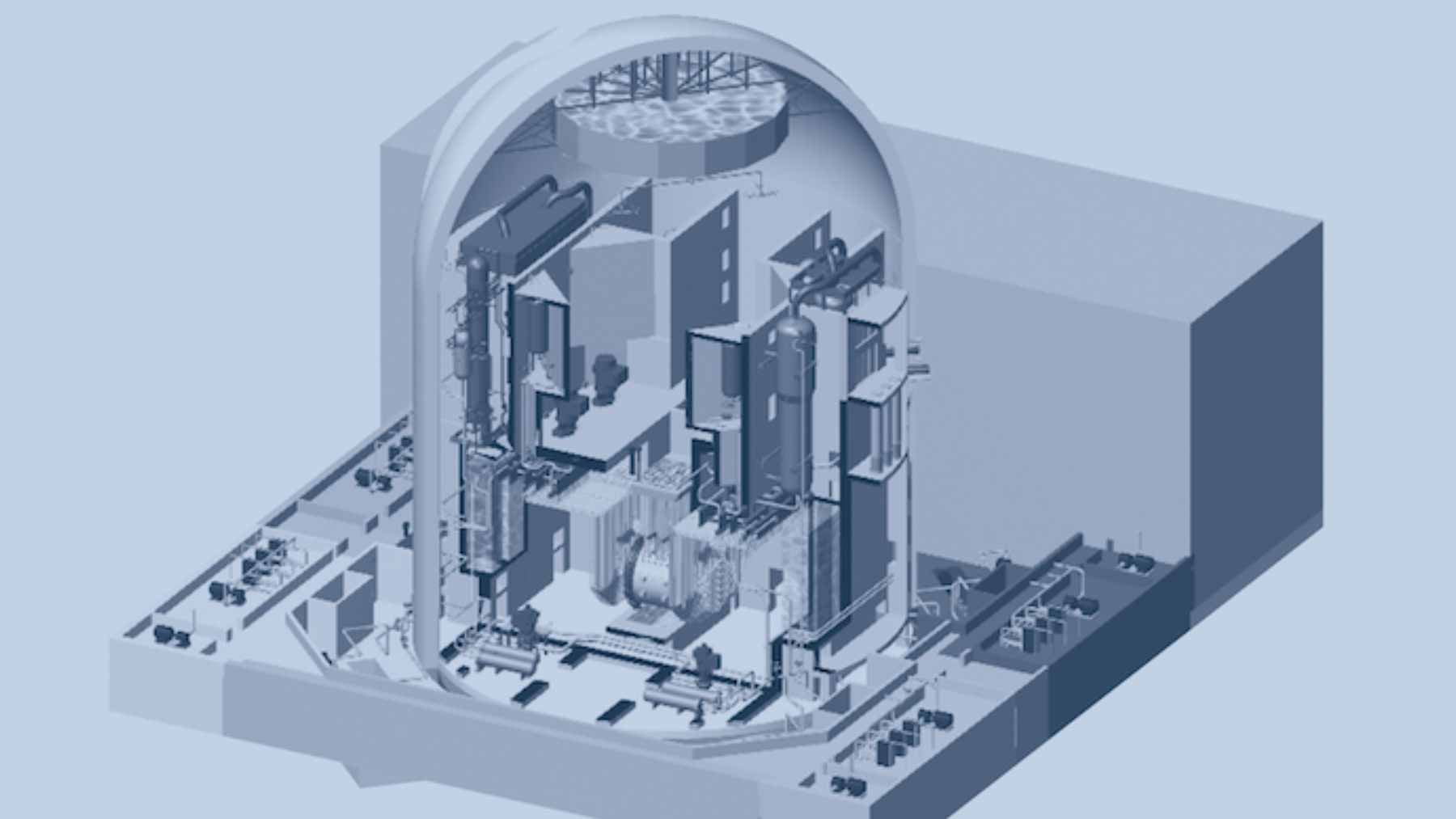
Small reactors are part of the plan too. The Darlington New Nuclear Project in Ontario is expected to become the first small modular reactor deployment in the G7, and the government says that project could power 300,000 homes while supporting thousands of jobs.
Canada also wants at least one reactor operating or under construction outside Ontario by 2035. Saskatchewan is studying small modular reactors, Alberta is developing a nuclear roadmap, and the federal plan points to a Canadian microreactor being demonstrated by 2035 and deployed to a remote community in the late 2030s.
The price tag problem
Here is where the clean energy dream meets the budget spreadsheet. The background material said construction could cost more than 100 billion Canadian dollars, which is more than about $70 billion in U.S. terms at recent exchange rates.
The strategy itself does not settle the big financing question. Reuters reported that the plan included no new funding, though the government expects to release a policy by April 2027 explaining the conditions for federal support and the tools available.
That leaves a political opening. Conservative Leader Pierre Poilievre said “an announcement will not build anything,” arguing that Canadians should judge the government by results, not promises. It is a fair test. A reactor strategy only matters if it can survive permitting, financing, supply chain strain, and local consent.
CANDU as a power tool
Canada is not only thinking about its own grid. The strategy also turns CANDU reactor exports into a foreign policy instrument, especially as countries look for dependable power that does not add carbon pollution to the atmosphere.
Ottawa says CANDU technology now powers 26 reactors across six countries, including 17 in Canada and nine abroad. The new strategy aims to secure CANDU reactors in at least four new international markets by 2040 and engage six to 10 new nuclear entrant markets over 15 years.
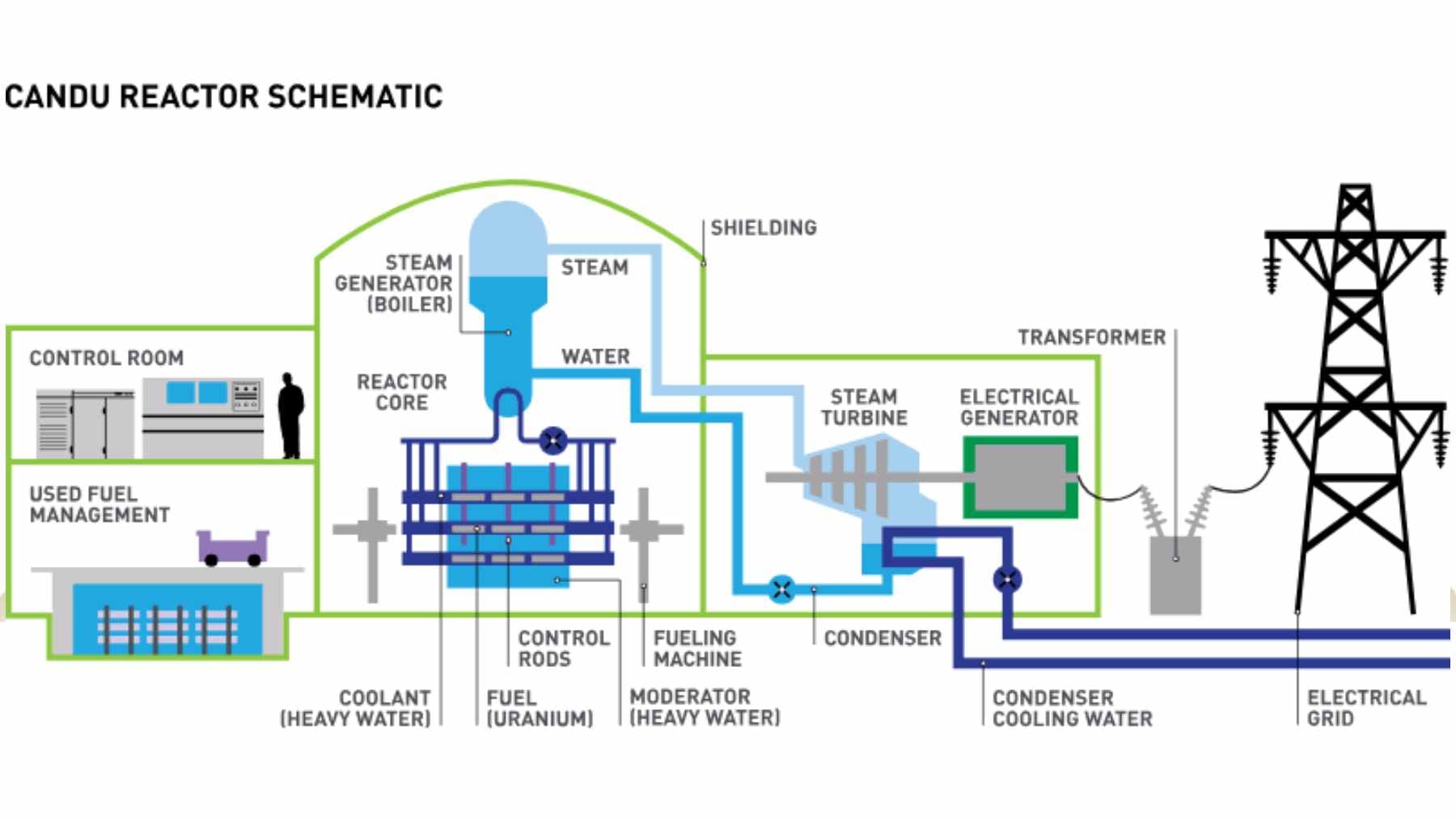
There is a technical reason this matters. CANDU reactors use heavy water and can run on natural uranium, unlike many reactor types that require enriched uranium. In practical terms, that gives Canada a selling point at a time when Western allies are trying to reduce reliance on Russia in nuclear fuel supply chains.
Uranium is the other story
Reactors get the spotlight, but uranium may be the quieter prize. Canada produced roughly 24 percent of global uranium output in 2024, and about 90 percent of that output was exported for peaceful use in nuclear power plants.
The economic footprint is especially clear in Saskatchewan. Ottawa says all active uranium mining and milling in Canada is concentrated there, where the sector contributed about 2.6 billion Canadian dollars in 2024, or roughly $1.8 billion in U.S. terms, while directly employing more than 3,400 people.
Now Canada wants to double uranium exports from 2024 to 2035. That could strengthen the country’s role in clean energy supply chains, but it also puts more attention on mine approvals, water management, tailings, and long term land stewardship.
The CNSC says it regulates uranium mines and mills through a lifecycle licensing process that includes environmental review requirements.
Speed versus trust
The toughest issue may not be technology. It may be trust. Nuclear power is low carbon during operation, but the public still worries about safety, waste, mining impacts, and who gets a voice before projects are approved.
The federal government has proposed shifting impact assessments for nuclear and uranium projects to the Canadian Nuclear Safety Commission. Supporters see that as a way to cut delay and duplication. Critics warn that faster reviews must not become thinner reviews, especially for Indigenous communities and ecosystems near proposed projects.
That is where the plan could succeed or stumble. Canada can speed up paperwork, but it cannot shortcut confidence. At the end of the day, reactors need more than steel, concrete, and uranium. They need public permission.
Canada’s clean energy test
Canada’s nuclear strategy is ambitious, and in some ways it is easy to see why. A country with uranium, CANDU technology, trained workers, and a mostly clean grid would naturally try to turn those advantages into industrial power.
But ambition is not the same as execution. The next few years will show whether this is a real nuclear comeback or another big energy document talks the talk but does not walk the walk. For now, Canada has put its bet on the table.
The official statement was published on Natural Resources Canada.