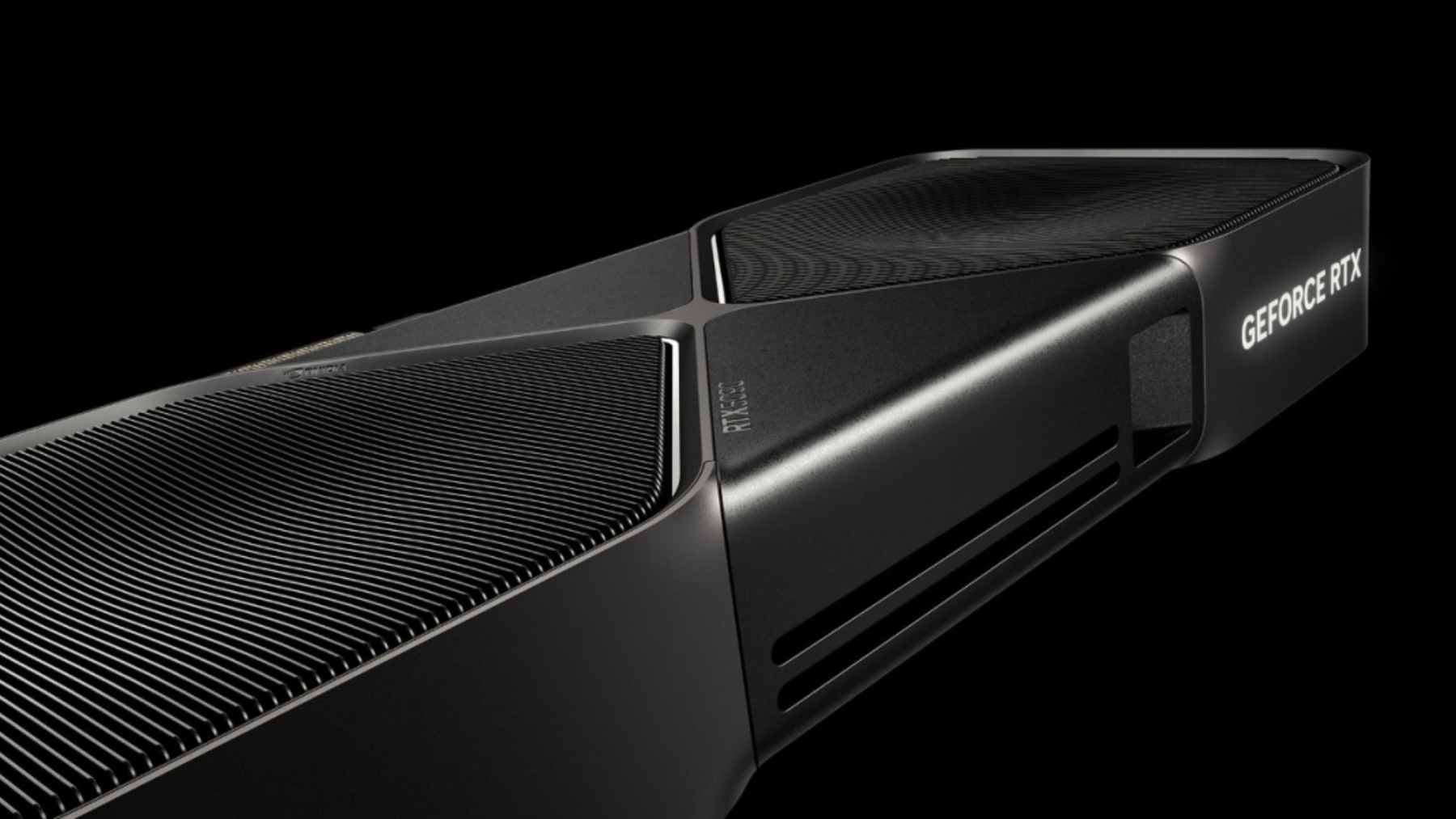
A high-end graphics card is not supposed to sound like it is fighting for its life after a year of gaming. Yet according to a recent Reddit report covered by VideoCardz, one AORUS GeForce RTX 5090 owner opened the card after noticing fans jumping to 2,000 RPM during games and found thermal material spread unevenly inside the cooling system.
The card’s reported temperature never seemed to climb above about 169°F, but the fan behavior told a different story. That is what makes this case interesting beyond one messy teardown, because when expensive electronics become hard to trust, repairability quickly becomes an environmental issue, too.
The messy teardown
The owner said the GPU had been mounted horizontally, so he had not been especially worried about thermal material moving inside the card. Still, when the cooler came off, the lower half of the GPU core appeared to have little coverage, while material had pooled higher up around the vapor chamber.
“My main complaint is that the liquid metal composite they used at the factory seems to be susceptible to pump out,” the user said. He also claimed there was “literally no coverage” on the lower half of the GPU core, which is exactly the kind of thing no buyer wants to see after spending big on a flagship card.
Why the fans mattered
This is where the story gets tricky. The owner did not report runaway normal GPU temperatures, but he suspected the card might not have been showing the full picture if hot spots were forming away from the most visible temperature reading.
That matters for everyday users because most people do not open a graphics card to inspect its cooling. They hear the fans, check a temperature number, and hope the hardware is fine. Sometimes, that little fan spike is the only clue.
What Gigabyte says
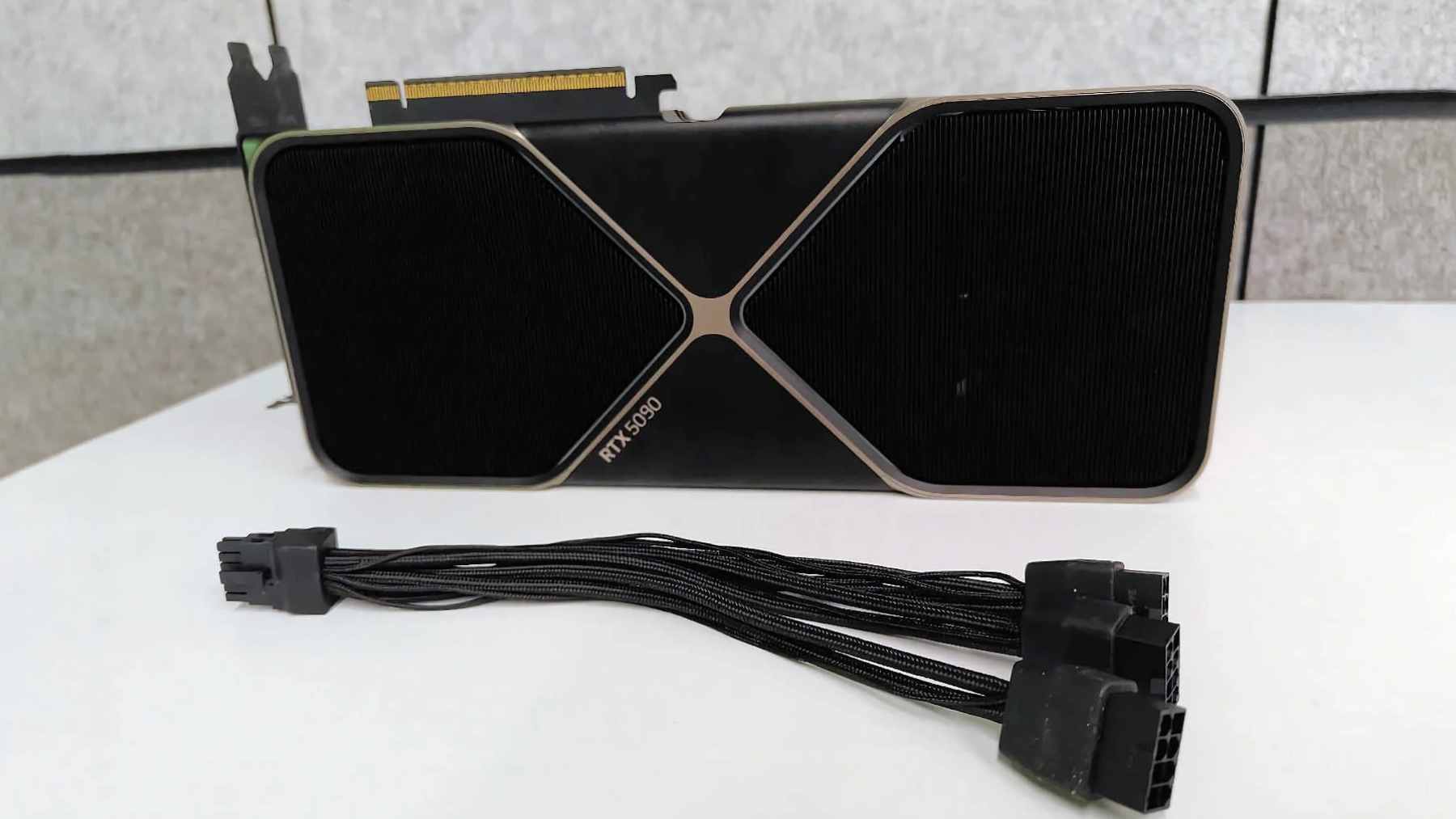
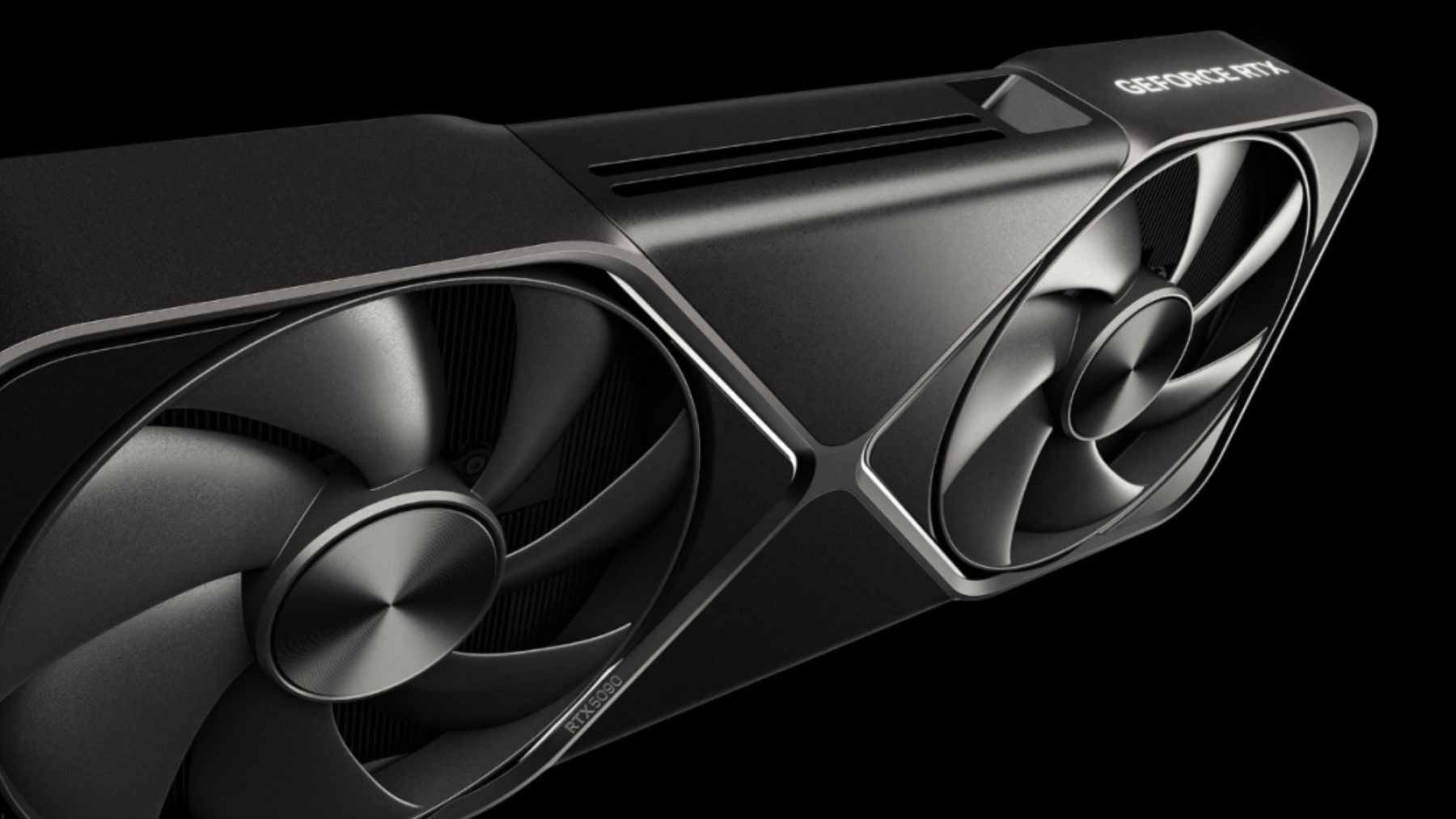
Gigabyte’s official AORUS GeForce RTX 5090 MASTER 32G page lists the card with Nvidia Blackwell architecture, 32 GB of GDDR7 memory, and a WINDFORCE cooling system that includes Hawk fans, composite metal grease for the GPU, server-grade thermal conductive gel, and superconducting heat pipes.
The same product page also lists a 4-year warranty with online registration required.
Gigabyte previously addressed concerns about thermal conductive gel on its GeForce RTX 50 Series and Radeon RX 9000 Series cards. In that statement, the company described the gel as an insulating, deformable, putty-like compound that can endure temperatures of at least 302° before melting or liquefying.
The company also said some early production batches received a slightly higher volume of gel to ensure coverage. According to Gigabyte, that overapplication could make excess gel look more prominent or separate from its intended area, but it called the issue a cosmetic variance that should not affect performance, reliability, or lifespan.
The repair dilemma
For many PC owners, the obvious question is simple: should they open the card and check it? Not so fast.
Opening a premium GPU can create warranty problems, damage delicate parts, or introduce new thermal issues if the replacement material is not applied correctly. Instead, owners should document fan behavior, take photos if any material is visibly leaking, and contact support before reaching for a screwdriver.
The e-waste angle
This is not just about one graphics card with an ugly interior. The bigger concern is what happens when costly electronics feel disposable because users lose confidence in build quality, service support, or long-term cooling performance.
The Global E-waste Monitor 2024 reported that the world generated about 136.7 billion lbs. of electronic waste in 2022, equal to roughly 17.2 lbs. per person. Only 22.3% was documented as formally collected and recycled in an environmentally sound way, and the total is projected to reach about 180.8 billion lbs. by 2030.
A single GPU is tiny compared with that mountain of waste. But it contains plastics, metals, circuit boards, packaging, and valuable materials that took energy and mining to produce. Keeping hardware alive longer is one of the simplest ways to reduce that pressure.
Premium hardware needs trust
To be clear, this report does not prove that every AORUS RTX 5090 has a serious cooling flaw. It does show how quickly confidence can crack when a premium product relies on thermal materials that users cannot easily inspect.
The business side matters, too. Gamers, creators, and workstation users are paying for performance, but they are also paying for durability.
At the end of the day, a flagship card should not make owners wonder whether the safest environmental choice is repair, replacement, or simply hoping the fans calm down.
What owners should watch
Owners should pay attention to sudden fan spikes under familiar workloads, visible thermal material near the cooler, unexpected shutdowns, or performance changes that appear after months of normal use. None of those signs automatically proves a gel problem, but they are worth documenting.
The most responsible next step is not to panic, it is to gather evidence. Save temperature logs, record fan behavior, check warranty terms, and contact Gigabyte’s regional customer service center if something seems off.
The official statement was published on Gigabyte.