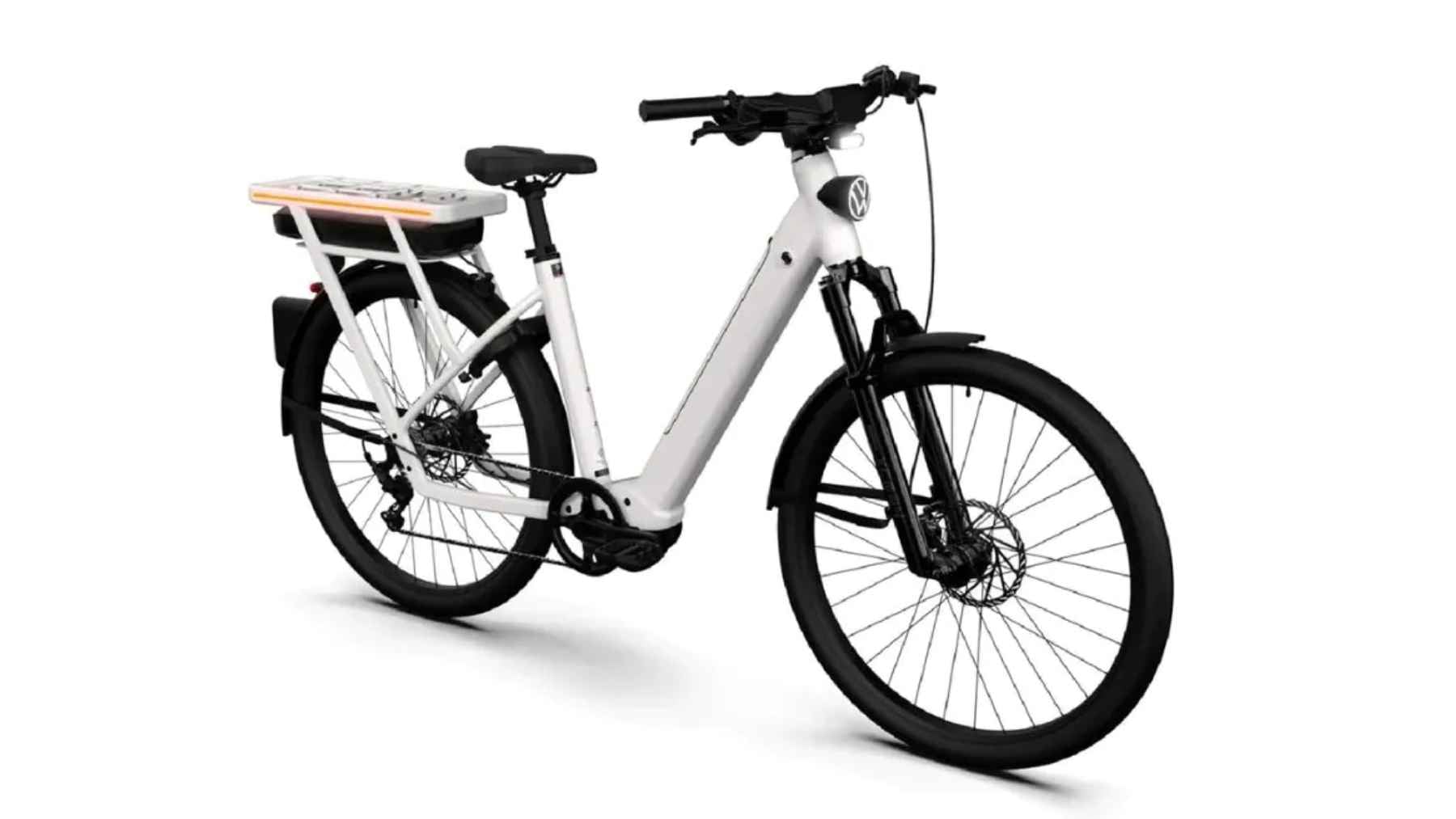
Volkswagen’s latest move into two-wheeled mobility is not a race for the biggest motor. The Volkswagen-licensed Sport and Crossover e-bikes, developed and manufactured by n+, borrow radar, cameras, intelligent lighting and connected wearables from the car world.
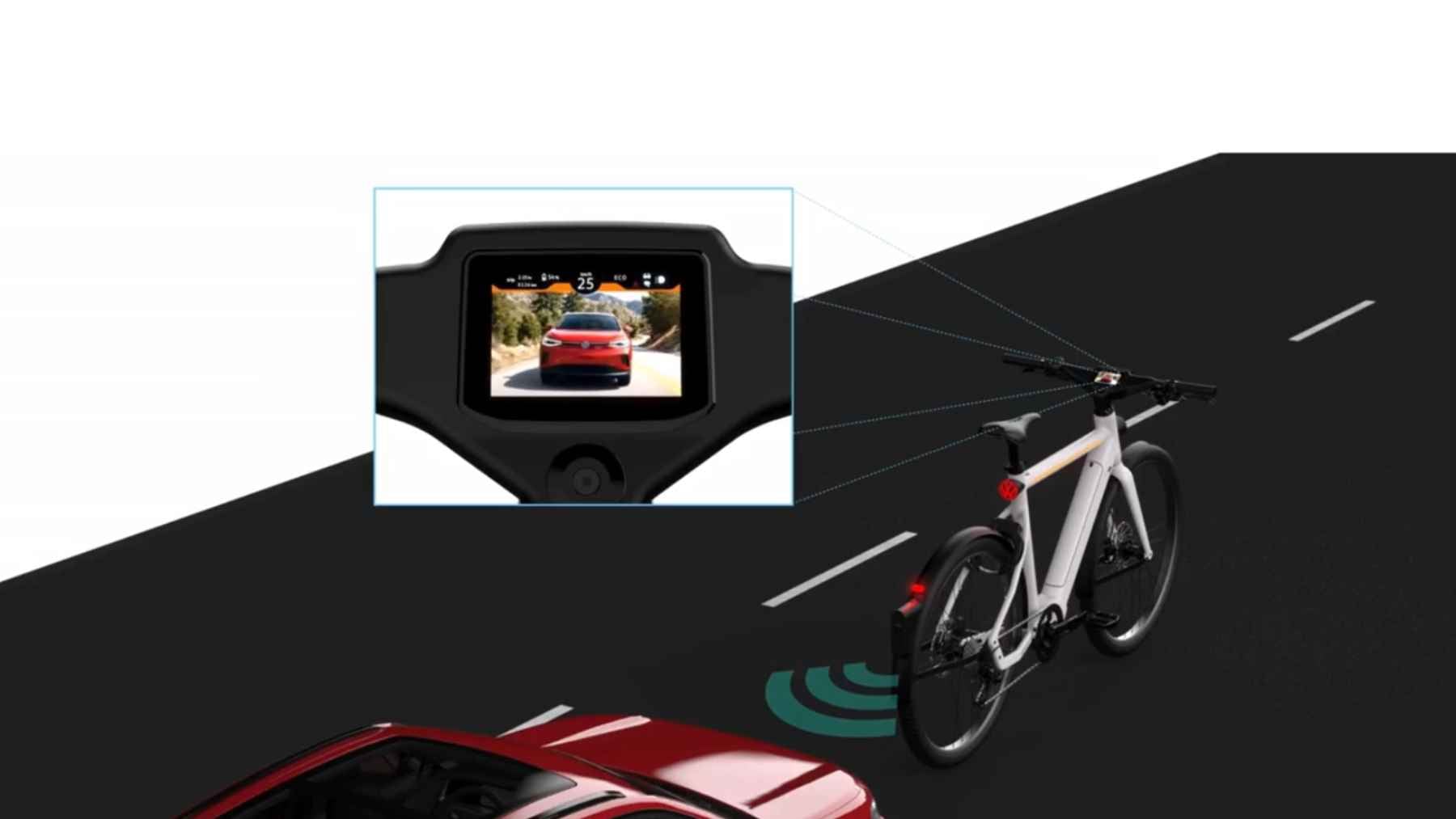
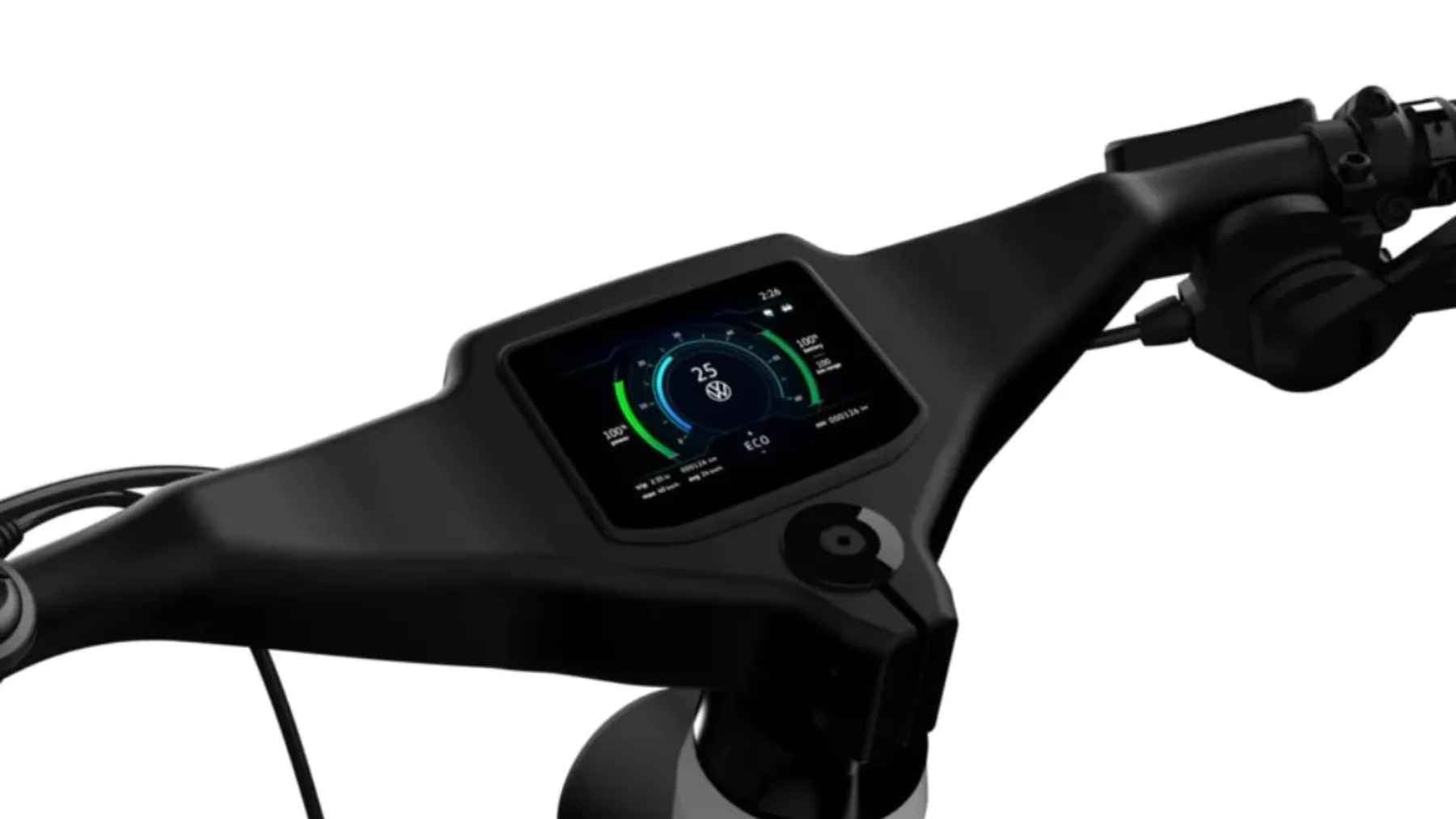
Their headline feature is Smart View, a rear-facing camera and radar system that lets riders monitor traffic on a 3.5-inch handlebar display.
The bigger idea is confidence. If cities expect more people to replace some car trips with potentially lower-emission travel, bicycles have to feel less exposed in fast, crowded traffic.
This system is an ambitious attempt to narrow that safety gap, although its premium price, pre-production status and the absence of independent crash-reduction data in the official launch material mean it should be viewed as a promising experiment rather than a proven shield.
Car-style eyes behind the rider
Smart View combines a camera in the rear mudguard with radar that watches for approaching vehicles.
The camera sends a live image to the cockpit, while the radar activates blind-spot warnings when traffic closes in from behind. n+ describes it as the first e-bike with a fully integrated digital rearview camera, a manufacturer claim that has not yet been independently established across the market.
Why is that useful? Looking over one shoulder can briefly pull a rider’s attention away from potholes, doors opening into the bike lane or a car braking ahead. Peter Jost, CEO of Volkswagen Accessories, Lifestyle and Licensing Business, said, “Seeing them make their way onto an e-bike demonstrates how technologies can evolve and be adapted in meaningful ways.”
Signals drivers already understand
A full-length LED strip built into the top tube works as a daytime running light. It glows red during braking and flashes amber when the rider signals a turn, using the visual language drivers have followed for generations. Motorists may get an earlier and clearer clue about what the cyclist plans to do next.
The connected helmet can repeat those braking and turning signals, making the rider visible higher above the road. There is an important catch, though. n+ says the behavioral lighting functions are not street legal in Germany and France, showing how quickly new safety hardware can run into older vehicle rules.
A helmet that texts after a crash
The optional Smart Helmet connects to the bike through Bluetooth and uses accelerometers and other sensors to detect a hard impact. A countdown then starts in the companion app. If the rider does not respond, the system sends an SMS with the rider’s location to an emergency contact.
That is not the same as automatically contacting emergency services, and the distinction matters. Still, a location message could be useful after a fall on a quiet road or during an early commute when few people are nearby. The product page lists CPSC, NTA 8776 and EN 1078 compliance, while the helmet weighs about 15.5 ounces.
Fighter-pilot technology enters the commute
The $499 Smart Glasses place Google Maps directions, blind-spot warnings and ride information in the rider’s field of vision. An intentional eye movement toward the upper right switches the head-up display on or off. n+ says the system was developed by engineers associated with fighter-pilot helmet displays, and the glasses weigh about 1.7 ounces with up to eight hours of operation.
Sounds futuristic, but the real test will be restraint. Keeping directions near the rider’s line of sight could reduce glances toward a phone or handlebar screen, yet too much information could become another distraction. The launch material does not include independent rider testing, so usefulness will depend on timing, clarity and how much data appears at once.
Premium prices and familiar hardware
The Sport e-bike starts at $3,999, while the more comfort-focused Crossover begins at $4,349. Preorders currently include the $699 Smart View package at no added charge, while the helmet costs $399 and the glasses cost $499.
Deliveries are scheduled to begin in the fourth quarter of 2026, but the bikes remain pre-production models and will ship only after manufacturing and certification are complete.
Underneath the electronics is a 250-watt Yamaha PW-X3 mid-drive motor producing about 63 pound-feet of torque.
Pedal assistance ends at roughly 15.5 mph, and the removable 490-watt-hour battery carries a claimed maximum range of about 101 miles. The Sport weighs around 60.6 pounds and the Crossover about 61.7 pounds, so neither is a featherweight when the elevator is broken.
A greener city still needs safer streets
The environmental case depends on what the bike replaces. The European Environment Agency says transport produced about one-third of the European Union’s greenhouse gas emissions in 2023, with road transport responsible for almost 73% of that total.
An e-bike that replaces a car journey can support cleaner urban mobility, but one that simply replaces a conventional bicycle offers a much smaller climate gain.
Technology also cannot fix the street by itself. U.S. road-safety guidance still tells drivers to slow down, give cyclists room and avoid passing too closely. At the end of the day, radar can warn a rider, but it cannot calm an impatient driver or build a protected bike lane.
That is why Volkswagen’s licensed e-bike is most interesting as a signal of where micromobility may be heading. The key question is not whether the cockpit looks like something from a fighter jet, but whether ordinary commuters feel safe enough to leave the car keys at home.
The official press release was published on Smart eBike.