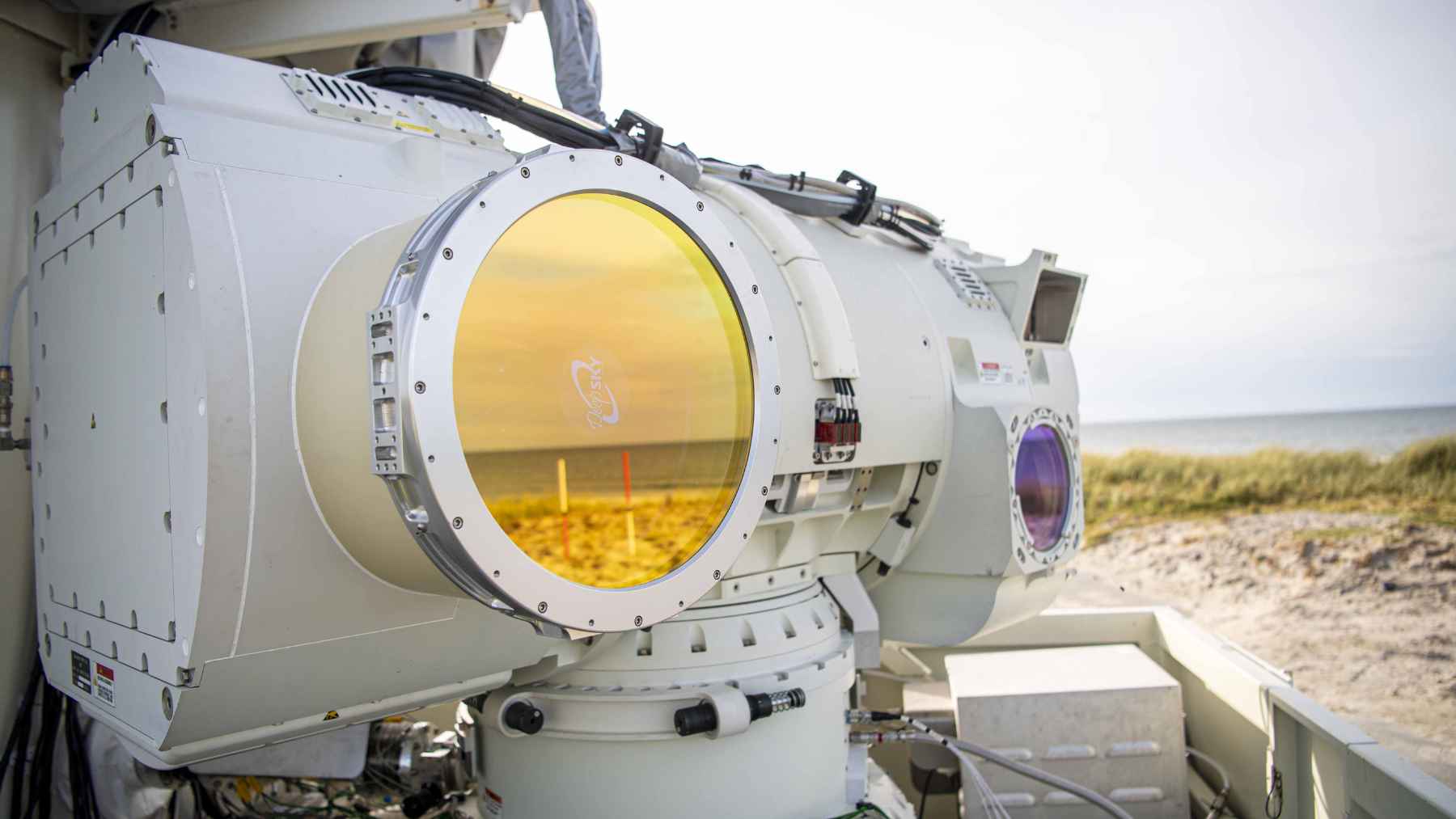
British defense technology company QinetiQ is putting $26.8 million of its own money into high-energy laser development and production, expanding work at Farnborough and Malvern.
Announced at the Farnborough International Airshow on July 20, 2026, the move is less about another laboratory demonstration and more about building the capacity to manufacture laser weapon components at scale.
The immediate market is counter-drone defense, where inexpensive unmanned aircraft can force militaries to launch interceptors costing far more than the target.
Lasers promise a different equation, with shots powered by electricity and less dependence on stored ammunition, but they still consume significant energy and need cooling. They may lighten part of defense’s logistical and environmental burden, not make warfare clean.
QinetiQ turns research into production
QinetiQ used the air show to unveil HELENA, the new brand for its coherent beam combination high-energy laser sources. The company says the investment will widen its product range and significantly increase production capacity for customers in the United Kingdom and allied markets.
The spending is company-funded, which makes it a notable industrial bet rather than simply work paid for by a government contract. QinetiQ says its existing laser directed-energy activity already supports 150 jobs directly. Group CEO Steve Wadey summed up the shift by saying, “Directed Energy Weapons are quickly moving from development to deployment.”
What HELENA actually is
HELENA is not a complete weapon sitting on a turret. It is the laser source at the system’s core, combining multiple fiber-laser beams so they act like one brighter, coherent output that can be directed onto a precise point. QinetiQ says the architecture is scalable and has been tested against targets at range and in difficult atmospheric conditions.

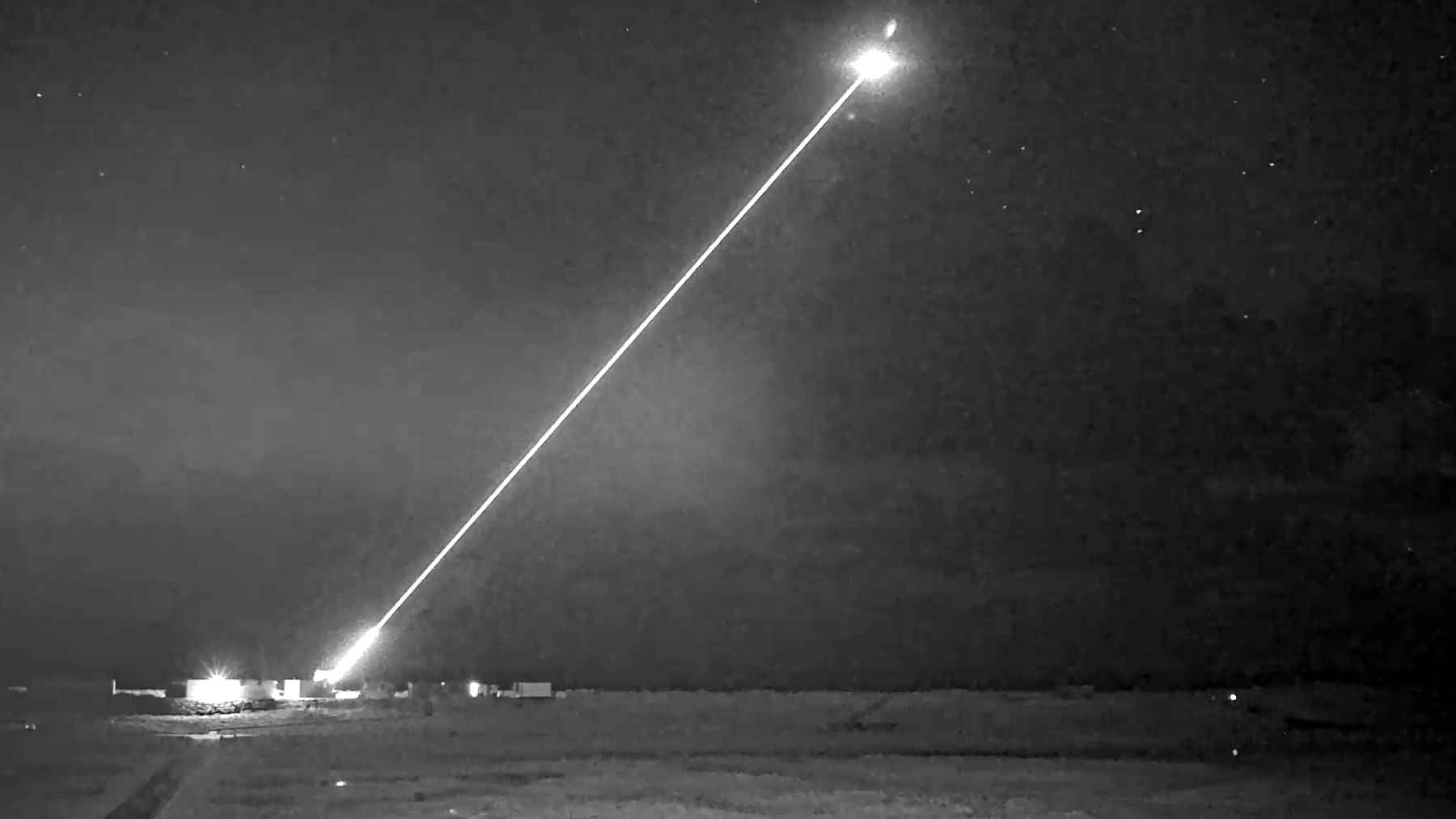
So, is this a science-fiction ray that instantly vaporizes a drone? Not quite. The beam travels at the speed of light, but the result depends on tracking accuracy, distance, the target material, and how long energy remains focused on one spot. Fog, storms, turbulence, and cooling demands can all reduce performance.
DragonFire anchors the first major program
QinetiQ’s technology is already central to DragonFire, the British laser weapon being developed with the Defence Science and Technology Laboratory. MBDA leads the overall system and command functions, Leonardo supplies the beam director, and QinetiQ provides the high-power source. Earlier trials used a QinetiQ laser producing about 50 kilowatts.
The Royal Navy plans to begin fitting DragonFire to Type 45 destroyers from 2027, five years earlier than the original schedule. QinetiQ said in January that it had received a production contract worth about $90.4 million within a wider program valued at roughly $413.3 million.
That work supports around 120 QinetiQ jobs and more than 100 British suppliers, while the new $26.8 million investment is separate and self-funded.
Drones changed the battlefield math
The appeal becomes clear when the price of each engagement is considered. The Royal Navy estimates a DragonFire burst at roughly $13, while a Sea Viper interceptor can cost more than $1.3 million. Firing a premium missile at a low-cost drone can work, but doing it repeatedly is a fast way to drain both budgets and magazines.
That does not mean lasers will replace missiles. They are more likely to become another defensive layer, handling suitable drones and other visible targets while preserving expensive interceptors for threats that demand longer range, all-weather performance, or a larger destructive effect. Commanders gain another tool instead of a magic replacement.
The environmental case is narrower
There is a real sustainability argument, although it needs careful wording. The British Ministry of Defence has said laser weapons can reduce the need for conventional ammunition, shorten parts of the logistics chain, lower transportation emissions, and avoid unexploded ordnance created by the laser shot itself.
For a ship at sea, every missile that does not need to be loaded, stored, and replenished removes one bulky item from a long supply chain.
But a laser weapon is not environmentally harmless. It draws substantial electrical power, generates heat that must be managed, and still causes a drone or missile to break apart, burn, or fall.
The QinetiQ announcement did not include a full lifecycle assessment comparing HELENA with conventional interceptors, so any emissions benefit remains dependent on power generation, operating patterns, manufacturing, and the number of missiles actually avoided.
The real test comes at sea
A trade show launch is the easy part. On a moving destroyer, DragonFire will have to track fast targets through vibration, salt spray, haze, and changing weather while the ship manages the weapon’s electricity and cooling requirements. Those are engineering constraints, not small details.
That is why the planned 2027 installation matters so much. It will show whether the promised low shot cost and deep magazine can survive day-to-day naval operations, and how the laser fits beside radar, guns, Sea Viper missiles, and other defenses. The trouble is, battlefield demand is moving faster than traditional procurement.
A strategic manufacturing signal
QinetiQ has worked on laser weapons for more than 25 years, but HELENA turns that experience into a named product family intended for wider sales. The company is positioning itself as a supplier of the laser engine inside future land and maritime systems, not only as a partner on one British demonstrator.
At the end of the day, the $26.8 million investment is a vote of confidence in a market being reshaped by drone warfare. If DragonFire succeeds at sea and production scales, laser weapons could lower the cost and material burden of some defensive engagements. The beam may be almost weightless, but its industrial, operational, and environmental consequences are not.
The official press release was published on QinetiQ.