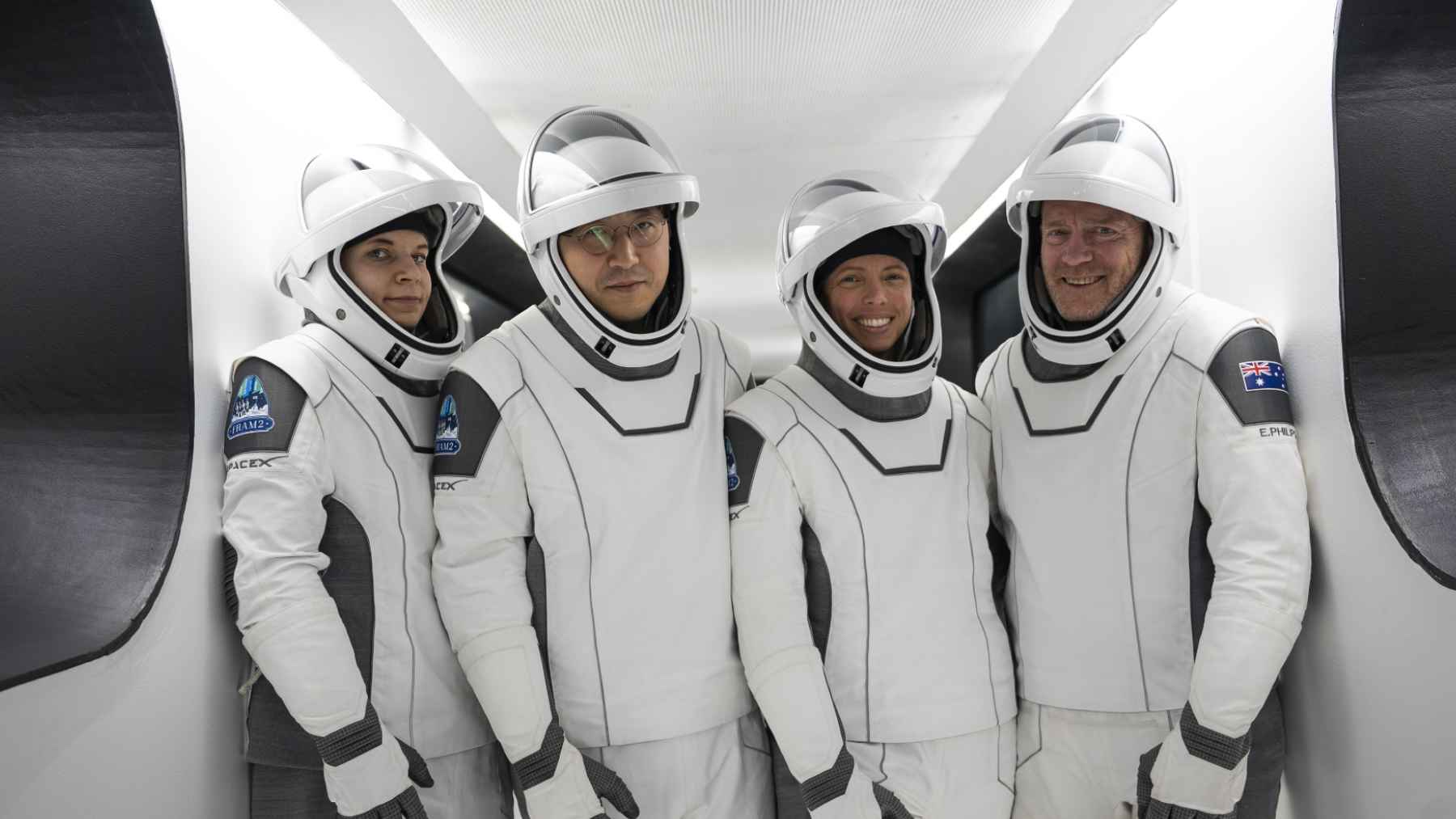
A private space mission has pulled off something that, until now, belonged inside a hospital radiology department. During Fram2, nonmedical crew members aboard a SpaceX Crew Dragon used a portable wireless system to capture the first human X-rays in orbit, and every accepted image reached diagnostic quality.
The results, published online on July 14, 2026, could give future deep-space crews a second medical imaging option when a quick return to Earth is impossible.
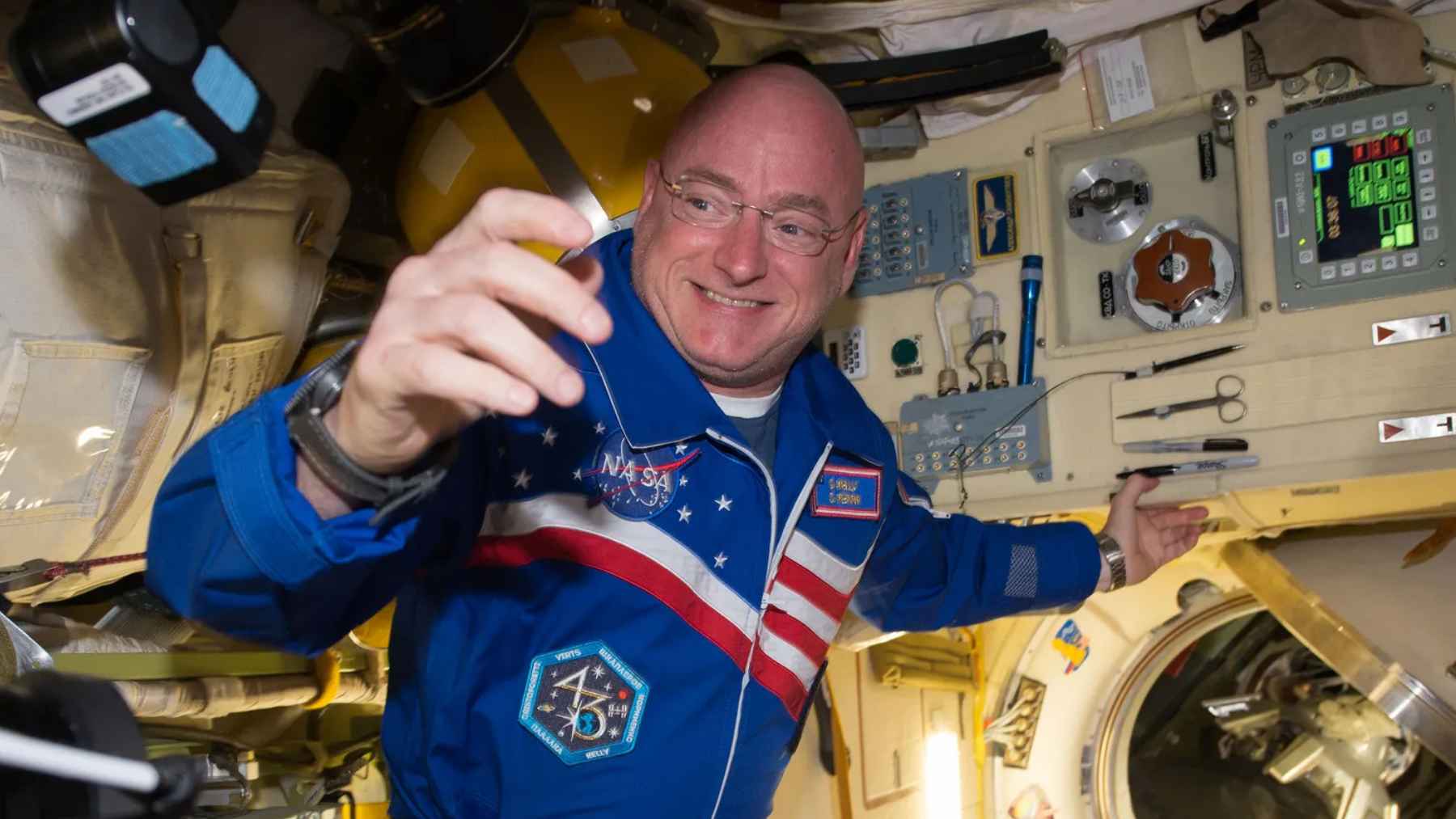
The most striking part is how little specialist preparation was required. Three of the four Fram2 astronauts participated after four hours of training, while only two underwent imaging in orbit because operational time was limited. The same compact machine could one day help crews check both an injured person and a damaged piece of spacecraft hardware.
A hospital tool enters orbit
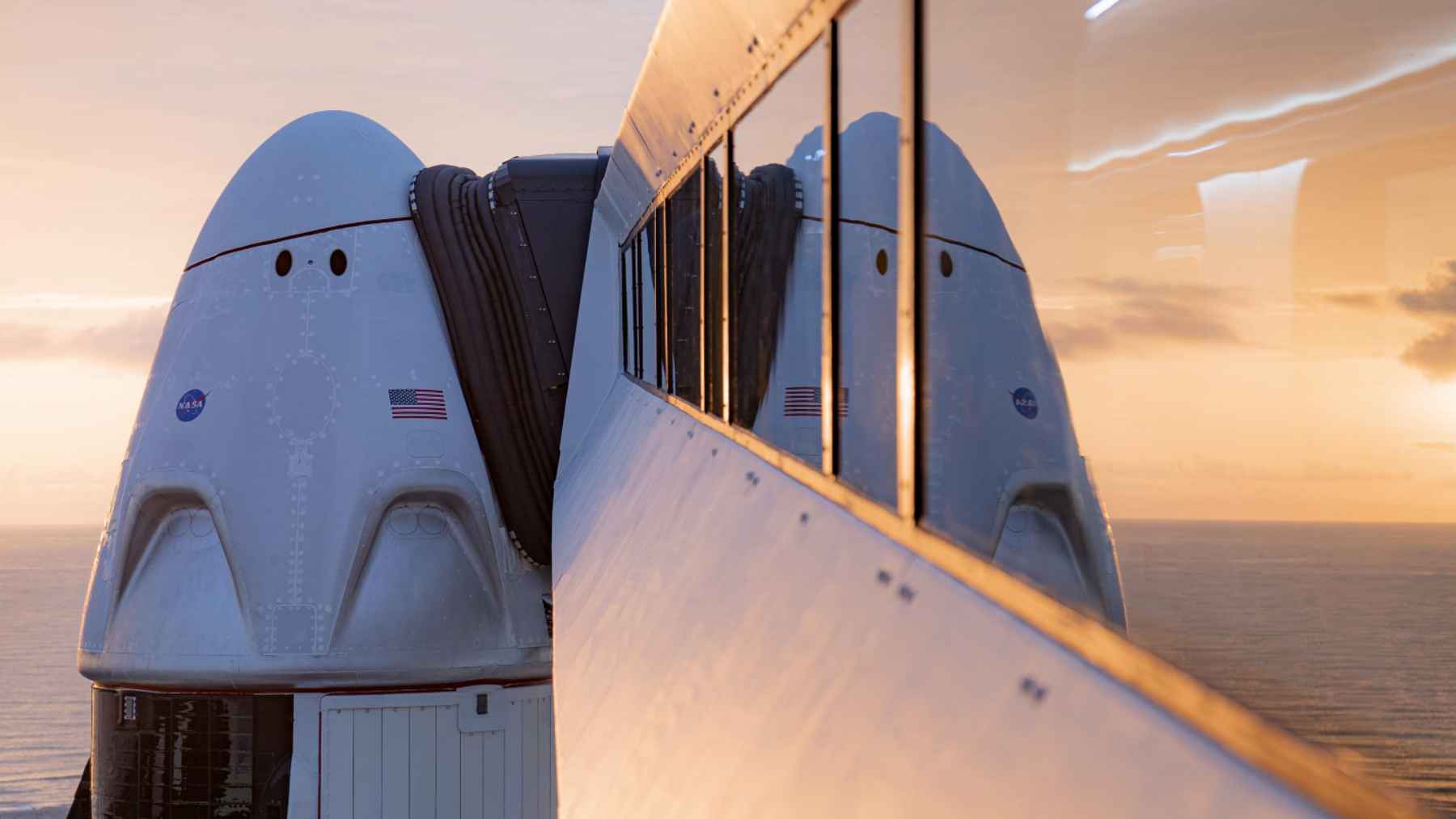
Fram2 launched aboard a SpaceX Falcon 9 on March 31, 2025, carrying four people into a polar orbit about 264 to 280 miles above Earth. The Crew Dragon mission lasted three days and 14 hours before splashing down in the Pacific Ocean on April 4. It was a short flight, but it gave researchers a real orbital laboratory.
The crew used a commercially available, U.S. Food and Drug Administration-cleared digital X-ray generator with a wireless detector.
Without live ground support, participants imaged a calibration object, a smartwatch, a hand, a forearm, the chest, abdomen, and pelvis, then reviewed the files on an onboard computer. No film was needed, and the images were available immediately.
The images stood up to review
After the mission, three independent radiologists compared seven accepted in-flight anatomical images with seven equivalent preflight images. Average scores for overall quality, spatial resolution, and contrast resolution were 4.86 out of 5 in orbit, compared with 5 out of 5 on the ground.
Every radiograph scored at least 3, the study’s threshold for a diagnostically usable image.
There was one clear weakness. Positioning scores for chest, abdomen, and pelvis images fell from an average of 4.95 before flight to 4.07 in orbit, a statistically significant difference. The scanner was doing its job, but keeping a floating person, detector, and X-ray source lined up was harder than placing a patient against a wall in a clinic.
That distinction matters. The experiment showed technical feasibility, not a complete orbital emergency department, and no sick or injured astronaut was diagnosed during the study. Still, lead researcher Sheyna Gifford of Mayo Clinic said the nonmedical crew members “did it right and did it well.”
Why ultrasound alone is not enough
For more than four decades, ultrasound has been the only reliable medical imaging method used during spaceflight. It is valuable, but it depends heavily on operator skill, suitable acoustic windows, and a medium such as gel to carry sound waves.
Researchers noted that radiography may provide better diagnostic or treatment guidance for up to 22% of the high-risk conditions NASA has identified for exploration missions.
Digital X-rays bring a different set of advantages. They do not require film or ultrasound gel, and a compact system can store images electronically for review by specialists. On a lunar mission, where every supply item must be launched and stored, that simpler workflow could make medical care more resource-efficient.
But there is work left to do. The Fram2 system did not autonomously interpret the images, and researchers said future missions need clearer rules for when scans should be taken, how microgravity changes normal findings, and how to image someone who cannot position themselves.
Artificial intelligence may eventually flag a poorly aligned image before valuable crew time is lost.
The scanner can inspect spacecraft too
One of the most revealing images was not of a person at all. An X-ray of a smartwatch showed internal components at scales below about 0.04 inch, demonstrating that the same technology can perform nondestructive testing. That means looking inside equipment without opening it or taking it apart.
For a crew living months from Earth, that could be a major safety tool. Portable radiography may help inspect electronics, spacesuit components, or manufactured parts for hidden damage while avoiding unnecessary disassembly. At the end of the day, a machine that protects both people and hardware earns its place in a crowded spacecraft.
This also gives the experiment an environmental and logistical angle. Better inspection could help crews keep equipment in service longer and reduce the pressure to launch replacement parts, although the Fram2 study did not measure those savings. Less waste and fewer emergency resupply needs would matter on the Moon, and perhaps even more during longer missions.

Radiation and rough landings
Estimated exposure from the X-ray system ranged from about 30 to 270 millirem per participant, depending on the number and type of images taken. Researchers said that was no greater than exposure associated with standard clinical imaging on Earth, while scattered radiation reaching other crew members remained minimal.
The hardware also survived a difficult ride home. The generator suffered superficial structural damage during landing and recovery, including bent guards and a broken plastic lens, but its internal parts and X-ray output were unaffected. Postflight checks found no meaningful decline in detector performance.
Crew feedback pointed to a surprisingly ordinary fix. All three users wanted better clamps or mounting points to hold the generator and detector in place. Sometimes the biggest barrier to advanced medicine in space is not the physics, but stopping the equipment from floating away.
The benefits may come back to Earth
The same rugged, compact technology could be useful far beyond spacecraft. The study highlighted possible roles in medical evacuations, combat zones, remote communities, and infectious disease screening, including tuberculosis programs. Gifford also noted that portable X-ray systems can operate on solar power and be used by people without medical expertise.
For the most part, Fram2 was a proof of concept with a very small sample. Only three crew members participated; only two were imaged in flight, and the system still needs better positioning aids, autonomous support, and space-specific clinical protocols.
Even so, it crossed an important line by showing that useful human radiographs can be produced in orbit with limited training and commercially available hardware. For deep-space crews, that is the real breakthrough.
The full study was published in Radiology.