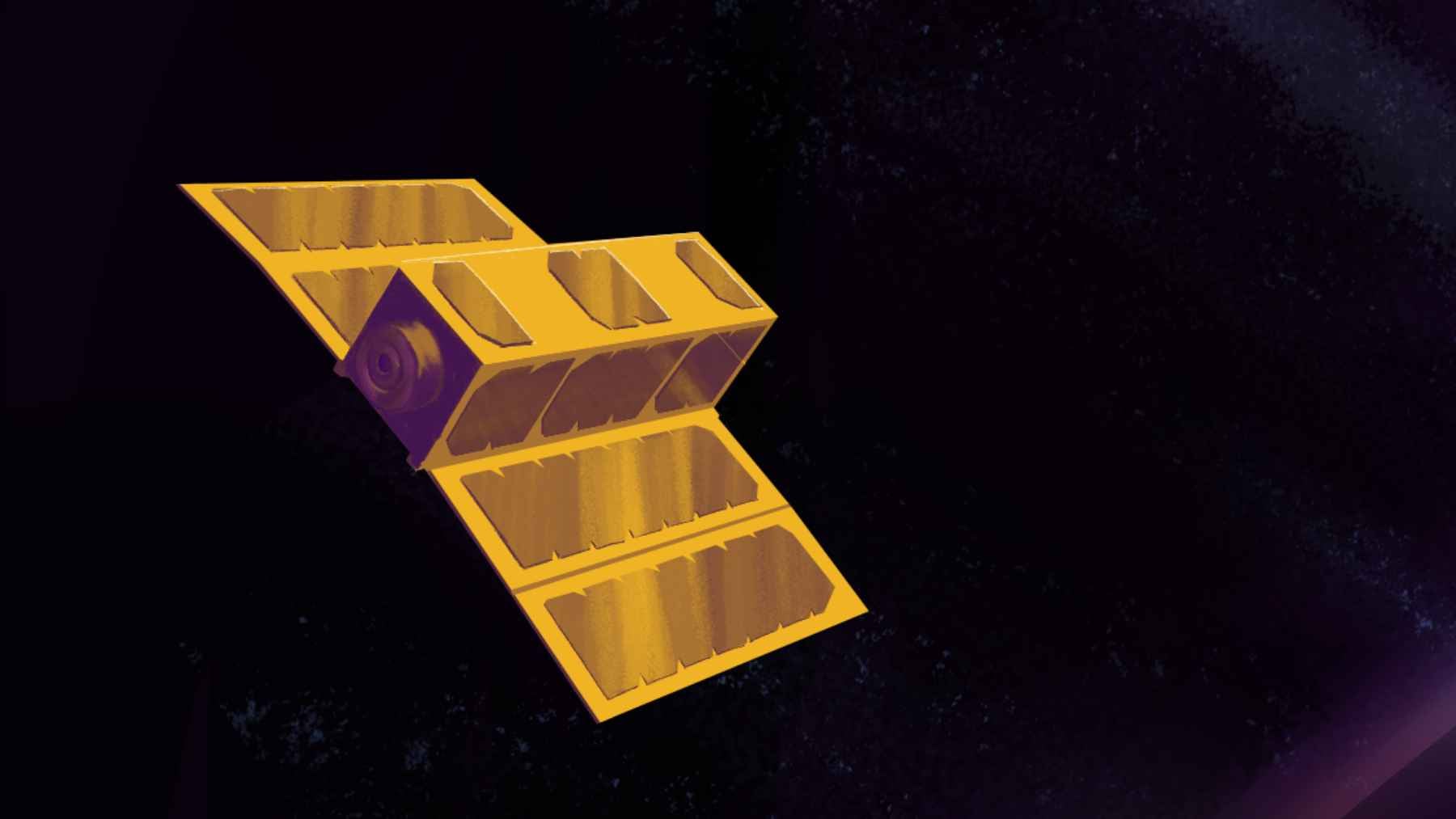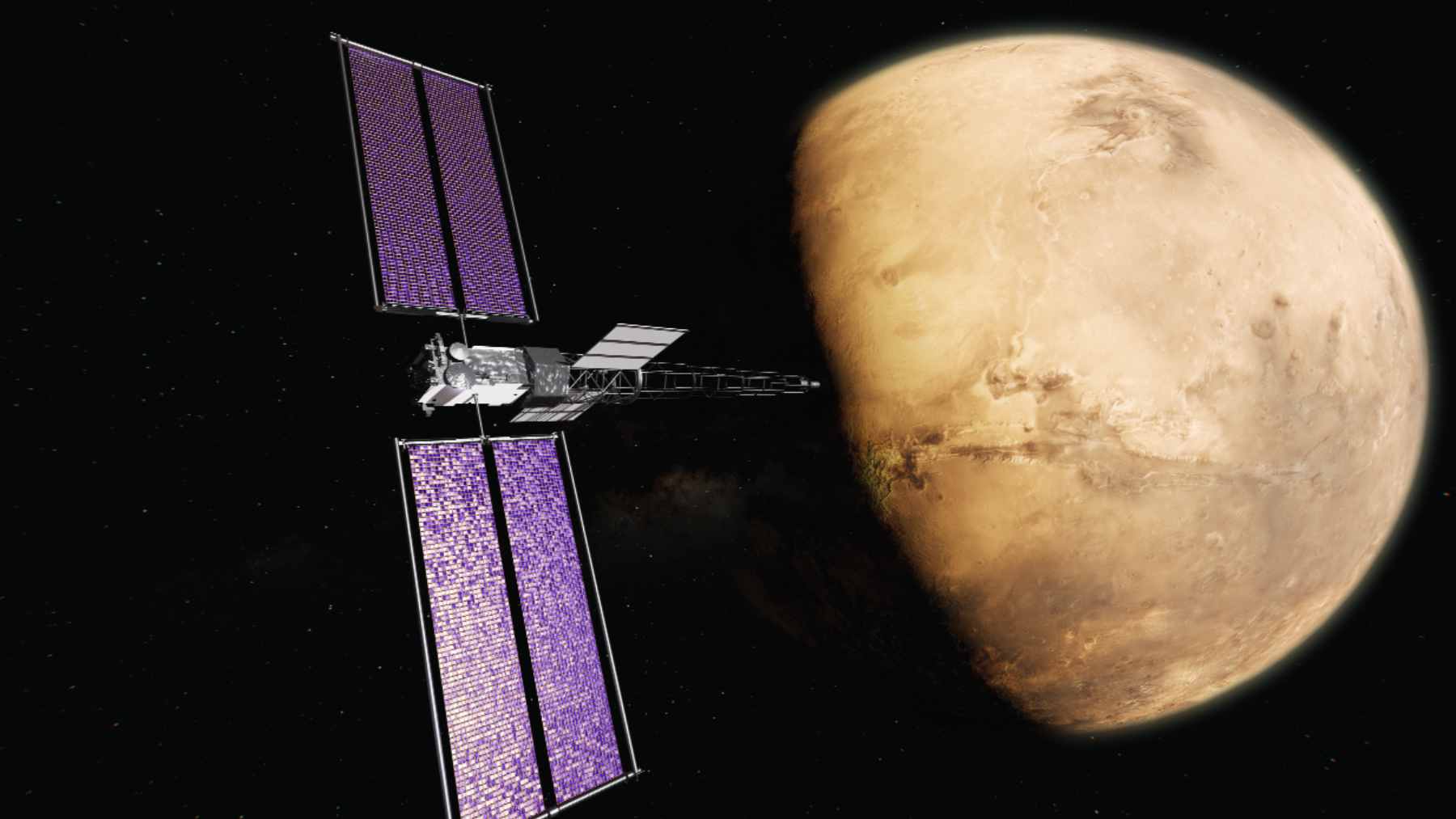
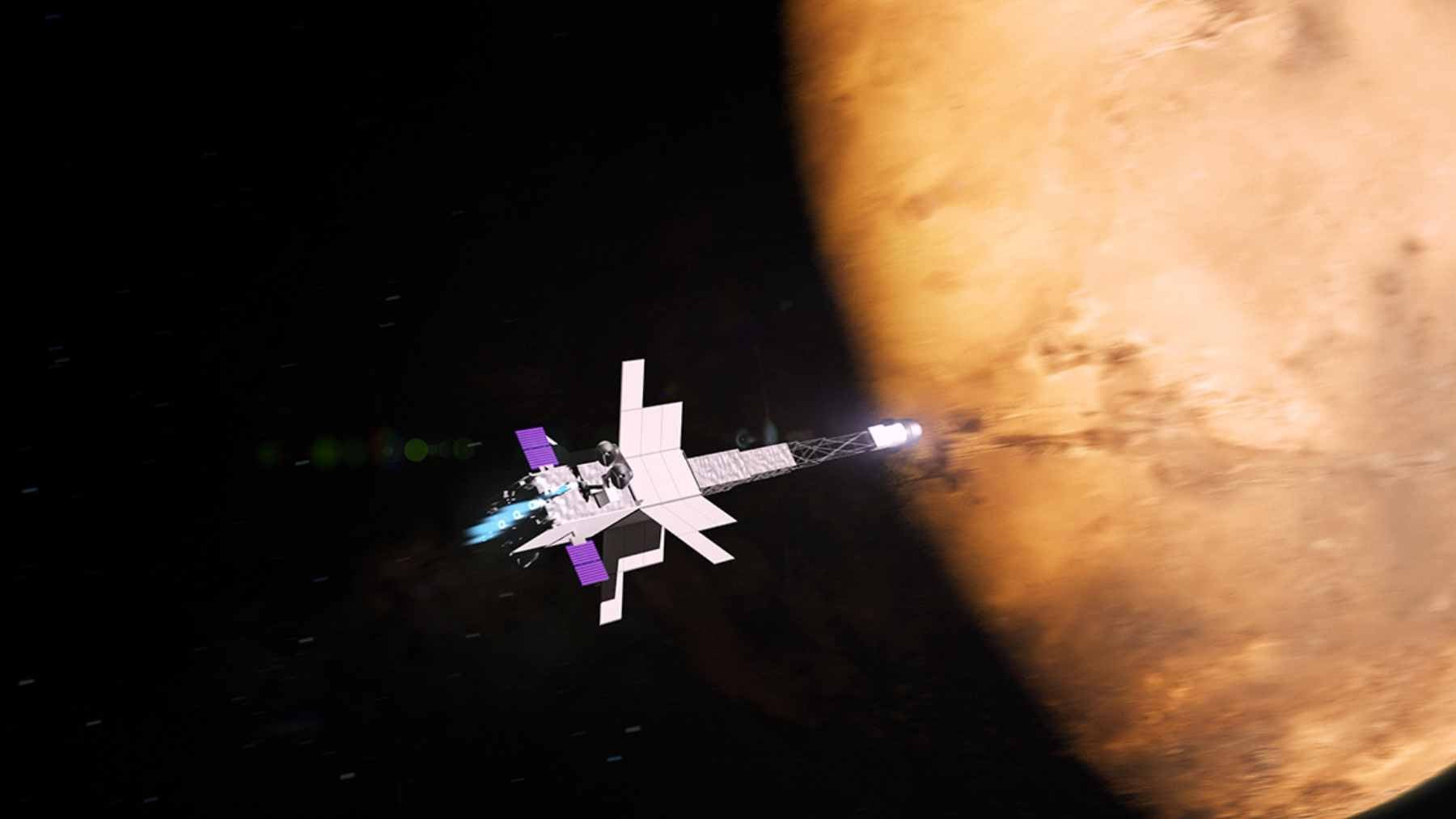
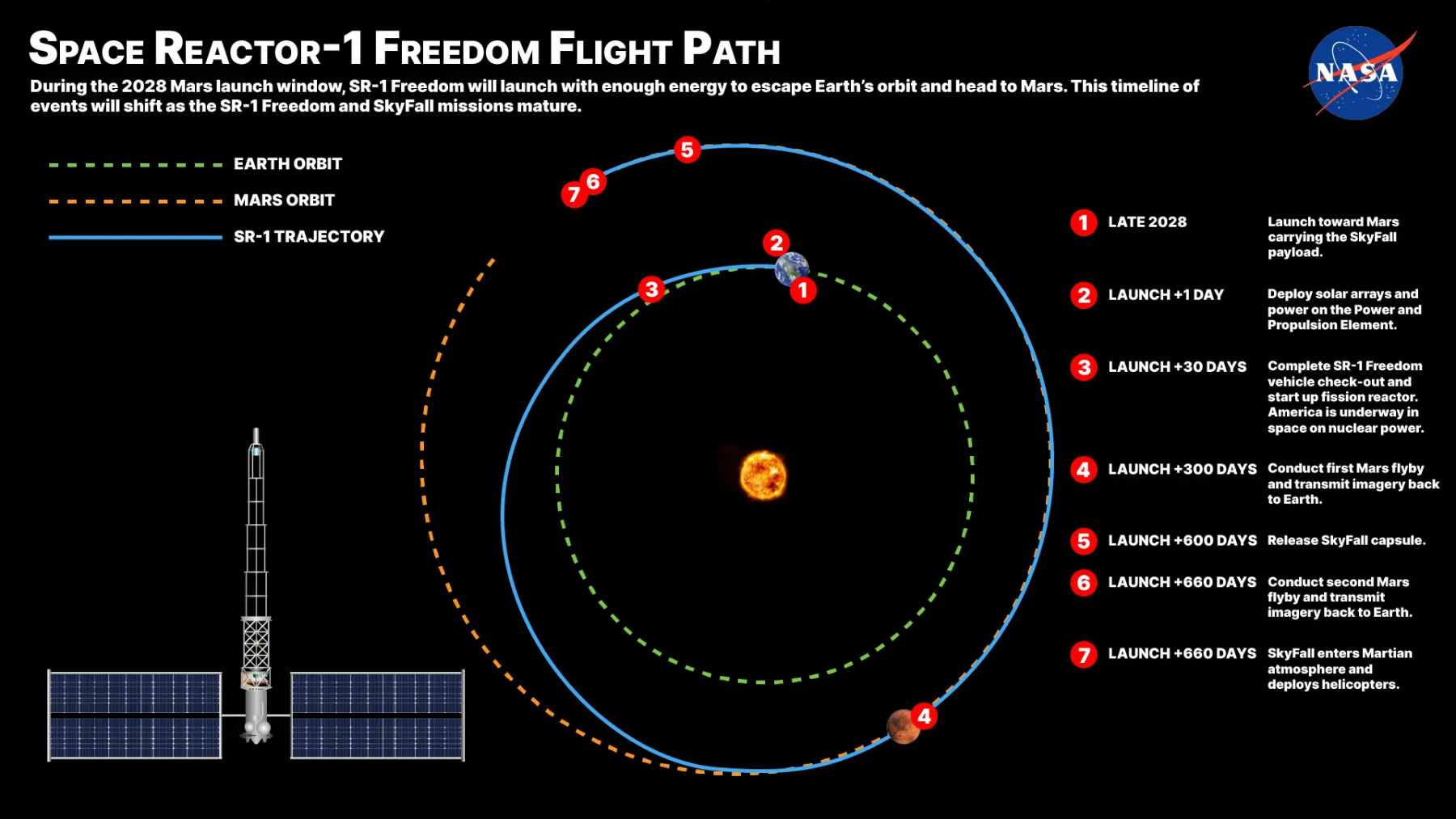
A spacecraft powered by a nuclear fission reactor is no longer just a sci-fi idea. NASA is targeting late 2028 for Space Reactor-1 Freedom, a Mars-bound mission the agency describes as humanity’s first fission-powered interplanetary spacecraft, designed to demonstrate nuclear electric propulsion in deep space.
The appeal is easy to understand. Nuclear systems can make electricity where sunlight is weak, blocked, or gone for too long, which matters on the Moon, Mars, and farther out in the solar system.
The harder question, however, is not only whether engineers can build these machines, it is how safely nations and companies can use them when a mistake in space can become a problem back on Earth.
A nuclear path to Mars
SR-1 Freedom is meant to show that a compact fission reactor can generate electricity for high-efficiency electric thrusters. In practical terms, the reactor does not work like a chemical rocket blasting all its fuel at once. It produces power that can keep pushing a spacecraft over long distances.
NASA says the mission will also deliver SkyFall, a payload of three Mars helicopters evolved from the Ingenuity design. The goal is to collect science data, test exploration zones, and look for possible water sources on the Red Planet–a lot of ambition packed into one flight.
The spacecraft’s listed features include high-assay, low-enriched uranium fuel, a 20-kilowatt electric closed Brayton cycle power system, and a total weight of 26,455 lbs. For readers at home, that is not a giant power plant in space, it is closer to a highly specialized flying testbed, built to prove what may come next.
The Moon needs steady power
NASA and the Department of Energy have also renewed their push to develop a lunar surface fission power system by 2030. According to NASA, such a reactor could provide continuous power for sustained lunar missions regardless of sunlight or temperature.
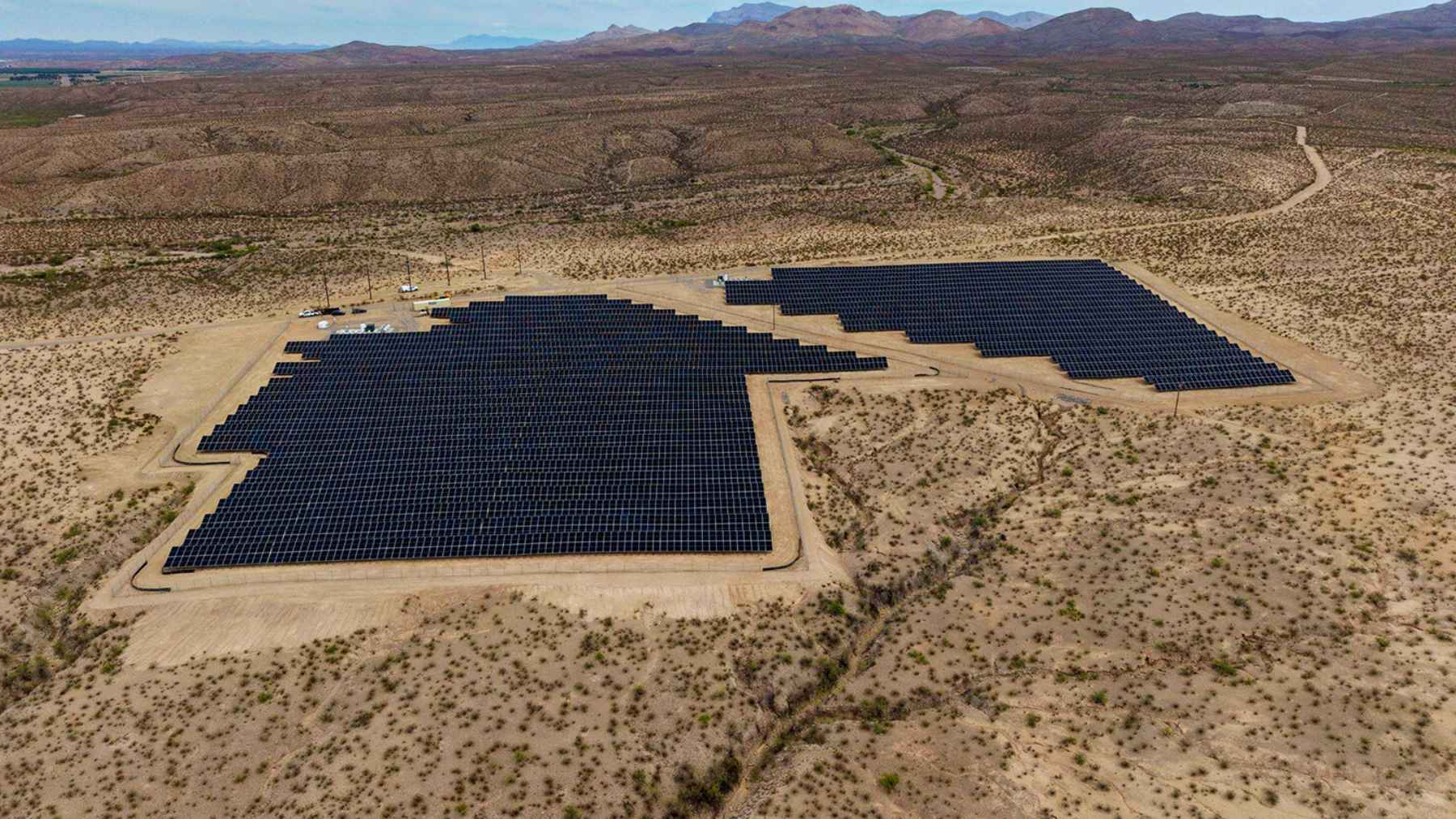
Why not just use solar panels? The Moon can go through nights that last about 14 Earth days, and the south pole includes places where sunlight is limited or unreliable. Imagine trying to keep a neighborhood running through a two-week blackout. That is the basic energy problem future lunar crews may face.
This is where nuclear power becomes attractive. A steady source of electricity could support habitats, communications, rovers, science labs, and equipment used to search for water ice. At the end of the day, staying on the Moon is not just about landing, it is about keeping the lights on.
This is not the first time
Nuclear power in space has been around for decades, although not always in the same form. NASA’s radioisotope power systems use heat from the natural decay of plutonium-238 to produce electricity and warmth for spacecraft.
Those systems have helped power missions from the Apollo era to Voyager, Curiosity, Perseverance, and New Horizons. NASA says radioisotope power systems have flown on 24 NASA missions, with five RPS-powered missions currently active.
Fission reactors are a different step. The United States launched SNAP-10A in 1965, and the Department of Energy says it was designed to start only after reaching orbit, reducing hazards on the ground. It produced more than 600 watts of electrical power after launch, but America did not build a steady line of space reactors after that.
The lesson from Kosmos 954
Any serious conversation about nuclear power in space has to look backward. In January 1978, the Soviet nuclear-powered satellite COSMOS 954 crashed in Canada’s Northwest Territories. Health Canada says the crash scattered radioactivity over about 48,000 square miles across Canada’s north.
The cleanup, called “Operation Morning Light,” involved Canada and the United States and continued into October 1978. According to Health Canada, only an estimated 0.1% of the satellite’s power source was recovered. That is the part that still makes regulators uneasy.
The point is not that every nuclear space mission is doomed. It is that launch failure, uncontrolled reentry, and end-of-life planning are not small details. They are the difference between a daring mission and a public trust crisis.
Space law has gaps
This is not about putting nuclear weapons in orbit. The 1967 Outer Space Treaty bars states from placing nuclear weapons or other weapons of mass destruction in orbit or on celestial bodies. Nuclear power sources, when used for energy or propulsion, sit in a different legal category.
The United Nations adopted principles on nuclear power sources in outer space in 1992. Those principles call for thorough safety assessments, risk analysis, and efforts to reduce accidental exposure to harmful radiation or radioactive material.
There is a catch, however. The UN Office for Outer Space Affairs says the later safety framework adopted in 2009 is voluntary guidance and is not legally binding under international law. That leaves national regulators with a lot of responsibility, even when the consequences of an accident may cross borders.
Business and defense are watching
NASA is not the only player in this story. The White House’s 2026 National Initiative for American Space Nuclear Power calls for design competitions, private-sector involvement, and work on reactors for orbit and the lunar surface. It also links space nuclear systems to scientific, exploration, and national security objectives.
That makes this a business story as much as a technology story. Space nuclear power could shape contracts, fuel supply chains, launch providers, reactor developers, and the next wave of lunar infrastructure. There is money here, and plenty of pressure.
There is also a defense angle. Reliable power in space can support communications, mobility, surveillance, and long-duration operations. That does not make every reactor a weapon, but it does mean the technology will be watched closely by rivals, allies, and regulators.
What to watch next
The next few years will show whether NASA can keep SR-1 Freedom on schedule, prove the hardware, and build enough confidence for a lunar reactor soon after. Deadlines matter, but safety matters more.
For the most part, the technology is trying to solve a real problem. Deep space is dark, cold, and unforgiving, and solar power will not always be enough. Still, the old lesson remains simple: nuclear power may help humanity travel farther, but responsibility has to make the trip, too.
The official statement was published on NASA.