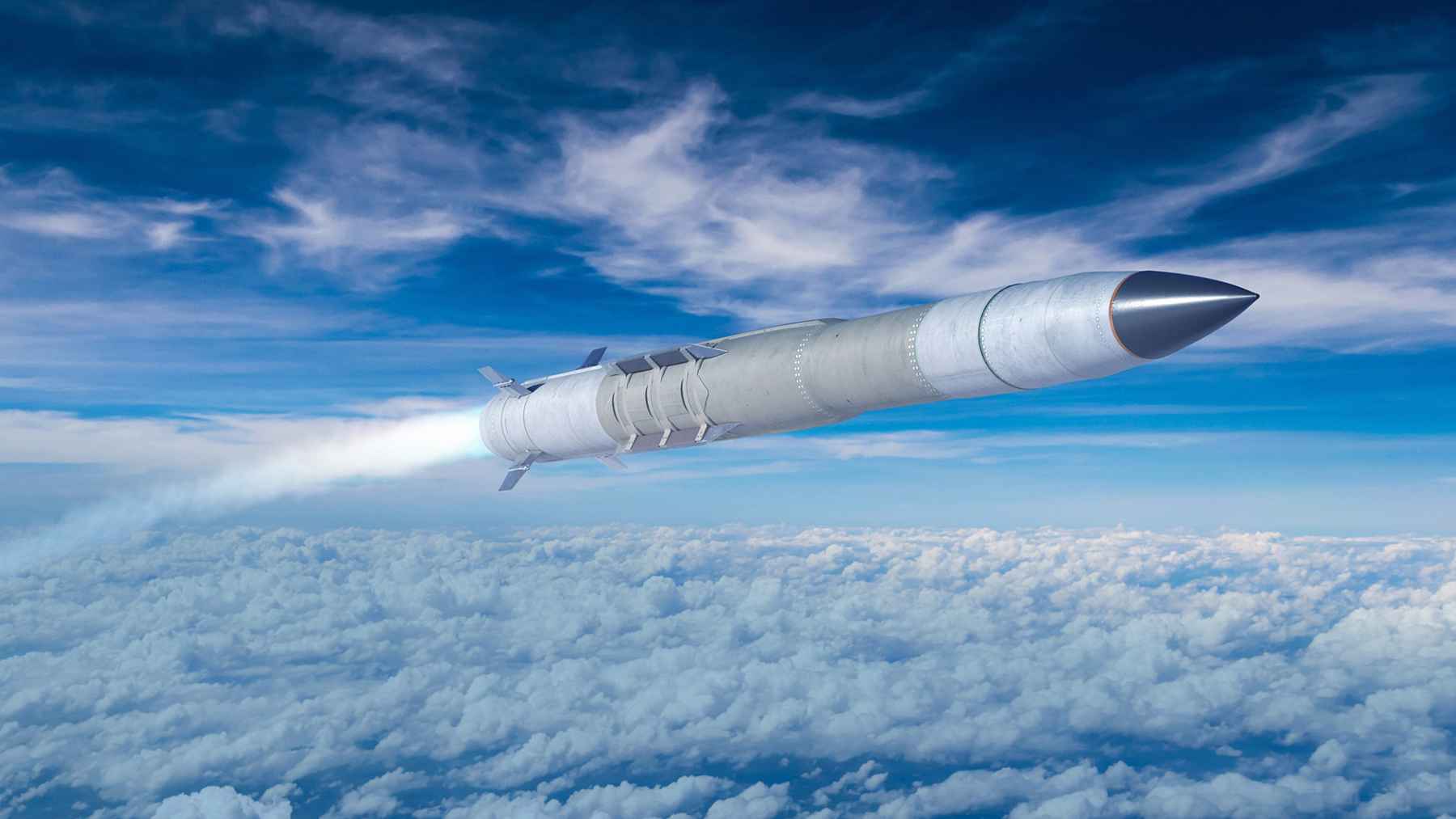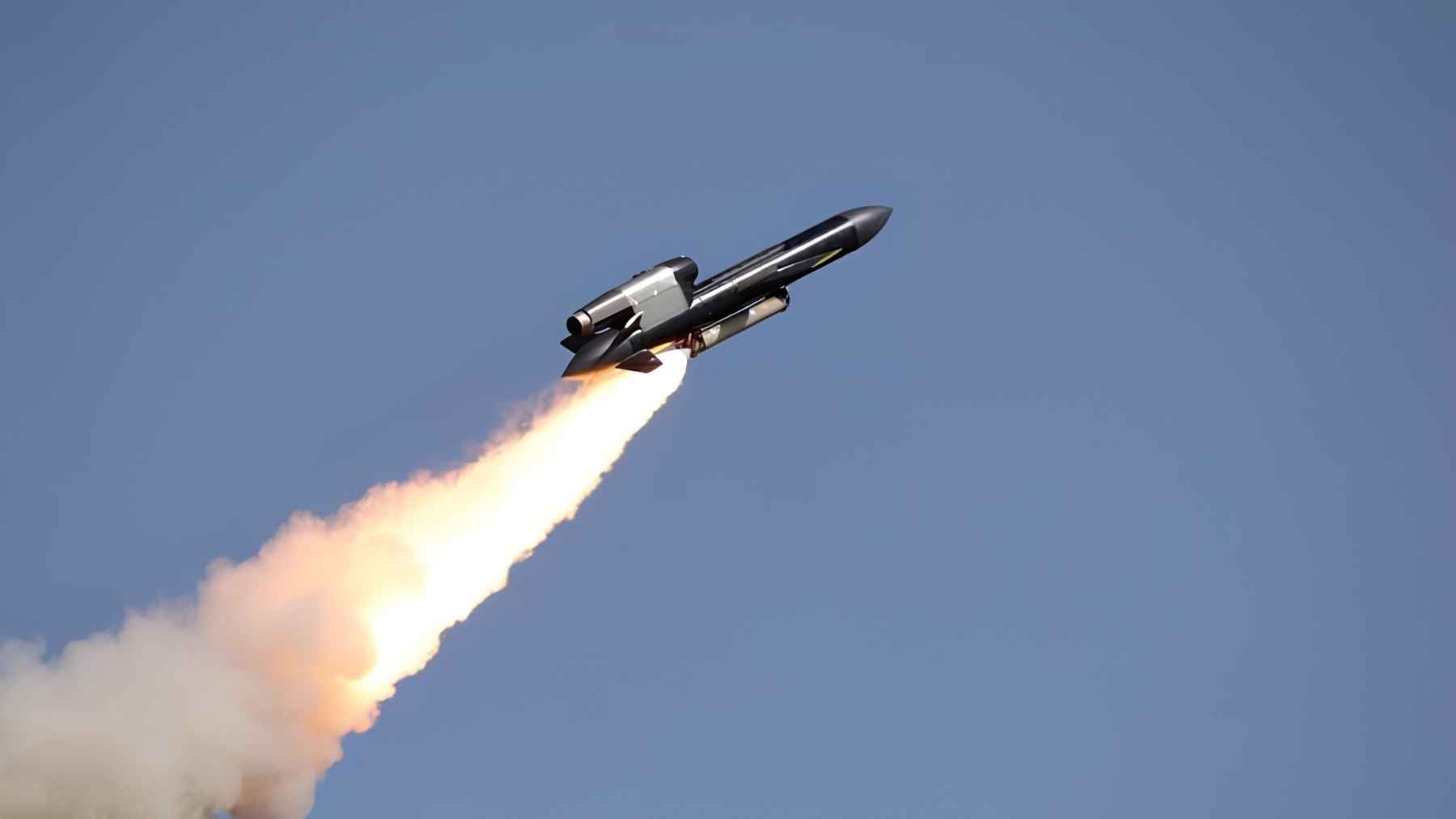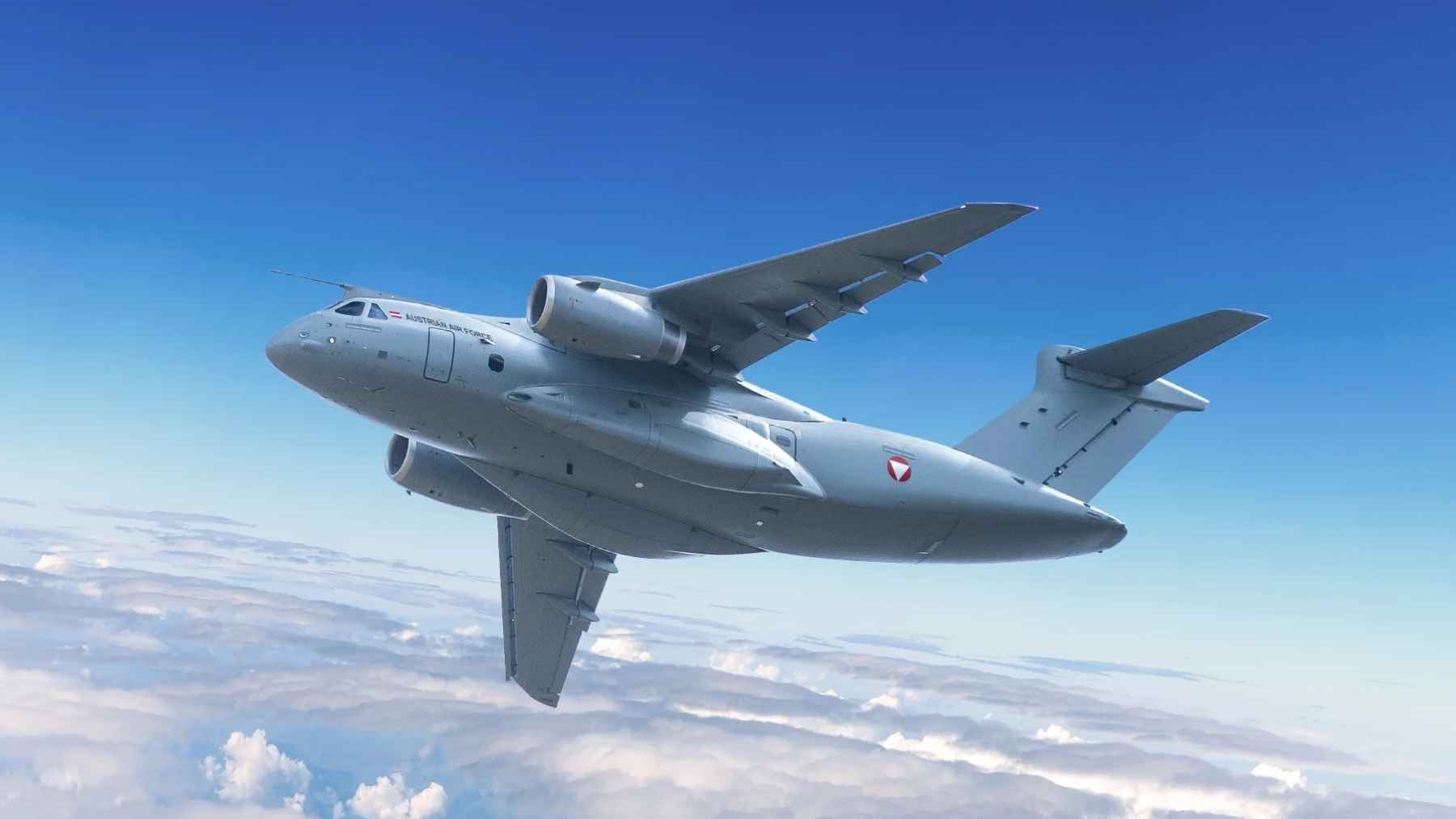
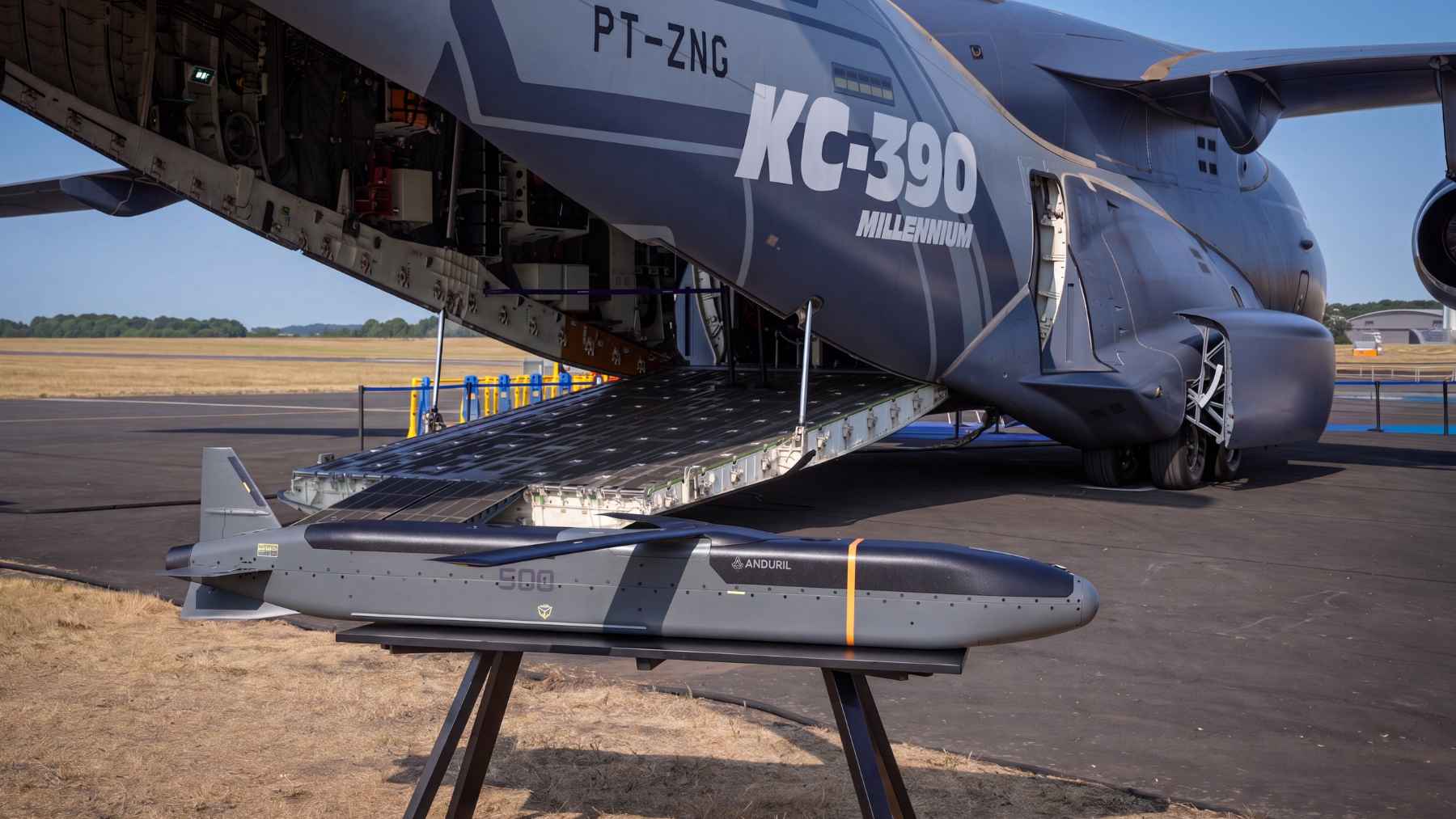
Brazilian aerospace company Embraer and U.S. defense technology firm Anduril have signed a memorandum of understanding to study integrating the pallet-launched Barracuda-500M stand-off cruise missile with the C-390 Millennium.
Announced at the Farnborough International Airshow on July 21, 2026, the concept could let a military transport aircraft release dozens of weapons while preserving its basic airlift role.
That is the real shift. The project is not a completed integration or a confirmed purchase, but it points toward a future in which one aircraft can move cargo one day and support long-range strike missions the next. The announcement did not provide a development schedule, contract value, customer order, or environmental assessment.
A cargo plane with a new role
The proposed system relies on palletized launch rather than turning the C-390 into a permanently modified bomber. Mission equipment could be rolled into the cargo bay and deployed using conventional aerial-delivery procedures, allowing the aircraft to keep its transport configuration for other assignments.
Why does that matter? Air forces could gain an additional launch platform from fleets they already operate, which may increase flexibility during dispersed operations. Still, the companies have only agreed to explore the integration, so claims about combat readiness would be premature.
Bosco Da Costa Junior, president and CEO of Embraer Defense & Security, called the partnership “another important step in the evolution of the C-390 Millennium.” He said the work is intended to expand the aircraft’s ability to support palletized kinetic and non-kinetic effects without abandoning its multi-mission design.
What the Barracuda-500M promises
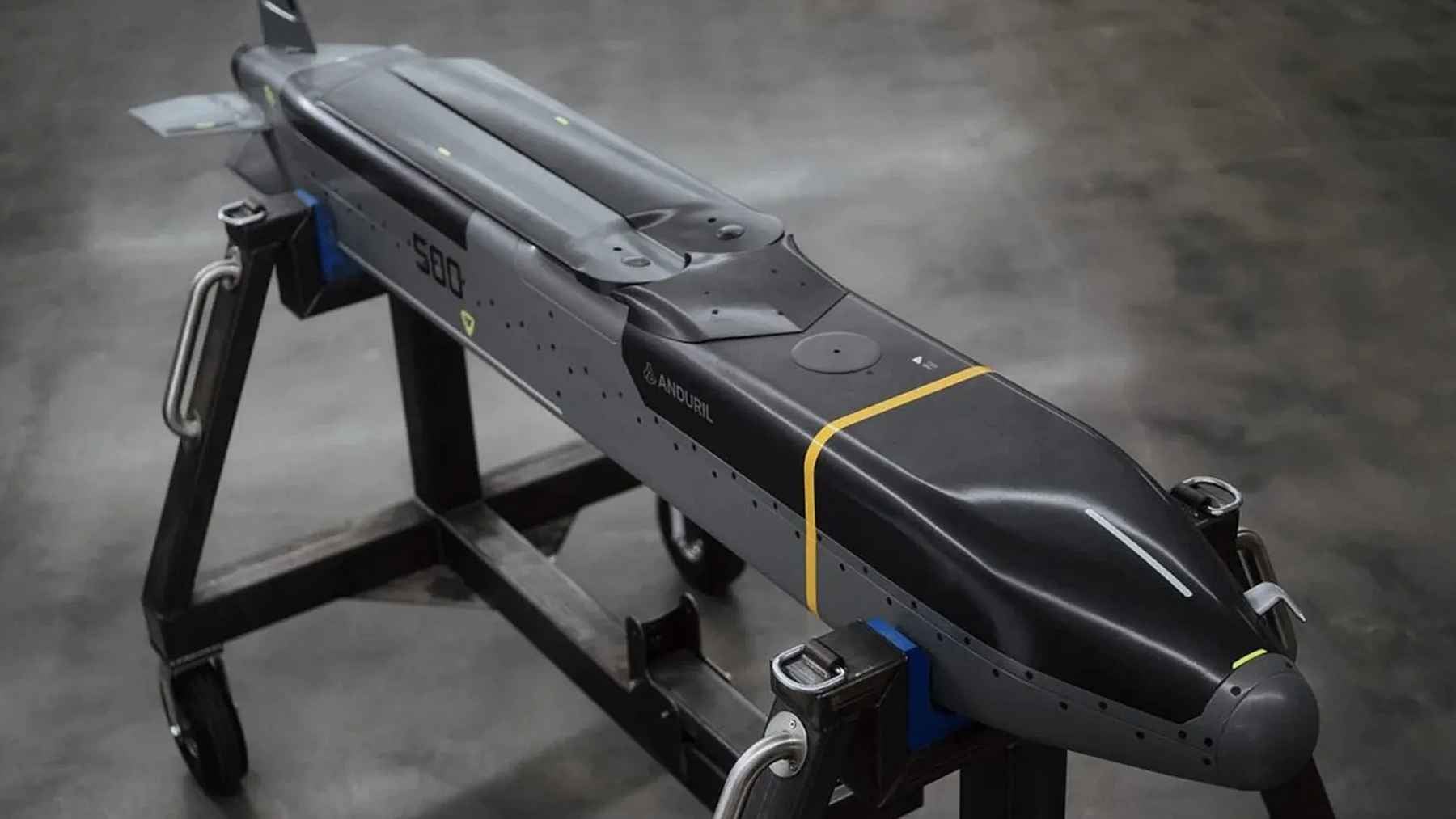
Anduril presents the Barracuda-500M as an affordable cruise missile that can be manufactured at scale and used to rebuild U.S. and allied inventories. “Affordable” is the company’s description, however, and the announcement included no unit price or independent cost comparison.
The palletized model is designed to let an airlifter launch dozens of munitions during one mission. The transport aircraft becomes a flying magazine, although the companies have not said how many B-500Ms a C-390 would carry. They say the approach supports large-scale, cost-effective employment, but those claims remain to be demonstrated on this aircraft.
Anduril reported its first successful flight test of a pallet-launched B-500M in September 2024. Since then, it says dozens of tests have covered networked collaborative autonomy, terminal engagement, and payload performance, building evidence that the wider Barracuda-500 design is maturing.
Why the C-390 is central
The C-390 can carry about 57,300 pounds and reach roughly 541 mph, according to Embraer. It is designed for cargo and troop transport, personnel and equipment drops, medical evacuation, search and rescue, firefighting, and humanitarian relief, including operations from temporary or unpaved runways.
A quick-install air-to-air refueling kit also allows the jet to work as either a tanker or a receiver. The aircraft has been selected by 12 air forces, including Brazil, Portugal, Hungary, South Korea, the Netherlands, Austria, the Czech Republic, Uzbekistan, Sweden, the United Arab Emirates, Slovakia, and Lithuania.
That installed customer base is commercially important. A successful roll-on and roll-off missile package could be offered as an added capability without requiring every operator to buy a separate strike aircraft, although no C-390 customer has been identified as a buyer for the Barracuda concept.
The dual-use tension
The same airframe that may launch cruise missiles is also promoted for wildfire response and disaster relief. That contrast is hard to miss because the aircraft’s public-service missions place it in a very different role from long-range strike.
From an environmental perspective, the announcement leaves major questions unanswered. It contains no figures for additional fuel use, manufacturing emissions, hazardous materials, noise, debris, or the lifecycle footprint of producing and deploying large volumes of missiles.
There are competing possibilities. Using an existing transport fleet could reduce demand for a separate class of specialized aircraft, but a concept built around massed launches could also increase sortie rates and munitions consumption. Without published data, it would be misleading to call the plan more resource-efficient or environmentally preferable.
Business strategy behind the deal
For Embraer, the agreement expands the C-390 beyond tactical transport and strengthens its pitch as a modular platform. That can increase the value of each aircraft over its service life, especially when customers want new capabilities without waiting for a clean-sheet airplane.
For Anduril, the partnership opens access to a growing international fleet and supports its broader effort to sell rapidly producible munitions to the United States and allied countries. The company has also cited a recent U.S. procurement framework and a localized production agreement with Poland’s PGZ.
The strategy is straightforward. Instead of tying a weapon to one purpose-built aircraft, Anduril is trying to make it compatible with transport platforms that are already moving through allied procurement systems. That could speed adoption, but only if integration, testing, and customer funding follow.
What comes next
The memorandum starts a joint effort, not a fielded capability. Embraer and Anduril have not announced when C-390 integration tests will begin, which operators might participate, or when a deployable version could become available.
The next meaningful milestone will be evidence from the aircraft itself. Until then, the Barracuda-500M and C-390 combination is best understood as a potentially important defense concept, one that could blur the line between transport and long-range strike aviation while leaving cost and environmental impacts unresolved.
The official press release was published by Embraer.