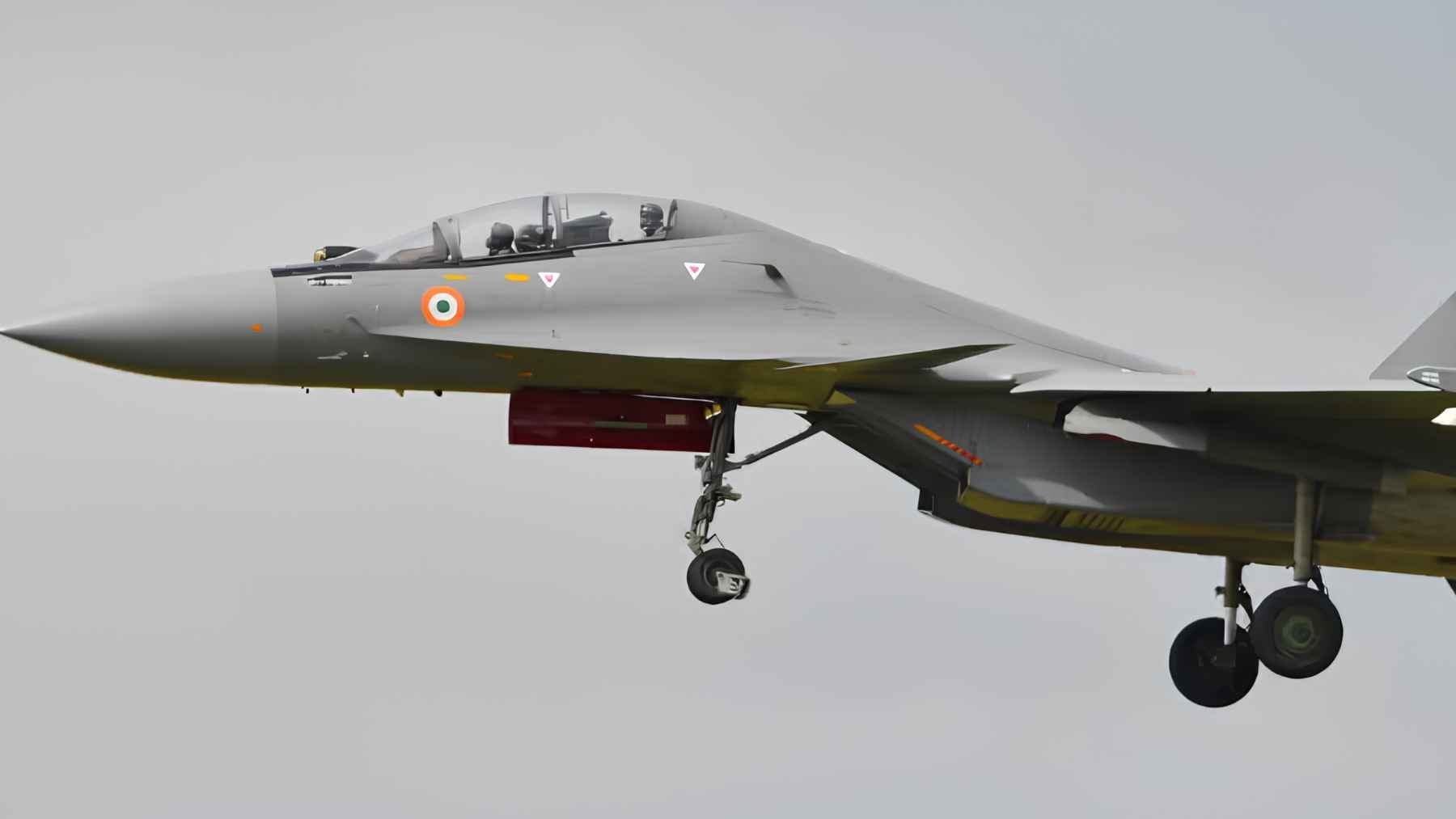
Hindustan Aeronautics Limited has moved India’s order for 12 additional Su-30MKI fighters from contract paperwork into industrial execution. The aircraft will be assembled at HAL’s Nashik division with 62.6% domestic content under a deal worth about $1.6 billion when it was signed.
The schedule, however, shows why this is not a quick answer to India’s fighter shortage. HAL says one aircraft is due in fiscal 2027-28, which ends in March 2028, while the other 11 are scheduled for fiscal 2028-29. This small batch is better understood as an industrial bridge and a supply chain test than as a dramatic expansion of combat power.
Production has moved beyond paper
India’s Ministry of Defense signed the contract with HAL on Dec. 12, 2024. The package includes the 12 aircraft and associated equipment, with taxes and duties included in the original price.
By May 2026, HAL said it had placed the required purchase orders for the Su-30 program and was receiving components, although some arrivals were slow because of the geopolitical situation. Company executives also said structural work was moving forward according to plan. , the factory is no longer waiting for a political decision.
A small order with a large role
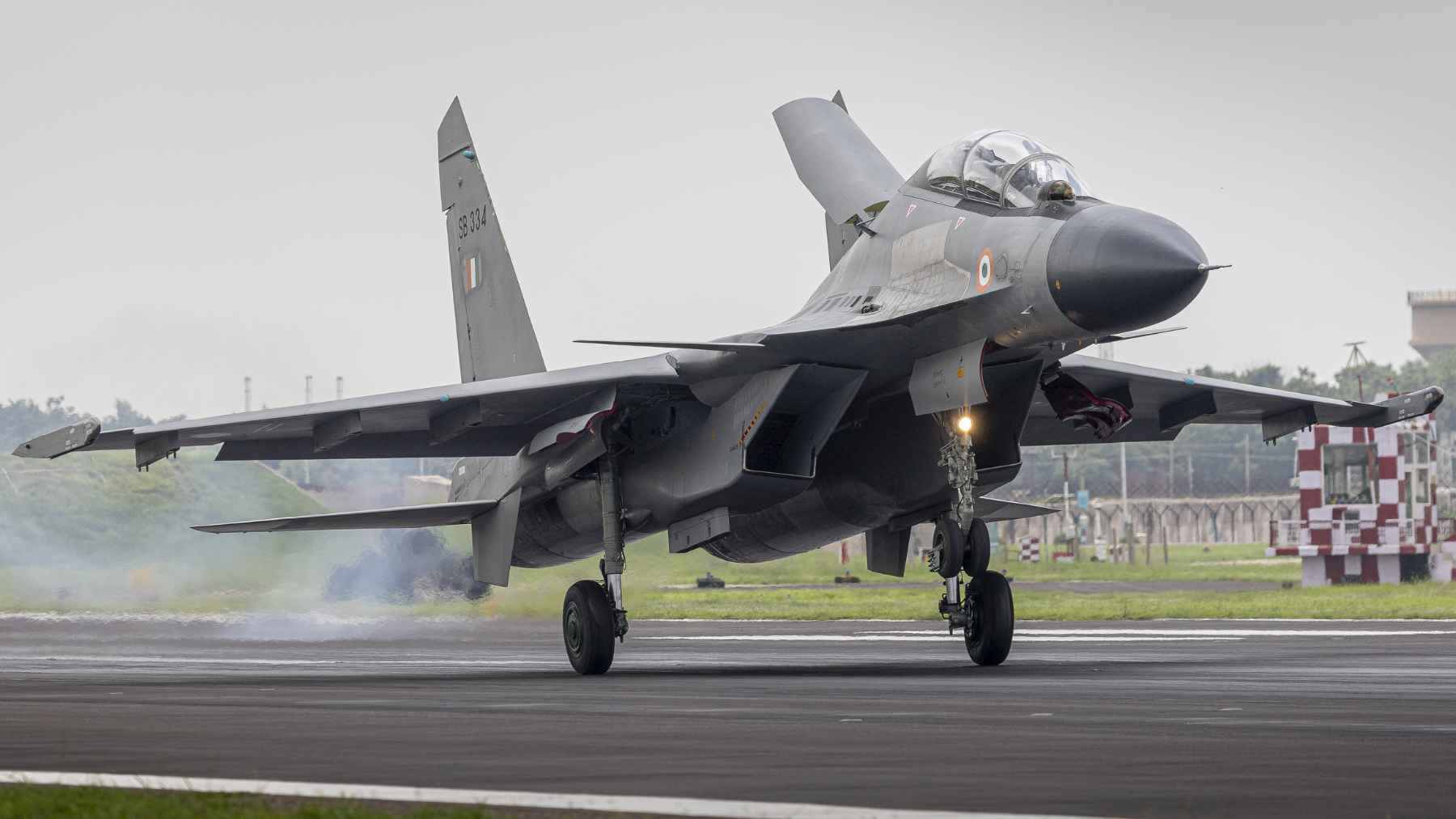
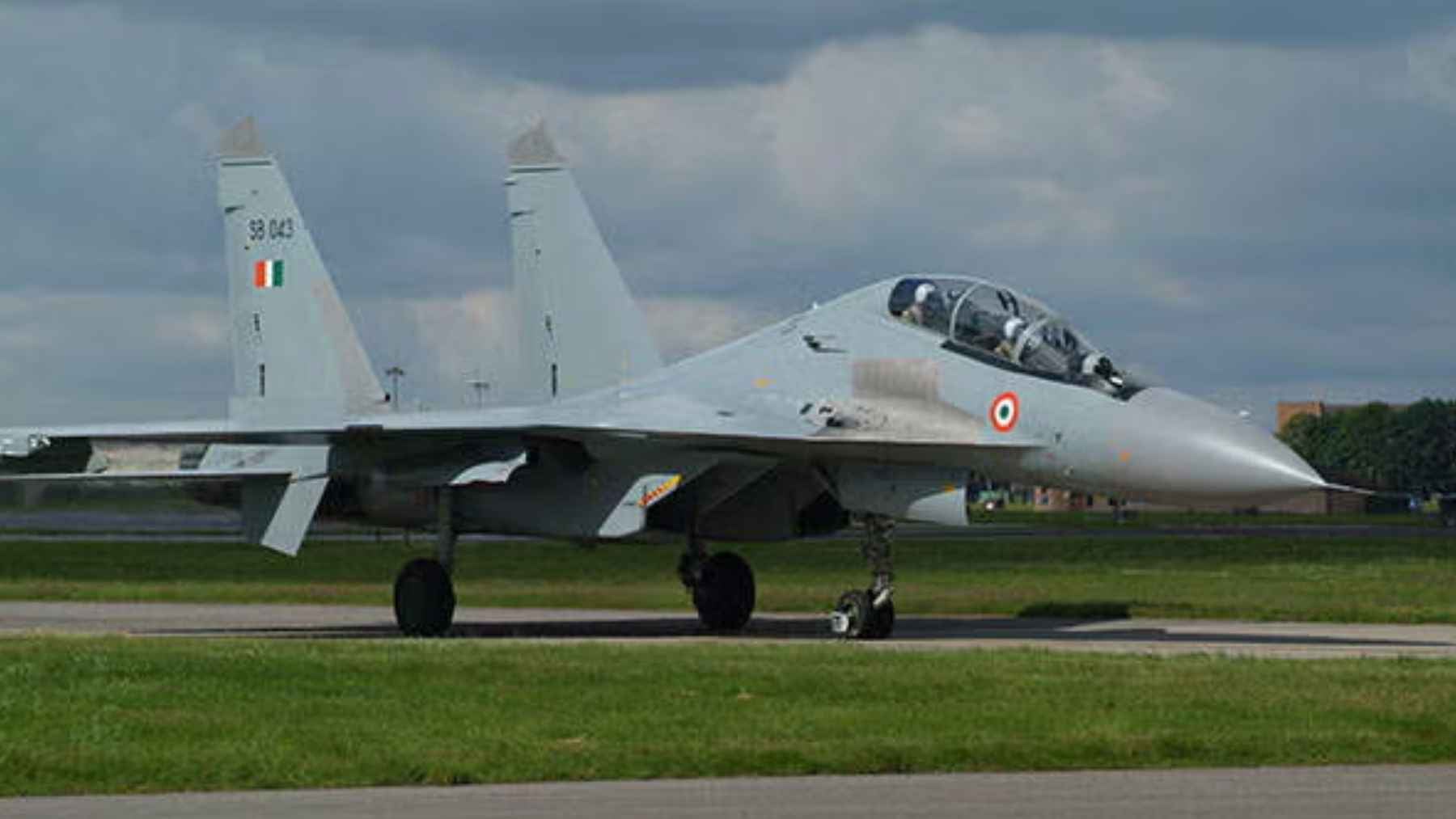
So what does a dozen aircraft really change? The Indian Air Force operates roughly 260 Su-30MKIs, making the type the central pillar of its combat fleet, so the new batch will reinforce an existing system rather than create a new one.
The industrial value may be just as important. Keeping Nashik active protects specialized tooling, engineering knowledge, maintenance expertise, and supplier relationships that would be costly to rebuild after a long shutdown. Think of the order as a bridge that keeps people and machines moving while India decides how far to modernize the wider Su-30MKI fleet.
The Air Force cannot wait
India’s last MiG-21 fighters were retired in September 2025, leaving the Air Force with about 29 fighter squadrons against a long-standing benchmark of 42. A typical squadron has around 16 to 18 aircraft, so this entire order would not fill even one complete unit.
That is why delivery timing matters more than the headline number. India faces planning demands involving both China and Pakistan, while several replacement programs are still moving through production, testing, or procurement. The Su-30MKI is already integrated into training, maintenance, and operational planning, which makes another small batch useful even if it cannot close the broader gap.
Local content cuts risk, not dependence
The official 62.6% domestic-content figure is a meaningful increase in Indian industrial participation. It should support local manufacturers and give HAL more control over parts of the production chain.
But it also means more than one-third of the value is not domestic. HAL’s own warning about slower component receipts shows that local assembly is a shock absorber, not a sealed border. The real measure of self-reliance will be whether Indian suppliers can deliver certified parts consistently, not simply whether final assembly happens in Nashik.
The environmental case is incomplete
Local content is usually presented as an economic and strategic gain. It also raises a quieter environmental question that the official announcement does not answer. The contract notice gives the cost, domestic share, production site, and operational purpose, but no lifecycle emissions estimate or targets for factory energy, water, waste, and material use.
Making more parts closer to the assembly line could reduce some transport and simplify repairs. Still, “made locally” does not automatically mean “made sustainably.” For the most part, the footprint will depend on the electricity used in manufacturing, the sourcing of metals and other materials, maintenance practices, and the fuel burned during decades of flight operations.
That missing information matters. A modern defense-industrial policy can measure readiness and resource use at the same time, especially when public money is supporting a long-lived platform. Without a transparent baseline, the environmental benefit of localization remains possible, not proven.
Tejas delays raise the pressure
HAL is managing this work while facing scrutiny over delayed Tejas Mk1A deliveries. In May 2026, the company said it had received six GE F404 engines and hoped to begin handing over aircraft in August or September after remaining testing refinements were resolved.
Indian reporting in June said the Defense Ministry was considering contractual penalties because the Tejas schedule had slipped. That does not mean the Su-30 program will suffer the same fate, but it does show how thin the margin for error has become. Suppliers, testing teams, production lines, and customer confidence all have to move together.
What happens next
The first milestone to watch is not a ceremonial rollout. It is whether HAL can keep components flowing, complete structural assembly, finish testing, and deliver the first aircraft by the end of March 2028, followed by the remaining 11 during the next fiscal year.
At the end of the day, these 12 fighters are a holding move with outsized consequences. On-time delivery would strengthen the Air Force, preserve a key industrial base, and validate India’s localization strategy. A delay would deepen doubts already created elsewhere, while a lack of environmental reporting would leave an important part of the public-interest case unanswered.
The official earnings call transcript was published on Hindustan Aeronautics Limited.