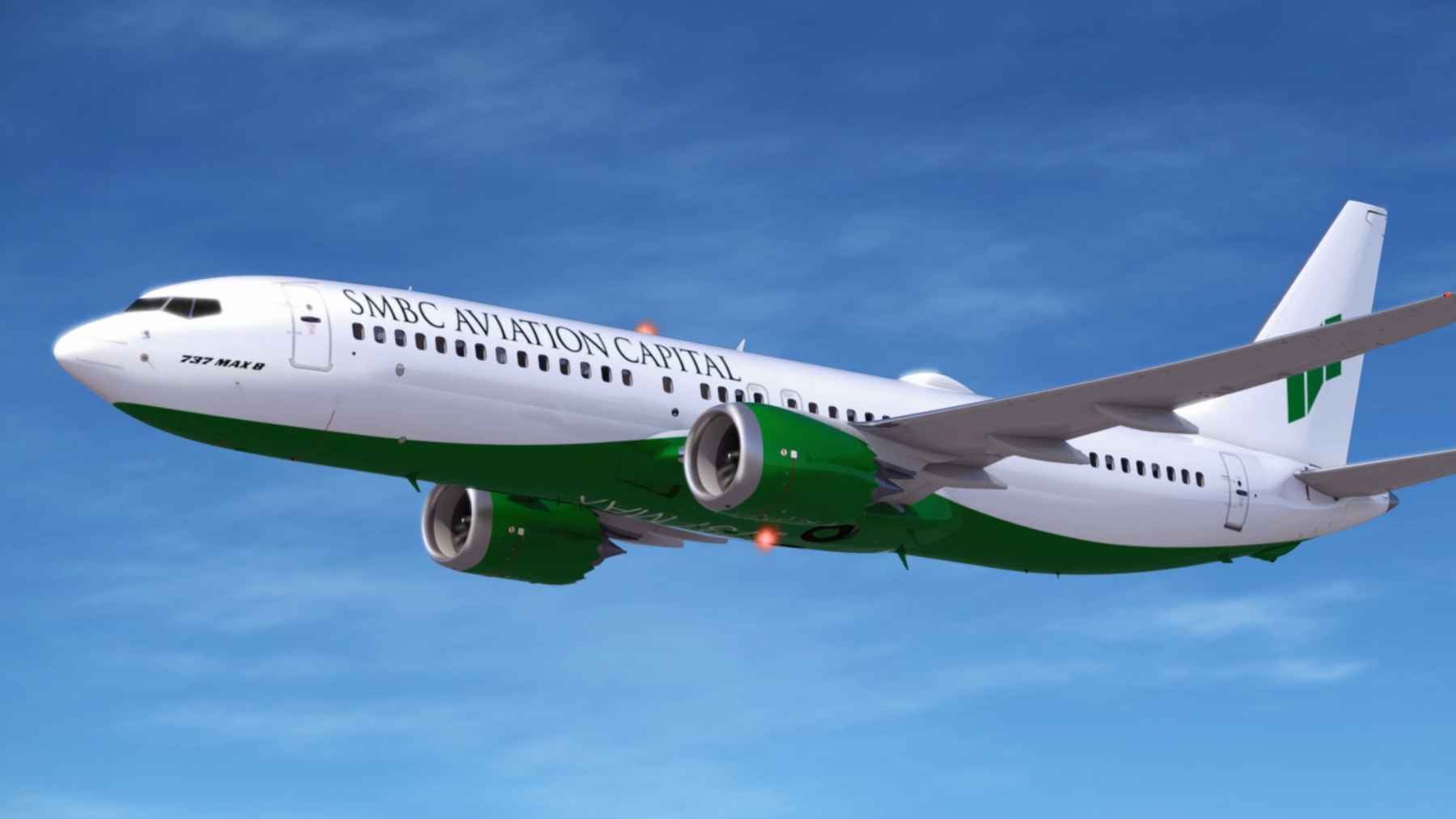
A single aircraft leasing company has handed Airbus and Boeing one of the biggest shared wins of the 2026 Farnborough International Airshow. On July 20, SMBC Aviation Capital ordered 100 jets from each manufacturer, creating a 200-aircraft pipeline that will stretch into the mid-2030s.
The symmetry is the real story. Rather than bet on one winner in the Airbus-Boeing rivalry, SMBC is buying the largest single-aisle models its airline customers increasingly want, while locking in aircraft that promise lower fuel consumption and carbon emissions than previous-generation planes. That sounds like a climate win, but there is an important catch.
A record day for a leasing giant
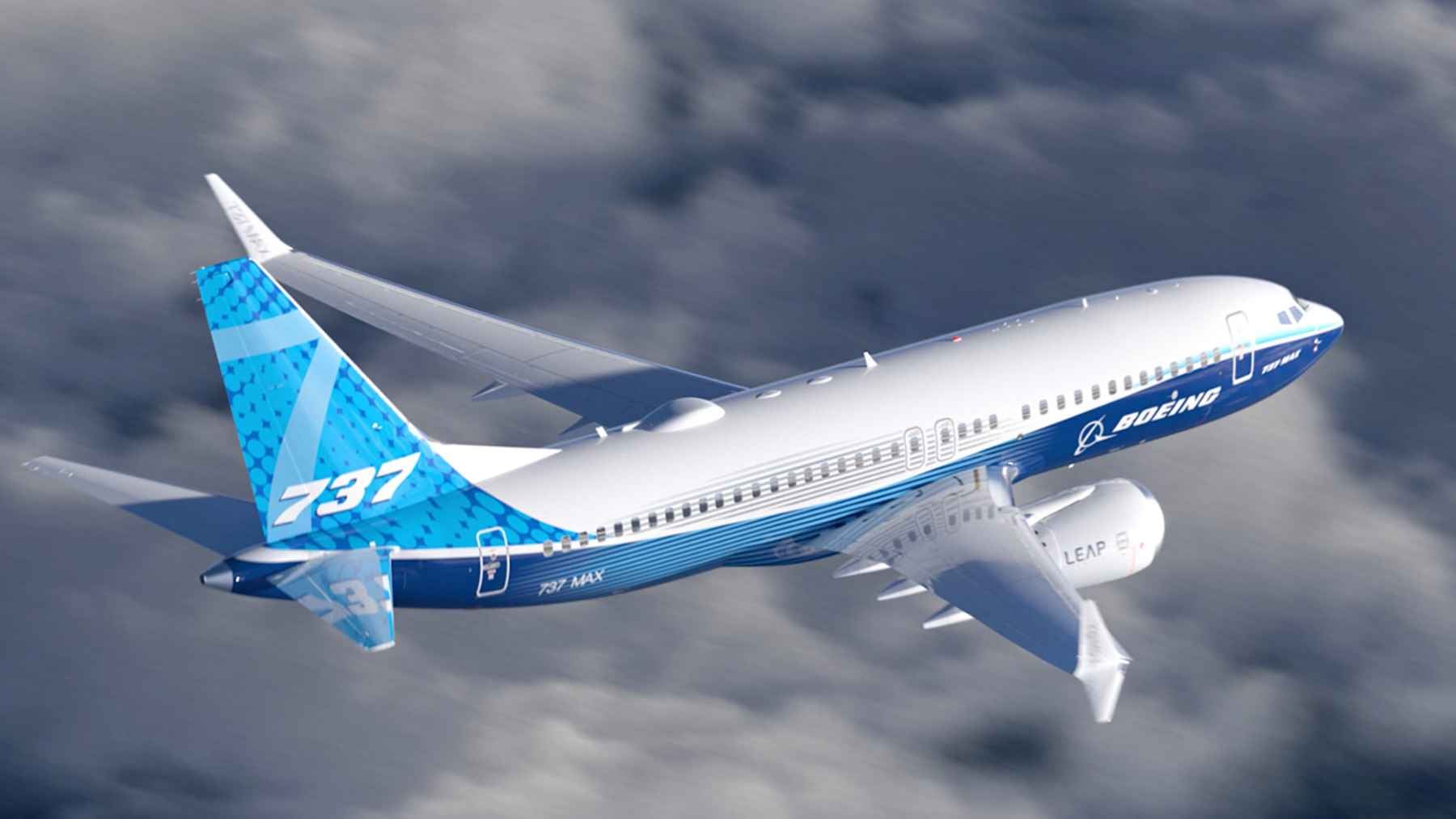
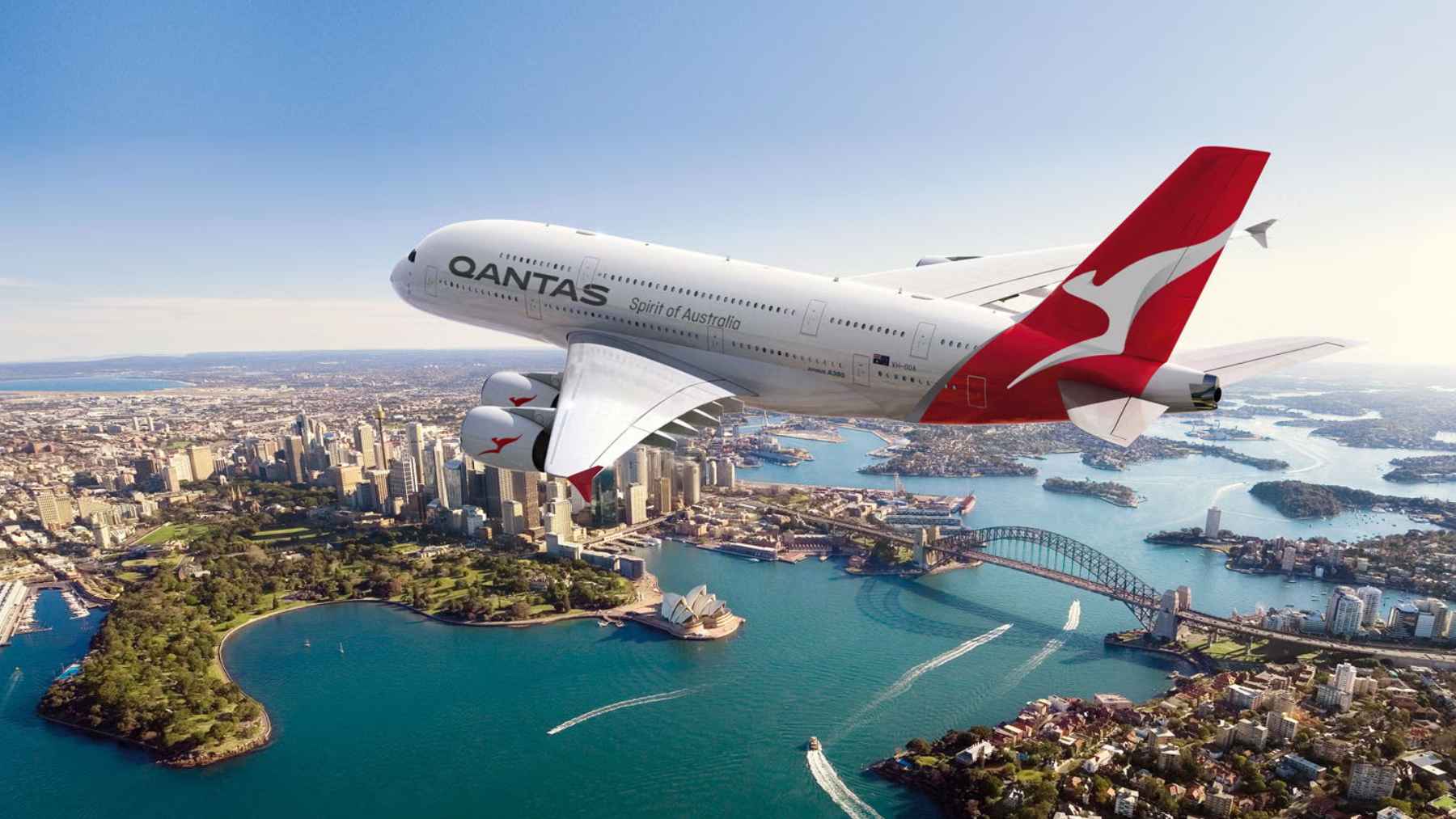
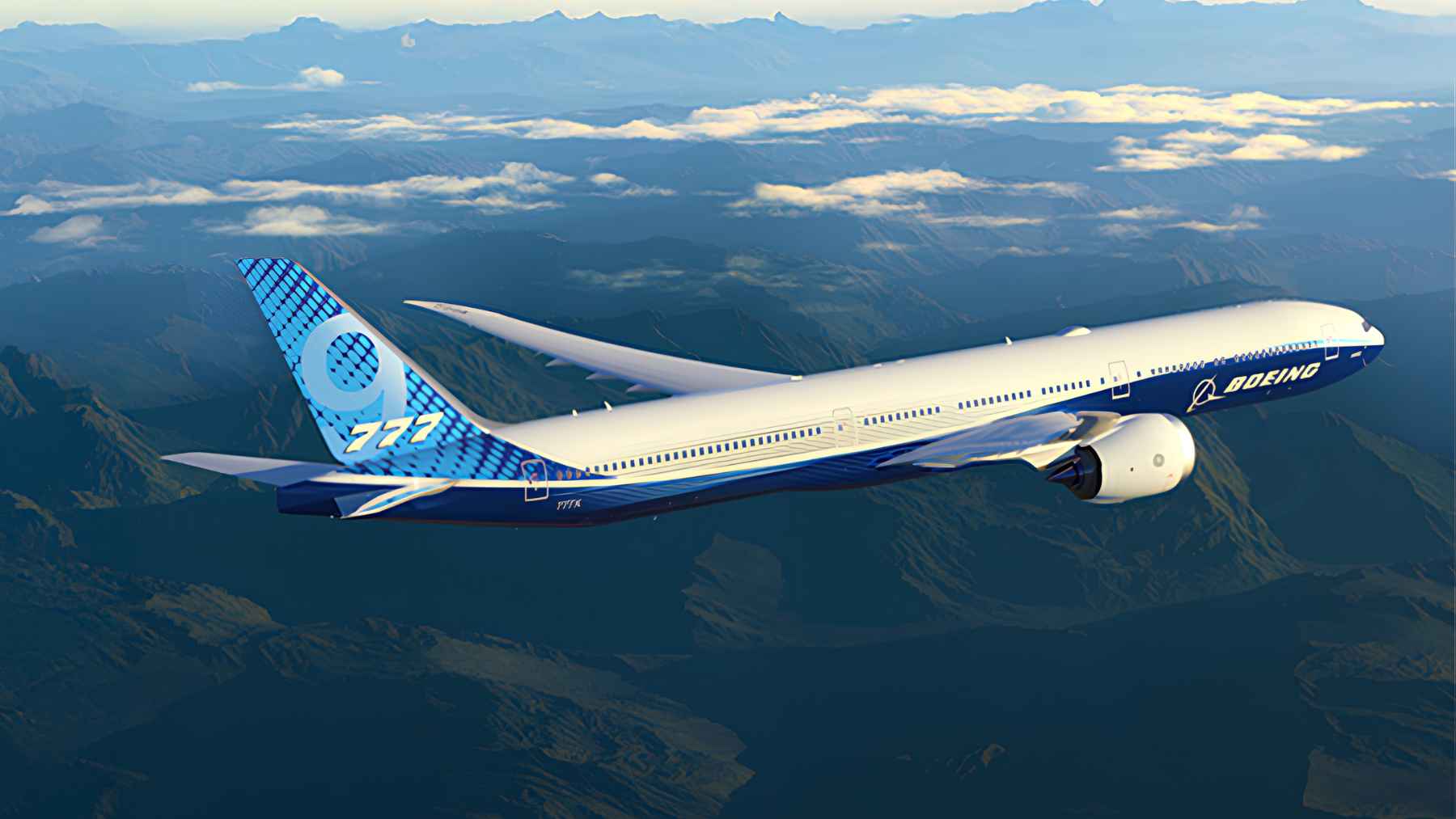
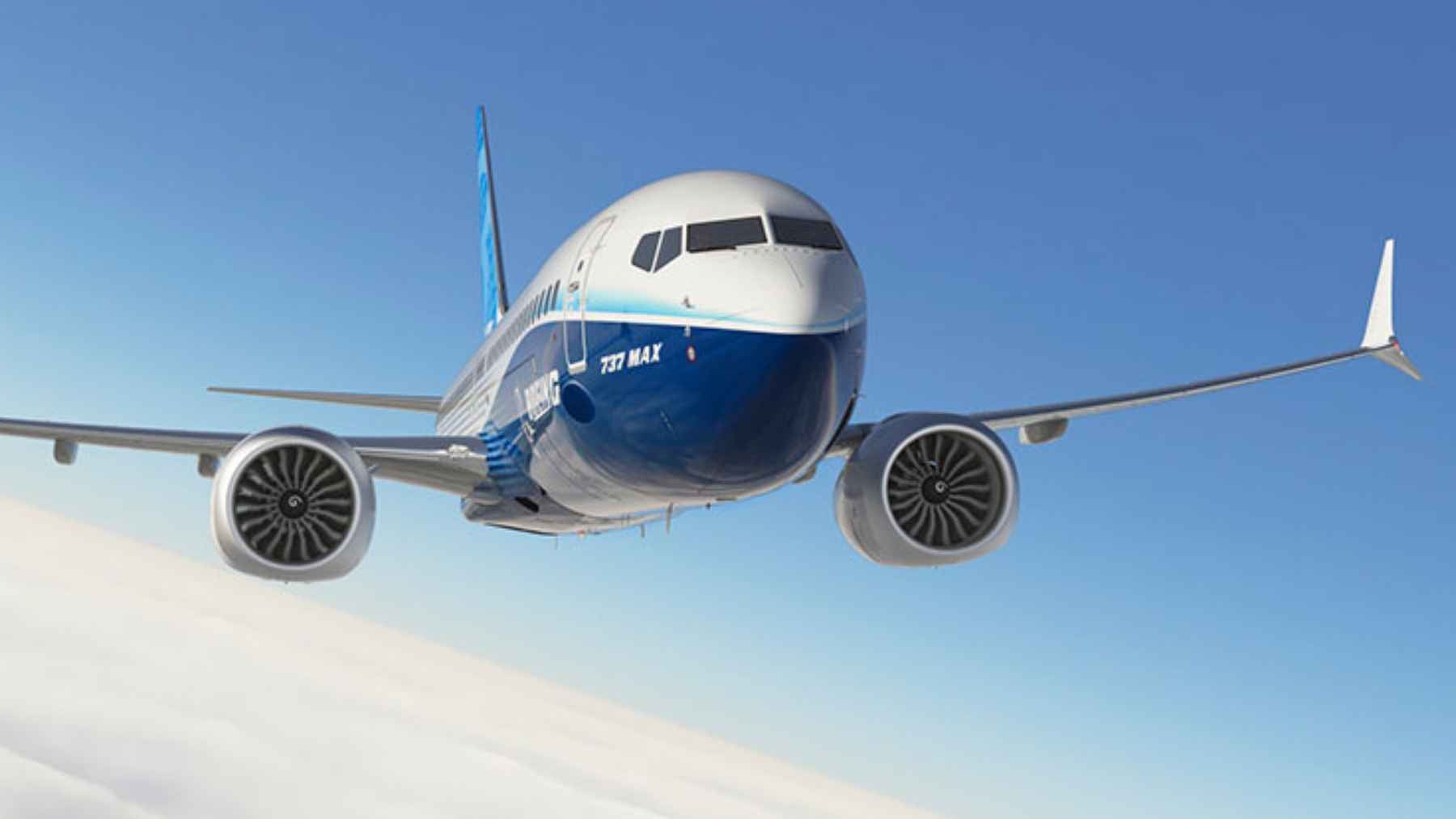
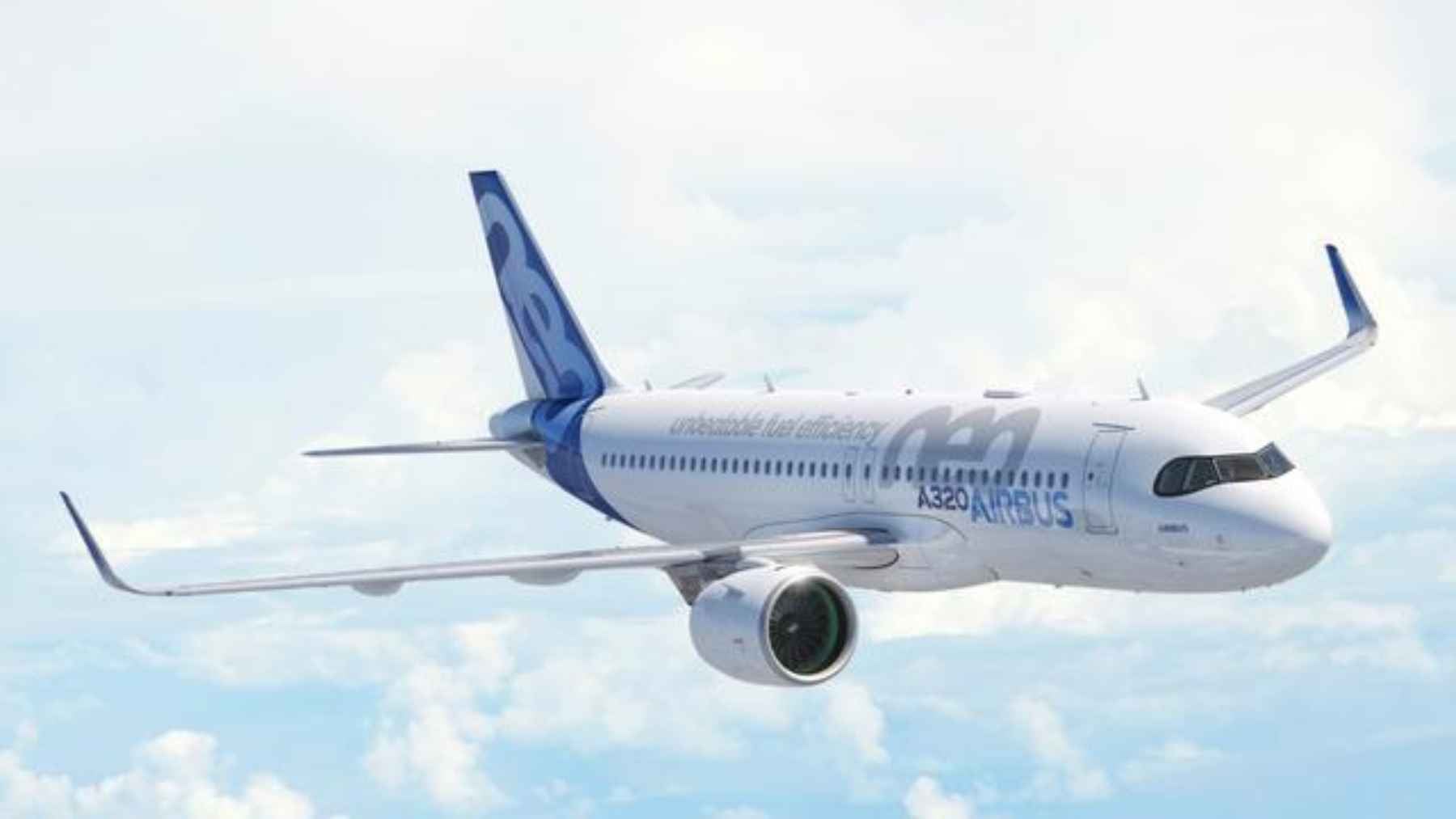
The Airbus agreement covers 65 A321neo and 35 A320neo aircraft. The Boeing contract adds 60 737-10s and 40 737-8s, making this SMBC’s first purchase of the largest 737 MAX variant and the biggest 737-10 order yet placed by a lessor.
SMBC also signed a separate deal with CFM International for up to 90 additional LEAP-1A engines. The supplied market estimate values the aircraft package at roughly $26 billion using catalog pricing, although final negotiated prices are confidential and large buyers normally receive substantial discounts.
This is not the largest aircraft purchase in commercial aviation history. That title still belongs to IndiGo’s 2023 agreement for 500 Airbus A320 Family jets, but SMBC’s total is larger than the 120 aircraft BOC Aviation ordered from Airbus and Boeing in March 2025.
What an aircraft lessor does
Many travelers board an airline-branded jet without realizing that another company may own it. According to the supplied briefing, more than half of commercial aircraft are operated through leasing arrangements, allowing airlines to use planes for years without paying the full purchase cost upfront.
SMBC buys aircraft in bulk, arranges financing, and leases them to carriers around the world. The company says it services a fleet of 1,700 aircraft for more than 170 airlines, with Sumitomo Mitsui Financial Group and Sumitomo Corporation providing shareholder backing.
For airlines, the arrangement can preserve cash and make fleet planning more flexible. For the lessor, the valuable asset is not just the aircraft itself but also its place in a crowded production queue.
Why both manufacturers won
An airline can build its operation around one aircraft family, simplifying pilot training, maintenance, and spare parts. A global lessor has a different problem because it must serve customers that prefer Airbus, customers that prefer Boeing, and carriers that use both.
That is why the order is split down the middle. The model mix, however, leans heavily toward bigger jets, with 65 A321neos and 60 737-10s accounting for most of the deal. Peter Barrett, SMBC’s chief executive, said airline and investor customers are looking to “upgauge to the 737-10.”
The 737-10 can carry up to 230 passengers and has a stated range of about 3,570 miles. It is still undergoing certification, with Boeing reporting in July that certification flight testing was 98% complete and that important safety reviews and regulatory submissions remained.
The efficiency promise has limits
Airbus says the A320neo Family can deliver at least 20% lower fuel consumption and carbon dioxide emissions than previous-generation single-aisle aircraft. Boeing makes a similar 20% claim, while larger models can also spread fuel use across more passengers when seats are filled.
In practical terms, that can lower operating costs and per-passenger emissions on busy routes. It also helps airlines respond to rules such as ReFuelEU Aviation, which requires rising shares of sustainable aviation fuel at EU airports, and the EU Emissions Trading System, which removes free aviation allowances from 2026.
But efficiency is not the same as decarbonization. Boeing forecasts that global passenger traffic will grow about 4% a year over the next two decades, a rate that would more than double traffic if sustained. A 20% improvement per aircraft can therefore be overwhelmed if the industry simply operates many more flights.
Delivery slots are part of the deal
SMBC says the orders will provide a continuous stream of new narrowbody aircraft through the mid-2030s. That timeline matters because airlines that need a plane quickly cannot simply walk into a showroom and take one home.
Airbus says the A320 Family has accumulated more than 20,200 orders worldwide. Boeing says leasing companies have ordered more than 1,450 737 MAX jets, representing about 20% of the model family’s backlog. In a constrained market, a delivery position years from now can become almost as commercially important as the aircraft.
This is where lessors earn their influence. They commit capital early, accept long planning horizons, and later place the jets with airlines that need capacity, replacement aircraft, or a faster route into newer technology.
What the order really signals
The deal suggests that the aviation industry expects the single-aisle market to remain the backbone of short and medium-distance travel well into the next decade. It also shows that airlines are favoring larger narrowbody aircraft that can carry more people without moving to costlier widebody jets.
Environmentally, the picture is mixed. Replacing an older aircraft with a newer, more efficient model can cut fuel burn and emissions per trip, but adding the new jet while keeping the old one in service expands total capacity and may increase overall emissions.
So the 200-plane order is not a green breakthrough by itself. It is a huge investment in incremental efficiency, and its climate value will depend on how the aircraft are used, what they replace, how full they fly, and how quickly lower-carbon fuels become available.
The official press release was published by SMBC Aviation Capital.