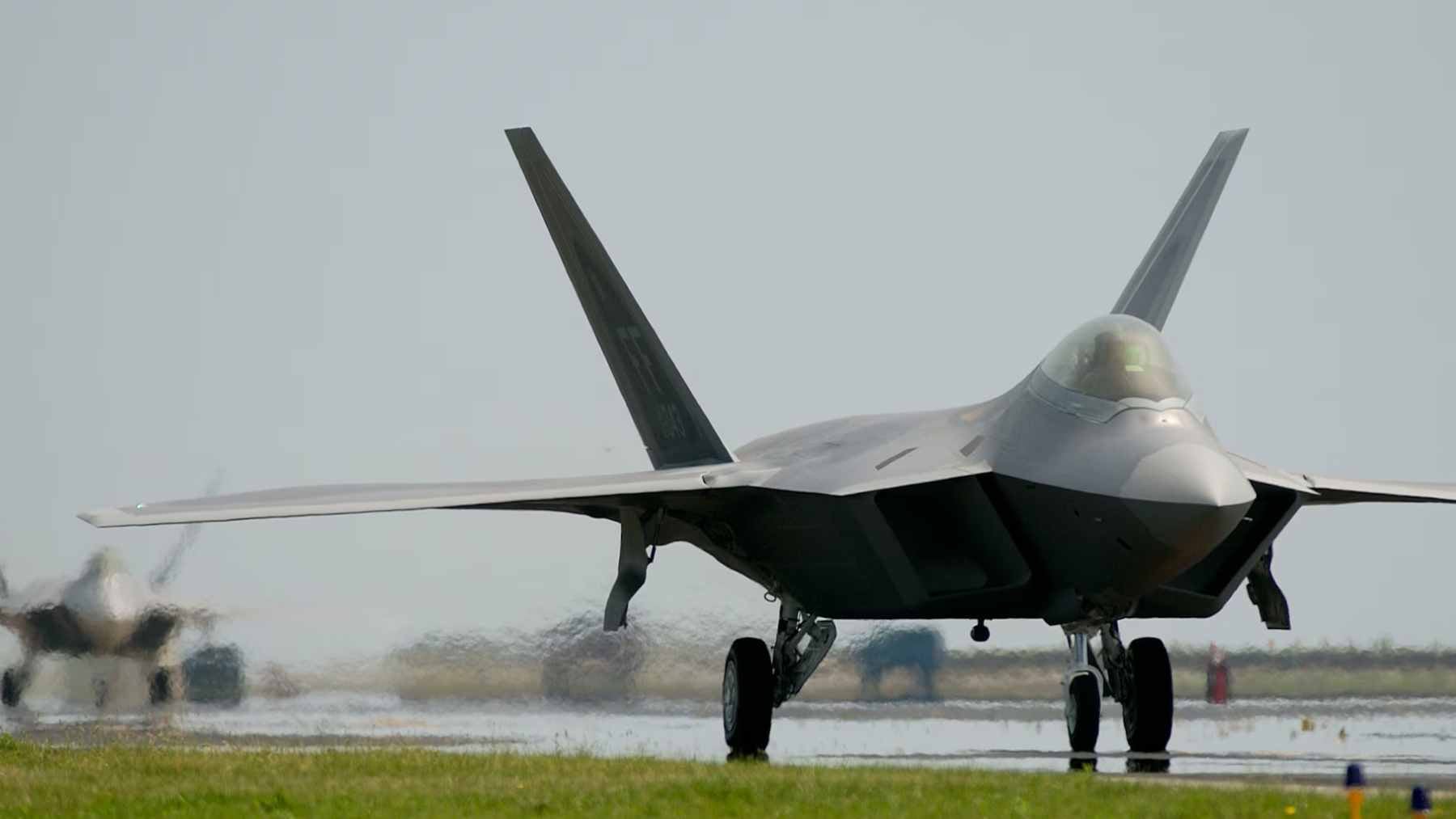
America’s most famous stealth fighter is not getting a new engine. It is getting something quieter, cheaper, and in some ways more revealing: smarter software and data-driven maintenance for the engines it already has.
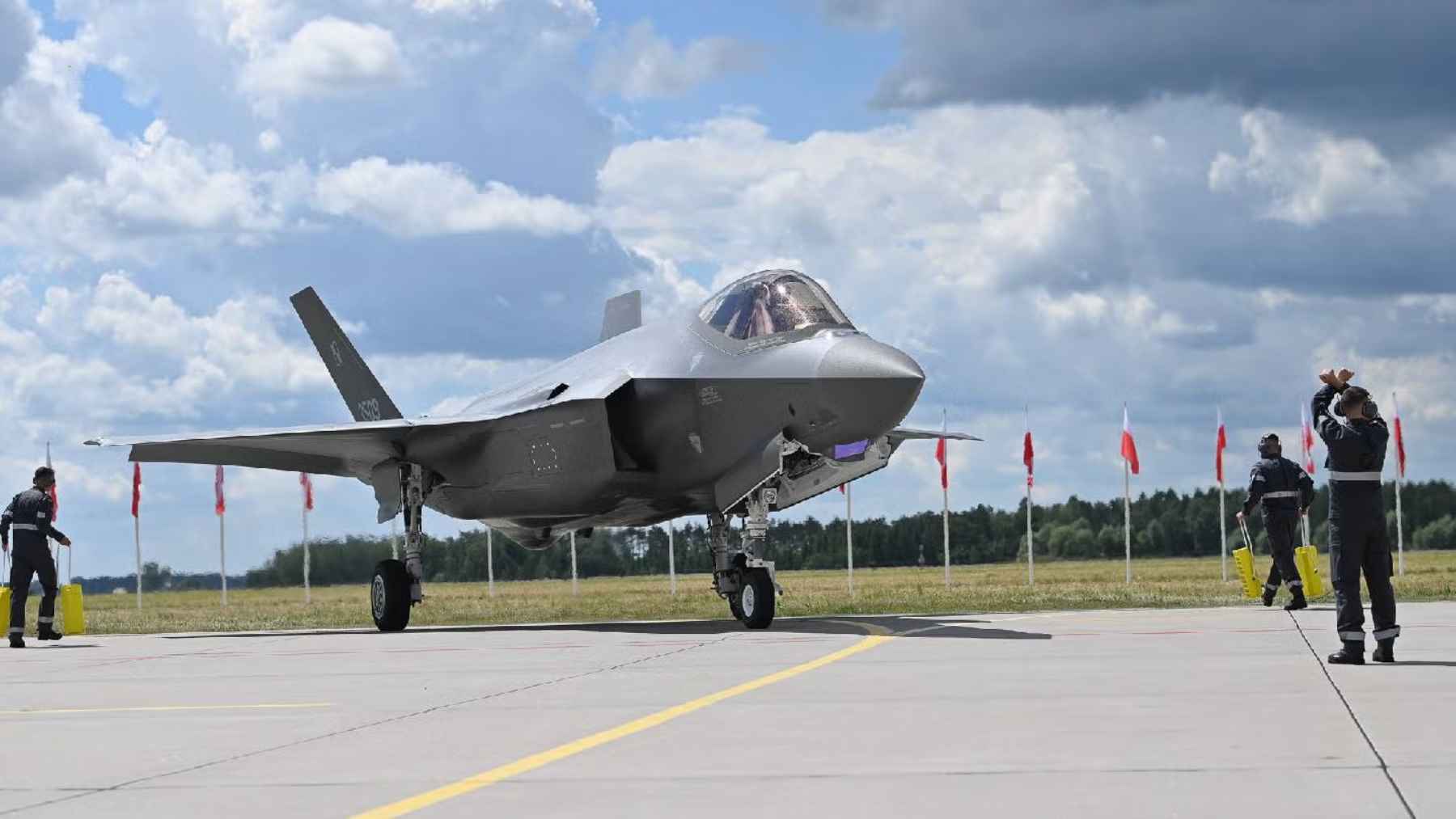
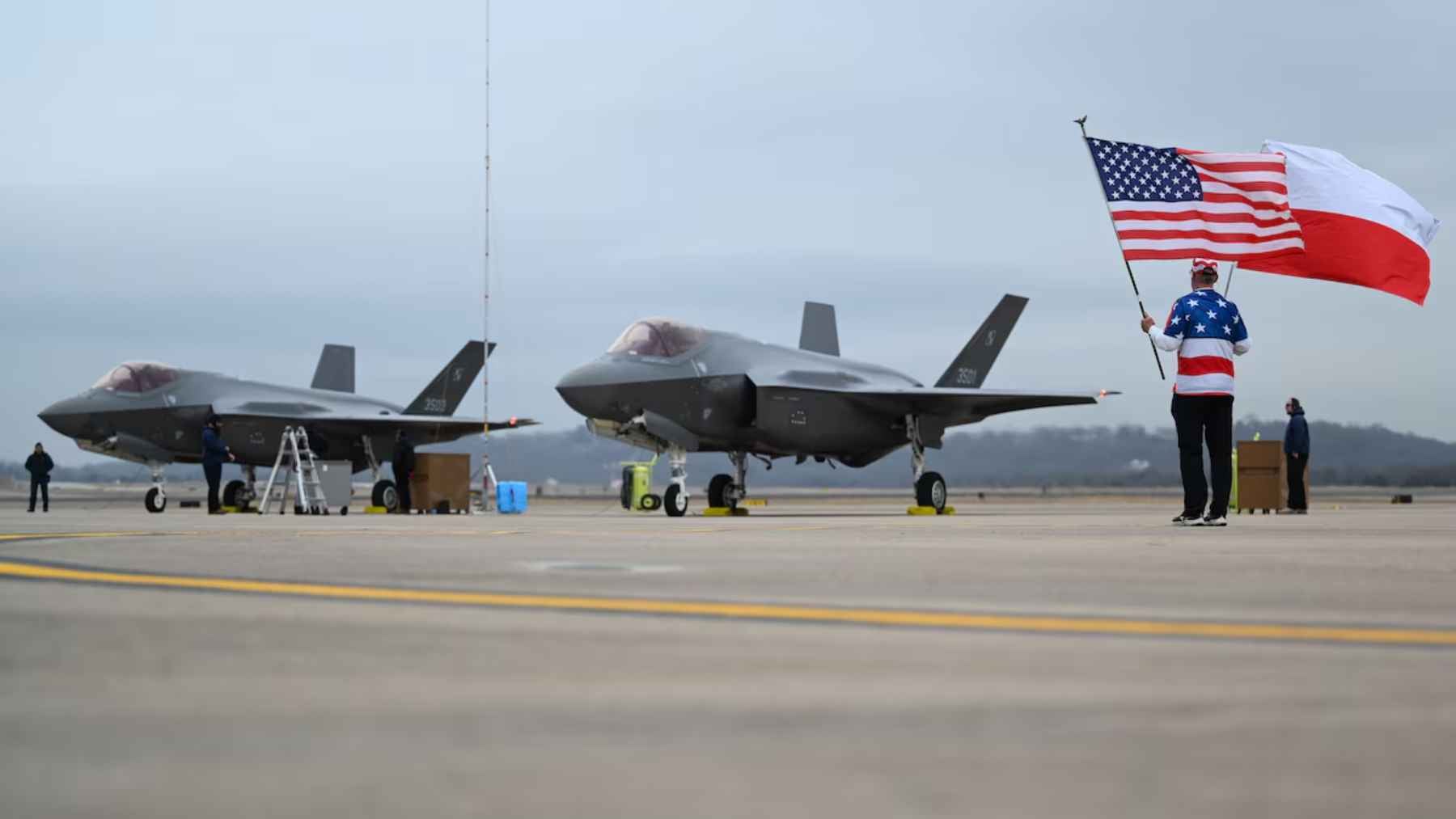
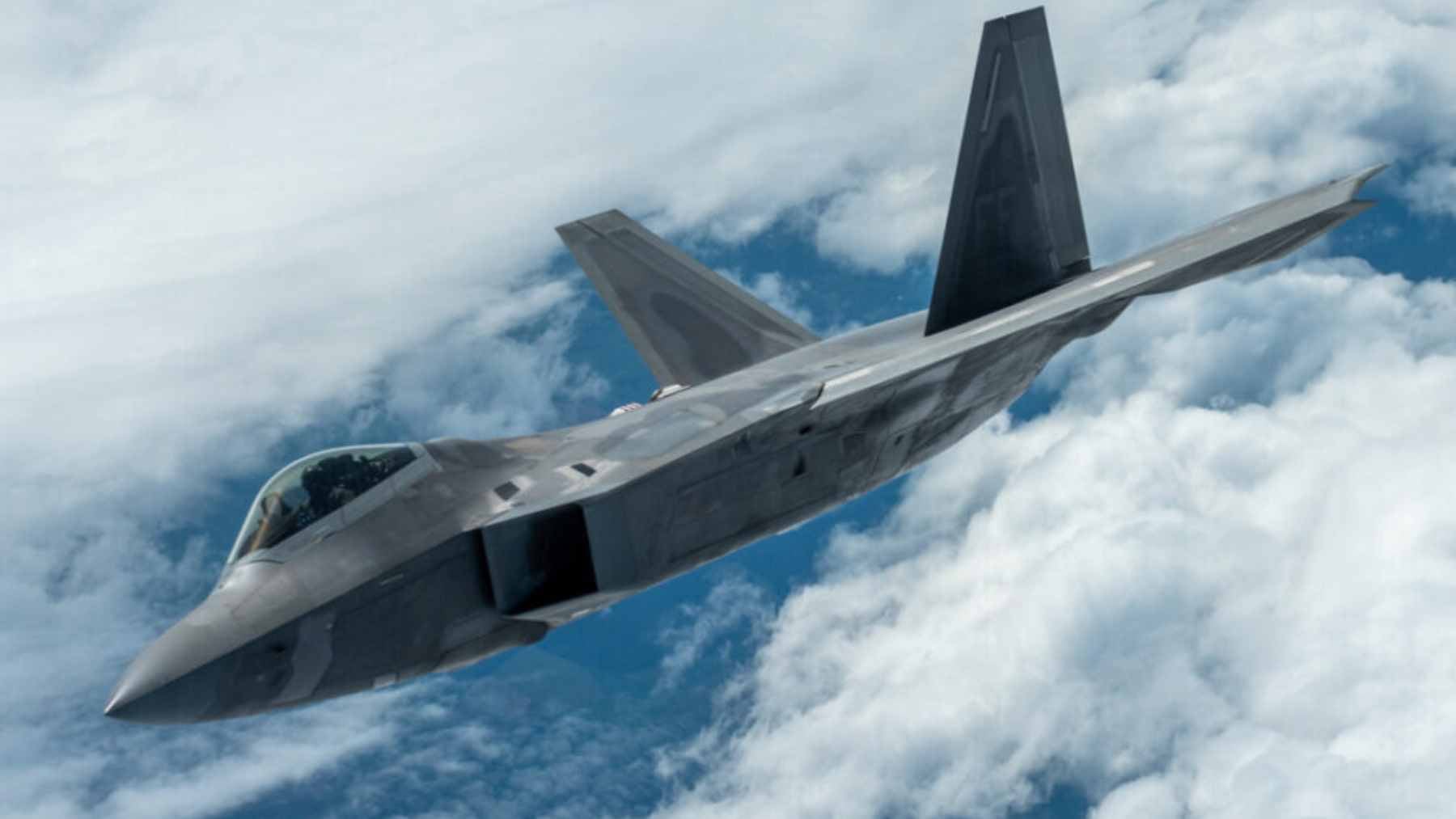
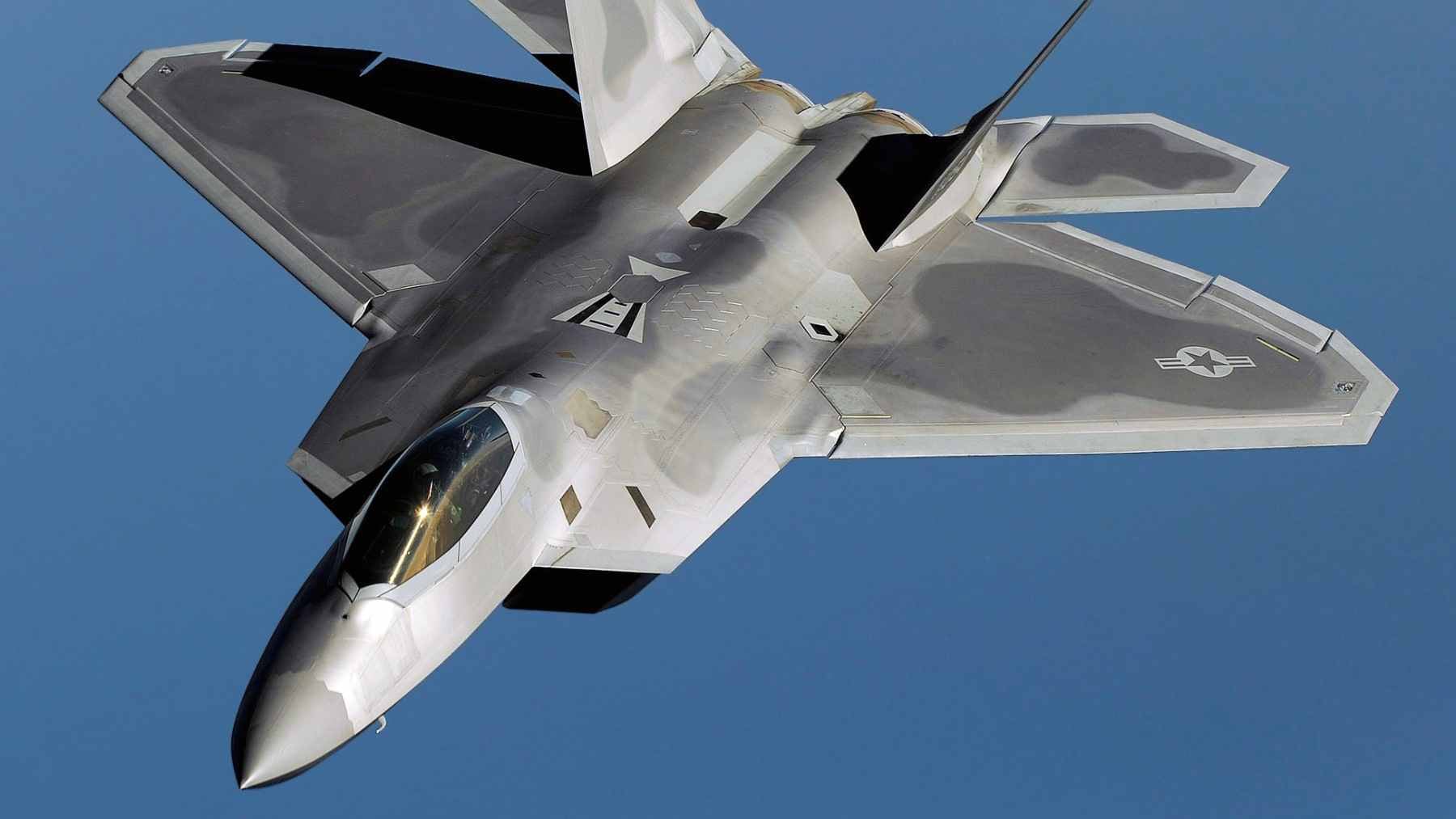
The F-22 is no longer the newest name in American air dominance, but the Air Force still depends on a combat-coded Raptor force of 143 aircraft while it prepares the Boeing F-47. That makes this update more than a routine shop visit–it is a bridge between today’s stealth fleet and the sixth-generation fighter that is supposed to come next.
The engine is getting smarter
In February 2025, RTX said Pratt & Whitney had secured a three-year contract valued at up to $1.5 billion to sustain the F119 engines that power the F-22. The company said the deal covers more than 400 engines that had already logged more than 900,000 engine flight hours.
Each Raptor flies with two F119-PW-100 turbofans. Pratt & Whitney describes the F119 as the first operational fifth-generation fighter engine, combining stealth technologies, vectored thrust, and a Full-Authority Digital Electronic Control system that regulates engine and aircraft operating parameters.
That last part is key. A modern fighter engine is not just metal, heat, and fuel; it is also software, sensors, diagnostics, and a constant stream of data about how the aircraft is really being flown.
Why this has an environmental angle
Military jets are not climate-friendly machines, and no one should pretend otherwise. But maintenance choices still carry an environmental footprint, from replacement parts and industrial energy to shipping, testing, and depot work.
That is where Pratt & Whitney’s Usage-Based Lifing effort comes in. Instead of relying only on historical averages, the system uses real flight data and actual wear patterns to decide when parts need attention, and Air & Space Forces Magazine reported that the company expects nearly $800 million in life-cycle savings from the program.
Essentially, that means less guesswork. If fewer parts are pulled early and fewer maintenance actions happen before they are truly needed, the result can be a leaner supply chain and less material churn, even if this is still fundamentally a defense readiness program.
A bridge to the F-47
The bigger picture is Boeing’s F-47. On March 21, 2025, the Department of the Air Force announced that Boeing had won the engineering and manufacturing development contract for the Next Generation Air Dominance platform, which the service described as the world’s first sixth-generation fighter aircraft.
That sounds like the future arriving all at once. New combat aircraft rarely become mature overnight, however, and the Air Force’s own announcement says the current phase will produce a small number of test aircraft for evaluation before any broader production path.
So what happens in the meantime? The Raptor has to keep doing the hard work, especially as the Air Force pushes into a period where stealth, range, sensors, and software will matter more than ever.
Supercruise still matters
The F119 is one reason the F-22 remains such a serious aircraft. Pratt & Whitney says the Raptor’s two engines allow supercruise, meaning supersonic flight without afterburner, which protects mission range instead of burning through fuel at a punishing rate.
RTX says each F119 generates more than 35,000 lbs. of thrust and helps the aircraft reach altitudes above 65,000 ft. The company also says supercruise conserves fuel and extends operational range, which is still a huge advantage when distance and tanker support can shape a mission.
Anyone who has watched a gas gauge fall on a long drive understands the basic idea: speed is useful. Speed that does not empty the tank quite so quickly is better.
Heat is the quiet challenge
The next era of fighter design is not only about going faster or hiding better. It is also about moving heat away from sensors, processors, electronic warfare systems, and other equipment packed into increasingly complex aircraft.
Pratt & Whitney’s XA103, its offering for the Air Force’s Next Generation Adaptive Propulsion program, shows where the industry is heading.
The company says the engine’s adaptive architecture is designed to improve fuel efficiency, survivability, power, and thermal management, with a prototype ground demonstrator expected to test in the late 2020s.
That is a very different world from the 1990s design roots of the F-22. Software can unlock more performance, and better maintenance can stretch service life, but there are still physical limits to any airframe.
Drones join the picture
The F-47 will not arrive alone. The Air Force says Collaborative Combat Aircraft are meant to integrate with crewed fighters to extend reach, awareness, and survivability in contested environments.
In June 2026, the service said it had awarded contracts for CCA Increment 1 and expected to procure more than 150 combat-capable aircraft by the end of the decade. That gives the F-22 upgrade story another layer, because the cockpit of the future will be connected to more than one aircraft.
At that point, software is no longer a side feature. It becomes the nervous system of the formation.
A less flashy kind of modernization
The F-22 engine update will not look as dramatic as a new fighter rollout. There is no futuristic silhouette, no public dogfight video, and no single moment that makes the change easy to see.
Still, it may be exactly the kind of modernization that matters most during a long transition. Keeping the Raptor credible into the 2030s means improving readiness, reducing avoidable costs, and using data to make an old but elite aircraft work smarter.
That is a small kind of sustainability. Not the kind that fits neatly on a recycling poster, but the kind maintainers, taxpayers, and defense planners understand.
The official statement about the F119 sustainment contract was published on RTX.