The Pentagon has handed nearly $844 million in new defense work to RTX, Lockheed Martin, and Northrop Grumman, with most of the money tied to F-35 engines, test aircraft, ship sustainment, and allied logistics. On paper, it looks like another round of routine military contracting.
Look a little closer, though, and a bigger question appears. What does modern airpower really cost once energy, supply chains, and climate risk are counted, too?
The official notices do not include emissions estimates, so no one should pretend these awards reveal the full environmental bill.
Still, the timing matters. The Defense Department has already said climate change is reshaping the strategic landscape, and former Deputy Secretary of Defense Kathleen Hicks put it plainly when she said, “Climate change is a national security issue.”
A contract wave led by F-35 work
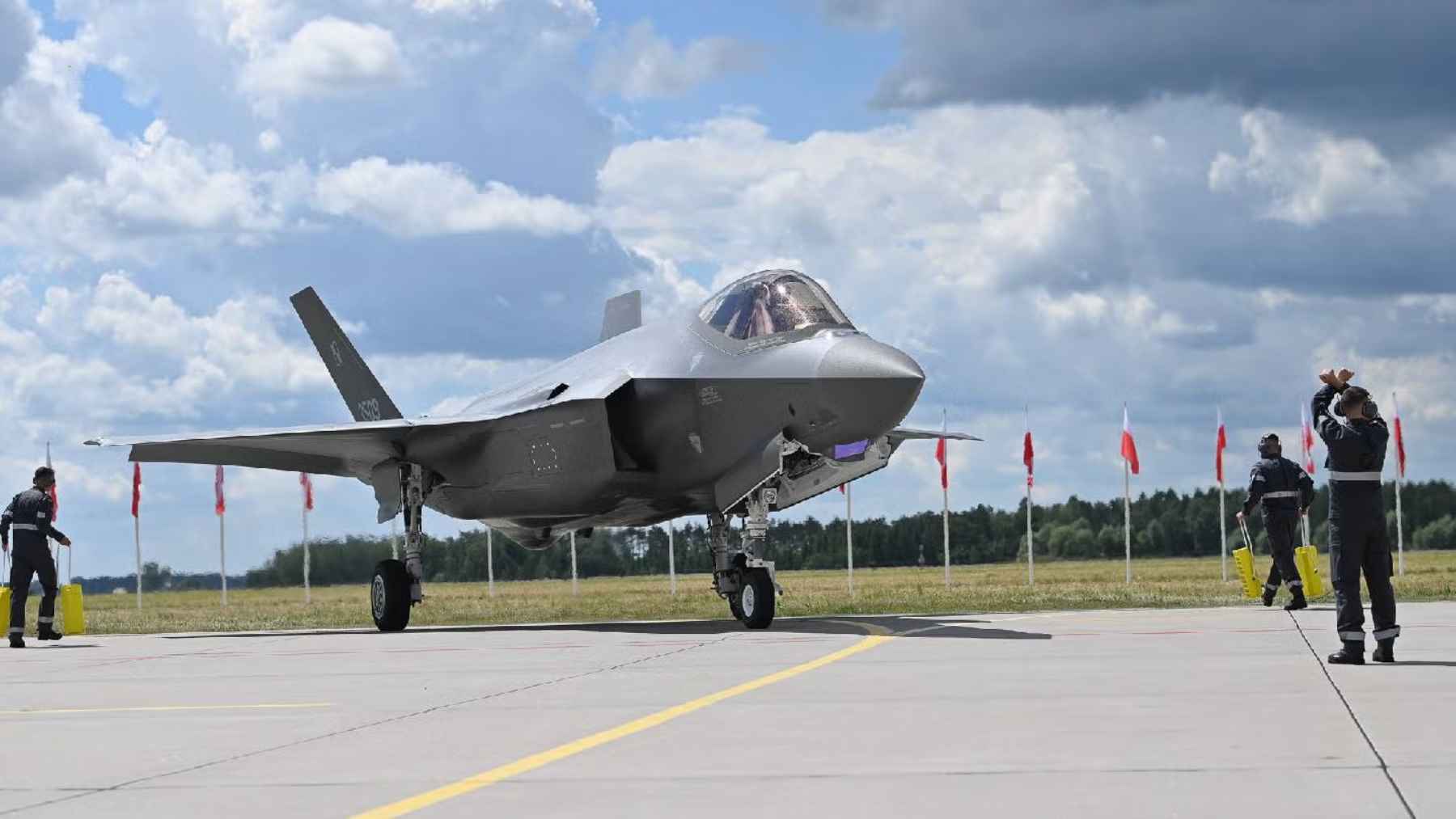
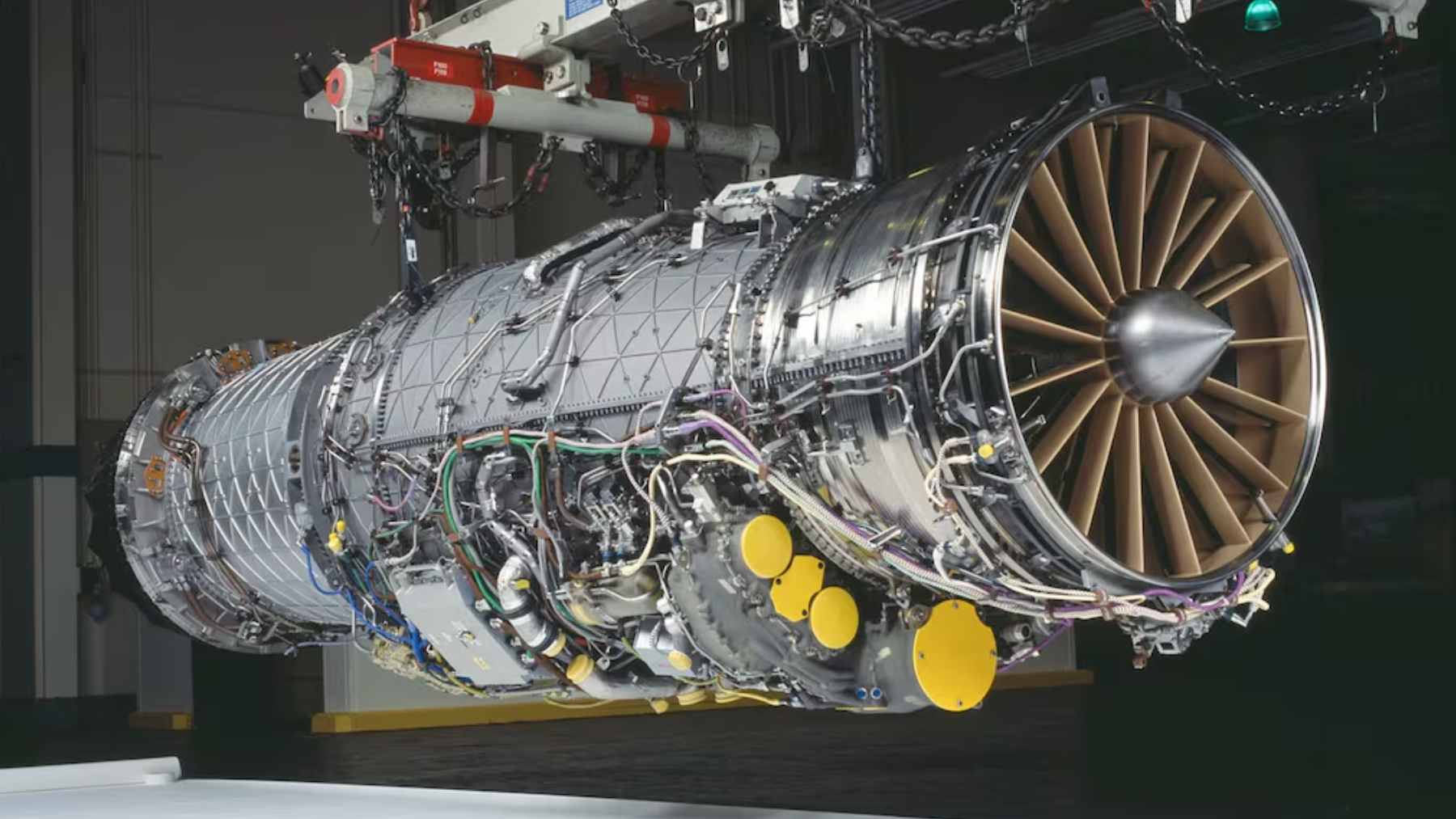
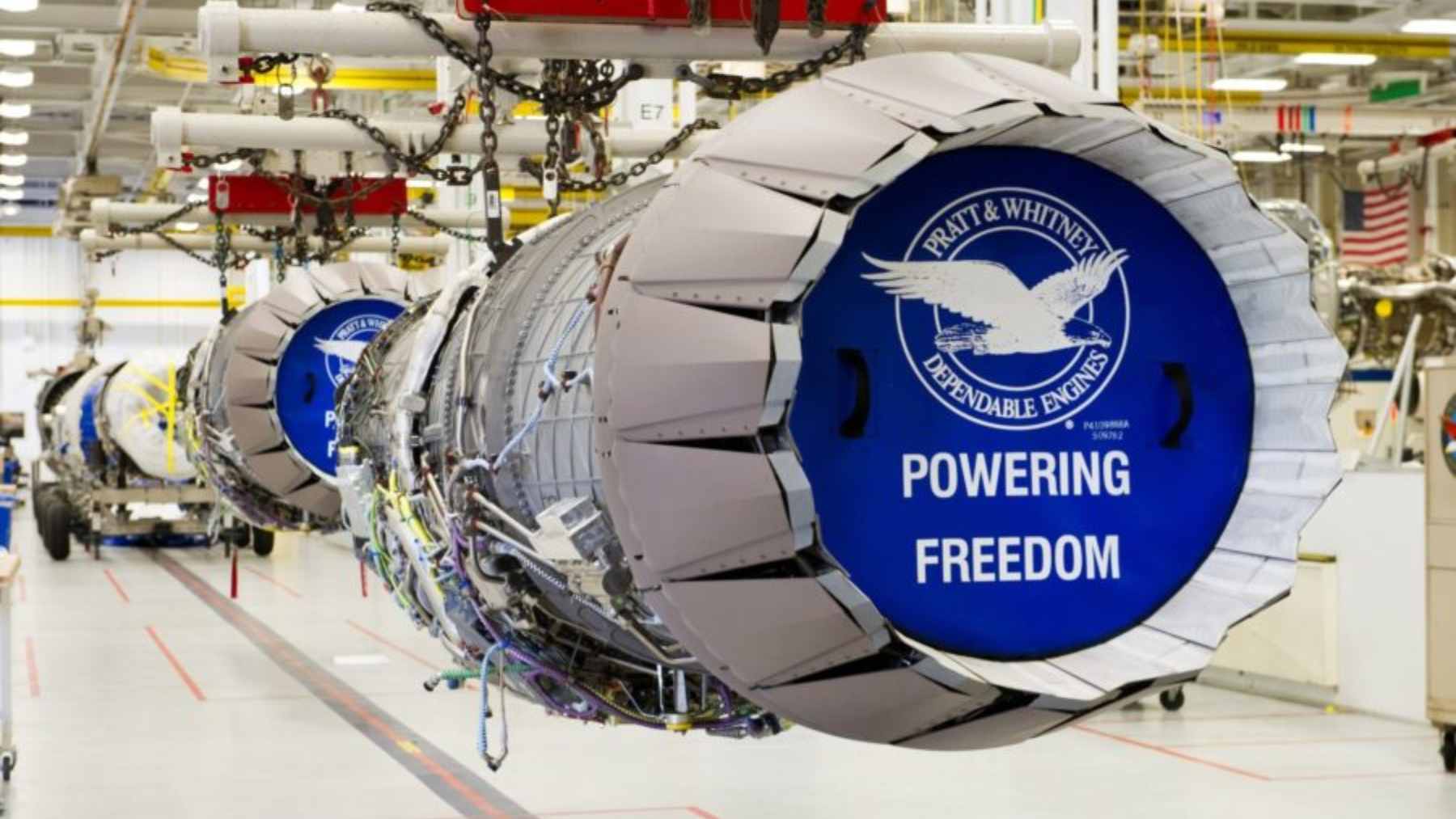
The largest award went to RTX Corp., which received $369,856,548 for F135 propulsion system work linked to the F-35 program. The contract supports Lot 21 propulsion systems and long lead materials for the Lot 20 delivery schedule of 138 propulsion systems for the Air Force, Marine Corps, Navy, F-35 cooperative partners, and Foreign Military Sales customers.
Lockheed Martin also landed a major F-35 award. Its $177,493,428 modification covers three “flight science aircraft,” one for each F-35 variant, meant to replace older test aircraft and support Block 4 and future Joint Strike Fighter capabilities.
The company received several smaller awards as well. Those include $49,893,672 for Littoral Combat Ship combat system sustainment, $9,397,208 for 103 pulse generators, and $29,329,364 to help an unnamed foreign customer prepare to operate and maintain F-35 Lightning II aircraft.
Why this is an environment story
Defense contracts are often covered like a shopping receipt. One company gets this amount, another company gets that amount, and the story moves on, but jets and ships are not like office laptops.
Once an engine, aircraft, or sustainment package is funded, it usually brings years of fuel demand, parts movement, depot work, test activity, and base support. That is where much of the environmental footprint sits–not in one single headline number, but in the long routine of keeping complex machines ready.
It is a little like the electric bill at home. The appliance price matters, but what you really feel over time is the cost of running it through sticky summer heat, storms, and heavy use. Military systems work on a much larger scale.
The sustainment bill keeps growing
The F-35 is already the Defense Department’s most advanced and costly weapon system, according to the U.S. Government Accountability Office. GAO said the department operated and sustained about 630 F-35s, planned to buy about 2,500 in total by the mid-2040s, and expected to use the aircraft into the 2080s.
The watchdog also found that projected F-35 sustainment costs rose 44%, from $1.1 trillion in 2018 to $1.58 trillion in 2023. At the same time, planned use and availability declined, and none of the three variants were meeting availability goals.
That makes the latest awards more than a procurement update. For the most part, they show how the F-35 program keeps moving from purchase price into lifetime support. Engines, maintenance, software, training, spares, and logistics become the real story.
Allies are part of the equation
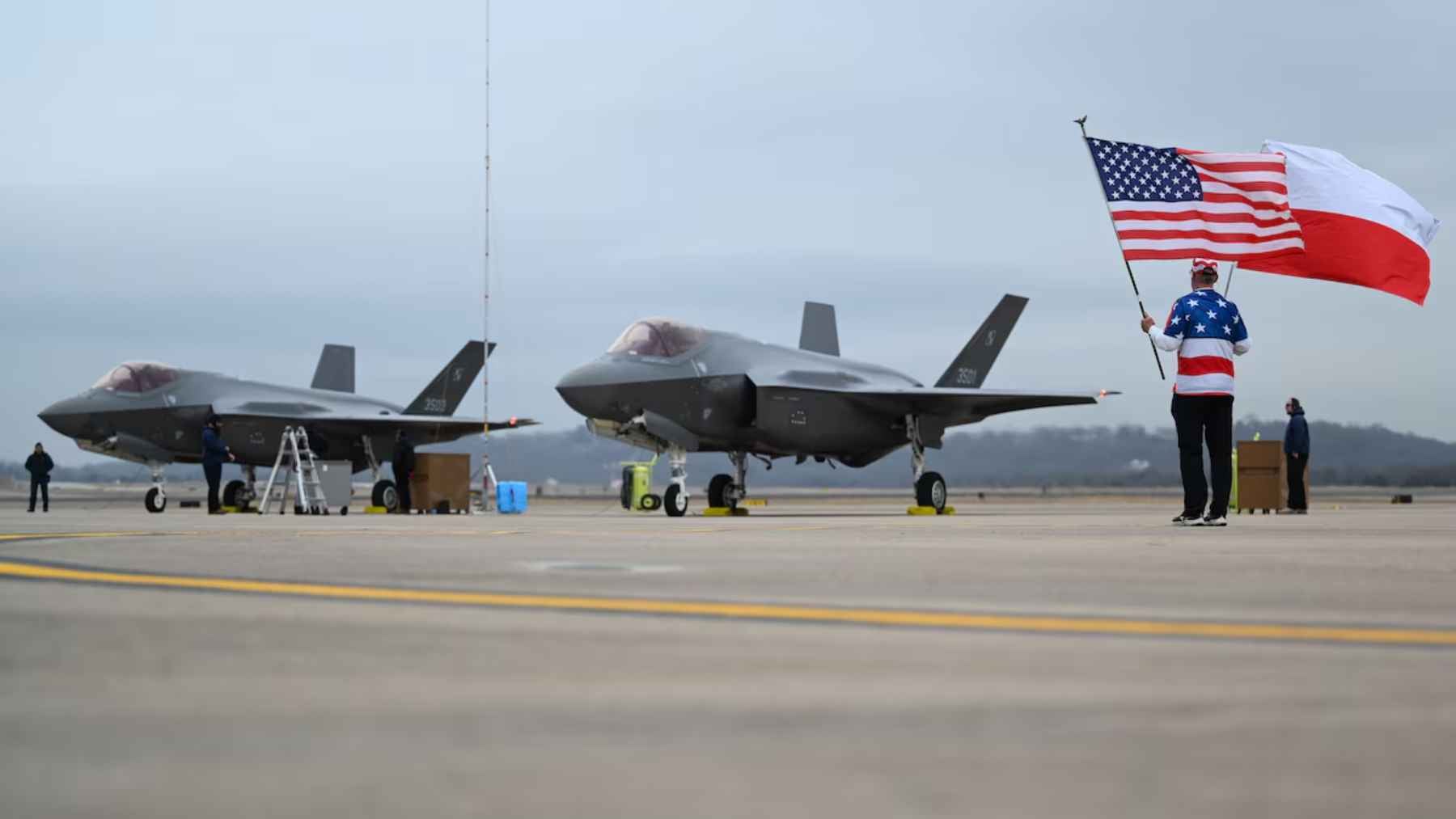
These contracts are not only about U.S. bases and U.S. pilots. The RTX notice references F-35 cooperative partners and Foreign Military Sales customers, while Northrop’s $207,891,883 award involves support at locations in South Korea, Japan, Italy, and San Diego.
The Northrop contract specifically involves Foreign Military Sales to the Republic of Korea, Japan’s Ministry of Defense, and NATO.
That turns a defense award into a global logistics question. More shared systems can improve interoperability, but they also mean more parts, travel, maintenance planning, and energy demand across borders.
For local communities, the issue can feel less abstract. Traffic around bases, aircraft noise, exhaust fumes, and pressure on infrastructure are everyday concerns. Strategy may be global, but the side effects are often local.
Technology can cut risk
The Pentagon is not ignoring the problem. Officials have pointed to microgrids, electric vehicles, hybrid technology, adaptive cycle aircraft engines, and blended-wing body airframes as ways to improve energy resilience and reduce fuel dependence.
One official said some future technologies could cut operational force energy use by 20% to 30% compared with current systems.
In practical terms, better engines, smarter maintenance, and stronger base power systems can reduce waste and make forces less vulnerable when fuel routes are threatened.
The trouble is that the latest contracts still show today’s defense machine leaning heavily on high-performance aircraft, long supply chains, and years of conventional sustainment.
What readers should keep in mind
Nothing in the official notices says RTX, Lockheed Martin, or Northrop Grumman violated environmental rules. The awards also do not say these contracts are unusual, they simply show where the money is going.
The fair question is what should be visible in future defense spending. If climate change is now a military risk, then major procurement stories should not only list dollars, deadlines, and contractors. They should also help taxpayers understand energy use, resilience, waste, and the environmental cost of keeping these systems ready.
The official contract announcements were published on U.S. Department of War.