Colossal Biosciences, the biotech company best known for its high-profile de-extinction projects, is now trying to bring back the bluebuck, a South African antelope that disappeared around 1800 after hunting and habitat loss.
The company says the animal is the first antelope and first African megafauna added to its active de-extinction portfolio, alongside the woolly mammoth, dodo, thylacine, moa, and dire wolf.
At first glance, this sounds like another science-fiction headline coming to life. But the bigger story may be more practical than dramatic, because Colossal says the tools developed for the bluebuck could also help living antelope species that are already in trouble.
A forgotten animal returns to the spotlight
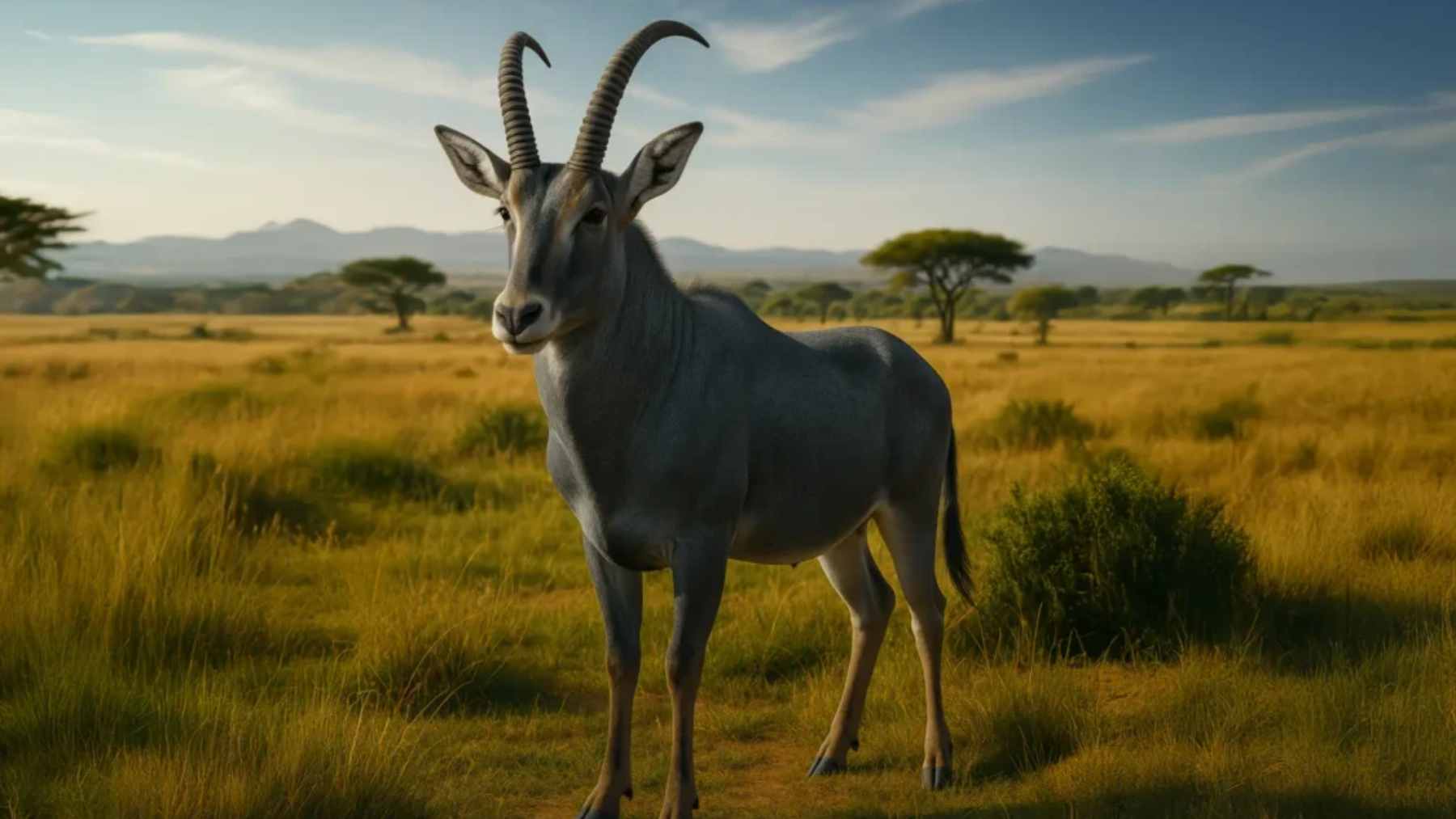
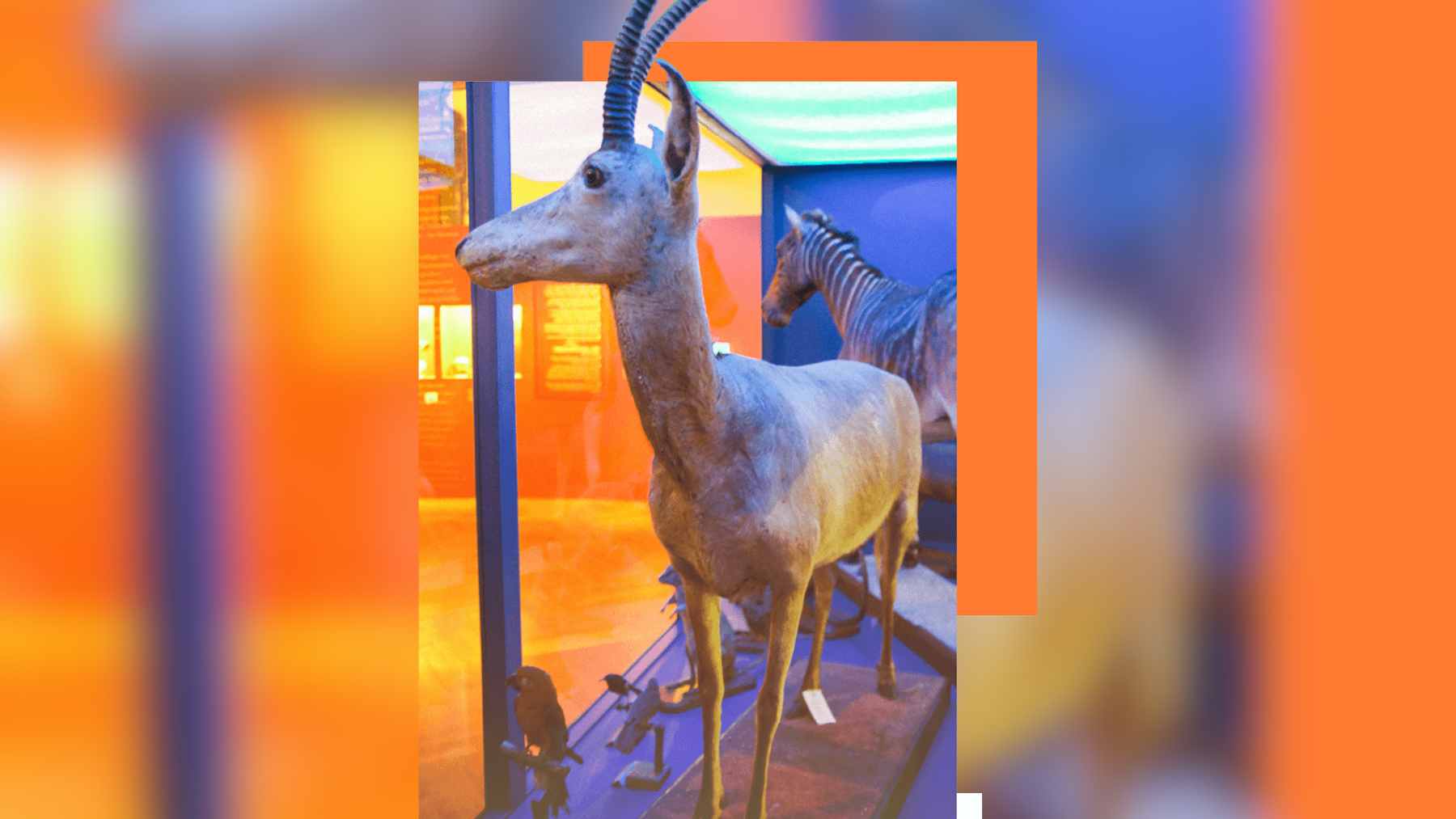
The bluebuck (Hippotragus leucophaeus) was known for its gray-blue coat and its place in South Africa’s grassland ecosystems. Today, it exists only through museum specimens, old drawings, and genetic material kept by scientific institutions.
That makes the project both fascinating and uncomfortable. Can a species truly return if the animal born in the lab is built from a living relative and ancient DNA clues? That question sits at the heart of every de-extinction debate.
Colossal’s chief science officer Beth Shapiro said, “African antelopes have long been neglected in global conservation.” The company argues that the bluebuck can become a kind of compass for future antelope conservation work, not just a one-off genetic spectacle.
Why antelopes matter now
The urgency is not only about one vanished animal. According to Colossal’s announcement, citing IUCN data, 29 of the world’s 90 antelope species are threatened with extinction, while populations are declining in 62% of all antelope species.
The IUCN SSC Antelope Specialist Group also lists the bluebuck as extinct and notes that antelopes have seen major losses in range and population size over the past 150 years. In other words, this is not just about the past, it is also about the animals still running out of time.
For the most part, antelopes do not get the same attention as elephants, rhinos, or big cats. They are often the background characters of wildlife documentaries, yet they help shape grasslands, feed predators, and keep ecosystems moving.
The genetic plan
Colossal says researchers are using the roan antelope, one of the bluebuck’s closest living relatives, as the genetic reference and possible surrogate species. The team began by sequencing a bluebuck genome from a historical specimen borrowed from the Swedish Museum of Natural History.
That genome was sequenced at 40-fold coverage, meaning each base was read many times to improve accuracy. The comparison with the roan antelope shows the two species differ by about 3% of their genome, which still adds up to roughly 18 million sequence variants.
That is where the hard part begins. Not every genetic difference changes the way an animal looks, behaves, digests food, or survives in a particular environment, so scientists must decide which edits actually matter.
From cell to calf
The proposed process is highly technical but the basic principle is simple enough. Researchers would edit DNA in a roan antelope cell, place the edited nucleus into a roan egg cell with its own nucleus removed, grow an embryo, and implant it into a roan surrogate.
If it works, the pregnancy would last about 278 days. Then, in theory, a roan mother could give birth to a calf carrying key bluebuck traits.
Still, there is no guarantee. Lab success does not automatically become a healthy animal, and a healthy animal does not automatically become a stable, wild population.
The dire wolf lesson
Colossal’s de-extinction claims have already faced scrutiny. Its dire wolf project drew attention after scientists argued the animals were genetically modified gray wolves with selected dire wolf-like traits, not exact resurrected dire wolves.
Shapiro later described them as “gray wolves with 20 edits,” while also saying the company had been transparent about the process. That debate matters here, because the same issue will follow the bluebuck project if it succeeds.
In other words, the public may see a returned blue antelope, while scientists see a genetically edited proxy. Both ideas can exist at once, but they are not exactly the same thing.
What happens next
Colossal says it is working with conservation partners, including the Endangered Wildlife Trust and Advanced Conservation Strategies, on ecological planning, feasibility studies, potential reintroduction sites, and regulatory pathways. That may be the least flashy part of the story, but it could be the most important.
After all, bringing back an animal is only useful if there is room for it to live. Protected habitat, local support, long-term monitoring, and laws that actually hold up in the real world will matter just as much as the gene editing.
The bluebuck’s return, if it happens, would not erase the damage that caused its extinction. But it could push conservation biotech into a new phase, one focused less on wonder and more on whether these tools can help species before they disappear.
The official statement was published on Colossal Biosciences.