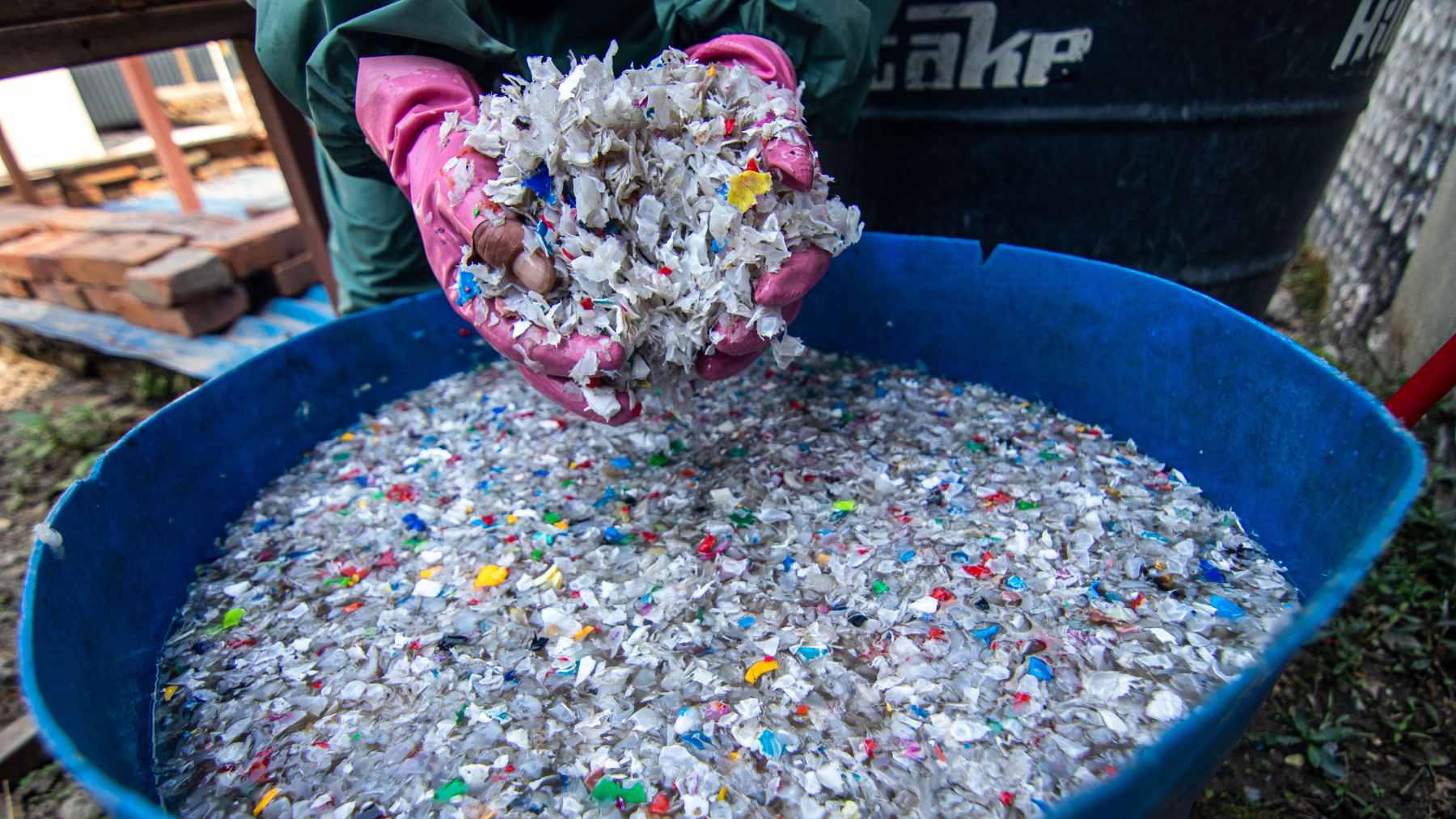
Nepal has started testing an idea that sounds strange at first: filling roads with plastic waste. Not loose trash on the street, of course, but shredded low-value plastic mixed into the structure of asphalt, including the kind of packaging that usually has little recycling value.
The promise is simple enough to understand. Cities get cleaner, road builders use less fresh material, and plastic that might have ended up in a landfill, river, or open burn pile gets a second use. But is this a real environmental breakthrough, or just a clever pilot that still needs harder evidence?
A road made from waste
In Pokhara, one of Nepal’s largest cities, Green Road Waste Management has become one of the main groups behind the plastic-road push. The organization says it is working on plastic waste solutions in Nepal through collection, awareness, processing, and road technology.
The process is not about dumping plastic onto the pavement. In this method, shredded plastic is used to coat hot aggregates before bitumen is added, which means the waste becomes part of the road material itself. AFP reported through Tech Xplore that Green Road says roughly two tons of shredded plastic are used for one kilometer of road.
That may not sound like much in a country with a growing waste problem, but for low-value plastic, every outlet matters. These are the wrappers and multilayer packets that people see every day but recyclers often avoid because they are hard to process and not very profitable.
Why Nepal is trying it
Plastic pollution is not a small problem anymore. UNEP says humanity produces more than 440 million tons of plastic each year, and much of it ends up in the environment.
OECD data shows how far the world still has to go. Global plastic production reached 560 million tons in 2019, while only 9% of plastic waste was ultimately recycled after accounting for losses.
That is why Nepal’s experiment is getting attention. In practical terms, this is not just about cleaner roads. It is about whether cities can turn an everyday nuisance, the snack wrapper on the sidewalk or the plastic packet floating in a drain, into something useful.
The upside under the asphalt
Supporters say plastic-modified roads can reduce the need for fresh raw materials, lower costs, limit water infiltration, and increase road life. Bimal Bastola of Green Road told AFP that the method can “prevent water infiltration” and increase lifespan.
For a country where monsoon rain can punish weak roads, that matters. Anyone who has sat in traffic behind a pothole repair crew knows that bad roads are not just an engineering issue. They mean noise, dust, delays, fuel waste, and higher repair bills for drivers.
The idea also has a business angle. Green Road presents itself as a waste-to-resource company, turning plastic into road material and other products. Its official website describes plastic road technology as one of its core services and says it provides processed plastic raw material and technical support to contractors.
The big question
Still, there is a catch. Plastic roads may help with visible trash, but experts warn that the environmental case is not fully settled.
The World Bank has noted that plastic roads need more rigorous testing, especially on microplastic generation, additive leaching, worker safety, and what happens when roads reach the end of their life. The bank’s own summary is careful, saying that time and evidence-based research must show whether this is truly a path worth paving.
That is the uncomfortable part–a road can look clean on the surface while still raising questions underneath. Could plastic particles be released as tires grind over the pavement year after year? What happens when the road is dug up, repaired, or removed?
Small pilots, bigger ambitions
For now, Nepal’s plastic-road effort remains limited. AFP reported that Green Road had completed about 10 projects totaling roughly 1 mile, while a pilot project was planned in Kathmandu.
Nepalese officials appear interested, but cautious. Arjun Nepal, an engineer with Kathmandu’s road department, told AFP that Nepal is interested in pilot projects but needs “government-led standards” to ensure quality.
That may be the most important sentence in the whole story. Innovation is exciting, but roads are public infrastructure. They need standards, inspection, long-term monitoring, and a clear answer to what happens after the first few rainy seasons.
Cleaner cities need more than roads
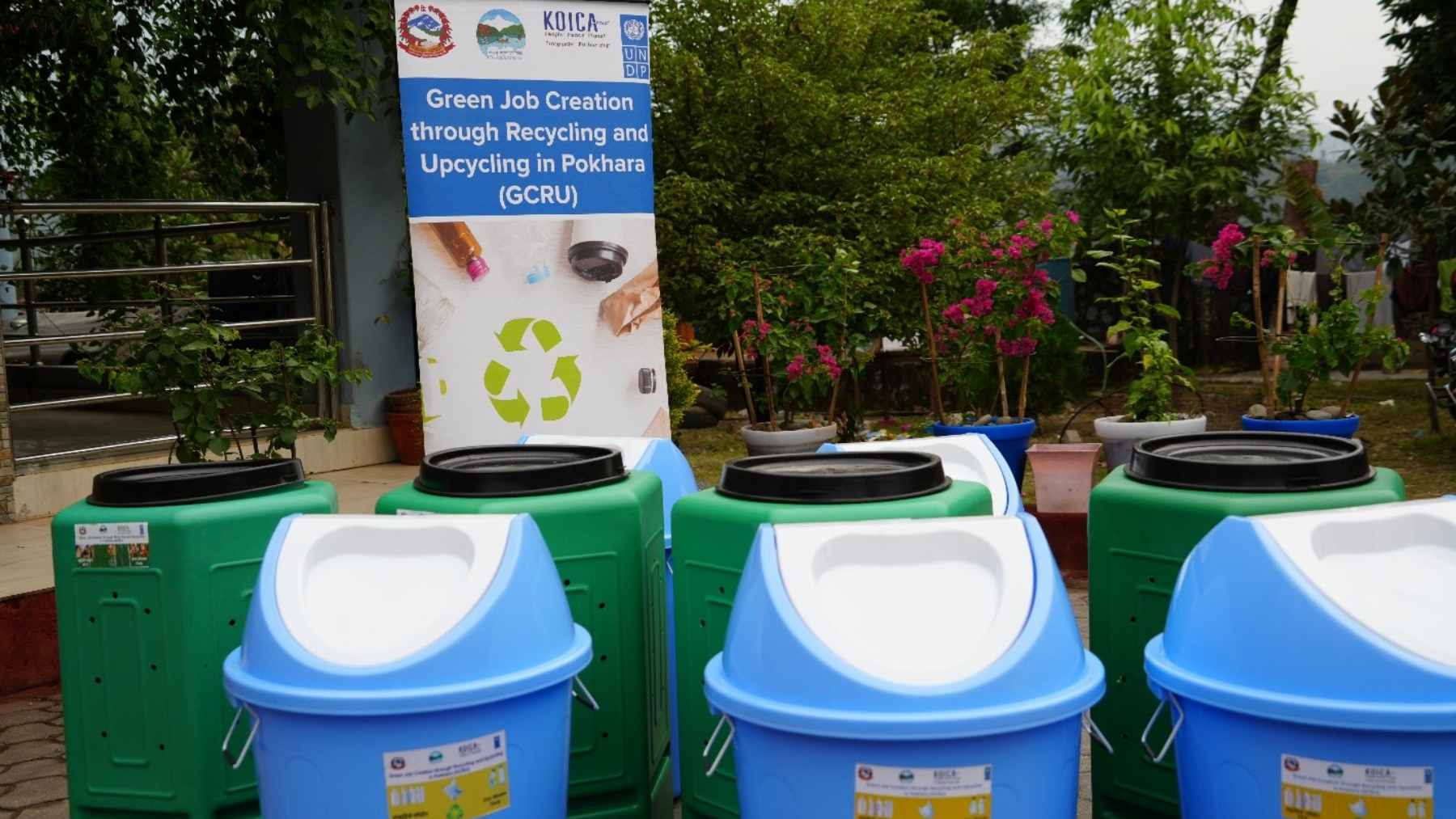
Pokhara is also trying to address waste before it reaches the road-building stage. UNDP Nepal reported that the city wants to reduce waste and move toward zero waste, with plans for source segregation, recycling, upcycling, and green job creation.
That matters because plastic roads cannot be the whole solution. At the end of the day, what Nepal is trying to do is give waste a second life, but the first priority still has to be producing less waste, sorting it better, and keeping it out of rivers and open fires.
So, is Nepal paving the future? Maybe. For now, it is paving a test lane, and the results could matter far beyond Pokhara.
The official statement was published on UNDP Nepal.