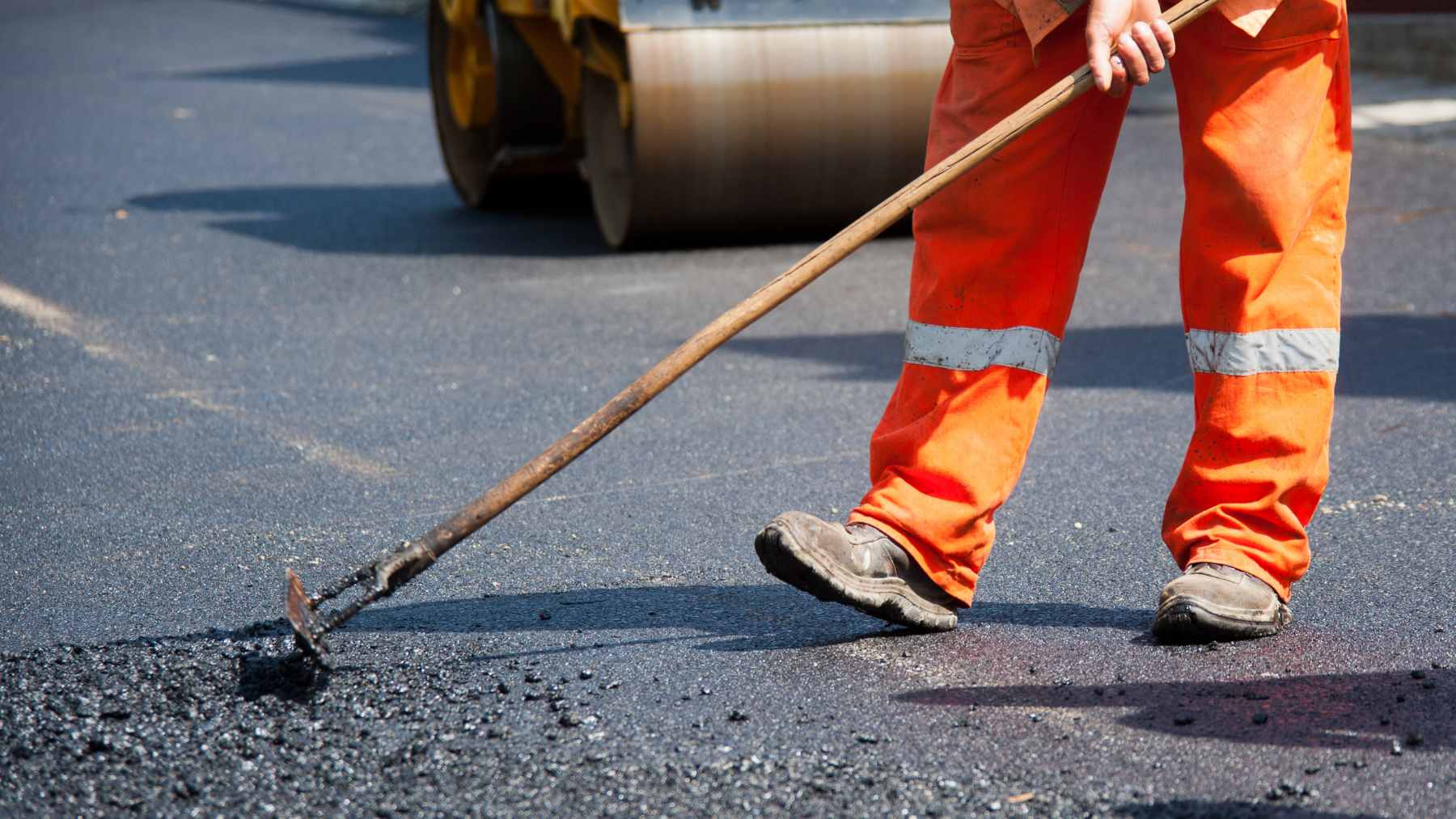
Most of us only notice the road when something goes wrong. A pothole appears after heavy rain, a crack grows across the lane, or the morning commute suddenly feels like the car is bouncing over a washboard.
Now, researchers in Brazil are testing a smarter way to build pavement by turning sugarcane waste into part of the asphalt mix. The idea is not to make asphalt disappear overnight. It is to make the blacktop under our tires last longer, waste less material, and maybe cut some of the costs that come with fixing roads again and again.
A new use for sugarcane ash
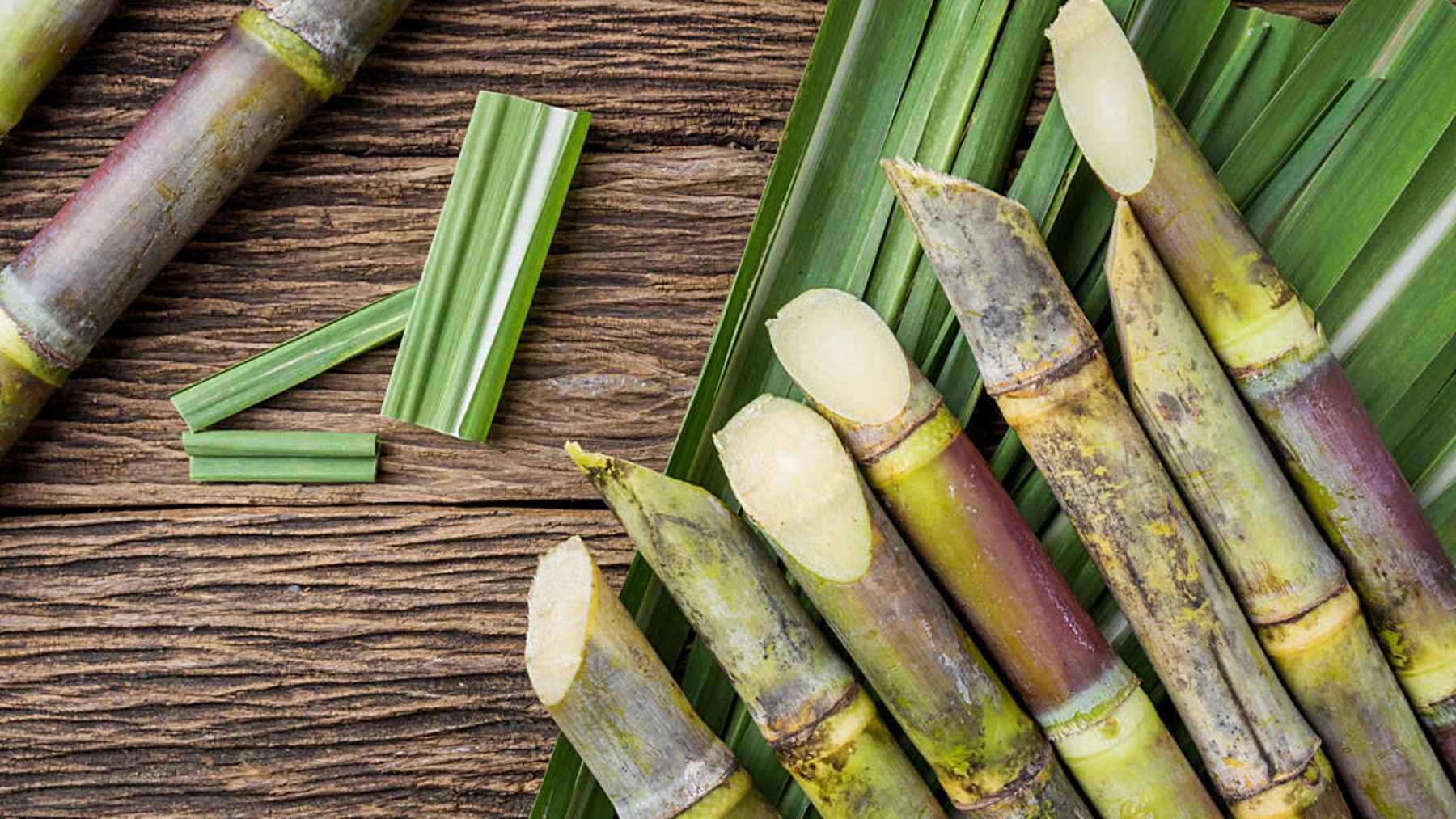
Researchers from the State University of Maringá studied whether sugarcane bagasse bottom ash could replace part of the fine mineral filler used in asphalt mixtures. Bagasse is the fibrous material left after sugarcane juice is extracted, and when it is burned for energy, ash remains behind.
That leftover ash is usually treated as a disposal problem, but the Brazilian team asked a simple question: what if some of that waste could help roads stand up better to traffic, heat, and wear?
In the study, the conventional filler was replaced with sugarcane bagasse ash at 5% of the total mineral aggregates. The researchers used a gap-graded rubberized asphalt mixture, a type of pavement designed for better performance under heavy loads.
The road got stronger
The numbers are what make this trial stand out. The asphalt mixture with sugarcane ash showed a 40% increase in Marshall Stability and a 22% improvement in indirect tensile strength compared with the reference mixture.
That matters because these tests are not just lab trivia. They help engineers understand how asphalt behaves when vehicles press, pull, and grind against it day after day.
The researchers also found an 18% increase in resilience modulus, which points to better elastic recovery under traffic loads. The Flow Number rose by 73%, suggesting the modified pavement could resist permanent deformation for longer before reaching a critical stage.
Tested on a real highway
This was not only a bench-top experiment. After laboratory testing, the mixture was applied to an experimental section of Brazil’s BR-158 highway in Paraná, between Peabiru and the Campo Mourão ring road.
The road section was no quiet backstreet. According to the study, roughly 3,000 light vehicles and 850 heavy vehicles per direction used the studied segment daily, giving researchers a meaningful real-world setting.
In the Hamburg Wheel Tracking Device test, samples from the ash-modified pavement showed 11% less permanent deformation after 20,000 passes. In another deformation test, the modified mix showed a 28% lower deformation rate within 10,000 cycles.
Why drivers should care
For drivers, the promise is easy to understand. Better asphalt can mean fewer potholes, less lane closure chaos, and fewer repair crews showing up just when traffic is already crawling.
There is also a quieter everyday benefit. Roads that deform less can offer a smoother ride, and smoother rides are not just about comfort. They can affect vehicle wear, fuel use, cargo safety, and that familiar frustration of hitting a rough patch you know is coming but cannot avoid.
The researchers reported that after three years, both the reference and ash-modified sections remained in excellent condition under the traffic they faced. Still, they expected the ash-modified mix to perform better over time because of its stronger mechanical results.
A waste problem becomes a road material
The environmental angle is just as important. Brazil is the world’s largest sugarcane producer, and the study noted that 548 million tons of sugarcane were processed during the 2022 and 2023 harvest season.
By a conservative estimate cited in the study, about 6.2 kg (13.6 lbs.) of ash are produced for every ton of sugarcane crushed. That suggests Brazil may have generated more than 3 million tons of this ash in one harvest alone.
Using some of that material in pavement could reduce the need to extract fresh mineral aggregates. That does not make road building impact free, of course, but it gives a bulky agricultural residue a second life instead of leaving it as another waste stream.
Not ready everywhere yet
Here is the catch: the study shows technical feasibility in both laboratory and field conditions, but it does not prove that every country can roll out sugarcane ash asphalt at scale tomorrow.
Materials vary by region, and roads face different stresses depending on climate, traffic loads, construction standards, and maintenance budgets. The intense summer sun can punish pavement in one way, while freezing winters can crack it in another.
At the end of the day, this is less about ending the asphalt era and more about improving how asphalt works. If further testing confirms these results, sugarcane waste could become a practical tool for countries that already produce it in large amounts.