A simple plastic bottle is now part of a much bigger environmental fight in northeastern Spain. In Alcañiz, a municipality in Aragón, authorities have captured 62 Asian hornet queens in traps placed along the Guadalope riverbank, after nine nests of Vespa velutina were found in the area last summer.
That number matters because every queen stopped in spring is one colony that may never form. The campaign began in March as a joint operation between Alcañiz City Hall’s forest guard and Nature Protection Agents from the Government of Aragón, with the aim of catching queens as they emerge from winter dormancy.
A cheap trap with a serious job
Can a recycled bottle really help slow an invasive species? Apparently, yes, at least as part of a wider monitoring effort.
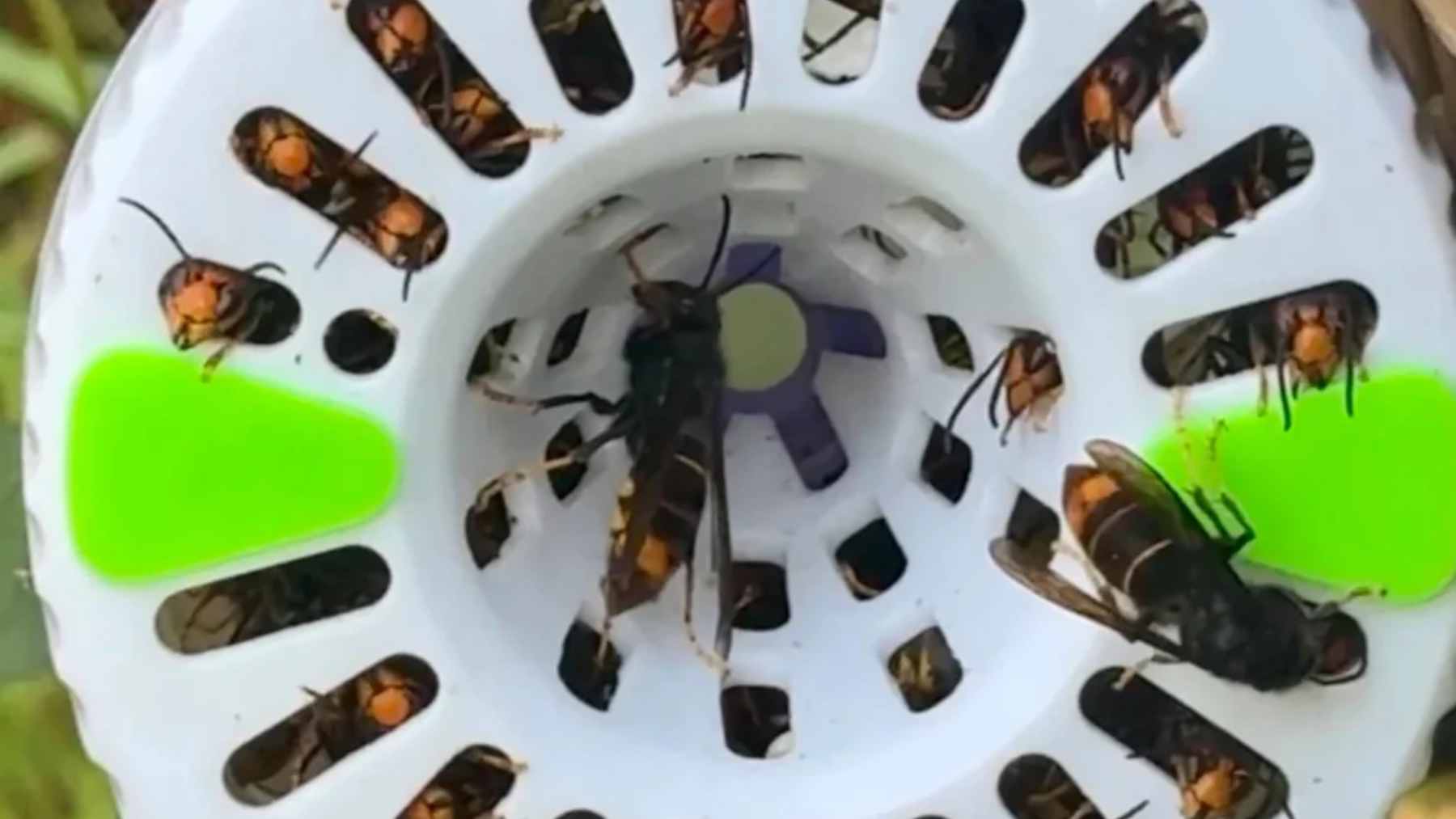
The traps look almost too simple. Some are handmade from plastic bottles, while others are commercial VespaCatch traps designed with openings meant for Vespa velutina queens and not the native European hornet, Vespa crabro.
All of them use a natural attractant made with water, sugar, and fresh yeast, according to the Alcañiz announcement. The idea is basic field tech, but clever enough to matter when the target is a fast-spreading insect.
Why queens are the target
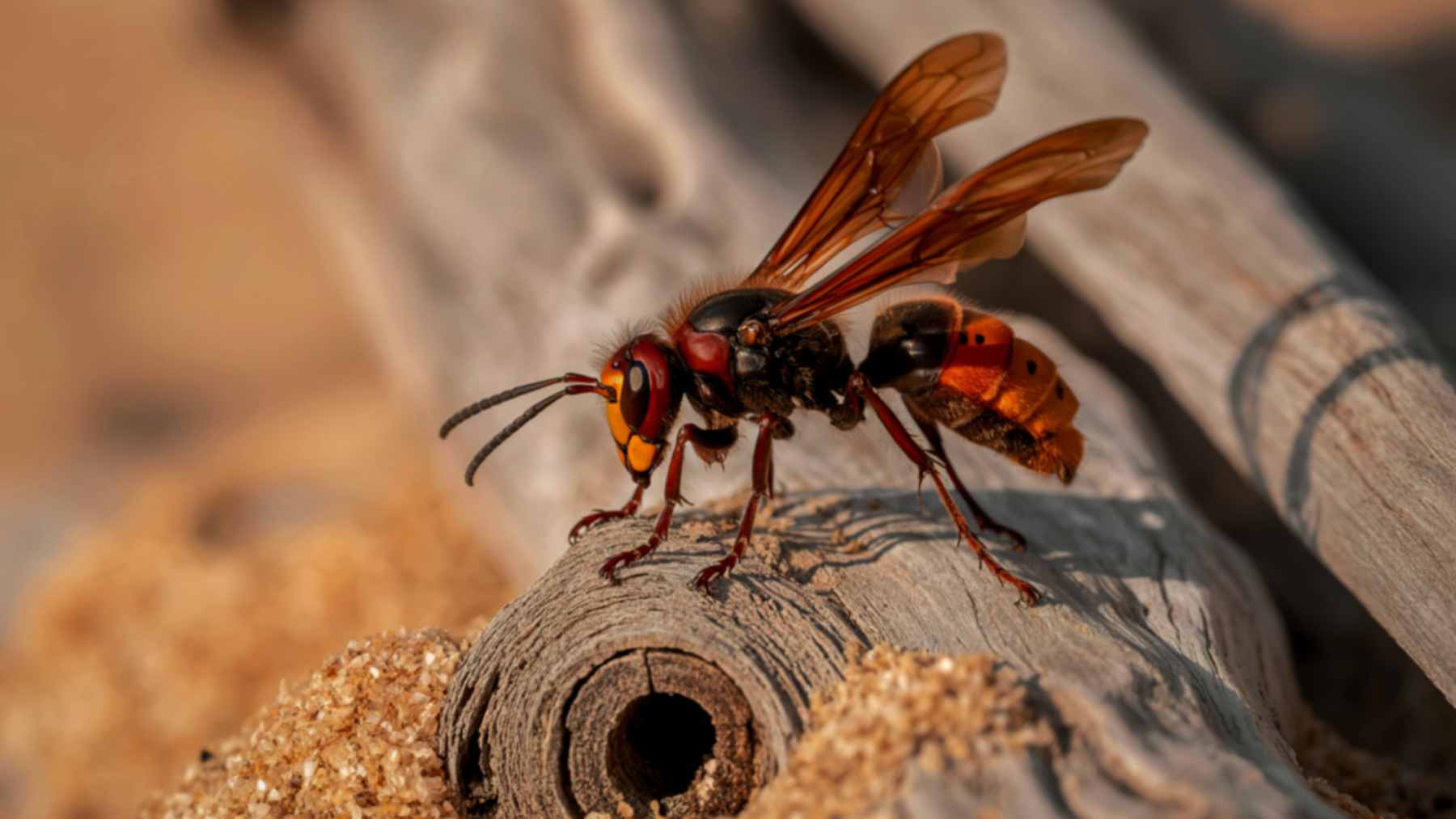
The timing is crucial. Spring is when Asian hornet queens leave winter dormancy and begin looking for places to build small primary nests.
Those first nests can be about the size of a tennis ball and may appear under roof edges, on buildings near the river, or in protected corners where people might not look twice. That’s why local officials are asking residents to report possible nests instead of touching them.
One missed queen can become a much bigger problem by summer. By then, removing nests is harder, especially when they are high in trees or hidden in hard-to-reach places.
Bees are already reacting
The alarm is not just about one insect replacing another. Asian hornets are predators of bees and other insects, which makes them a direct worry for beekeepers and for pollination.
Local reports say some beekeepers near Alcañiz have already seen hornets close to their hives. The bees respond by staying on guard at the hive entrance, a defensive posture that may look small from the outside but can disrupt the normal rhythm of a colony.
For anyone who has ever bought local honey at a market, this is where the story becomes less abstract. Fewer healthy hives can mean stress for beekeepers, crops, and the quiet pollination work that happens far from view.
The design challenge
There is a catch. Trapping invasive hornets is useful only if the traps do not become a hazard for native insects, too.
A 2024 study in the journal Animals found that baited traps remain controversial because of bycatch, meaning the accidental capture of non-target insects. The researchers said some trap models caught more Asian hornets, but also had lower selectivity and captured vulnerable native species.
That does not mean Alcañiz should stop acting, but the details matter, from trap holes and placement to how often the devices are checked.
A bigger Spanish problem
Spain’s Ministry for the Ecological Transition has a national strategy for the control, management, and possible eradication of the Asian hornet. The ministry says prevention of new introductions and limiting damage in regions where the species is present are central goals.
In Alcañiz, the campaign will remain active until May, when founding queens are still a priority target. The traps are placed in different points along the Guadalope riverbank, many of them in elevated locations close to where nests were found last year.
At the end of the day, this is not about a miracle bottle. It is about catching the problem early, before one queen turns into a colony and one colony turns into a summer full of noise, stings, and pressure on bees.
What residents should do
City Hall has asked people not to move, damage, or destroy the traps. That may sound obvious, but in a public river area, a hanging bottle can look like trash if people do not know what it is.
Residents are also being asked to help spot primary nests and report them to the authorities. That kind of local attention can be as important as the trap itself, especially in the first weeks of an invasion push.
The press release was published on Alcañiz City Hall.