Have you ever admired a piece of luxury wood furniture and thought, “It’s just a tree”? In Vietnam’s Central Highlands, one particular conifer is now so rare that even counting it feels like crisis management.
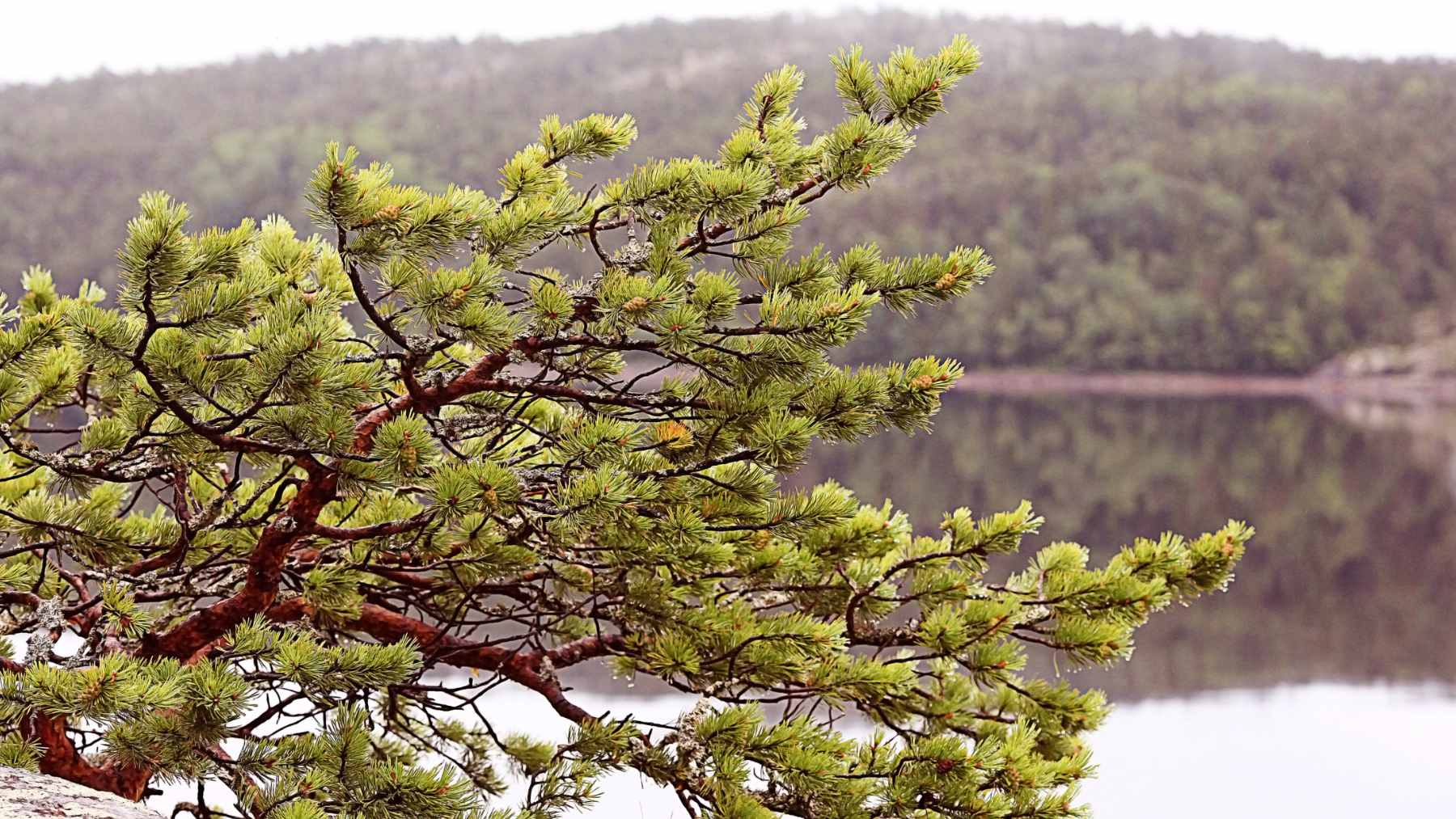
Only 162 wild water pine trees (Glyptostrobus pensilis) are known to survive naturally in Vietnam’s Dak Lak province, and officials and researchers are trying to keep the species from blinking out.
The big takeaway is simple: saving this swamp-loving tree now depends on tech-driven propagation and tighter control of a market that can turn a rare species into contraband.
A living relic with a tiny footprint
In Dak Lak, the remaining wild trees are spread across former administrative areas of Ea H’leo (142 trees), Krong Nang (19), and Buon Ho (1), rather than forming one healthy forest. Local reporting also describes two small habitat areas totaling about 308 acres, with staff rotating day and night patrols because the trees are so vulnerable.
Globally, conservation experts describe the species as critically endangered, with genuinely wild populations confirmed mainly in Vietnam and Laos and only small, fragmented stands remaining. Habitat conversion, swamp drainage, and illegal logging are repeatedly flagged as the core threats, and regeneration is often absent in the wild.
The business problem hiding inside a conservation story
Water pine is prized for reasons that sound almost harmless at first. Its wood is described as aromatic and visually distinctive, and it has a reputation for durability, which helps explain demand for high-end décor and woodcrafts. The trouble is that a “rare wood” label can be the beginning of the problem, not the end.
And rarity turns beauty into pressure. UNEP has warned that illegal logging and forest crime can be worth an estimated $30 billion to $100 billion a year, roughly 10% to 30% of the global timber trade, and that the money can feed wider security risks. As Achim Steiner put it, “Sustainable development, livelihoods, good governance and the rule of law are all being threatened.”
This is where “environment” starts looking like “risk management.” Interpol’s Project LEAP, for example, is explicitly built to help police and partner agencies detect and prevent illegal deforestation and related crimes.
Tech is changing what “saving a tree” means
So what do you do when a tree can’t reliably make the next generation on its own? A 2019 open-access study on the species found that regeneration can be extremely poor even in relatively healthier stands, and comparisons with Vietnam underline how quickly a population can slip toward a dead end.
Vietnam’s Ministry of Science and Technology says it has pushed that problem into the lab and the nursery.
In a national project that ran from 2021 to 2025, the ministry reports the successful propagation of 3,000 seedlings, creation of a 2.5-acre genetic collection garden, and a 12.5-acre experimental planting model in two Central Highlands provinces with survival above 85%.
The ministry also lists a total budget of VND 4.5 billion ($171,000) for the work, which signals a real shift from “protect what’s left” to “rebuild what’s missing.”
Enforcement is part of the equation
Vietnam’s protection rules treat the water pine as more than “just another tree.” The government list attached to Decree 84/2021 places Glyptostrobus pensilis in Group IA, the category for forest plants that require the strictest protection.
In practical terms, the legal system is designed to choke off commercial incentives. A separate case summary about a grafted water pine in a home garden in Can Tho spells it out bluntly.
It says “buying, selling, or giving it away for commercial purposes is not permitted under current law,” unless permitted for tightly defined non-commercial reasons such as research or conservation.
The next challenge is proof, especially once wood has been cut, transported, and reshaped into a finished product. A major review of timber verification tools notes that anatomical, genetic, and chemical techniques can help verify species and geographic origin, which is increasingly important for enforcing illegal logging laws.
A warning from history that still feels modern
If all this sounds intense for one species, there is a reason scientists keep using the word “fragile.” A 2025 Science Advances paper reconstructed the collapse of swamp cypress forests in China’s Pearl River Delta and concluded that Glyptostrobus pensilis is highly sensitive to human disturbance, with evidence pointing to fire and land-use change around 2,100 years ago.
Vietnam’s remaining stands sit in landscapes where water levels, drainage decisions, and even accidental fires can change fast, especially near intensive farming. That is why the most credible conservation plans look like a blend of field protection, genetics, and monitoring, not a single heroic tree-planting day.
For now, the race is on. The official statement was published on Vietnam’s Ministry of Science and Technology portal.