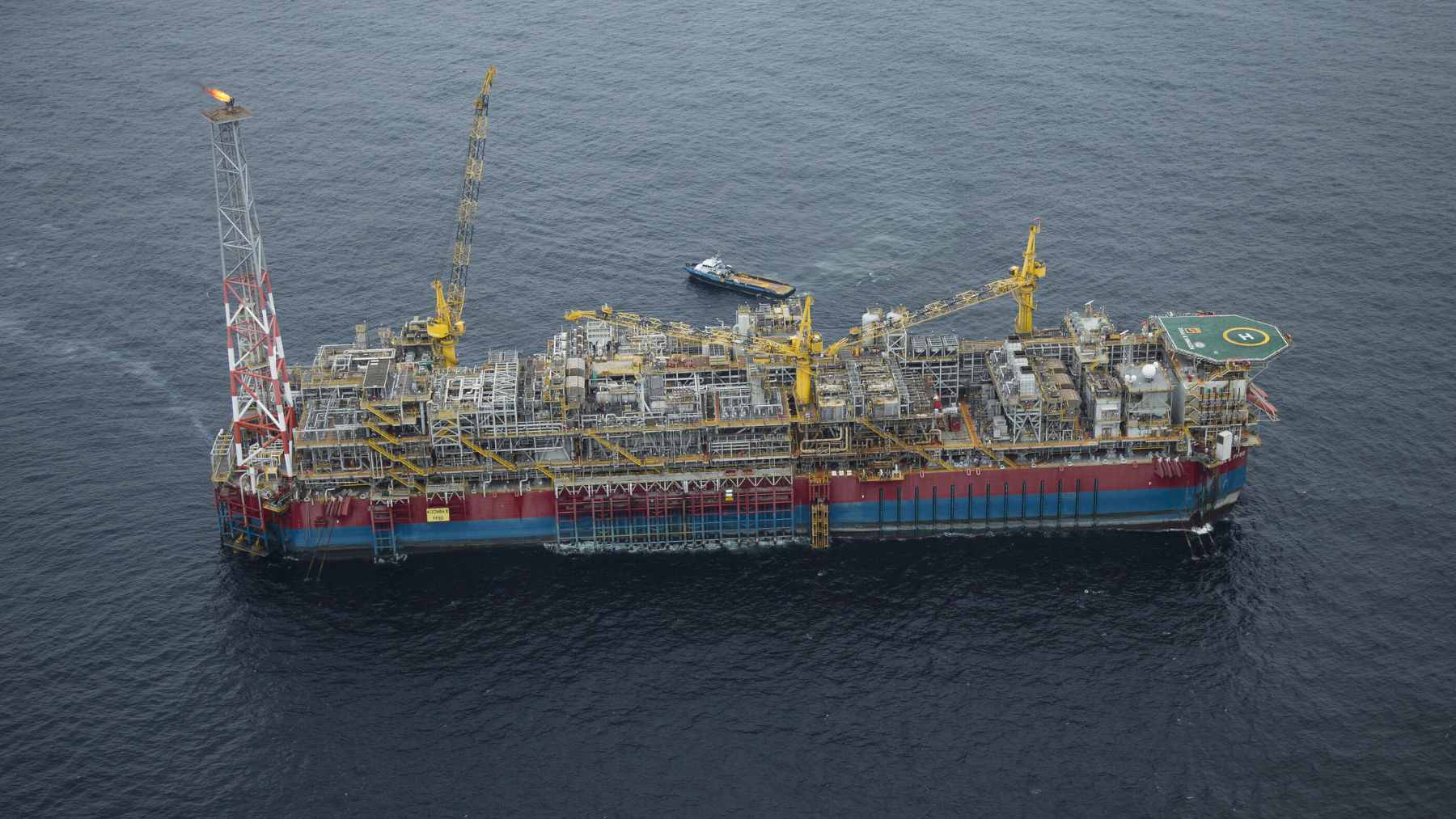
Greece’s offshore exploration restart just took another step forward, with ExxonMobil, Energean, and HELLENiQ Energy lining up exploratory drilling in “Block 2” in the northwestern Ionian Sea and targeting an early 2027 start.
For Western Greece, the immediate fight is not only about what might be found offshore, but which port gets to power the whole operation.
Three ports are now competing to host the drilling support base, and the numbers explain the sudden urgency.
Local officials and market sources point to a scenario where a project nearing €1 billion ($1.18 billion) can funnel up to €400 million ($472 million) into port-related services, right next to homes, ferries, and the everyday traffic around the terminal. Who wins the jobs, and who lives with the extra noise and emissions?
The hidden economy around offshore drilling
A drilling campaign needs far more than a rig and a crew. Greek reporting describes a service stack that includes logistics, equipment storage, towing, anti-pollution coverage, and security, plus the basics like catering and accommodations that keep offshore work running 24/7.
That is why ports are treating the base decision like a once-in-a-decade business opportunity. Patras port leadership, for example, has argued it could mean hundreds of direct jobs and many more indirect ones, with local small and mid-sized firms joining new supply chains.
But there is a second storyline hiding in plain sight. The same industrial buildout that helps drilling also raises the bar on environmental controls and emergency readiness, because a single incident can turn into a regional crisis fast.
Igoumenitsa leans on proximity and electrification
Igoumenitsa’s pitch starts with geography and speed. The port authority says it is close to Block 2, and its master plan aims to shift the harbor from a passenger gateway to a multifunction logistics hub that can serve tankers and specialized support vessels.
Infrastructure upgrades expected by 2026 are central to that plan, with officials describing space for storage, supply bases, and ship repair activity, plus better links via the Egnatia Motorway. The same public messaging also points to new investments in gas networks and digital infrastructure as part of a wider energy ecosystem.
Then there is the part that matters for air quality. Igoumenitsa officials have highlighted “green” features like onshore power supply so ships can plug in at berths, which can cut local exhaust and engine noise when the waterfront is packed in summer.
Patras and Astakos keep the pressure on
Patras is selling scale and skills. Its port authority has pointed to steady revenue from high-value services, job creation, and the region’s academic base as a pipeline for specialized talent, while stressing that environmental protection and safety upgrades would be necessary to take on the role.
Astakos is leaning into industrial practicality. Supporters of the Platygiali area highlight large available space, distance from dense residential zones, and port depth as advantages for heavy logistics and staging, with financing and ownership structure shaping how quickly it can expand.
The tech and safety layer that will decide what “responsible” means
The offshore side is moving, too. Stena Drilling says Energean has awarded an exploratory drilling campaign for the Stena DrillMAX in Block 2, with managed pressure drilling listed as a requirement and operations expected to begin in early 2027.
Separate briefings describe a sixth-generation drillship with dynamic positioning systems designed to hold position without anchoring, alongside safety equipment like a blowout preventer intended to control well pressure. None of that makes deepwater drilling “risk free,” but it is the minimum toolset regulators expect today.
Onshore, the safety net is just as important. Protothema reporting highlights that Greek support vessels and tugboat and salvage operators are expected to handle tasks from towing and supply runs to standby response for technical failures and environmental incidents.
The climate test is happening at the dock
Ports are being pushed to electrify whether drilling happens or not. The European Commission notes global shipping emitted 1,183 million tons of CO2 in 2018, about 2.9% of human-caused emissions, and EU rules now require shore-side electricity coverage in key TEN-T ports for most large container and passenger ship calls by the end of 2029.
So the irony is hard to miss. A port upgrade justified by oil and gas logistics can also help meet Europe’s shipping decarbonization rules and improve local air quality for people who live near ferry ramps and truck queues.
The harder part is what comes after the drillbit turns. Reuters has framed the Block 2 push as part of Europe’s effort to diversify away from Russian gas, while Greece’s hydrocarbons agency says the concession has now entered a second exploration phase that includes a well-planned drilling operation in about 1000 yards of water and more than 32 miles from shore.
That is why the environmental baseline studies, port electrification plans, and emergency response capacity will matter as much as the geology. Now the ports wait for the call, and so do the coastal communities.
The press release was published on Stena Drilling.