China is pushing clean energy storage into extreme territory with the Daofu pumped-storage power station, a massive project being built in Sichuan Province at about 14,100 feet above sea level.
Official reports describe it as the world’s highest-altitude, large pumped-storage power station, and its numbers show why it matters far beyond one mountain valley.
The project is not just another hydroelectric dam. Basically, it is a giant battery for the grid, designed to store electricity when demand is low and release it when homes, factories, and cities need power most.
That is the kind of technology that becomes more important as solar and wind power grow, because sunshine and wind do not always arrive when the electric bill says we need them most.
A battery in the mountains
The Daofu plant is planned for Daofu County, in the Garze Tibetan Autonomous Prefecture, along the Yalong River clean energy base. PowerChina says the project will have an installed capacity of 2.1 million kilowatts, equal to 2.1 gigawatts.
Its designed annual generation is about 2.994 billion kilowatt-hours, or almost 3 terawatt-hours. To put that into a familiar comparison, that would equal roughly one-quarter of Antioquia’s reported annual electricity demand of about 11,188 GWh, though this plant is meant to serve China’s grid, not Colombia.
The daily storage figure may be even easier to picture. Xinhua reported that Daofu is expected to store 12.6 million kilowatt-hours of electricity per day, enough for around 2 million households in Sichuan for one day.
How it works
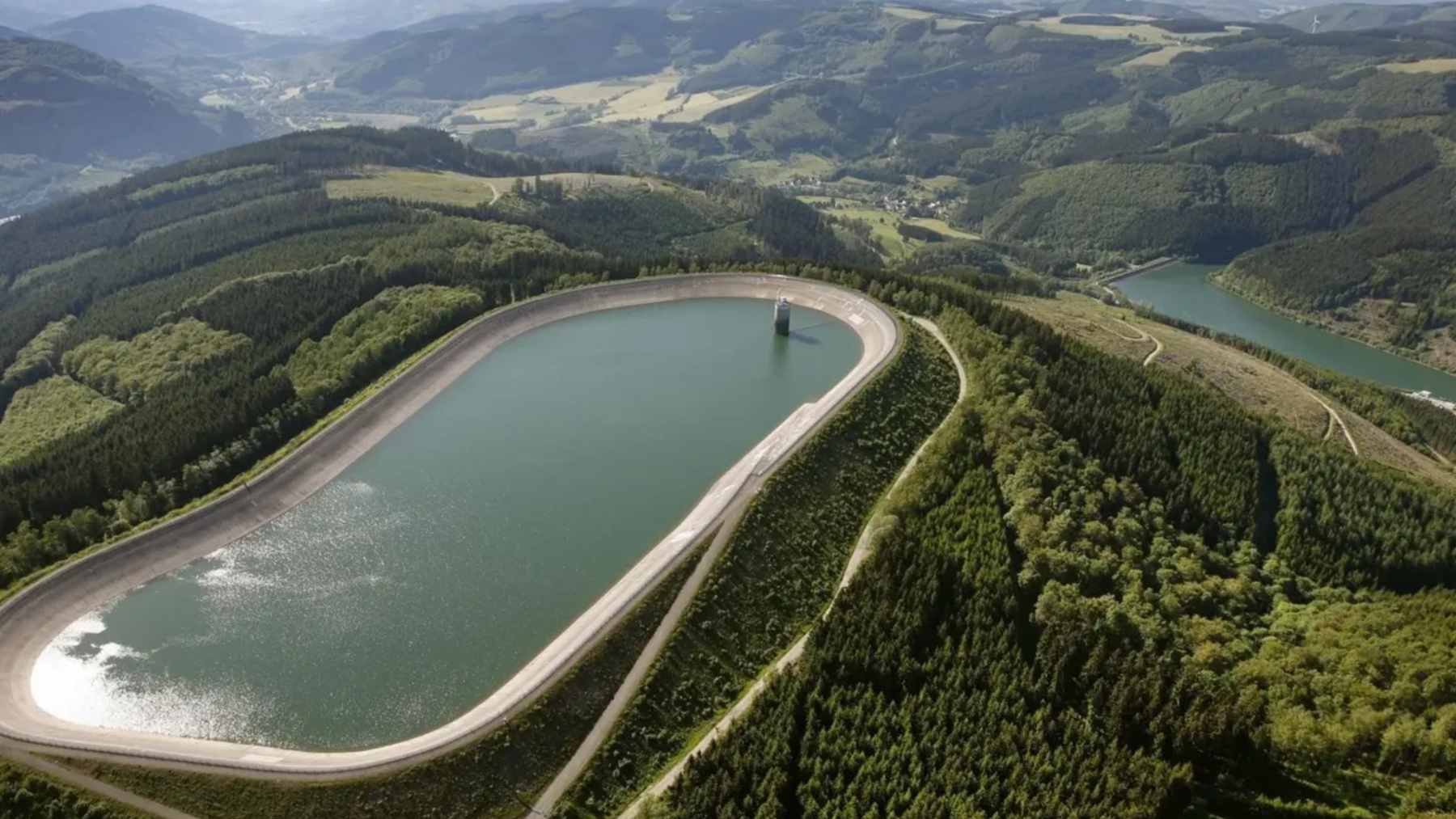
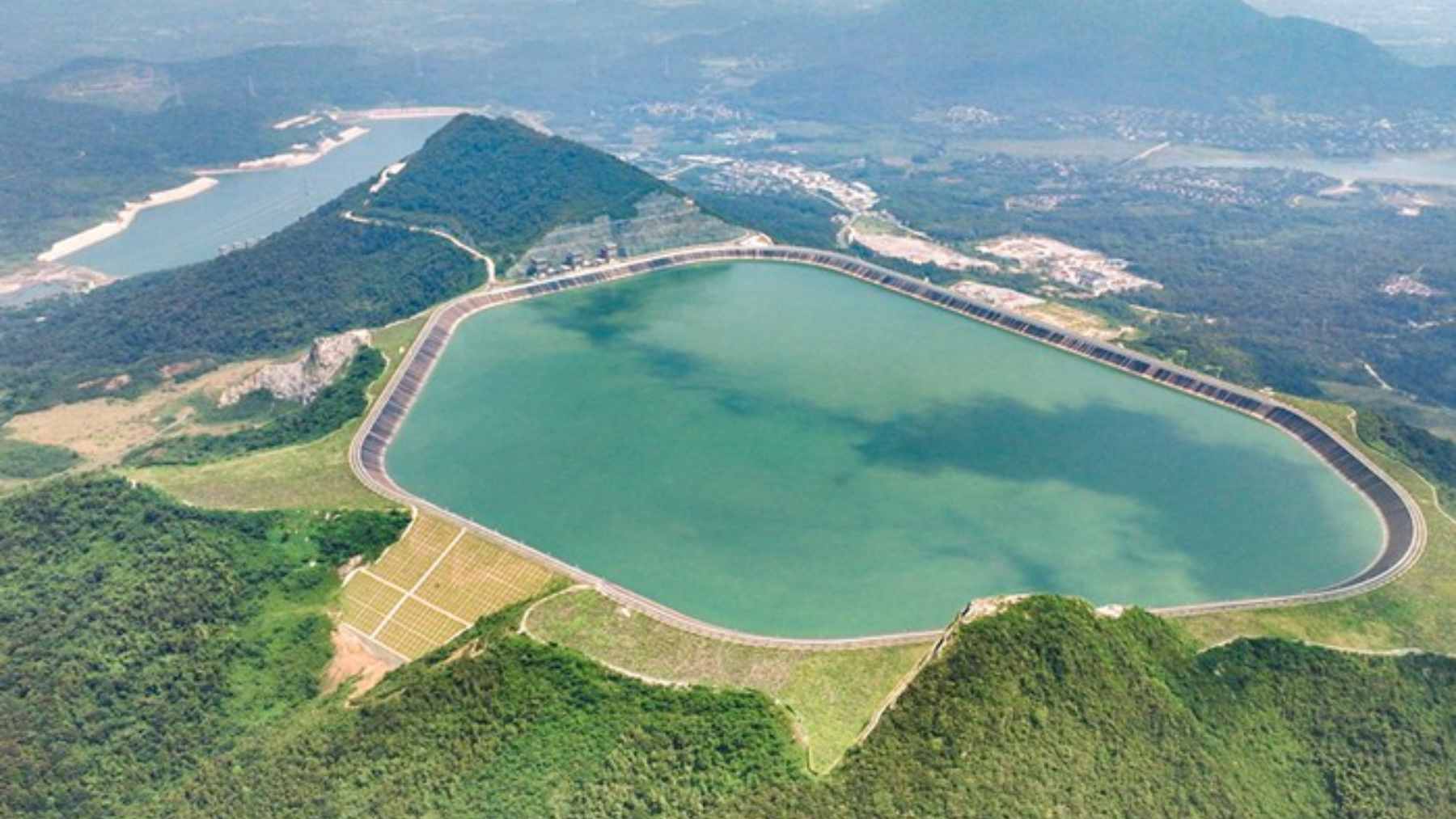
A pumped-storage plant does something simple, but at a huge scale. When electricity demand is low, it uses power to pump water from a lower reservoir to an upper reservoir. When demand rises, the water flows back down through turbines and generates electricity.
So where does the environmental angle come in? The point is not only to produce power, but to make cleaner power easier to use. Solar panels can flood the grid at noon, while a hot summer evening can push air conditioners into overdrive.
That is where Daofu becomes useful. Xinhua said pumped storage can complement wind and solar power, which bring larger fluctuations to the grid. In other words, the plant is supposed to smooth out the bumps.
Why the altitude matters
Building at 14,000 feet is not a small engineering detail. It changes the job for crews, machines, concrete work, electric equipment, and long-term maintenance. PowerChina described the project as challenging because large pumped-storage work at this kind of altitude has few precedents.
The plant will use six reversible units, each with a capacity of 350,000 kilowatts. It will include upper and lower reservoirs, a water conveyance system, an underground powerhouse, and a ground switchyard, according to official project details.
That complexity also explains the price tag. Xinhua reported an expected investment of ¥15.1 billion, or about $2.11 billion, making it one of Sichuan’s most ambitious energy storage projects.
A clean energy strategy
China’s energy challenge is not only building more solar panels, wind farms, or hydropower stations. It also has to move electricity at the right time and in the right form. Traffic jams are annoying on a highway, but congestion on an electric grid can be much more expensive.
The Daofu station is part of the Yalong River water, wind, and solar integration base, a major clean energy corridor in southwest China.
Xinhua reported that nearby photovoltaic resources exceed 20 million kilowatts, and that Daofu could help turn about 6 million kilowatts of variable solar generation into a smoother power source.
That is the bigger lesson here: clean energy is not only about generation anymore. To a large extent, the next race is about storage, transmission, and flexibility.
Not online yet
There is one important point to keep straight. The Daofu project has broken ground and is moving through construction work, but official sources do not describe it as already generating power.
A January 2026 PowerChina update said the project was still in a key preliminary construction stage, with access roads playing an important role before full progress on the main works.
That matters because headlines can make megaprojects sound finished before they are. For now, Daofu is best understood as a record-setting project under construction, not a plant already feeding millions of homes.
Still, the direction is clear. If completed as planned, this high-altitude energy storage system could become a powerful tool for stabilizing the grid, absorbing renewable energy, and reducing the pressure that comes when demand spikes.
The latest official project update was published on PowerChina Sixth Bureau.