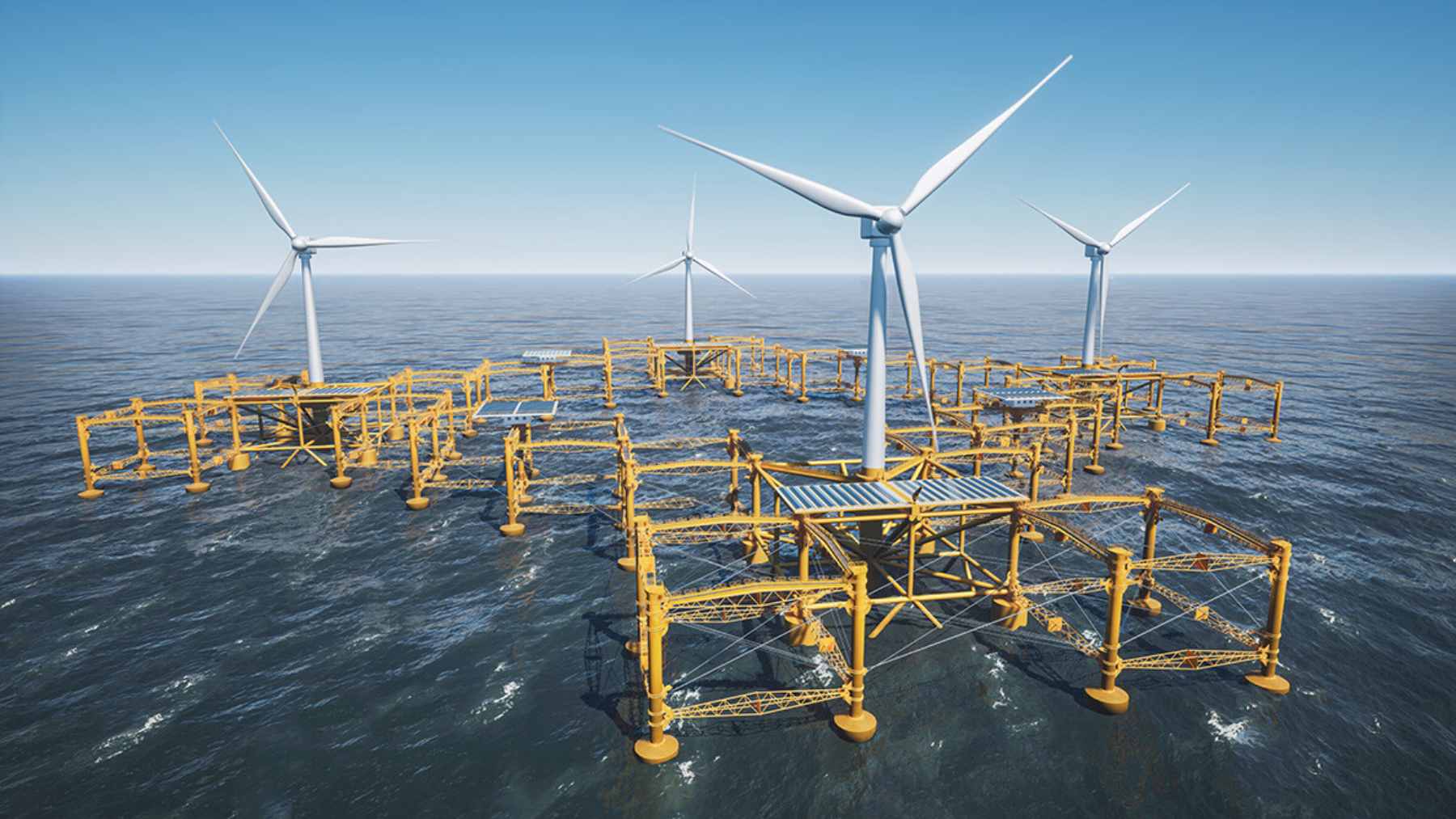
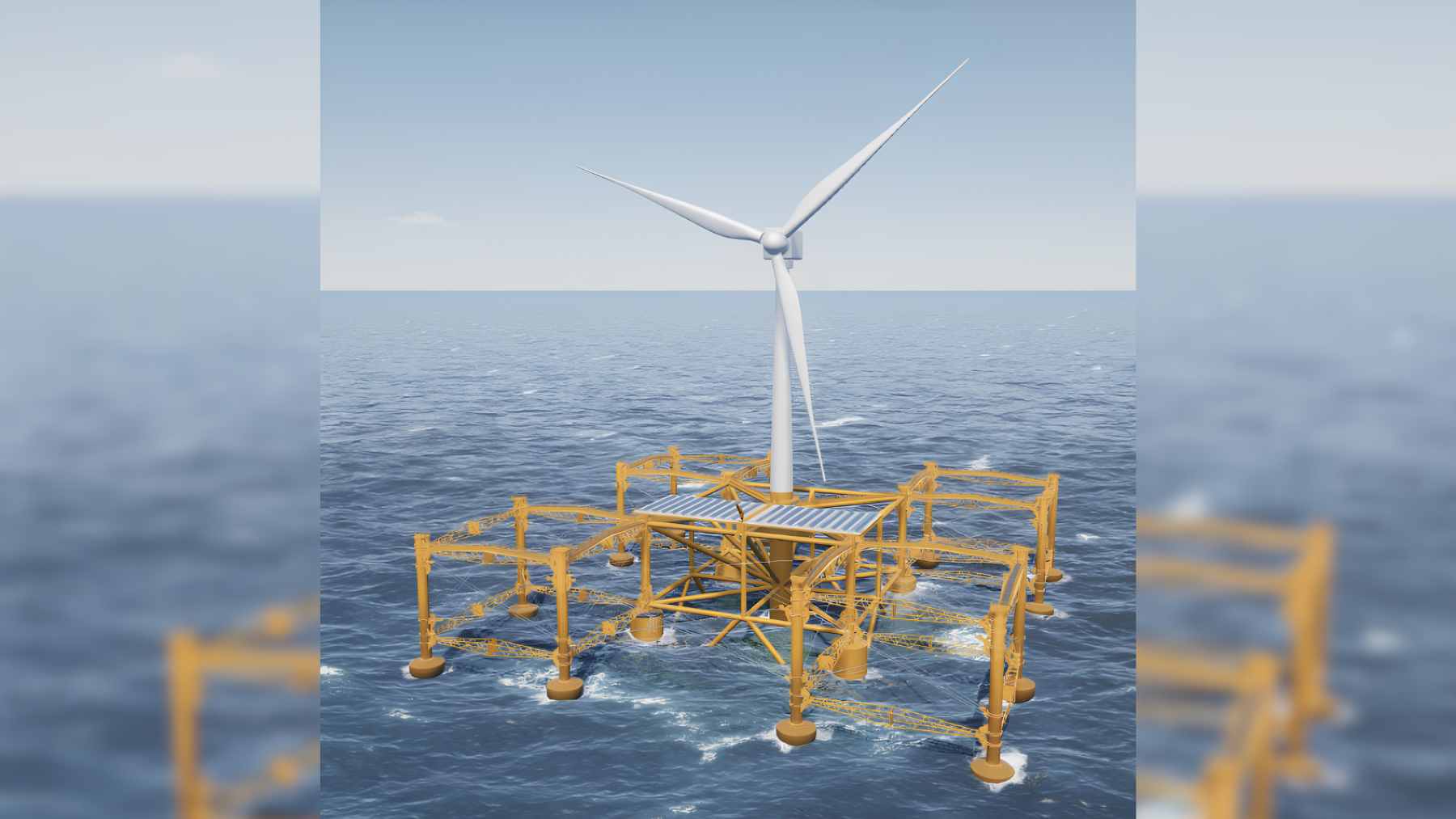
Flex2Future, a Norwegian company developing a hybrid offshore energy system called Flex2Power, says it has completed a test campaign at SINTEF Ocean in Trondheim. The system was pushed through simulated extreme conditions, including a “100-year storm” reference case, and the company says the structure behaved as predicted.
People have heard plenty of “game changer” claims in clean energy, and most never make it past a prototype. Could this be one of the rare concepts that actually earns a spot offshore, without creating a new mess for wildlife and coastal communities?
What the SINTEF tests really showed
According to Energy Transition Norway, SINTEF’s Ocean Basin exposed Flex2Power to complex wave and current scenarios designed to represent credible worst-case weather. The “power take off” equipment was also tested in a towing tank, since that is the hardware that turns motion into electricity.
The payoff is confidence in the models. Flex2Future CEO Erik Svanes said “strong alignment” between basin data and numerical simulations supports the calculation methods behind the design as it moves toward a full-scale demonstration.
The tech bet is that motion can be a feature
Flex2Power is designed to draw electricity from wind and waves at the same time, with a small solar add-on, and it is also built to harvest energy from the platform’s own movement in the water. In a project presentation, Flex2Future describes a central floating unit linked to four flexible “cubes” that bend under wind, wave, and current forces.
Inside the columns of those cubes, the company says it can install standard electric motors “like in electric cars,” and a pilot setup would include 72 motors. Flex2Future’s published concepts range from an “S1” unit rated at 19.2 MW of installed capacity to a larger 100 MW “Q1” layout, which helps explain why the first real sea trials matter so much.
The business case comes down to cost and buildability
Flex2Future’s materials include aggressive cost targets. A 2024 presentation estimates about 1 Norwegian krone ($0.11) per kilowatt-hour for a pilot and says industrial scale could reach 50 øre ($0.055) per kilowatt-hour, while also claiming the concept needs only 10% of the sea surface area compared with other floating wind approaches.
On its own site, the company publishes an industrial-scale LCOE estimate of €50 ($59) per megawatt-hour and says it is preparing to raise capital for a full-scale offshore demonstration.
The same 2024 presentation lists Rosenberg Worley as a construction partner and sketches a 25-year operating life for a pilot that sells electricity, which is where investors will start pressing for real uptime and maintenance data.
The ecology debate is already happening near Eigerøy
Flex2Future says a pilot is planned outside Eigerøy and that a license application has been submitted to the government. For coastal communities, that is where offshore innovation becomes personal, including boating routes, night skies, and the view from the shore.
A 2023 consultation letter from nature and outdoor organizations in Rogaland argues regulators should treat the project as a demonstration facility and require a full environmental impact assessment.
The groups note a planned distance of about 1 to 2 nautical miles from land and warn about visual impacts, safety zones for boat traffic, and risks to migratory birds, while researchers have stressed the need for better monitoring of bird and bat interactions with offshore wind.
Defense planners are watching offshore energy, too
Offshore renewables are climate tech, but they are also infrastructure, and infrastructure is a security topic now. A U.S. Army overview of operational energy argues that reducing fuel demand and improving on-site power resilience can lower risk and improve operational capability, which is one reason microgrids have moved higher on the defense agenda.
At sea, the concern is not just the turbine, it is the web of cables, substations, and maintenance activity that comes with it.
Recent reporting has described how European countries and NATO are moving to protect critical energy infrastructure and undersea links from sabotage, a trend that could shape risk and insurance costs for offshore projects.
What happens next
Flex2Future says it is working through test data, refining the design, and lining up funding for an offshore demonstration. That next step is where regulators, investors, and coastal communities will ask the same basic question in different ways, namely whether the benefits outweigh the costs.
If Flex2Power delivers, it could help make offshore renewables less “all or nothing” and more dependable in everyday life, including those weeks when the electric bill spikes.
The official statement was published on Energy Transition Norway.