Apple’s next chapter is not just about who replaces Tim Cook, or whether Siri can finally catch up in the AI race. It is also about something less flashy but just as important for the planet: the materials inside every iPhone, iPad, Mac, Watch, and pair of AirPods.
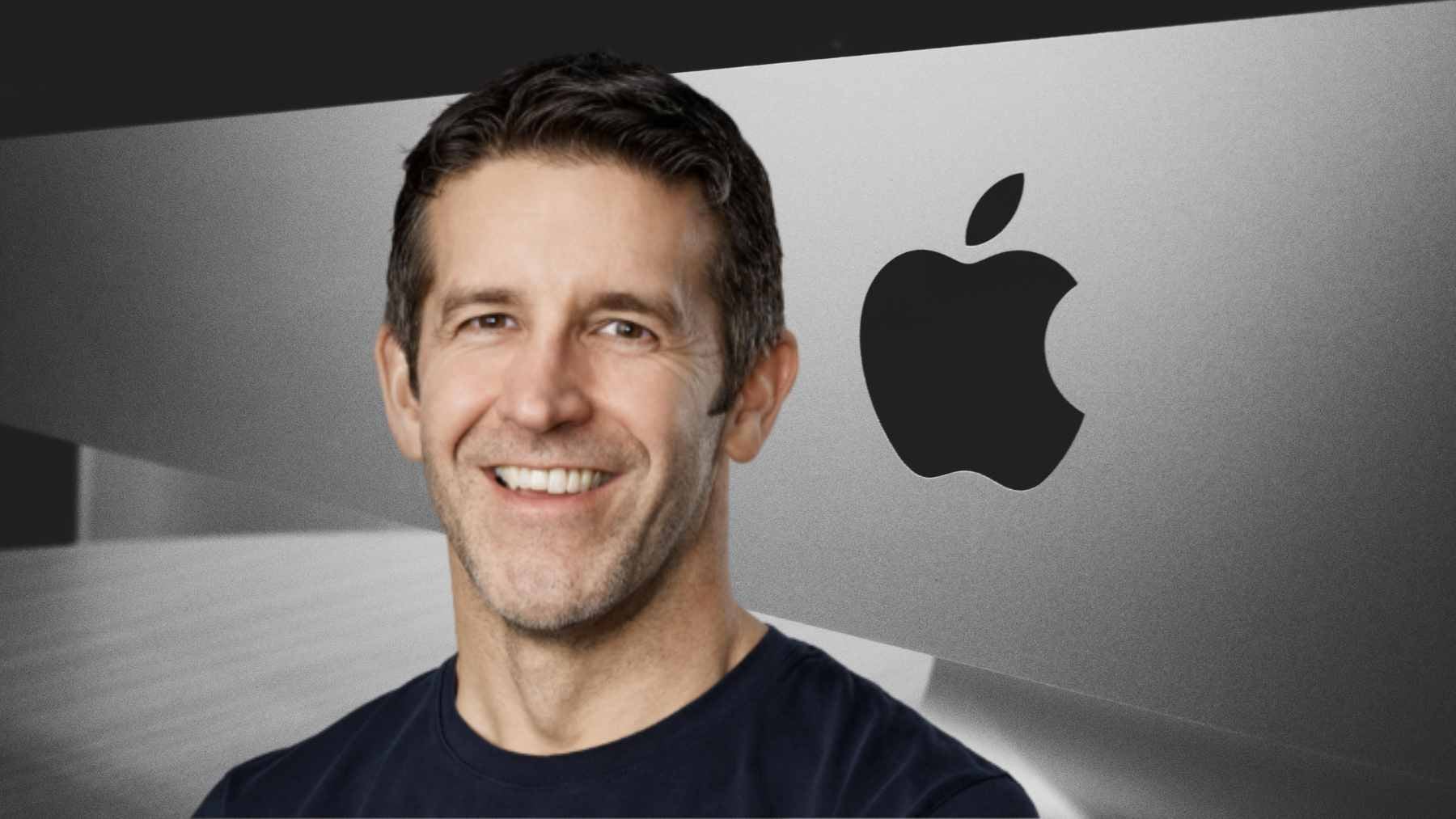
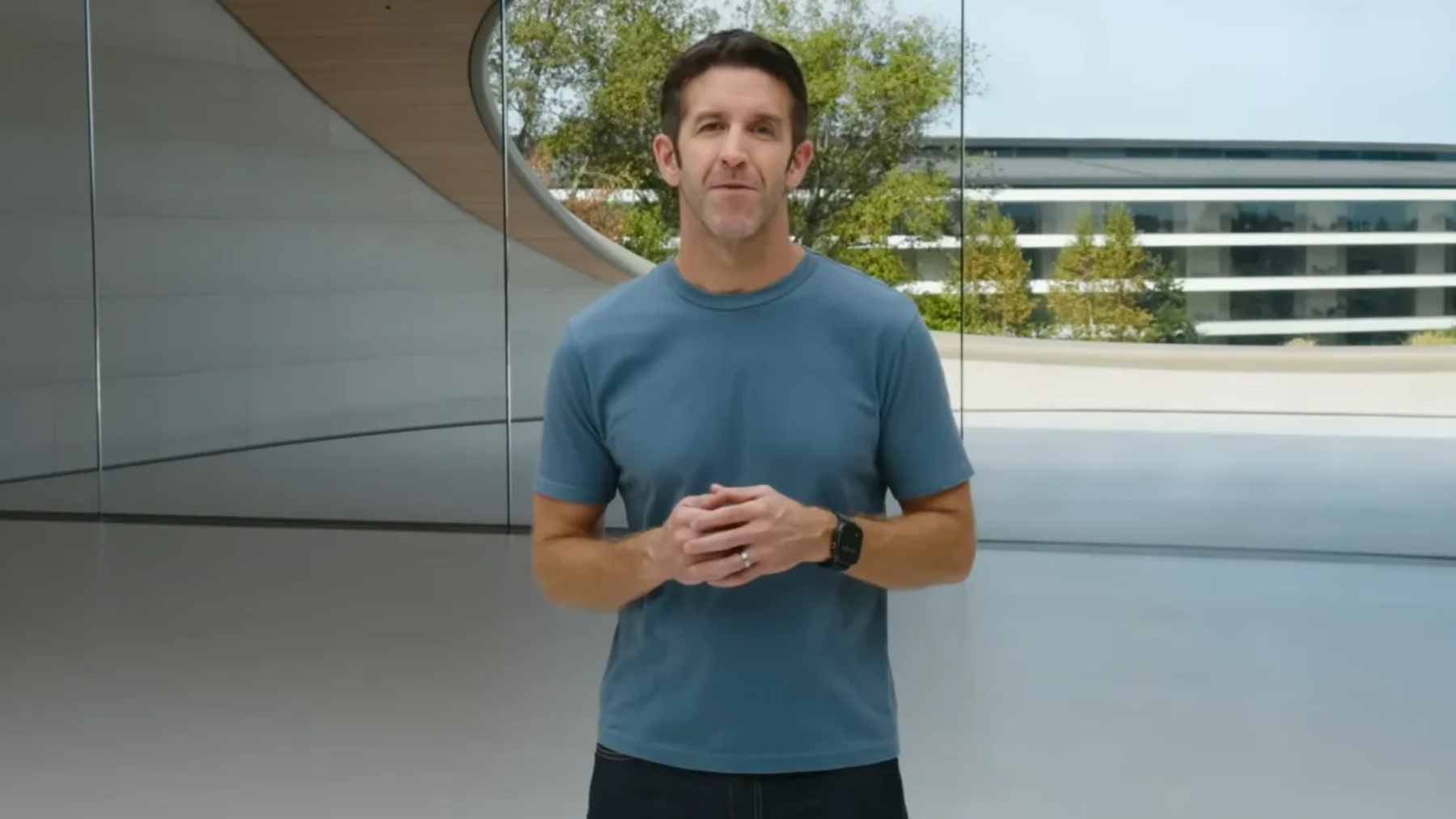
John Ternus, Apple’s senior vice president of Hardware Engineering, will become CEO on September 1, 2026, while Cook moves to executive chairman.
That puts Apple’s climate and recycling promises in the hands of a hardware veteran, not a media-friendly outsider, and that detail matters more than it may seem at first glance.
A hardware boss takes the wheel
Ternus joined Apple in 2001 and has spent years overseeing the engineering behind some of its most important devices, including the iPhone, iPad, Mac, Apple Watch, and AirPods. Reuters described his promotion as a bet on a longtime hardware insider at a moment when Apple is under pressure to show a stronger AI strategy.
That mix of hardware and AI is where the environmental story begins. A cleaner Apple will not be built only in board meetings or glossy Earth Day videos. It will be built into batteries, chips, screens, repair options, packaging, and the supply chain that makes all of it possible.
The green numbers are growing
By Apple’s own figures, 30% of the material across products shipped in 2025 came from recycled content, the company’s highest level so far. Apple also says it now uses 100% recycled cobalt in all Apple-designed batteries and 100% recycled rare earth elements in all magnets.
The company says its greenhouse gas emissions remained down by more than 60% in 2025 compared with 2015 levels, even during a year of business growth. Cook framed those targets as part of Apple’s belief in “leaving the world better than we found it,” a line that now becomes part of Ternus’ inheritance.
One product shows why his background matters. Apple’s MacBook Neo environmental report says the laptop contains 60% recycled content, uses 45% manufacturing electricity from supplier renewable energy projects, and needs 50% less aluminum for its enclosure compared with a traditional machining process.
AI brings a power problem
Apple’s timing is tricky. The company needs better AI features, but AI is putting fresh pressure on electricity systems around the world, and that can eventually show up far from Silicon Valley, from the local grid to the electric bill at home.
The International Energy Agency projects global data center electricity consumption will roughly double by 2030, reaching around 945 terawatt-hours, with AI as a major driver. In practical terms, the smarter phones and laptops become, the more important it is to know whether that intelligence runs efficiently on the device or leans heavily on power-hungry data centers.
That is where Ternus could shape Apple’s future in a very direct way. Efficient chips, longer battery life, and more on-device processing may not solve the AI energy problem by themselves, but they can help decide how heavy Apple’s digital footprint becomes.
Growth is the harder test
Apple is not trying to shrink into a quiet eco-brand. It reported $111.2 billion in revenue for its fiscal second quarter of 2026, up 17% year over year, while also highlighting demand for new products including MacBook Neo.
That makes the challenge more complicated. If Apple sells more devices, it has to keep proving that recycled materials, cleaner electricity, less packaging waste, and longer-lasting products are not side projects. They have to survive the pressure of growth.
Apple says Ternus has already driven materials and hardware design work that reduced product carbon footprints, including recycled aluminum, 3D-printed titanium, and repairability improvements. Still, experts and customers will be watching the next launches closely. Pretty slides are not enough anymore.
What buyers should watch next
For everyday users, the greenest Apple product is often the one that lasts longer, gets repaired instead of replaced, and is recycled properly when it finally reaches the end of its life. That may sound less exciting than a new AI assistant, but it is the kind of choice that quietly adds up.
The next real test will come through Apple’s product environmental reports, not just keynote applause. Watch for recycled material percentages, manufacturing electricity figures, battery longevity, repair options, and whether Apple explains the energy cost of its AI features in plain English.
Ternus is taking over a company famous for making technology feel simple. Now he has to make its environmental math feel credible, too.
The official statement was published on Apple Newsroom.