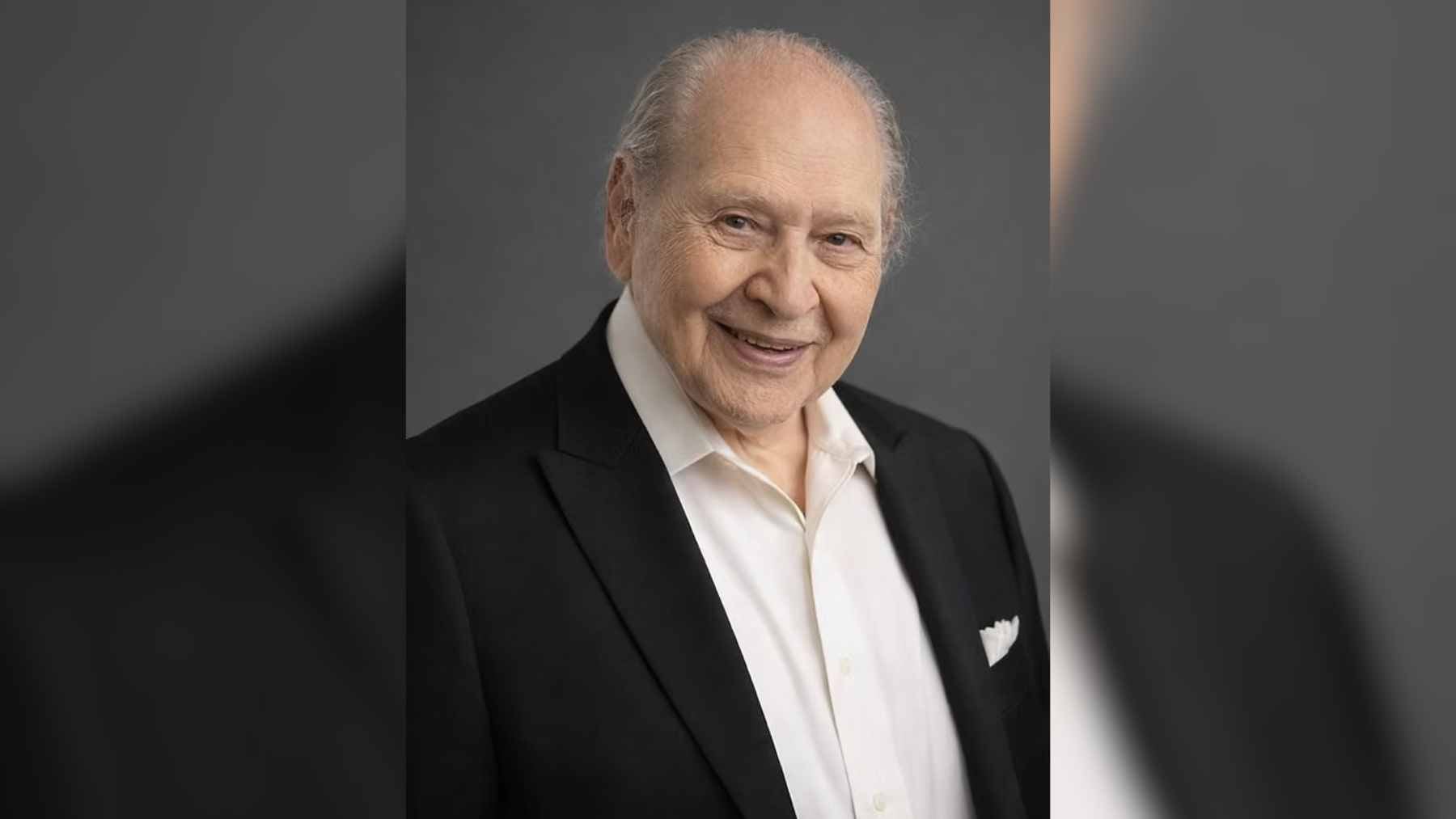
Ronald Wayne is back in the news for one of the most famous “what ifs” in tech history. The 91-year-old Apple cofounder sold his 10% stake in the company for $800 just 12 days after it was formed, a share Fortune says could theoretically be worth more than $400 billion today.
But the real story is not just about a missed fortune. Wayne says he does not regret the decision, and his new partnership with Anheuser-Busch over a very different kind of “apple” product turns that old Silicon Valley legend into a timely lesson for entrepreneurs, including those building climate, agriculture, packaging, and clean-tech businesses.
A famous exit still echoes
Back in 1976, Wayne was working as an engineer at Atari when Steve Jobs brought him in to help persuade Steve Wozniak to start a computer company. Wayne drafted Apple’s original partnership agreement and received a 10% stake, while Jobs and Wozniak each held 45%.
Then he walked away. Wayne sold the stake back for $800 and later received another $1,500 to give up any future claim to Apple, a decision that now looks staggering only because we know how the story ended.
The risk looked different then
In hindsight, Apple feels inevitable. In 1976, it was anything but.
Jobs had taken out a $15,000 loan to fulfill the company’s first order from a Bay Area computer store, and Wayne feared the business could leave him personally exposed if things went wrong. Unlike his much younger co-founders, he had a house, a car, and assets that could be at risk.
That is the part of the startup myth people often skip. Wayne later warned entrepreneurs that, in a general partnership, liability may not stop at your ownership percentage, meaning a small stake can still come with very large danger.
The new apple product
Wayne has now leaned into the irony of his Apple story by partnering with Anheuser-Busch to promote Busch Light Apple, a limited-edition beer returning to shelves. The company’s official announcement says Busch Light is “once again teaming up” with Wayne for the 2026 return.
The campaign may sound like a joke, but the numbers suggest it is serious business. Parade reported that last year’s return sold 1.2 million cases in the first month, and Anheuser-Busch said 27% of sales came from shoppers new to the category.
Why this touches the environment
A beer launch may seem far away from ecology. But beverage companies depend on crops, water, cans, transportation, refrigeration, and electricity, the everyday stuff behind every cold drink pulled from the fridge.
That is where the environmental angle becomes harder to ignore. AB InBev says its business is closely tied to the natural environment and that it is already seeing climate-related impacts across its value chain.
The company lists climate action, water stewardship, smart agriculture, and circular packaging as part of its sustainability work. It also says it aims to use 100% renewable purchased electricity and cut carbon emissions across its value chain by 25% by 2025, with a broader ambition to reach net zero by 2040.
The green business lesson
Wayne’s warning matters because more young people are looking at entrepreneurship as a real path. Fortune cited ZipRecruiter data showing that nearly 38% of graduates in the classes of 2025 and 2026 said they were considering launching their own companies.
Some of those founders will chase artificial intelligence. Others will build businesses around clean energy, sustainable packaging, water systems, regenerative farming, or low-carbon food and drink.
His advice is blunt: “understand your risk in practice, not just on paper,” Wayne told Fortune. “Have counsel.”
Not regret, judgment
It is easy to mock Wayne’s exit because hindsight is cheap. But his point is simpler, and for the most part, more useful.
A business can have enormous upside and still be the wrong deal for the person signing the papers. That applies to a garage computer company, a viral beverage campaign, or a climate-tech startup promising to clean up an entire industry.
At the end of the day, Wayne’s story is less about losing money than understanding exposure before the dream gets too loud.
The official statement was published on Anheuser-Busch.