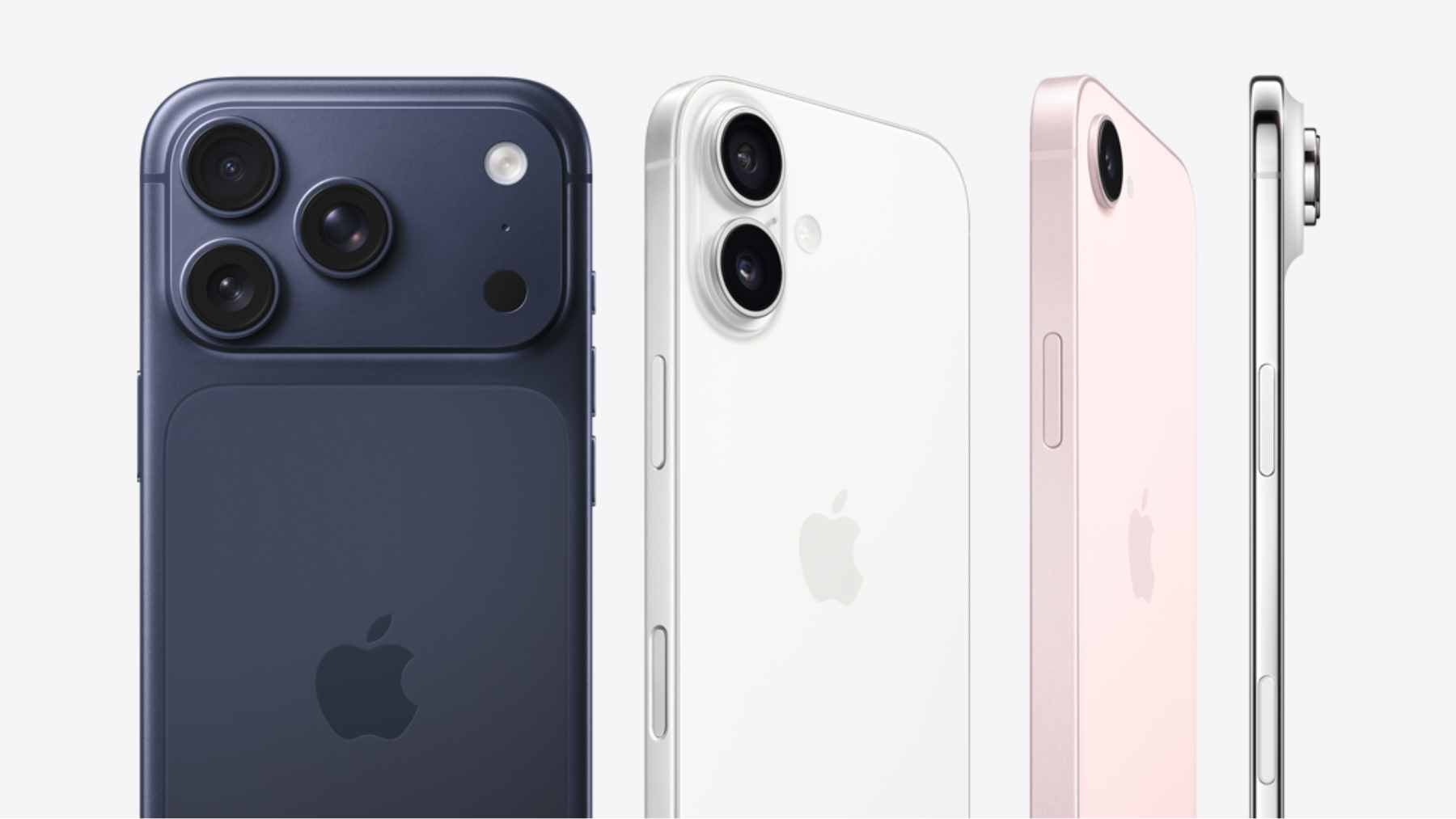
Apple’s next standard iPhone may be heading for a major memory upgrade, and this time the story is bigger than speed. According to analyst Dan Nystedt, the regular iPhone 18 could ship with 12 GB of RAM, a first for Apple’s entry-level flagship model and a move widely linked to heavier Apple Intelligence features.
That sounds like good news for anyone tired of slow apps, laggy photo tools, or AI features that only work on the most expensive phones. But there is another side to this upgrade.
If artificial intelligence is going to live inside everyday devices, not just in distant data centers, then every new iPhone becomes part of a much bigger environmental equation.
What is being rumored
The claim is simple, but important. Nystedt says the standard iPhone 18 could match the 12 GB of RAM reportedly used in the iPhone 17 Pro and iPhone 17 Pro Max, which would narrow the hardware gap between Apple’s regular and premium models.
Apple has not announced the iPhone 18, confirmed its memory, or detailed its release plan. Current reports say the iPhone 18 Pro, iPhone 18 Pro Max, and a foldable iPhone are expected first in September 2026, while the standard iPhone 18 and iPhone 18e could arrive in spring 2027.
That would be a big change for shoppers used to seeing the whole iPhone family arrive together in the fall. It could effectively mean buyers who want the regular model may have to wait, while Apple’s most expensive phones get the spotlight first.
Why RAM matters for AI
RAM is not flashy like a camera lens, but for AI it matters a lot. More memory helps a phone keep larger models, images, app data, and background tasks ready without constantly slowing down or pushing work elsewhere.
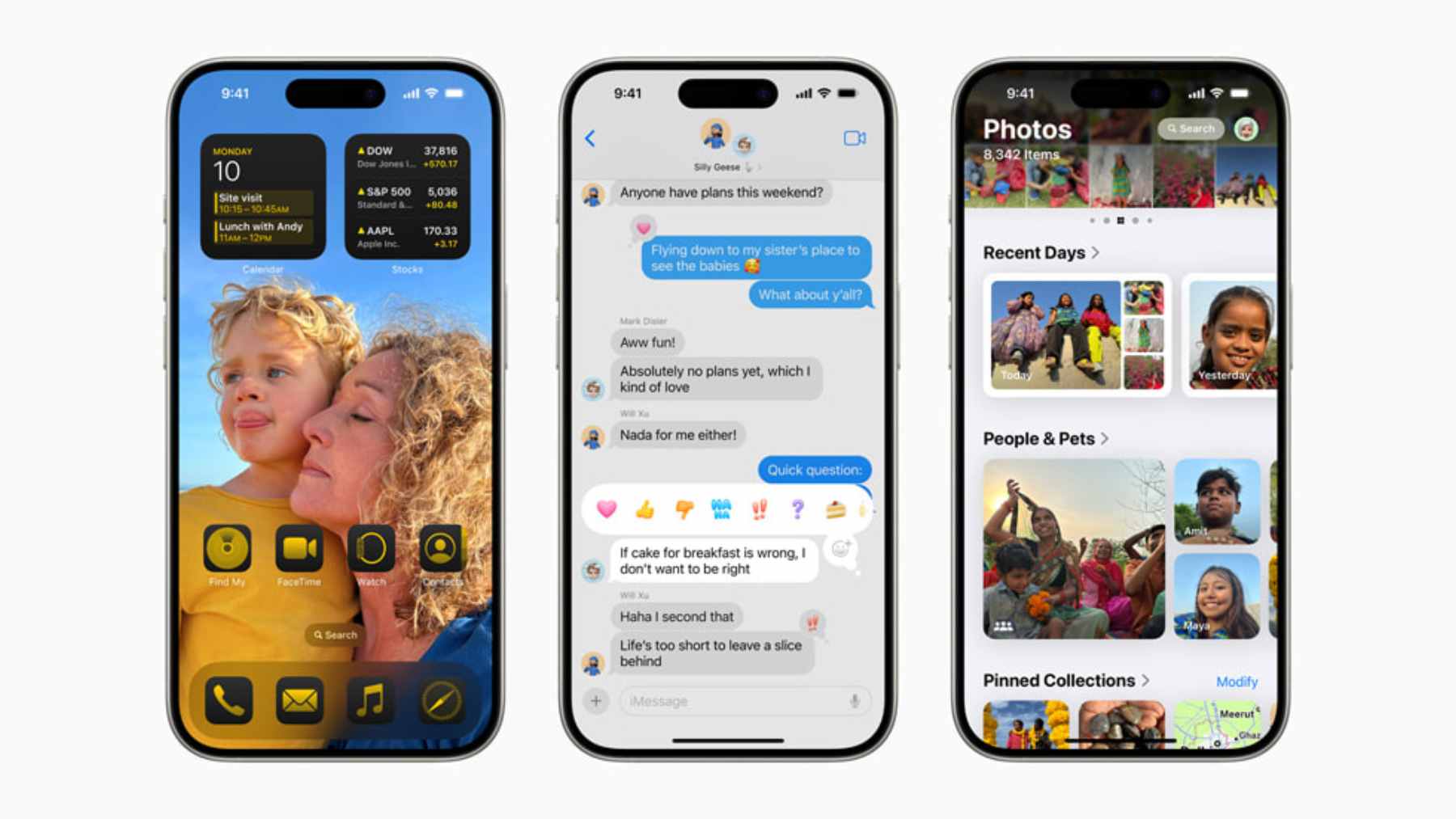
Apple says Apple Intelligence is built around on-device processing and can also use Private Cloud Compute for more complex requests. That setup is meant to balance privacy, performance, and server-based power when the phone itself is not enough.
So why would the standard iPhone need more RAM? To a large extent, the answer is that Apple appears to be preparing its base model for a future where AI is not a bonus feature, but the way photos get edited, messages get summarized, and Siri becomes more useful in everyday life.
The 2nm chip angle
The rumored RAM jump is not the only hardware story here. Reports also point to Apple using an A20 chip tied to TSMC’s 2 nm process, which would be a major step beyond the 3 nm chips used in recent iPhones.
TSMC says its 2 nm N2 technology began volume production in the fourth quarter of 2025 and uses first-generation nanosheet transistor technology. The company describes N2 as a process built for better performance and lower power consumption, especially in smartphones and high-performance computing.
That matters when you think about the electric bill, battery life, and muggy summer days when a phone starts to warm up in your hand. TSMC previously said N2 could deliver a 10% to 15% speed improvement at the same power, or a 25% to 30% power reduction at the same speed compared with N3.
The environmental catch
Here is the tricky part: a more efficient chip can help reduce energy use during daily operation, especially if more AI tasks happen locally instead of being sent to remote servers. But that does not automatically make an AI phone “green.”
Phones still require mining, manufacturing, shipping, charging, and eventually recycling. More memory and more advanced chips can make a device more capable, but they also raise the stakes for Apple’s supply chain, where raw materials and semiconductor production carry real environmental costs.
Apple says it reached 30% recycled material across products shipped in 2025, with 100% recycled cobalt in all Apple-designed batteries and 100% recycled rare earth elements in all magnets. Those are meaningful numbers, but they do not erase the pressure created when millions of people replace working phones to get the newest AI features.
What buyers should watch
For consumers, the smartest question may not be “How much RAM does it have?” It may be “Will this phone last longer because it has more RAM?” If the answer is yes, the environmental case becomes stronger.
A standard iPhone 18 with 12 GB of RAM could age better as Apple Intelligence grows more demanding. That would help users keep a phone for more years, which is usually better than upgrading just because a feature is locked behind newer hardware.
But there is still a fine line. If AI becomes the new reason to replace phones faster, the climate benefit of efficient chips could get swallowed by the churn of yearly upgrades. That is the tension Apple has to manage.
Apple’s next reveal
Apple’s official WWDC26 page confirms that the developer event will run from June 8 to June 12, 2026, where the company will reveal its latest tools, frameworks, and features. It does not confirm iOS 27 details, but that event is now the place to watch for the next phase of Apple Intelligence.
For now, the iPhone 18 memory claim remains a rumor. Still, it points toward a clear direction for the industry, where AI performance, chip efficiency, business strategy, and environmental responsibility are all becoming part of the same story.
The official statement was published on Apple’s Newsroom.