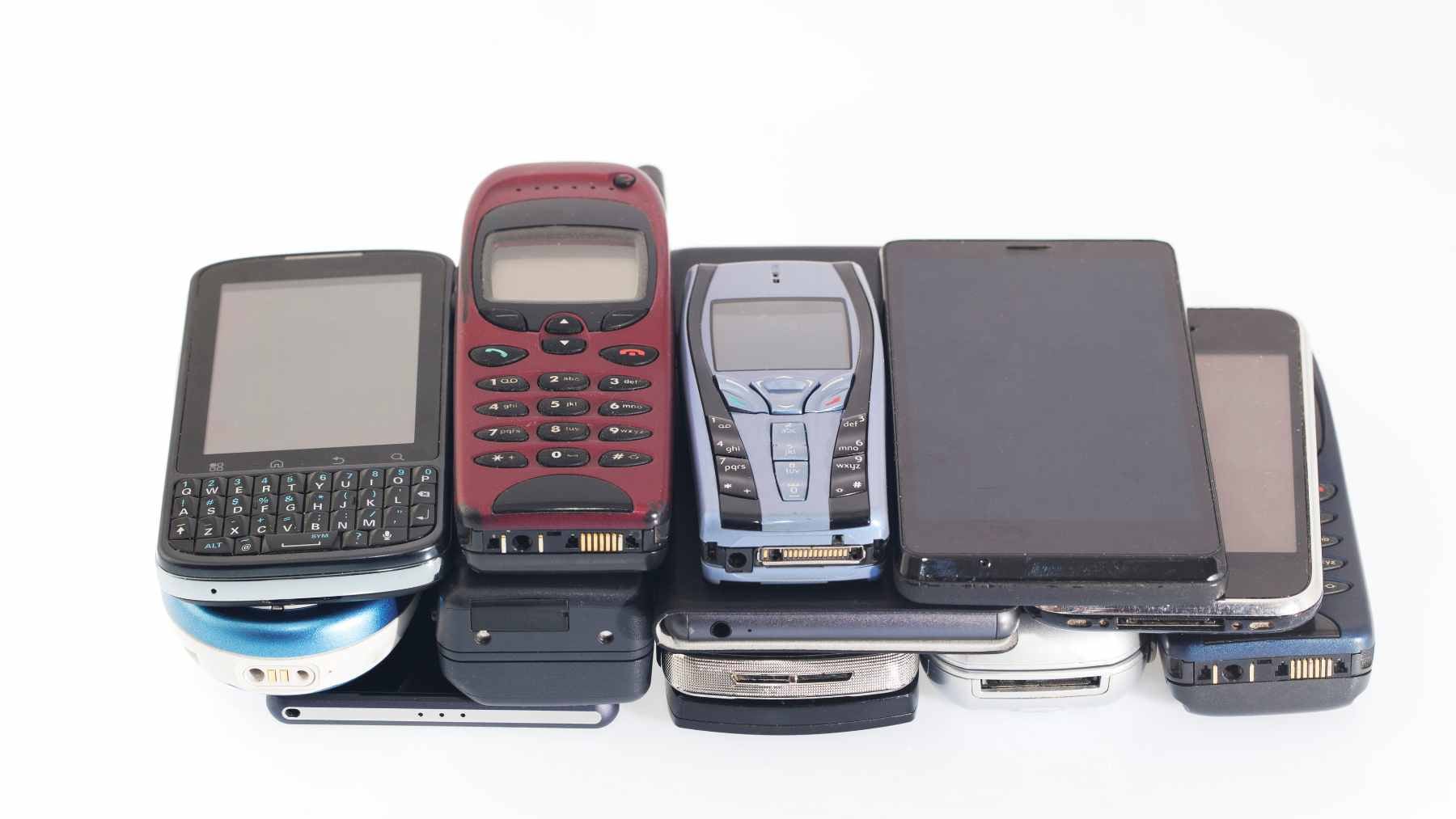
How many old smartphones are sitting in your junk drawer right now? In the Czech market, big electronics retailers such as Alza and Datart are expanding buyback programs that turn those forgotten devices into cash or a discount on a new model.
It looks like a small shopping trend, but it plugs into a much bigger environmental story. Global electronic waste hit about 66 million tons in 2022 and only 22.3% was documented as formally collected and recycled, according to UN-backed reporting, with volumes still projected to rise.
Trade-ins go mainstream
Retailers are betting that convenience beats classifieds. Alza highlights fast online estimates and drop off through its AlzaBox network, then a check by technicians and a confirmed or revised offer.
Datart pitches trade-ins as a way to save on new hardware, with free pickup and an online flow that routes customers to Cashtec, which it says is operated by Mobil Pohotovost. Datart also says payment is sent to a bank account within a few working days after confirmation.
This matters because phones are not just plastic and glass. The World Health Organization notes that e-waste can contain hazardous substances, and better collection reduces the odds of unsafe handling and dumping.
What the buyback quotes look like
Trade-in pricing is a moving target, driven by demand and by the honest details of a device’s condition. A recent Czech report compiling example quotes listed an iPhone 15 Pro with 128 GB storage at roughly 11,000 to 13,000 CZK ($529 to $625), while a Galaxy S24 Ultra could reach about 14,500 CZK ($696).
Older models still bring in real money if they are clean and working. The same report put an iPhone 13 at about 4,000 to 5,500 CZK ($192 to $264) and a Pixel 8 at around 5,000 to 6,500 CZK ($240 to $312), which is enough to make a new purchase feel less painful, or just help with the electric bill.
Damage is where offers drop fast. Those examples also noted that top-grade devices can run 10% to 20% higher, but cracked screens and heavy frame wear push bids down because repair costs get factored in.
The drawer problem is bigger than one household
This is not just a Czech story. By the European Commission’s own estimate, more than 700 million old phones are sitting unused in drawers across the European Union, close to two devices per person.
That stash is basically a hidden waste stream, and it keeps growing. The Global E-waste Monitor 2024 projects annual e-waste could reach 90 million tons by 2030, with the documented collection and recycling rate expected to fall as generation outpaces systems built to process it.
So when a retailer makes trade-ins frictionless, it is not only chasing margin. It can also funnel move devices into formal channels where they are refurbished, resold, or recycled under controlled conditions.
Phones are tiny mines for critical materials
A modern phone is small, but it is packed with mined inputs. A U.S. Geological Survey explainer notes that mobile devices rely on a wide range of mineral commodities, which is why supply disruptions and mining impacts keep showing up in tech headlines.
Recycling is supposed to ease that pressure, yet the gap is still huge. UNITAR’s briefing on the Global E-waste Monitor 2024 says just 1% of rare earth element demand is currently met by e-waste recycling.
This is where ecology meets national security in a very practical way. The U.S. Department of Defense has said rare earth permanent magnets are essential in systems including the F-35 aircraft, certain submarines, and unmanned aerial vehicles, which is why it has pushed “mine to magnet” supply chain efforts.
Data wiping is the part people skip
There is a reason so many phones stay in drawers, and it is not laziness. People worry about what is still inside, from banking apps to private photos to work files.
Buyback programs usually require basic prep steps like backing up data and doing a factory reset. For iPhones, sellers are typically told to sign out of iCloud and disable “Find My iPhone,” because activation lock can make the device unusable for resale.
If a phone handled sensitive work, a reset may not feel like enough. NIST’s media sanitization guidance lays out methods meant to make data recovery infeasible, and it helps explain why serious refurbishers treat secure wiping as part of the business model.
What to watch next
Expect trade-ins to keep spreading as retailers compete for shoppers and for refurbishable stock. In everyday terms, that means more instant quotes, more pickup options, and more bonus credit tied to upgrades.
Regulators are pushing from the other side, too. The European Commission has estimated that unused and discarded chargers add up to about 12,000 tons of e-waste each year, and its common charger push is designed, in part, to cut that waste.
A phone trade-in is not going to solve e-waste on its own, but it is a rare win-win. You clear a drawer, you get money back, and one more device has a shot at a longer life.
The report was published on International Telecommunication Union.