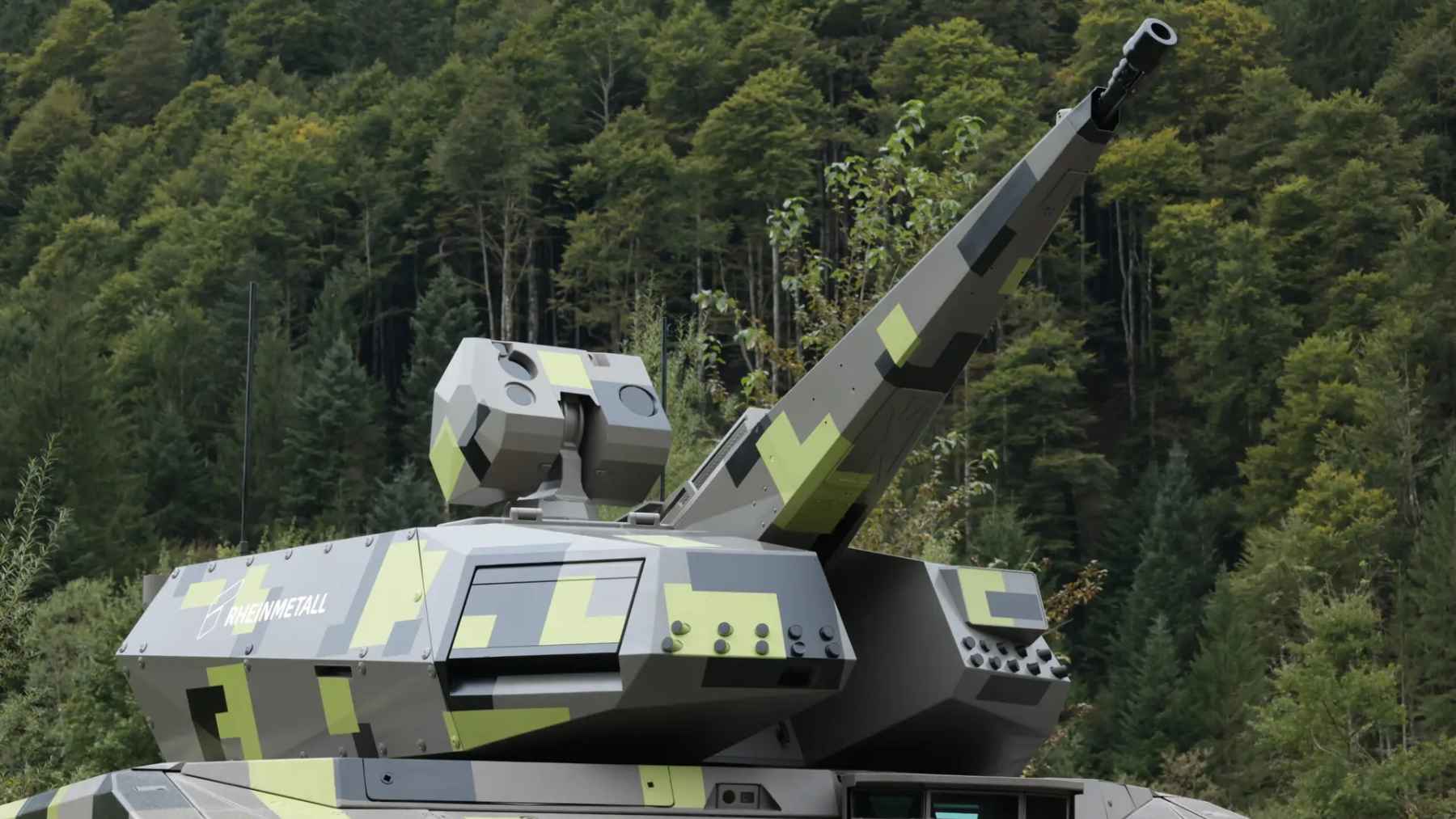
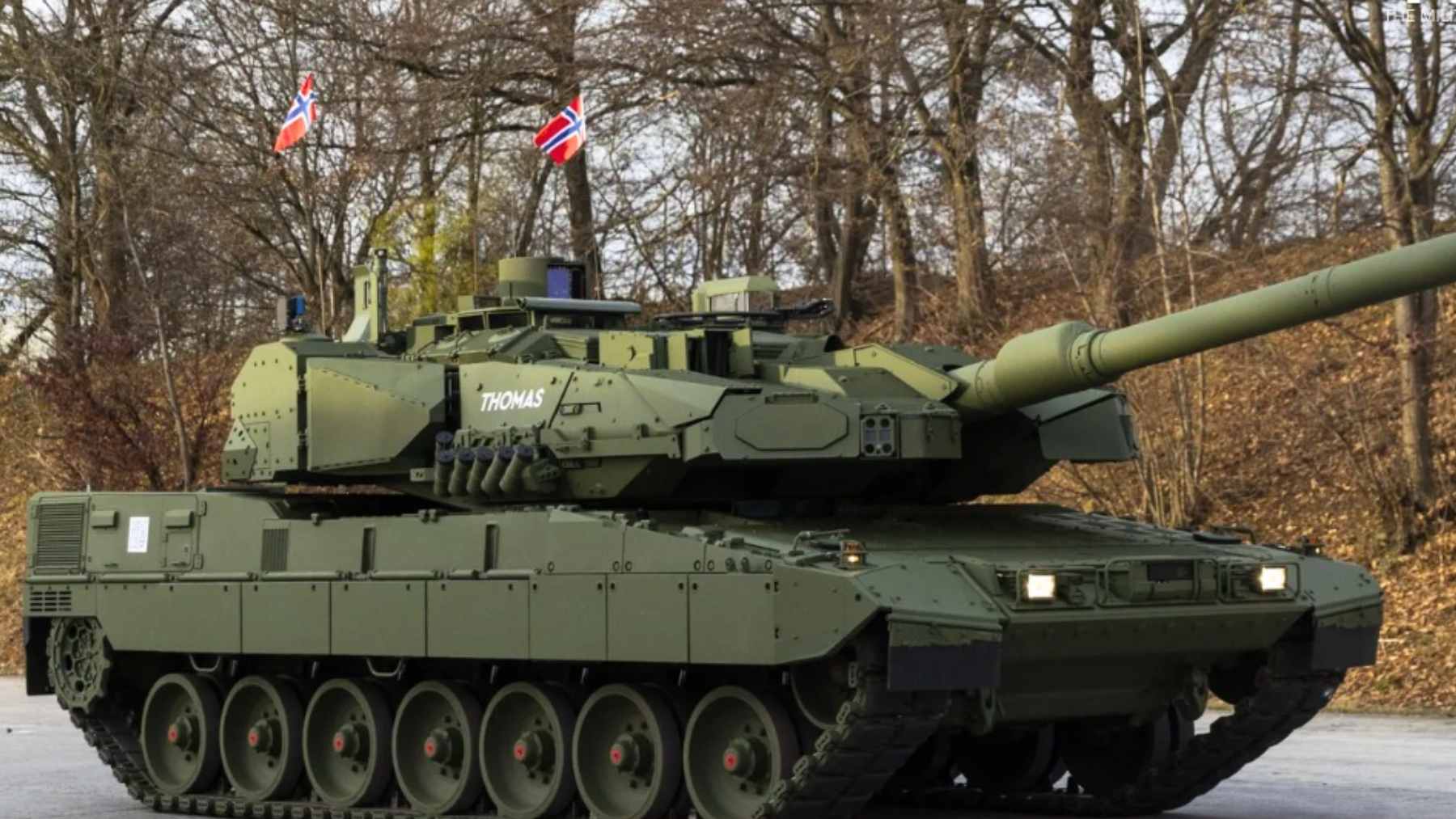
Two brand-new Leopard 2A8 NO tanks have arrived at Rena camp in Østerdalen, marking the first delivery in Norway’s planned fleet of 54 next-generation battle tanks. The Norwegian Armed Forces say the vehicles will become a core part of Brigade Nord for decades, with the full delivery expected by 2028.
A tank may not be the first thing that comes to mind in an environmental story. But this rollout sits right where modern defense, heavy industry, energy use, and national climate planning meet.
Norway is not calling the Leopard 2A8 NO a “green tank,” and it should not be described as such. Still, where and how these machines are assembled now matters almost as much as what they can do on the battlefield.
A sharper northern shield
Norway’s government sees the new tank as a major upgrade for deterrence on NATO’s northern flank. Defense Minister Tore O. Sandvik said the new platform “raises the threshold” for anyone considering an attack on Norway.
That is the heart of the announcement–this is not just about replacing older armor. It is about making Norway’s land forces more credible in a security climate shaped by Russia’s war in Ukraine, Arctic tension, and NATO’s renewed focus on high-readiness forces.
Why this tank stands out
Trond Haande, head of the Army Weapons School, described the Leopard 2A8 NO as “the world’s best tank today.” His reasoning was not just firepower. He pointed to its mix of protection, speed, command systems, and real-time data sharing.
Put simply, the tank is not only built to shoot. It can also act like a moving sensor, helping locate targets for artillery, mortars, drones, long-range precision fire, and other systems inside Brigade Nord. Think of it less like a lone heavyweight and more like a rolling nerve center.
Built closer to home
The business side is just as important. Norway ordered the tanks from German defense manufacturer KNDS, but 37 of the 54 vehicles will be assembled by Ritek in Trøndelag. Several Norwegian suppliers are also expected to play a role in the program.
That matters during a crisis. Tomas Beck of the Norwegian Defense Materiel Agency said the arrangement strengthens Norway’s ability to maintain and repair the tanks in war or emergency conditions.
The broader project carries a price-adjusted cost frame of NOK 23.4 billion ($2.54 billion), making it one of the largest land-force investments in the country’s recent defense planning.
The digital leap
The Leopard 2A8 NO is described by the Norwegian Armed Forces as fully digitalized. A lot of its fire-control work is automated, and its command-and-control systems are designed to share information quickly with other units.
That may sound technical, but the idea is simple. In a fast battle, the crew that sees first and shares first often has the advantage. For soldiers on the ground, that can mean less confusion, fewer delays, and better coordination when seconds matter.
The environmental question
Here is the uneasy part: heavy armored vehicles are fuel-hungry, resource-intensive machines, and the official tank announcement does not give emissions figures for the new fleet. That silence is important, because readers should not be asked to assume a climate benefit that has not been shown.
On the other hand, Norway’s own defense climate strategy says the sector has direct climate and environmental impacts through land use and emissions from vehicles, aircraft, and vessels. It also says indirect impacts from procurement, buildings, equipment, and services make up the largest part of its total climate and environmental footprint.
A factory with a greener signal
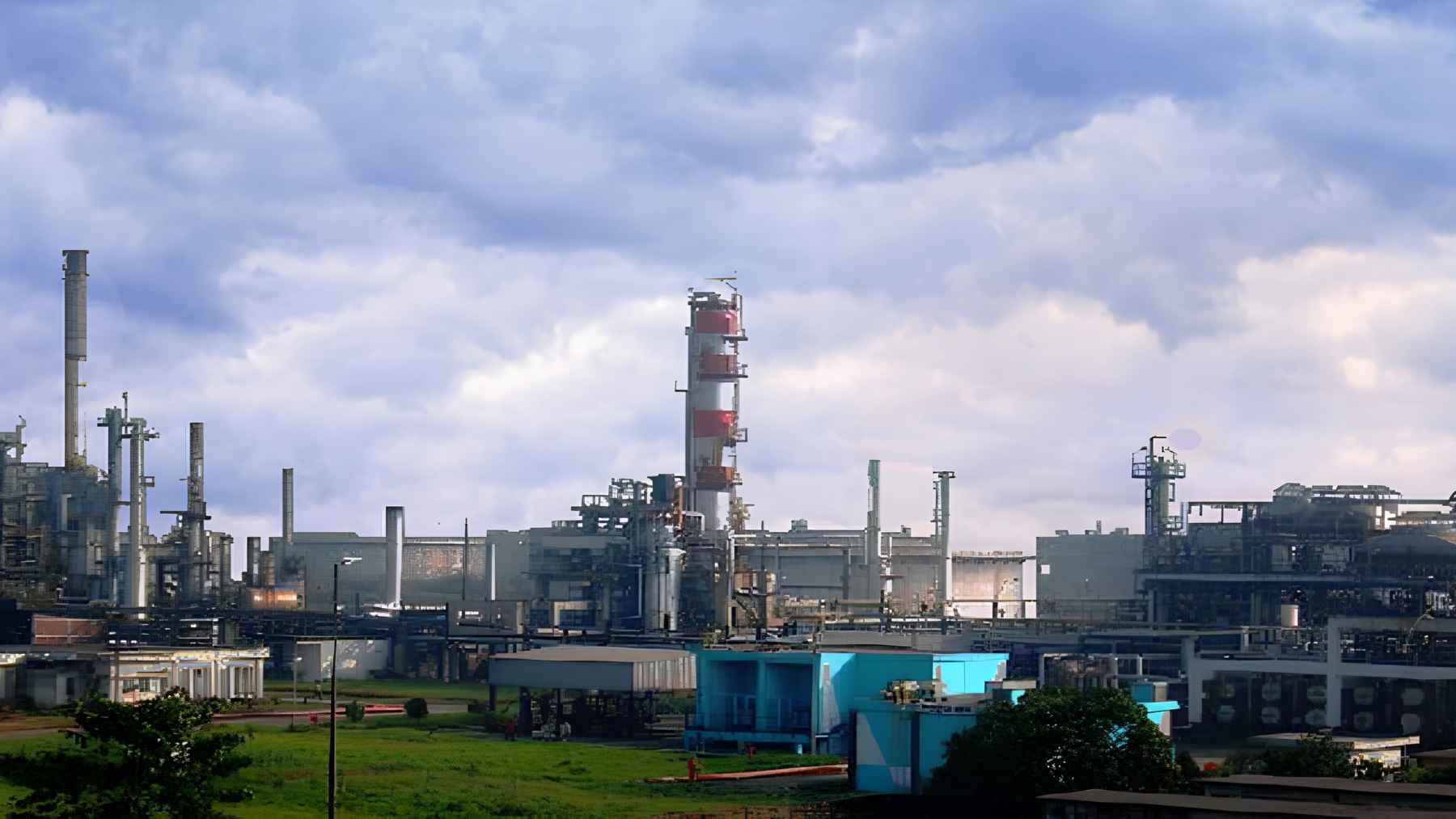
KNDS and Ritek have also opened new infrastructure for the Leopard production line in Levanger, Norway. According to KNDS, the site was built in 18 months, includes testing infrastructure, and has capacity for up to 36 tanks per year.
There is one detail that stands out beyond defense circles. KNDS says energy for the Levanger facility is supplied by geothermal sources.
That does not erase the environmental footprint of producing and operating tanks, but it does show how even the defense industry is being pushed to think about the electric bill, energy security, and climate accounting at the same time.
What happens next
The first two tanks will be used for courses and instructor training at the Army Weapons School. They will also support training for Brigade Nord tank personnel before the first squadron is scheduled to receive the new vehicles in fall 2027.
So, what should readers keep in mind? Norway is getting a more connected and better protected tank force, NATO is gaining strength in the north, and Norwegian industry is getting a larger role in keeping that force running.
The harder question is how defense modernization fits with climate goals. That question is not going away.
The press release was published on KNDS.