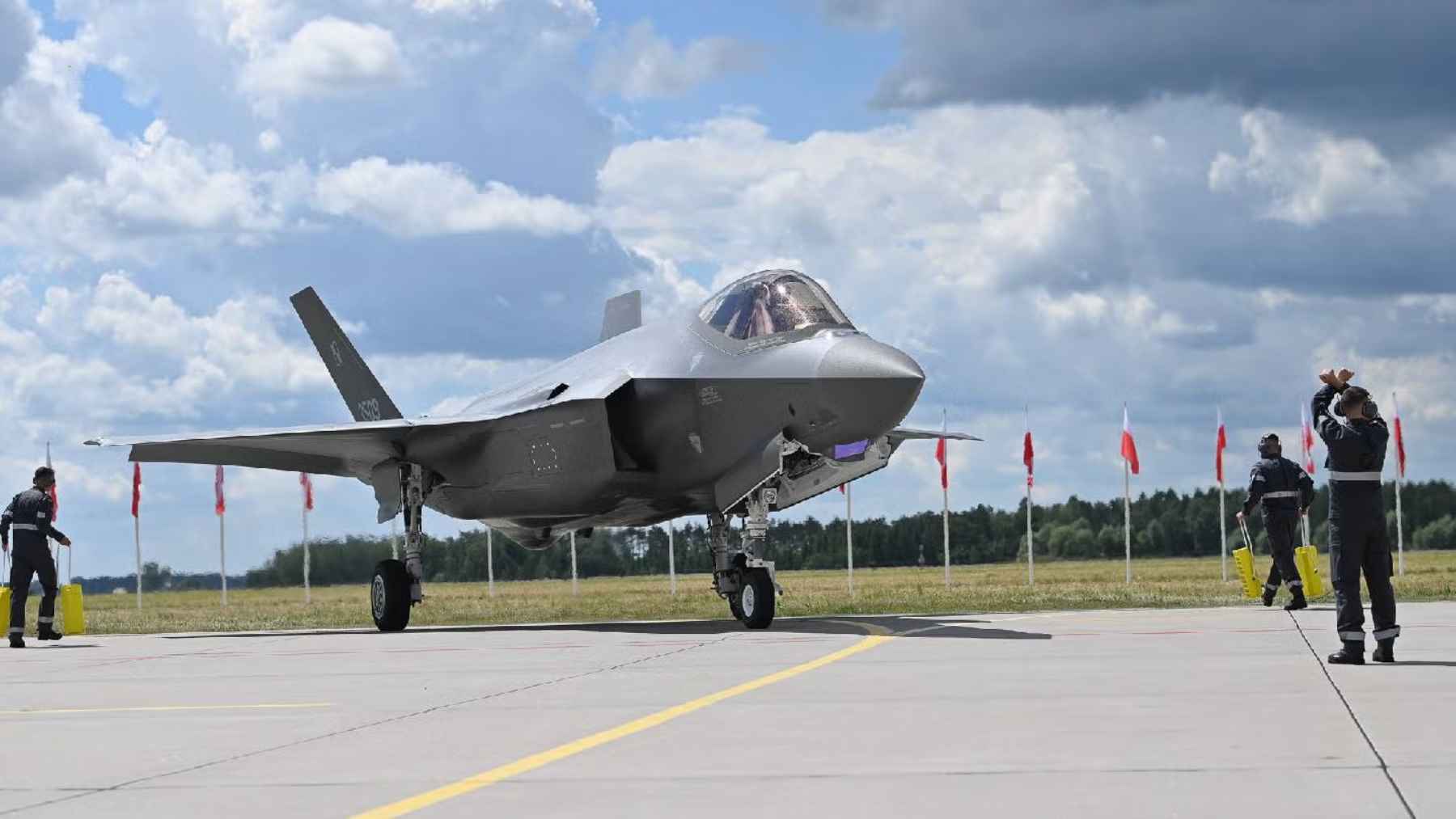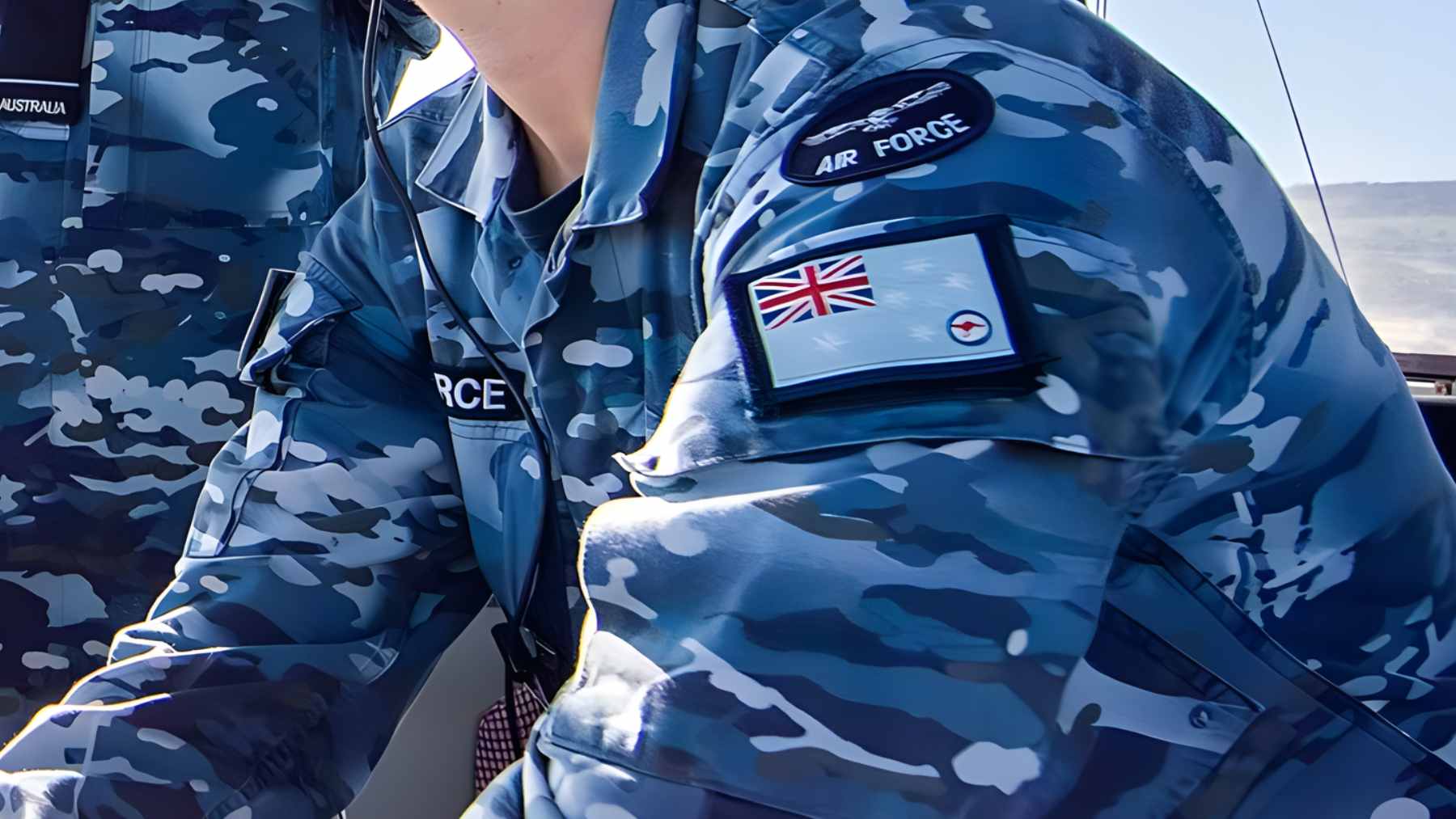
Australia just refreshed its National Defence Strategy on a strict two-year cycle, and the numbers are hard to ignore. The 2026 plan comes paired with an updated Integrated Investment Program, with around $425 billion in capability investment through 2035-36 and new funding hikes meant to speed up procurement in a more volatile world.
What does that have to do with ecology and the environment? More than you might think. Defense planning is increasingly about resilience, and resilience quickly turns into questions about fuel, shipping lanes, supply chains, and what happens when heat, storms, and conflict all hit at once.
A two-year reset button
One of the biggest shifts is procedural, not just military. Australia’s government has committed to updating the strategy and investment program every two years, moving away from irregular “white paper” cycles that can lag behind reality.
That tempo matters because the threats move faster now, especially when technology changes the battlefield. The official strategy summary points to rapid advances in AI and autonomous systems as part of the changing character of war, and that is exactly the kind of trend that can look different in 24 months.
There’s also a public trust angle that often gets missed. A repeatable schedule forces governments to explain to taxpayers why the investments are worth it, and it creates a paper trail for what “national resilience” actually means in practice.
Why energy chokepoints matter to ecology
The 2026 strategy leans hard on preparedness and national resilience, including civil preparedness, not just ships and jets. That language sounds abstract until you think about what happens when a real world bottleneck gets squeezed.
Take the Strait of Hormuz–the International Energy Agency estimates that about 20 million barrels per day of crude oil and oil products moved through it in 2025, roughly 25% of the world’s seaborne oil trade. If you rely on global fuel flows, a disruption is not just a headline, it shows up in prices and, for a lot of households, in the electric bill.
But there’s a climate catch. Recent reporting has suggested that conflict-driven supply disruptions can push companies and governments to spend more on oil exploration and production, even while many economies say they want to reduce emissions over time.
Drones and AI change the footprint
Australia’s defence planning is explicitly absorbing lessons from Ukraine and the Middle East, where inexpensive drones and massed munitions have changed what “enough” looks like. The government’s own materials highlight that it is prioritizing capability acquisition and sustainment using those lessons as a guide.
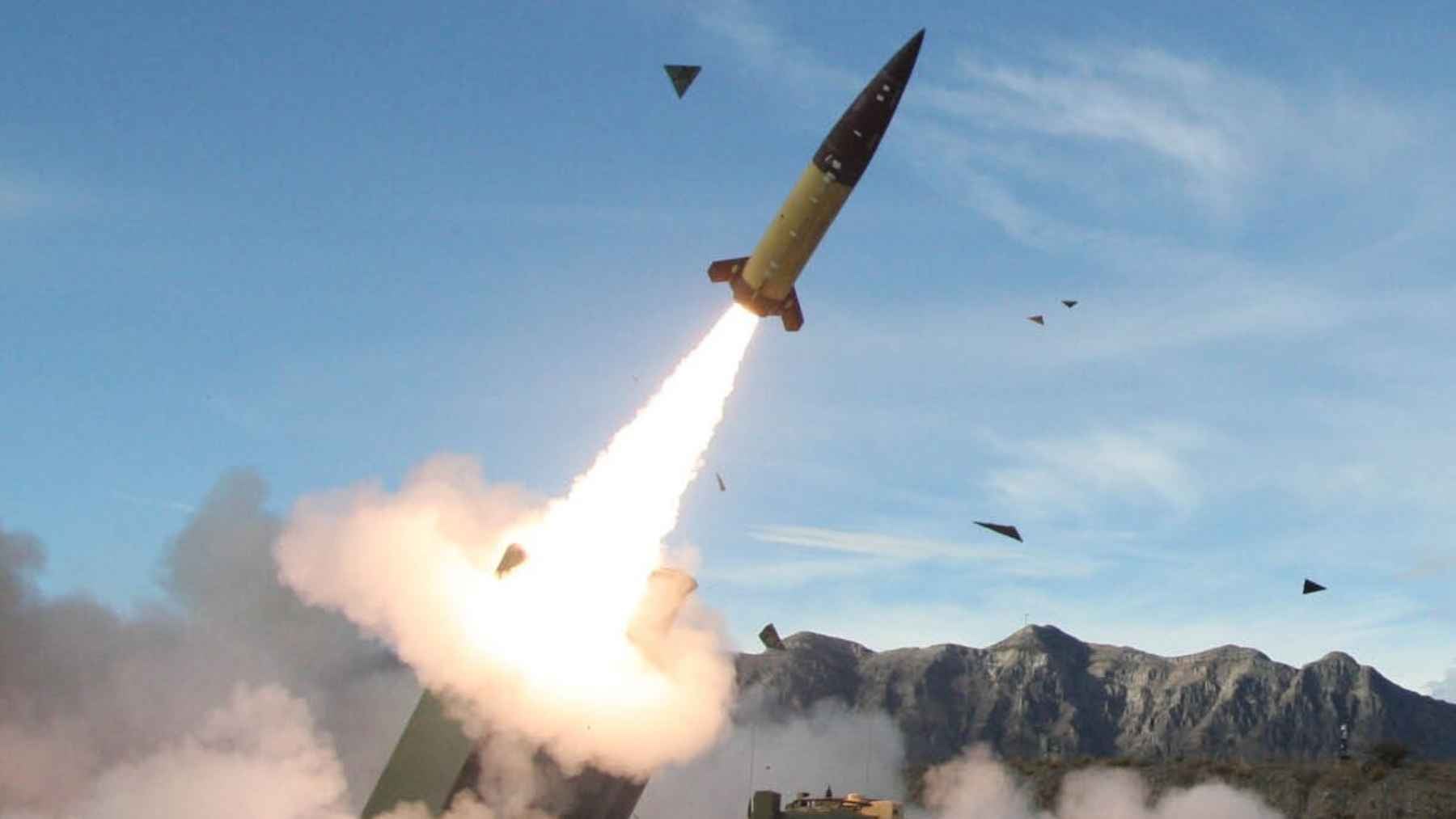
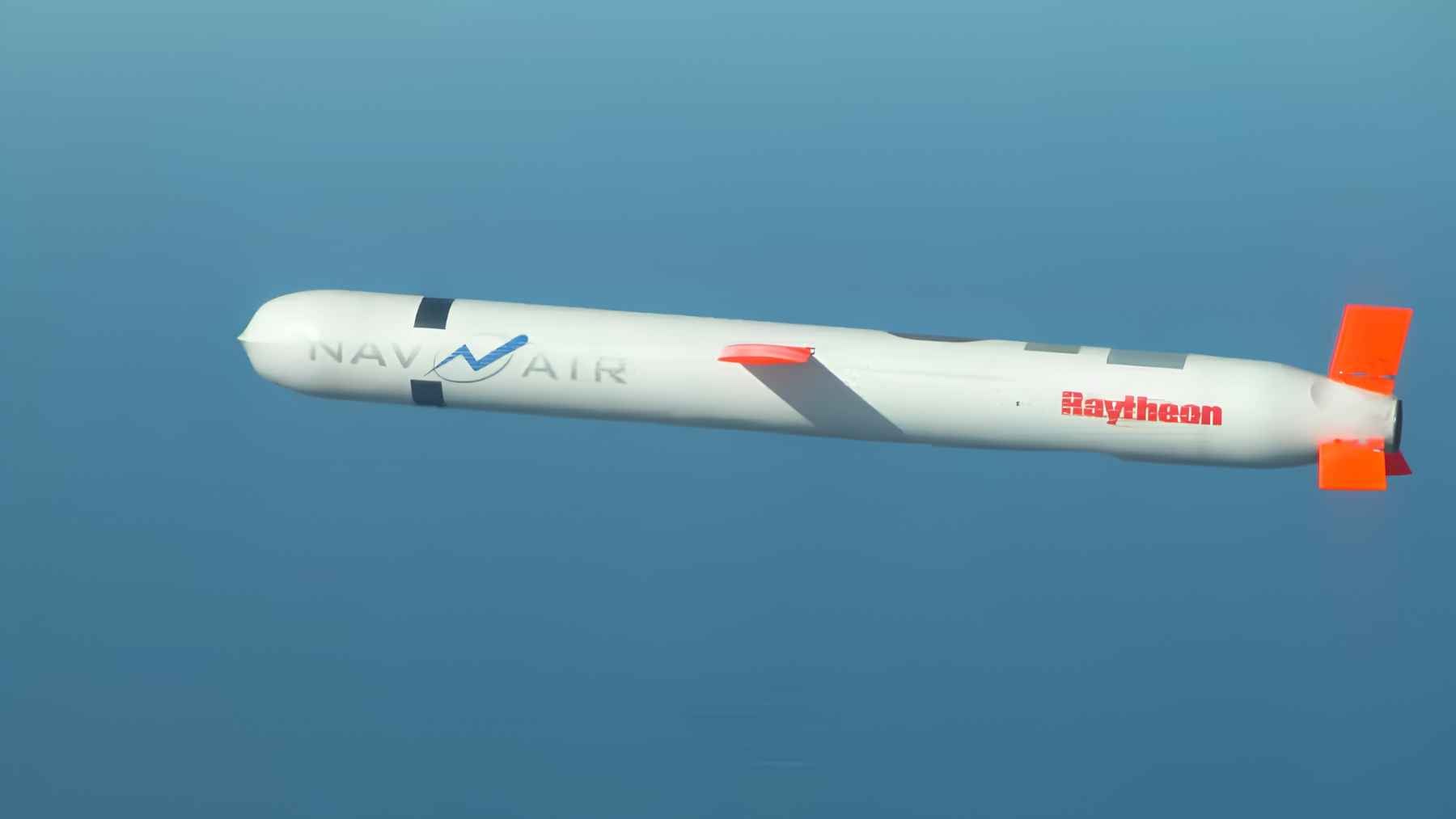
The money follows that logic. In the 2026 investment plan, “autonomous and uncrewed systems” are listed as a $12 billion to $15 billion priority range, alongside a much bigger push for guided weapons and explosive ordnance at $26 billion to $36 billion.
Here’s the environmental twist most people do not connect right away: smaller uncrewed systems can be more energy efficient per mission than traditional platforms, but scaling them up also scales batteries, electronics, metals, shipping, and eventually waste, all of which come with real ecological costs.
Industry and the messy business of resilience
The strategy is not just a shopping list for the Australian Defence Force. It puts big emphasis on strengthening the sovereign defense industrial base and building more diverse industrial partnerships and supply chains, which is a very “business” way of talking about national security.
That industrial push is backed by financing mechanisms, including a move to “alternative financing” for some projects over the forward estimates and the decade.
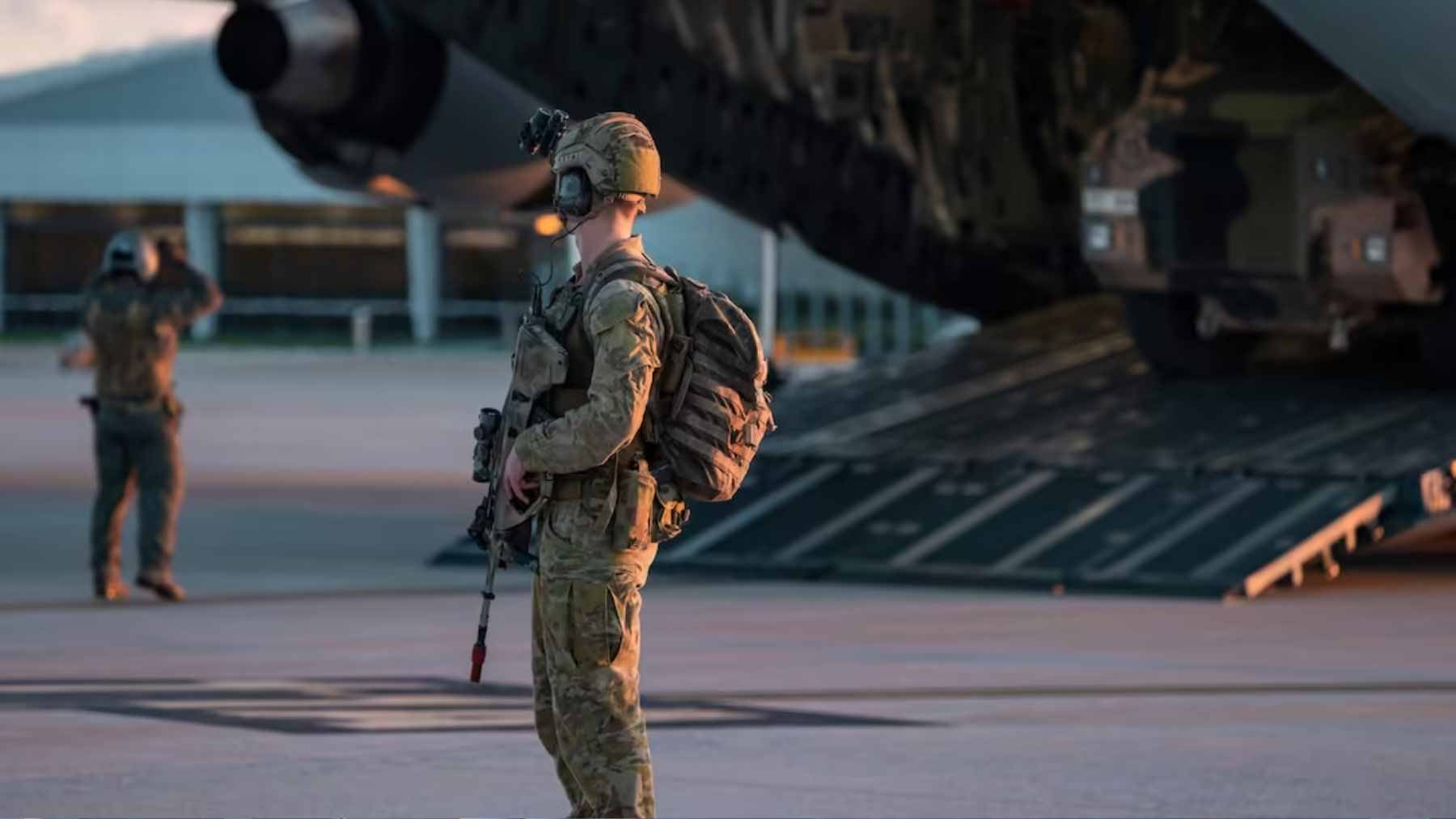
The budget factsheet says the government has identified around $5 billion over the forward estimates and $15 billion over the decade for projects where Defense will prioritize alternative financing options, including areas like the Defense estate and the guided weapons enterprise.
In practical terms, more construction, more manufacturing, and more logistics are inevitable, often near coasts and ports that are already under pressure from sea level rise and extreme weather. It is also where environmental permitting, community concerns, and industrial timelines can collide–sometimes quietly, sometimes loudly.
The carbon math defense rarely shows
Militaries run on fuel, and the world still struggles to measure what that means for emissions. A research effort by Scientists for Global Responsibility and the Conflict and Environment Observatory estimated that the world’s militaries could account for roughly 5.5% of global greenhouse gas emissions, while also stressing that data is incomplete and methodology is challenging.
A separate submission to the UN climate process makes a similar point, saying reporting is often voluntary and disaggregated fuel data is limited, and it also notes that some estimates exclude emissions from warfighting itself.
That gap matters because without consistent reporting, it is hard to know whether “resilience” is getting cleaner or just getting bigger.
So what should readers watch next? Look for whether resilience investments include cleaner energy at bases, better transparency on fuel use, and procurement that rewards efficiency, not just speed.
The press release was published on minister.defence.gov.au.