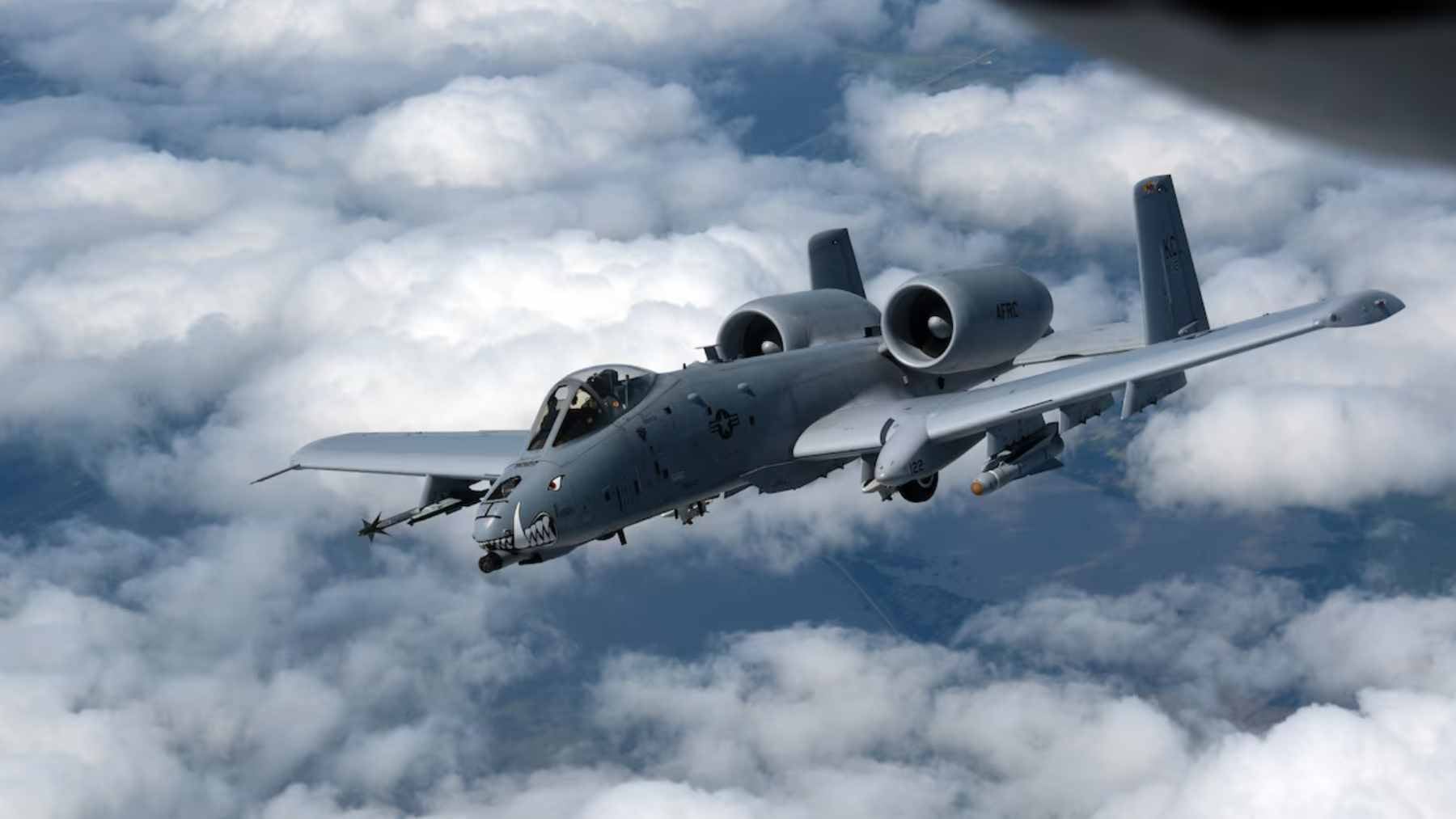
The U.S. Air Force is slowing down the retirement of the A-10 Warthog, but the famous attack jet is still headed for the exit. The harder question now is not whether the Warthog will leave, but whether newer aircraft like the F-35 and F-15 can inherit one of its most demanding jobs.
That job is combat search and rescue support, the mission of helping recover downed aircrew while enemy fire may still be close. It is gritty, low-altitude work, and the A-10 has spent decades training for it. Now lawmakers are asking a simple question with very high stakes. What happens when the airplane built for that fight is no longer there?
A delayed retirement
Air Force Secretary Troy Meink announced in April that the service would extend the A-10 “Warthog” platform to 2030, saying the decision “preserves combat power” while the defense industrial base increases combat aircraft production.
Reuters reported that the move spared the attack aircraft from an earlier retirement timeline and came after its heavy use in the Iran conflict.
That does not mean the Warthog has won its long battle with retirement. Air Force officials still argue that the A-10 is too vulnerable for a high-end war against a heavily defended adversary, especially one with modern air defenses. In practical terms, the extension buys time.
The service has said it will keep three A-10 squadrons flying, with one through 2029 and two others into 2030. That gives the Air Force a narrow window to train pilots, adjust tactics, and make sure the rescue mission does not fall into a gap.
Why the Warthog mattered
The A-10 is not just another old aircraft with a loyal fan base. The Air Force’s own fact sheet describes it as the first Air Force aircraft specially designed for close air support, with strong survivability, low-speed maneuverability, long loiter time, and the ability to operate near front lines.
That matters in combat search and rescue because the aircraft may need to stay nearby while rescue helicopters, drones, tankers, and ground teams work together. It is not a clean mission from a distance. It can mean circling, watching, communicating, and, if needed, fighting close to the survivor.
The A-10’s official roles also include airborne forward air control and combat search and rescue. Its design gives pilots a wide view from the cockpit, armor protection, and backup flight systems that can keep the aircraft flying after damage.
The Sandy mission
In the rescue world, the A-10 is often tied to the “Sandy” role. The name goes back to Vietnam-era A-1 Skyraiders that led combat search and rescue packages, guiding rescue forces and suppressing threats around downed airmen.
During the recent Iran conflict, A-10s reportedly supported the rescue of a downed F-15E Strike Eagle crew. Business Insider reported that the Warthogs flew in their Sandy roles, engaging threats at low altitude while rescue forces worked to retrieve the aircrew.
Gen. Dan Caine, chairman of the Joint Chiefs of Staff, described that kind of role in blunt terms, saying a Sandy aircraft’s job is to get to the survivor and put itself between that person and the enemy. It is a simple idea, but it takes training, judgment, and a pilot willing to stay in a very dangerous pocket of airspace.
Congress wants answers
During a House Armed Services Committee hearing on May 20, 2026, Air Force leaders were pressed about whether the F-35, F-15, and other aircraft can really take over the A-10’s rescue support duties. The hearing focused on the fiscal year 2027 budget request for the Department of the Air Force.
Rep. Austin Scott of Georgia noted that A-10 pilots are specifically trained for combat search and rescue and asked whether F-35 and other pilots would get the same kind of training. Air Force Chief of Staff Gen. Kenneth Wilsbach answered, “We’ll have to.” Then he added, “It’s our mission.”
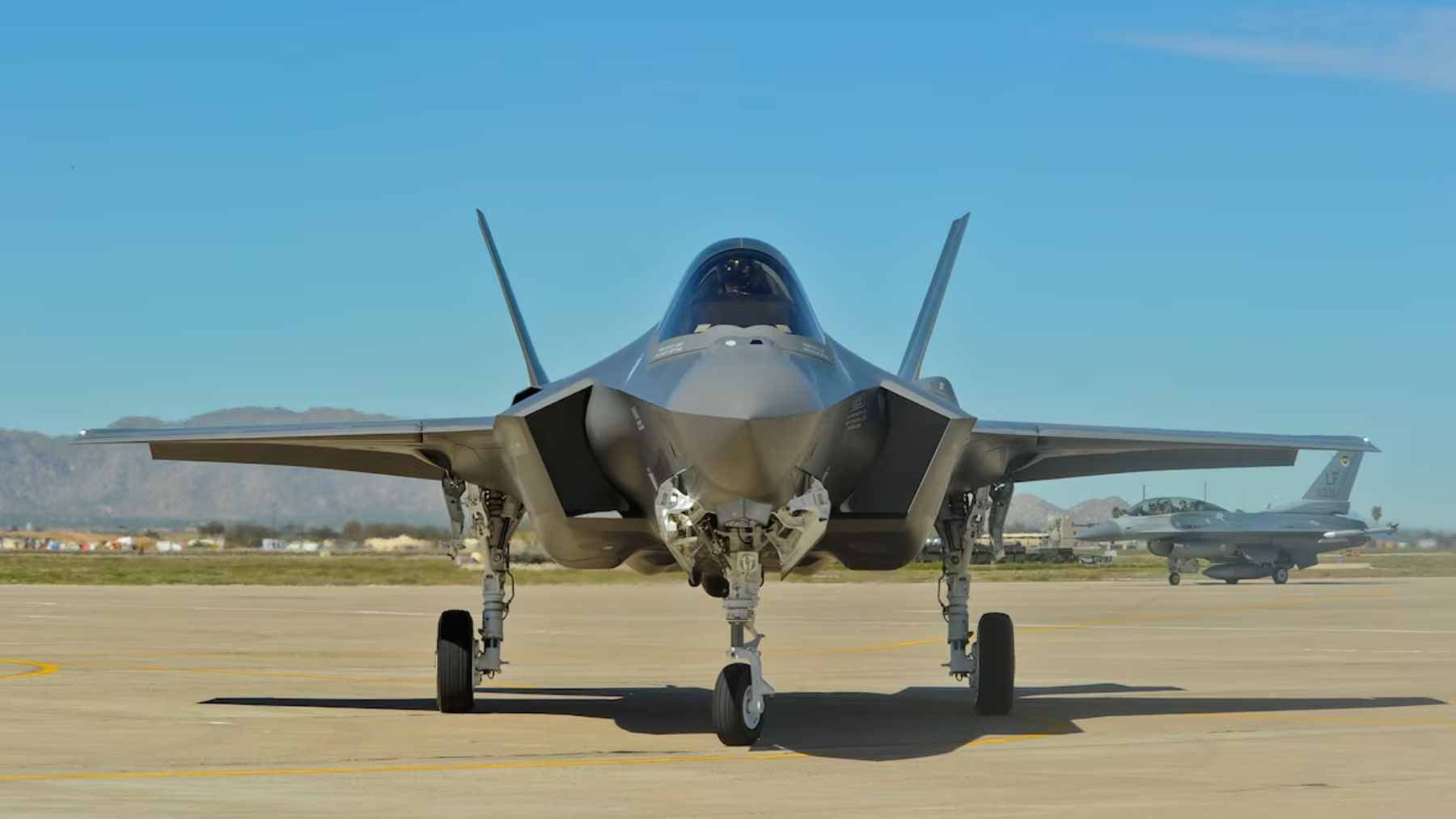
That answer was direct, but it did not end the debate. Rep. Derrick Van Orden of Wisconsin asked whether any current aircraft could match the Warthog. Wilsbach said “match” was probably “in the eye of the beholder,” while adding that other aircraft can perform close air support and support combat rescue.
The F-35 problem
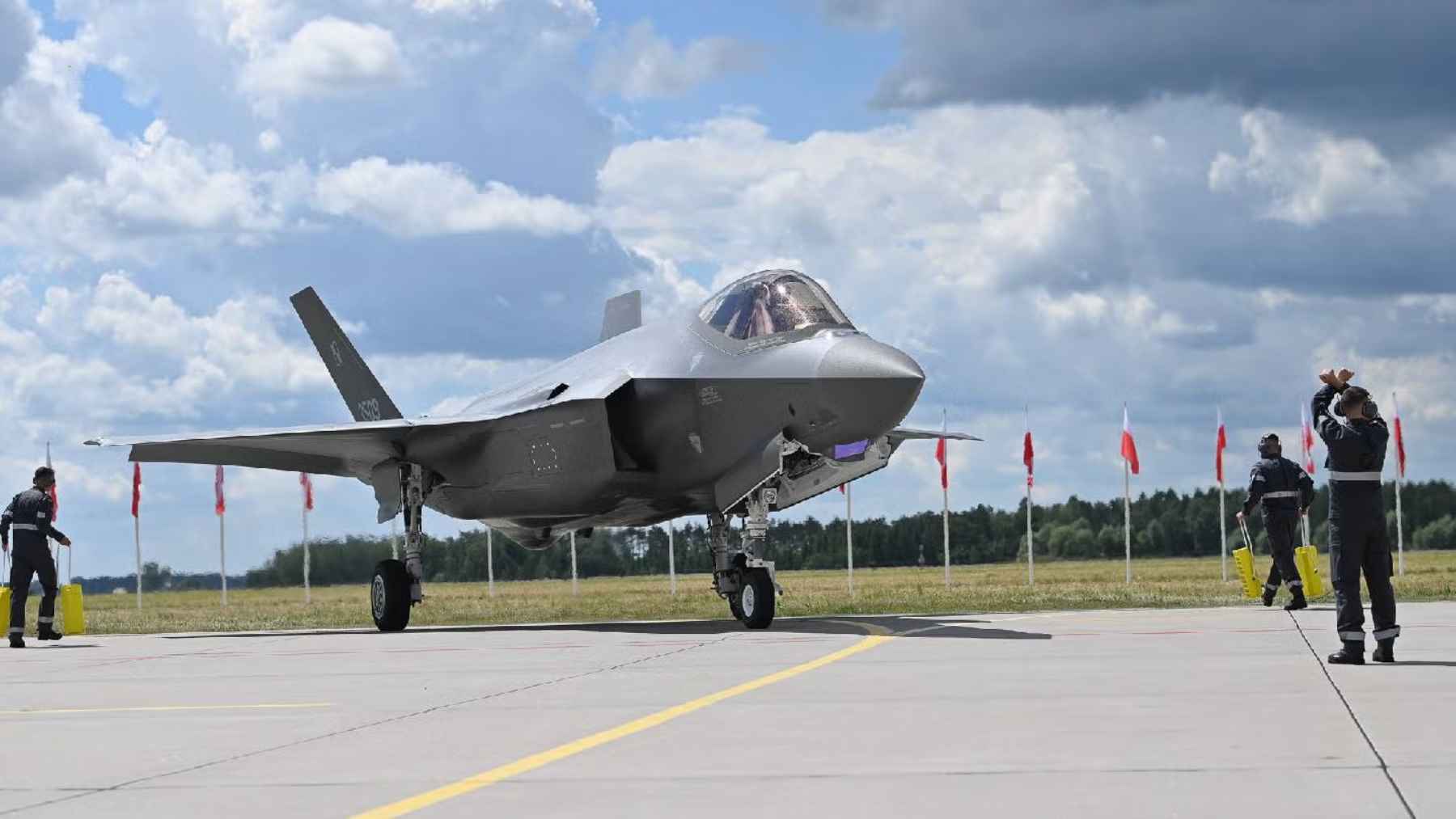
The F-35 brings stealth, advanced sensors, and the ability to work inside heavily defended airspace. Those are valuable tools in a future fight. On the other hand, the A-10’s strength has always been its ability to fly low, stay around, and support troops or rescue teams with a very specific kind of presence.
That is why lawmakers are uneasy. The issue is not whether the F-35 is more modern. It clearly is. The issue is whether a multirole stealth fighter can absorb a mission that was part of the A-10’s daily identity.
Air Force leaders say they will make combat search and rescue a core mission for the aircraft that replace the A-10. Wilsbach told lawmakers that it would be unacceptable to have a gap if someone is down behind enemy lines, saying, “You have to go get them.”
Fuel, readiness, and the hidden cost
There is also a quieter part of this story that often gets less attention. Keeping aircraft flying is not only about pilots and weapons. It also means fuel, maintenance, spare parts, training hours, and the environmental footprint of military aviation.
The Department of Defense has said it is working to decrease operational energy use while also improving climate resilience and supporting innovation. Air Force operational energy officials have also argued that efficiency can reduce costs, lower fuel logistics risks, and improve readiness.
That is why this transition matters beyond one beloved aircraft. Every hour flown to train new rescue tactics has a cost. But every hour not flown could leave crews less prepared when a pilot is waiting on the ground.
What happens next
The Air Force’s fiscal year 2027 request leans heavily into modernization, including more flying hours, maintenance, munitions, infrastructure, and advanced training. Officials said the budget proposal includes $267.7 billion for the Air Force and $71.1 billion for the Space Force.
For the A-10, the path is now clearer but not simple. It will stay long enough to help bridge the transition, but the service still plans to hand its missions to newer, more survivable aircraft.
At the end of the day, the Warthog is not just being replaced by another jet. It is being replaced by a whole new way of doing a dangerous rescue job.
The official statement was published on X.