The United States is not simply shopping for newer fighter jets. It is reshaping air power around a linked family of stealth aircraft that can see farther, share data faster, and strike from longer distances than the Cold War fleet it is leaving behind.
That future includes the F-47, F-22, F-35, F/A-XX, and B-21 Raider. But there is a quieter concern under the shiny aircraft renderings. How do you project power across the Indo-Pacific, protect bases from climate shocks, and keep the fuel bill from becoming a weakness?
The F-47 changes the map
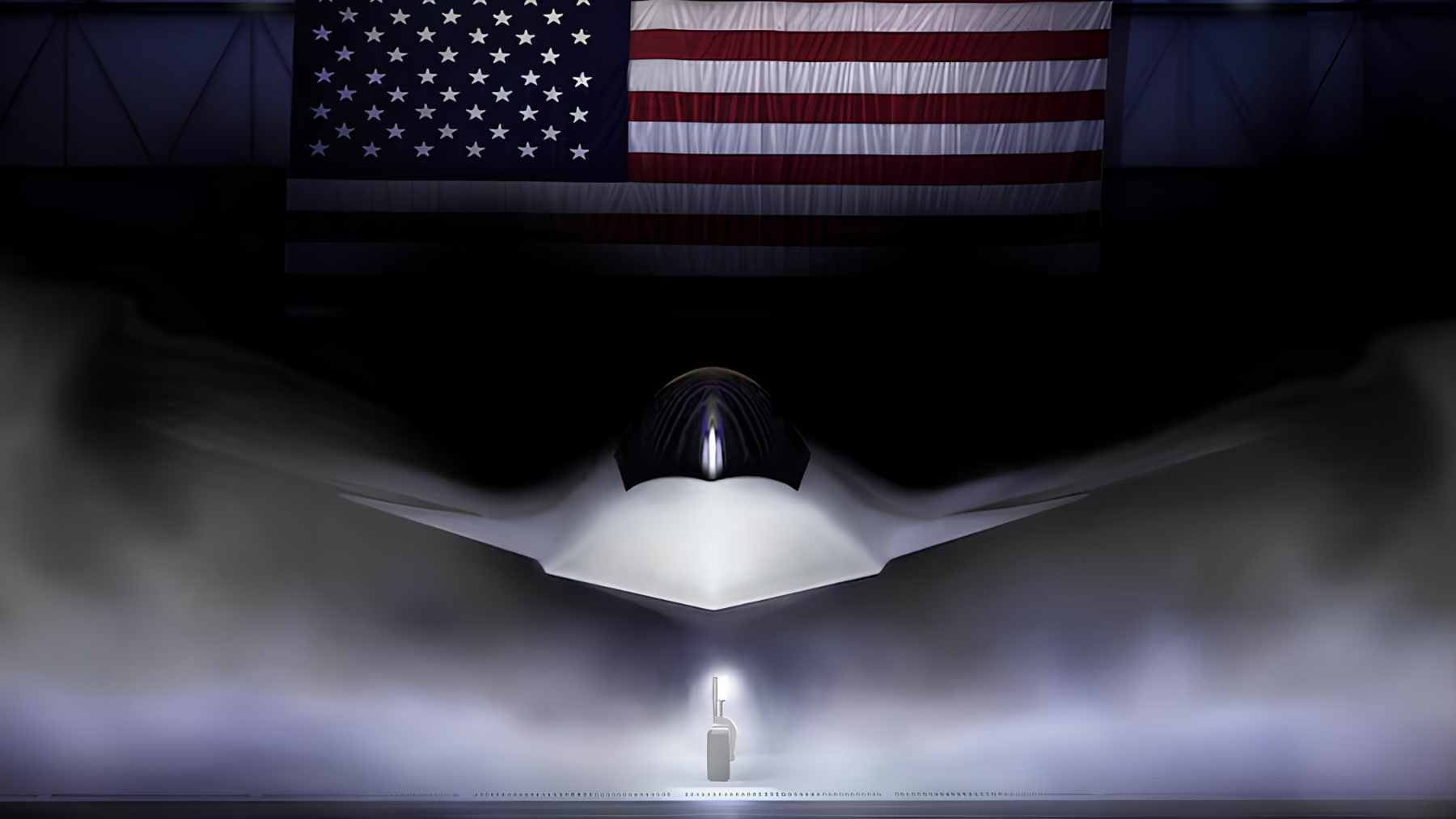
The Department of the Air Force awarded Boeing the Engineering and Manufacturing Development contract for the Next Generation Air Dominance platform on March 21, 2025.
The service said the F-47 would become the world’s first sixth-generation fighter, built around next-generation stealth, sensor fusion, long-range strike, and a modular design for future upgrades.
That matters because the fight the Pentagon is planning for is not a short hop across a friendly border. It is a contest over huge distances, where tankers, satellites, software, and maintenance crews can matter as much as raw speed.
The F-22 is not leaving yet
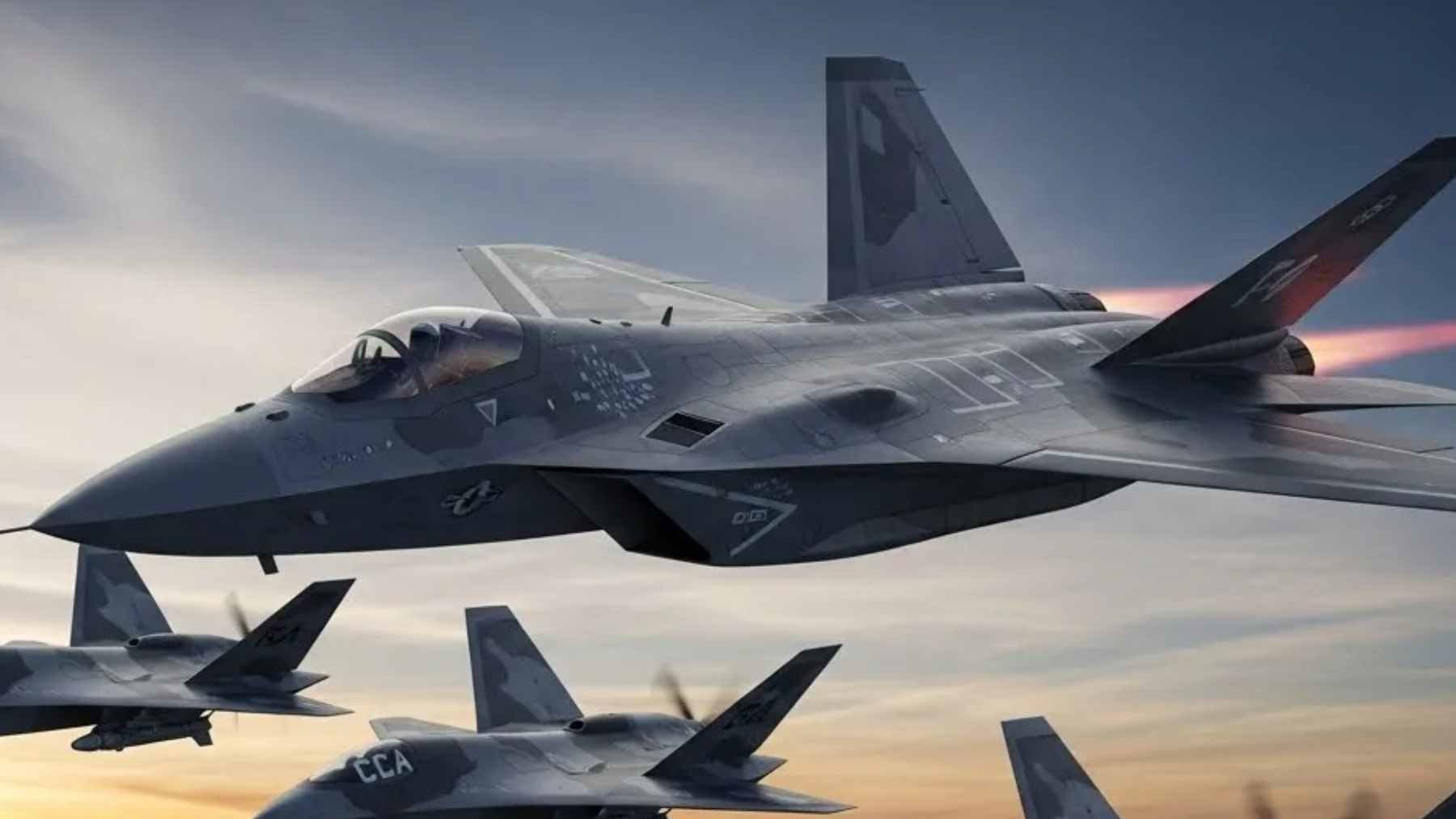
The F-47 does not make the F-22 Raptor obsolete overnight. A 2026 Air Force Life Cycle Management Center article said the F-22 remains the Air Force’s premier air-dominance fighter, with upgrades such as new stealthy fuel tanks and infrared search-and-track work likely keeping it in frontline service well into the 2030s.
In the near future, that points to a layered force. The Raptor still brings stealth, supercruise, maneuverability, and integrated avionics to the close and medium-range air dominance mission, while the F-47 is expected to carry the newer, longer-range part of the fight.
The F-35 and Navy’s next jet fill the gaps
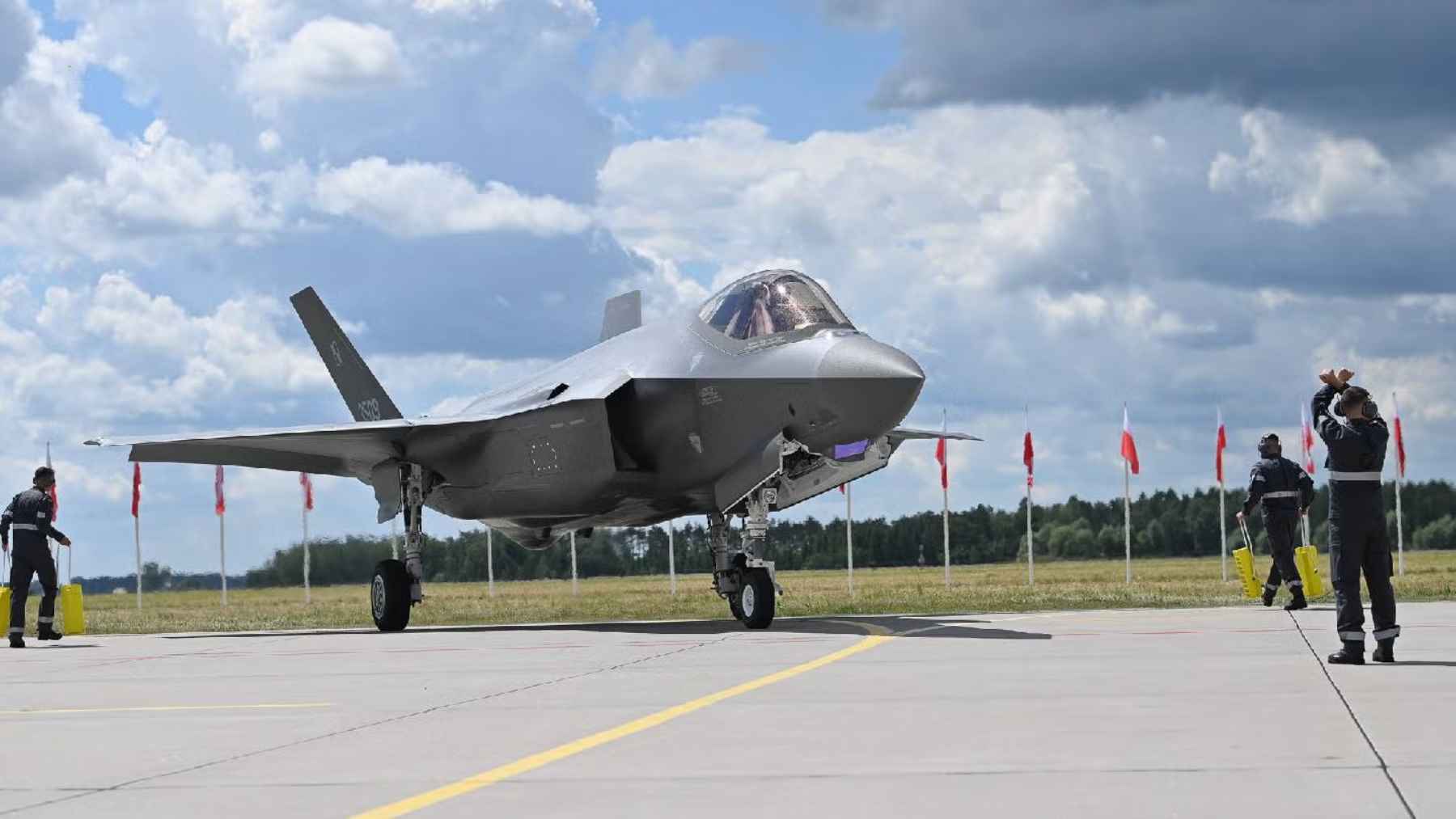
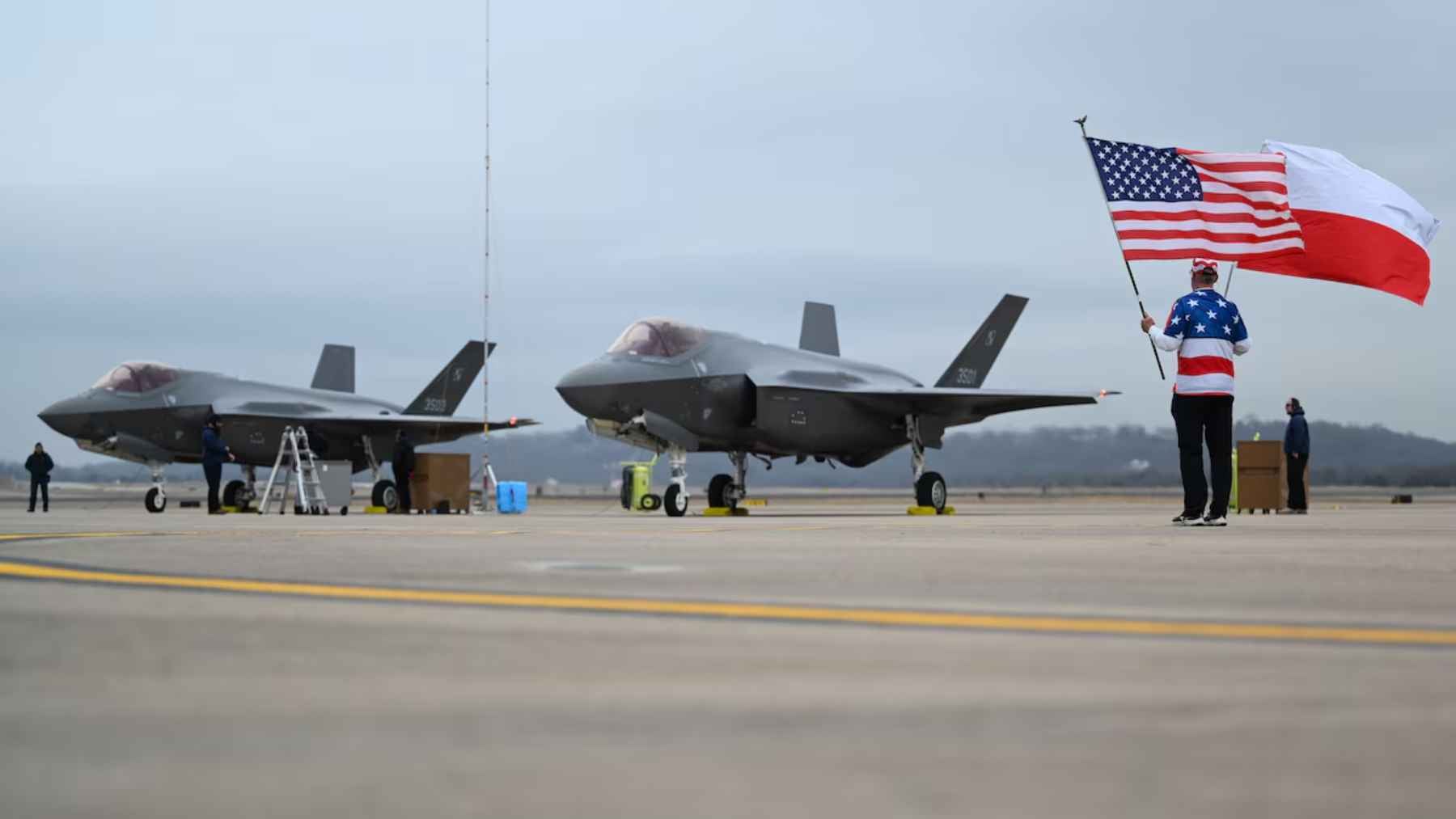
The F-35 remains the workhorse of the fifth-generation fleet. The Air Force describes the F-35A as a multirole fighter that combines stealth, sensor fusion, and unprecedented situational awareness, with sensors designed to gather, fuse, and distribute more information than any fighter in history.
The Navy is working on its own future platform, the F/A-XX. In an official briefing, Adm. Lisa Franchetti said the aircraft is planned as a 2030s replacement for the F/A-18E/F Super Hornet and EA-18G Growler, with advanced sensors, advanced range, and integration with crewed and uncrewed systems.
The B-21 brings the long reach
At the strategic level, the B-21 Raider is the aircraft that changes the bomber picture. Air Force Global Strike Command says the Raider will be a dual-capable stealth bomber able to deliver conventional and nuclear munitions, and that it will form the backbone of the future bomber force alongside the B-52.
The program is moving beyond the unveiling stage. The Air Force announced the arrival of a second B-21 flight test aircraft at Edwards Air Force Base in September 2025, and later said the program remained on track for aircraft on the ramp at Ellsworth Air Force Base in 2027.
Fuel is the hidden battlefield
Then there is the part that rarely shows up in flashy renderings. The Air Force is the largest consumer of fossil fuels in the Department of Defense, according to Airman Magazine, and the service’s climate plan calls for increasing capability while reducing emissions and reliance on fossil fuels.
For a family at home, wasted energy appears on the electric bill. For an air force, it can become tanker demand, fragile supply lines, and more pressure on bases already facing natural disasters and power-grid risk. That is why operational energy is not just an environmental story–it is also a combat story.
Small changes can matter
The Air Force is already testing the idea that efficiency can make a force more lethal, not less. Its C-17 microvane program uses small 3D-printed devices to cut drag and fuel consumption by 1%, with projected savings of more than $14 million a year across the fleet.
“Every gallon of fuel saved strengthens our readiness,” said Roberto Guerrero, the Air Force’s deputy assistant secretary for operational energy. That line captures the bigger lesson. The next airpower race will be about aircraft, but also about data, maintenance, fuel, and the resilience to keep flying when everything is under pressure.
The official statement on the F-47 contract was published on Hill Air Force Base.