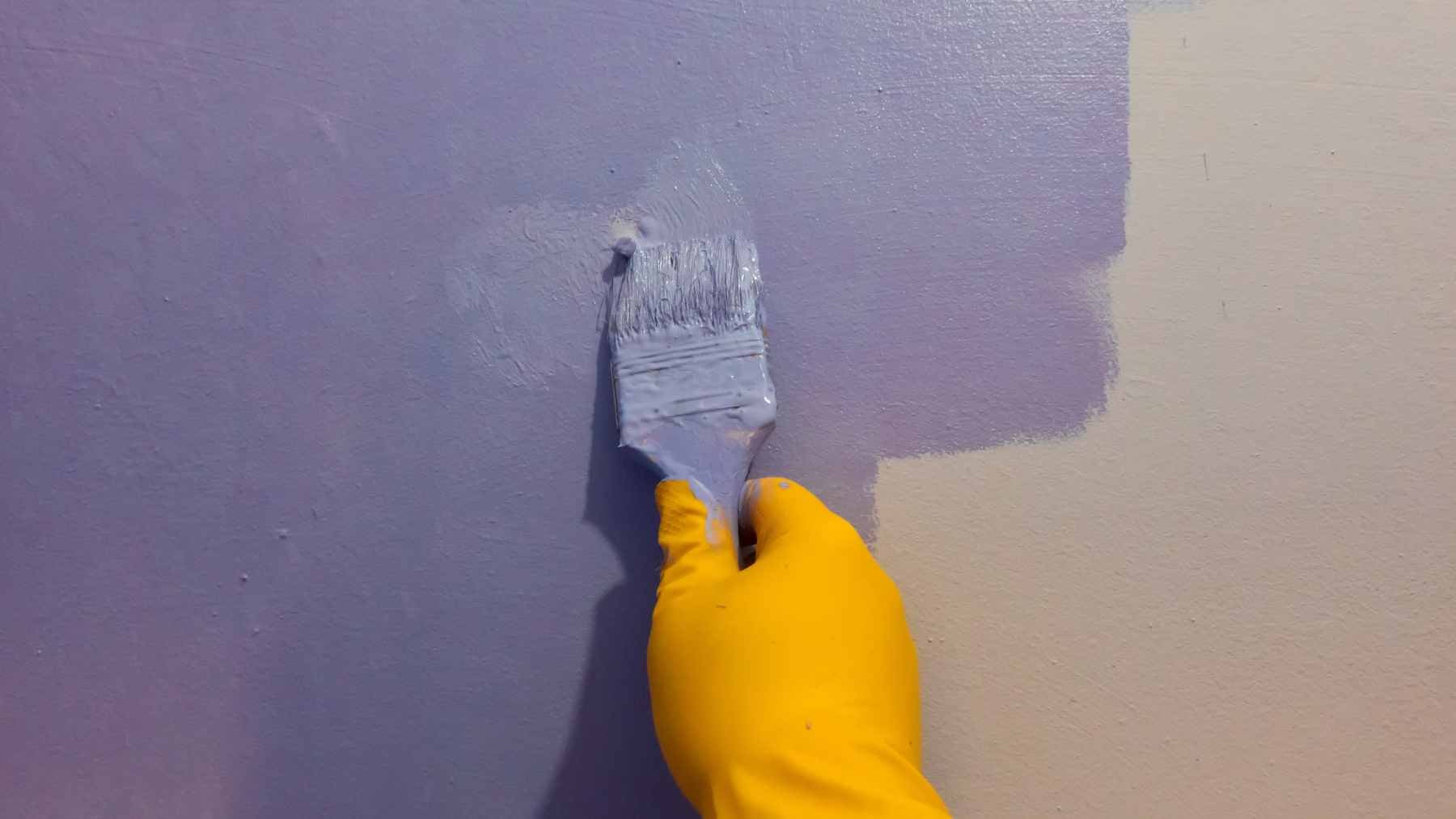
As heat waves become harder to ignore, scientists are looking for new ways to cool buildings without sending electricity demand through the roof. Now, researchers at the University of Sydney and the startup Dewpoint Innovations have developed a paint-like coating that reflects up to 97% of sunlight while also helping collect water from the air.
That combination matters. The coating is still in testing, but early results suggest it could help buildings stay cooler, reduce pressure on air conditioners, and offer a small but useful source of water in places where every drop counts. It is not magic paint. But it may be a glimpse of how rooftops could work in a hotter future.
How the smart paint works
The coating is made with a porous polymer known as PVDF-HFP, short for polyvinylidene fluoride-co-hexafluoropropene. Instead of relying mainly on common reflective pigments, the material uses tiny internal pores that scatter sunlight and reduce heat absorption.
In practical terms, that means a roof or wall treated with the material can reflect most incoming sunlight before it becomes heat. The surface also radiates heat away, a process known as passive daytime radiative cooling.
Why does that matter on a summer afternoon? Because dark roofs can behave like hot plates, soaking up the sun and pushing heat into the rooms below.
Cooler roofs, lower energy demand
In testing, the coating kept surfaces up to about 11 degrees Fahrenheit cooler than the surrounding air, even under direct sun. In some comparisons, coated surfaces were more than 45 degrees Fahrenheit cooler than dark roofs exposed to the same conditions.
That does not mean air conditioning suddenly becomes unnecessary. Homes, warehouses, schools, and offices still need active cooling during dangerous heat.
But every degree helps. A cooler roof can reduce the heat entering a building, which may allow air conditioners and fans to work less often or at lower power. That’s where the savings could start to show up.
It can also collect water
The most unusual part of this technology is not only that it stays cool. It also creates the right conditions for water vapor in the air to condense into droplets.
Think of a cold drink sweating on a table. The same basic idea is at work here, except the surface cools itself passively and does not need electricity to trigger condensation.
During a six-month outdoor trial on the roof of the Sydney Nanoscience Hub, researchers found that dew could be collected during 32% of the year. Under favorable conditions, the coating harvested up to about 13.2 fluid ounces of water per 10.8 square feet per day.
What that amount really means
By itself, one small patch of smart paint is not going to solve a city’s water shortage. The numbers become more interesting when the surface area grows.
A 129-square-foot treated area could collect roughly 1.24 gallons of water per day under favorable conditions, based on the study’s reported rate. That is not enough to run a household, but it could supplement rainwater tanks, support small agricultural uses, or help remote sites where water access is limited.
Professor Chiara Neto of the University of Sydney put it simply. “Imagine roofs that not only stay cooler but also make their own fresh water,” she said.
Why cities are watching
Urban heat islands are becoming a serious problem for many cities. Concrete, asphalt, dark roofs, and dense construction trap heat, especially at night, making already-hot days feel even worse.
A reflective coating cannot replace trees, shade, better insulation, or smarter urban design. Still, it could become one more tool in the kit.
That is why the technology could be useful for homes, commercial buildings, warehouses, agricultural facilities, and remote infrastructure. It may be especially valuable in regions facing both extreme heat and growing water stress.
Not ready for store shelves yet
For now, this is still a developing technology. Dewpoint Innovations is working on a water-based commercial version that could be applied with ordinary rollers or sprayers.
That part matters because a coating that needs specialized equipment would be harder to scale. If it can be applied like premium roof paint, adoption becomes much more realistic.

There is still work to do. Researchers will need more outdoor testing, durability checks, cost analysis, and real-world trials across different climates before the product can be widely used.
The business case is starting to form
The commercial appeal is easy to understand. Building owners want lower cooling costs, cities want less heat, and water-stressed regions want more resilient supply options.
At the same time, the economics will have to make sense. A smart coating must compete with existing cool-roof products, insulation upgrades, solar panels, and other energy-efficiency investments.
That’s the practical question ahead. Can this material deliver enough cooling and water capture over many years to justify the price?
A useful tool for a hotter future
The smart paint is not a silver bullet. It will not end heat waves, replace air conditioners, or provide enough water for every need.
Still, the idea is powerful. A roof is usually passive, just sitting there in the sun. This technology tries to turn that surface into something more active, helping cool the building below while collecting small amounts of water from the air above.
For the most part, that is the future climate technology is moving toward. Not one giant fix, but many small improvements working together.
The study was published on Advanced Functional Materials.