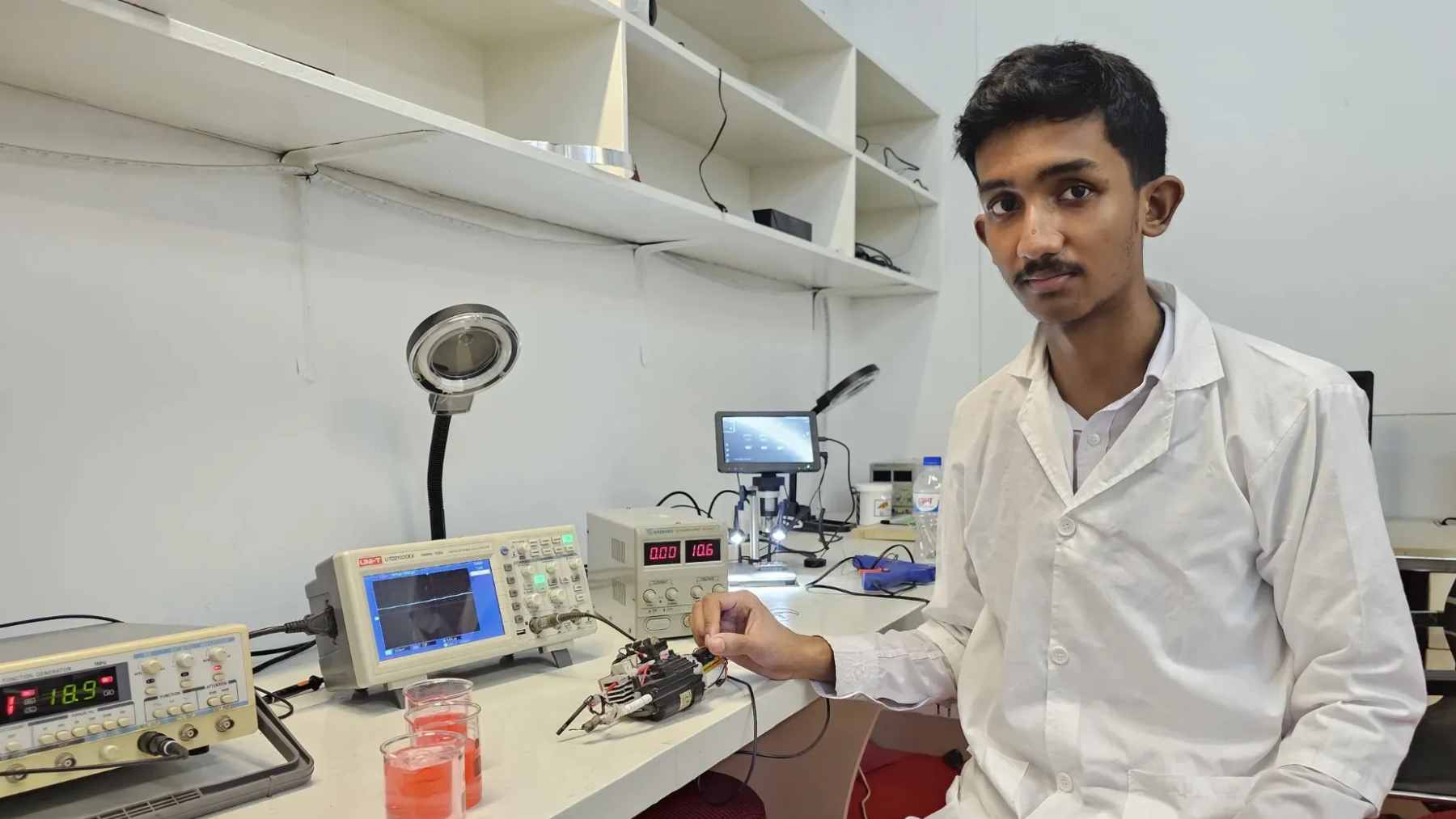
Can a dead laptop battery, a broken circuit board, and parts from an old tube TV help clean unsafe water after a flood? In Bangladesh, student Zabeer Zarif Akhter has turned that unlikely question into a working prototype built around high-voltage plasma and discarded electronics.
Local reporting says Akhter was 17 when the project gained attention in 2024, and the system was designed to run with parts pulled from old laptops, CRT televisions, three-wheeler motor circuits, and phone batteries.
The invention matters because it sits at the meeting point of two environmental problems that rarely get solved together. One is dirty water after floods. The other is electronic waste piling up in homes, shops, and informal dumps.
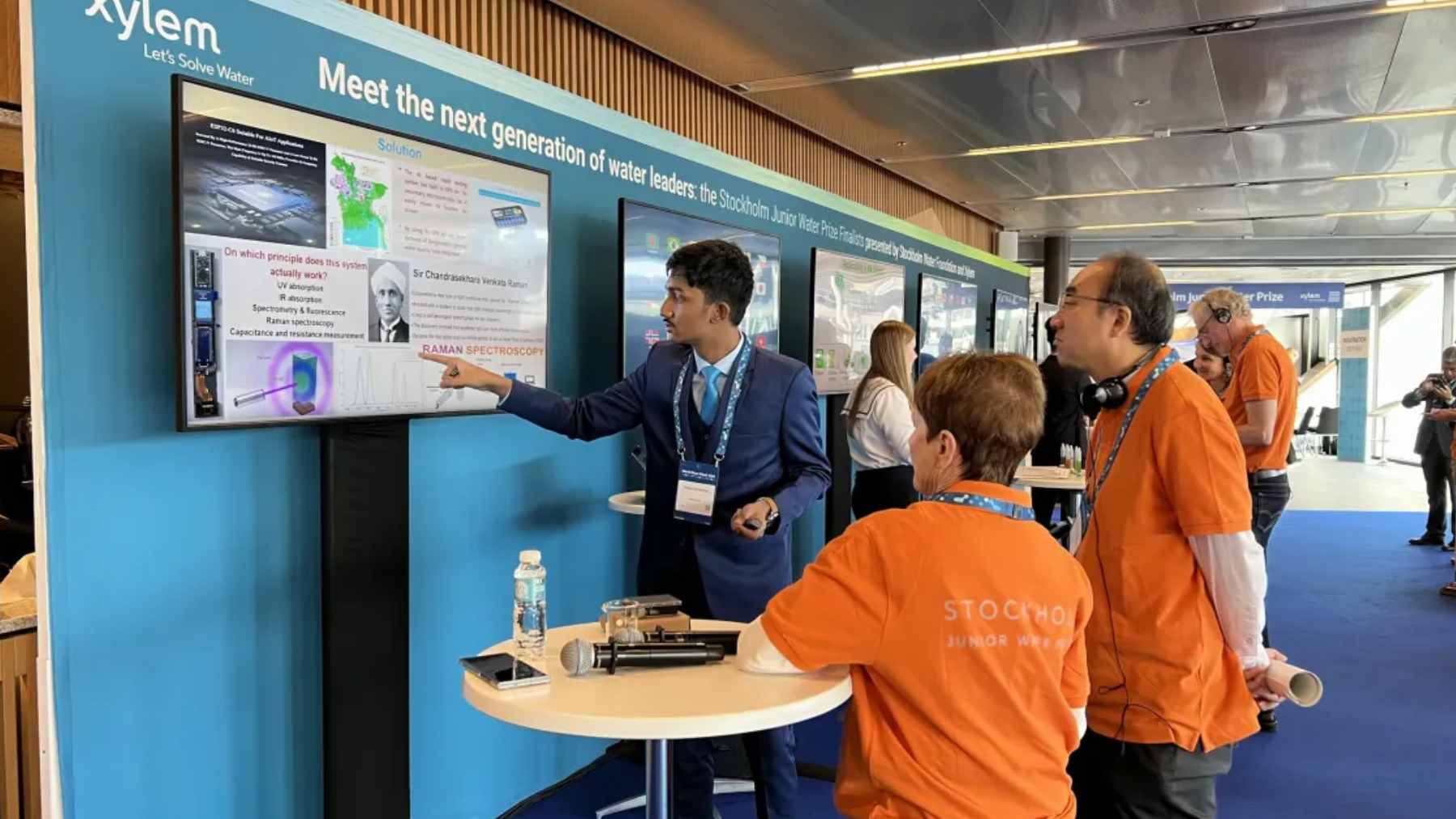
Akhter’s project, called “High Voltage Plasma Water Purifier from E-Waste,” won the Bangladesh Stockholm Junior Water Prize 2024 and pushed a student-built device onto an international water innovation stage.
A purifier built from scraps
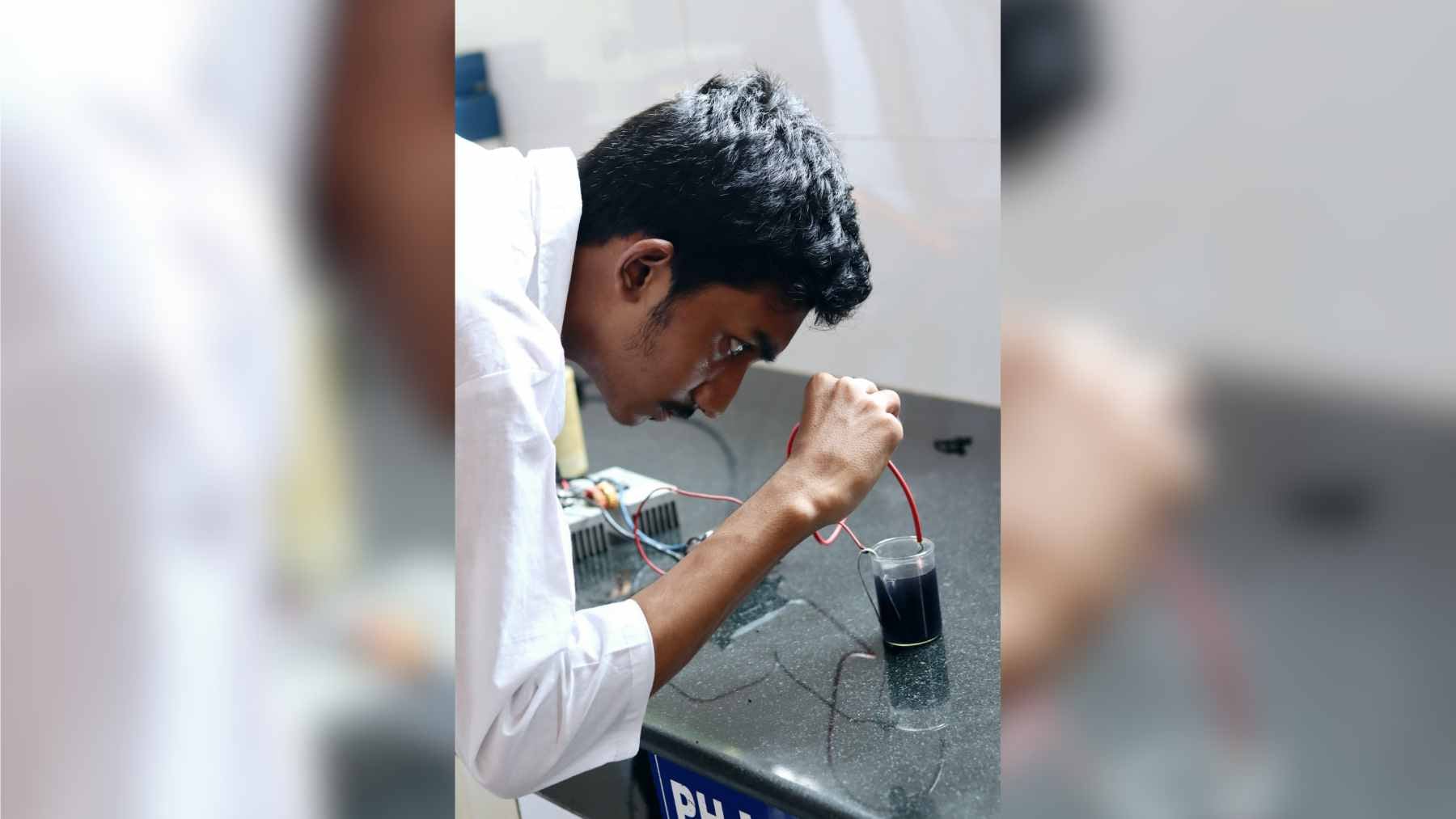
The basic idea sounds almost too simple. Instead of waiting for expensive equipment, Akhter’s design uses reused electronic components to convert low-voltage battery power into the high-voltage current needed to create plasma. In practical terms, that means the machine is trying to squeeze clean-water technology out of materials many people would throw away.
The official project description lists the device cost at only $5 and says it can be charged by a solar panel, which is important in places where flood damage can knock out electricity. That figure should be read as an early prototype cost, not a store price. Still, it shows the point of the project clearly. Keep it cheap, portable, and useful when normal systems are down.
How plasma cleans water
Plasma is sometimes called the fourth state of matter, but you do not need a physics degree to understand the goal here. The project description says the prototype turns contaminated water into a plasma stream and combines ultraviolet radiation with plasma sterilization. The aim is to attack microbes without relying on large industrial treatment systems.
One important detail is temperature. The process is described as nonthermal plasma, meaning it does not need to heat the water significantly to do its work. That could matter in emergency settings, where boiling water takes fuel, time, and dry shelter, all things that can disappear fast after a flood.
For remote use, the simplified version needs two carbon electrodes and the circuit, according to the project description. The system is described as targeting microorganisms including E. coli, total coliforms, and fecal coliforms. That is promising, but it is still a prototype, so independent testing, safety checks, and durability trials will decide how far it can really go.
Why Bangladesh matters
This is not a random science fair problem. UNICEF Bangladesh reported in 2025 that safely managed water had fallen to 39.3 percent in the country, leaving more than 106 million people without safely managed drinking water. The same UNICEF release said more than 80 percent of household samples were contaminated with E. coli.
After a flood, even water that looks harmless can carry sewage or dangerous microbes. The CDC warns that floodwater may contain sewage, and drinking or eating anything contaminated by it can cause diarrheal disease, including E. coli or Salmonella infection.
That’s where a small emergency purifier could matter, especially for a family waiting days for help to reach a flooded neighborhood.
The e-waste angle
There is another layer to the story. The world generated about 68.3 million U.S. tons of e-waste in 2022, and that total is projected to reach about 90.4 million U.S. tons by 2030. The Global E-waste Monitor 2024 says only 22.3 percent of e-waste was formally collected and recycled in 2022, while hazardous substances in discarded electronics can raise health and pollution risks.
That makes Akhter’s design feel timely. It does not solve the global e-waste crisis, of course, and nobody should casually dismantle batteries or electronics without proper safety measures. But as a proof of concept, it points toward a circular approach, where yesterday’s broken gadgets become tomorrow’s emergency tools.
From prize stage to lab bench
The project won the national Bangladesh Stockholm Junior Water Prize in 2024, after a contest that included 168 participants and 46 projects, according to The Business Standard. The same outlet reported that the purifier was being supervised in a BUET lab to make it more functional and effective before the international competition in Sweden.
Akhter’s work has also moved beyond the first purifier. UNICEF later described him as a two-time Bangladesh winner of the Stockholm Junior Water Prize and said he had also developed an AI-powered water quality testing kit using low-cost parts from old phones and cameras. As he told UNICEF, “Find something that you are good at and use it to solve a need.”
What to watch next
The next question is not whether the prototype is clever. It is. The tougher question is whether it can be made safe, repeatable, and rugged enough for real flood response, where devices get dropped, soaked, and used by people who may not have technical training.
That means researchers will need to verify how well the system handles bacteria, chemical pollutants, textile dyes, and long-term use.
At the end of the day, the strongest part of Akhter’s idea is not just the plasma or the solar panel. It is the practical mindset behind it, taking a problem people live with every rainy season and building a low-cost tool from what is already lying around.
The official statement was published on UNICEF Office of Innovation.