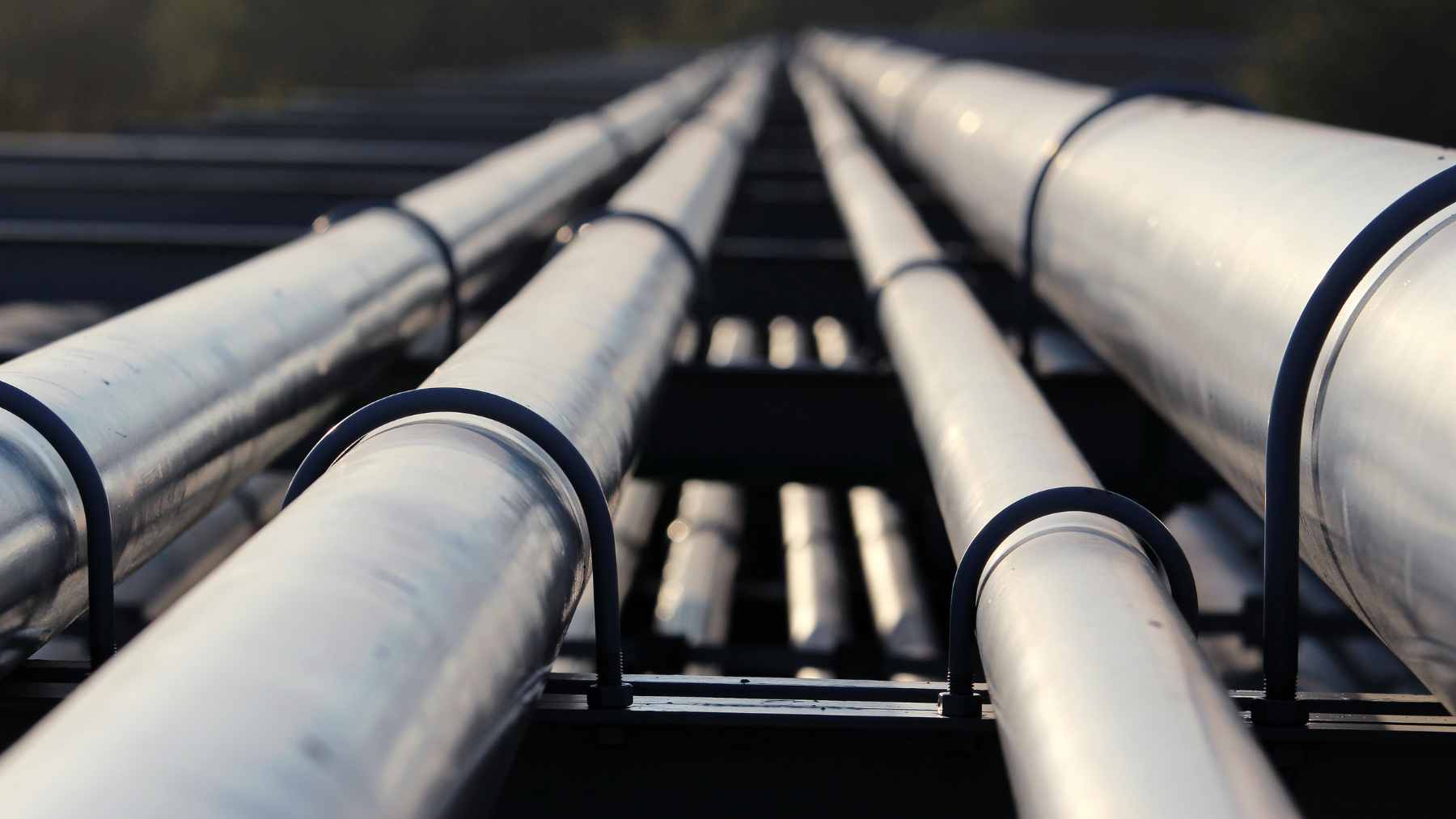
Canada’s latest energy move is not just another pipeline proposal. Prime Minister Mark Carney’s government has referred Alberta’s west coast oil pipeline plan to the Major Projects Office, a step that could lead to a new corridor carrying 1 million barrels of oil a day from Alberta to southern British Columbia and then to buyers across the Pacific.
The big question is not whether Canada has enough oil. The question is whether a country that has promised deep emissions cuts can spend tens of billions of dollars expanding fossil fuel exports and still sell the plan as part of a cleaner future. Canada’s own data show oil and gas was its largest emitting sector in 2024.
A huge bet on one route
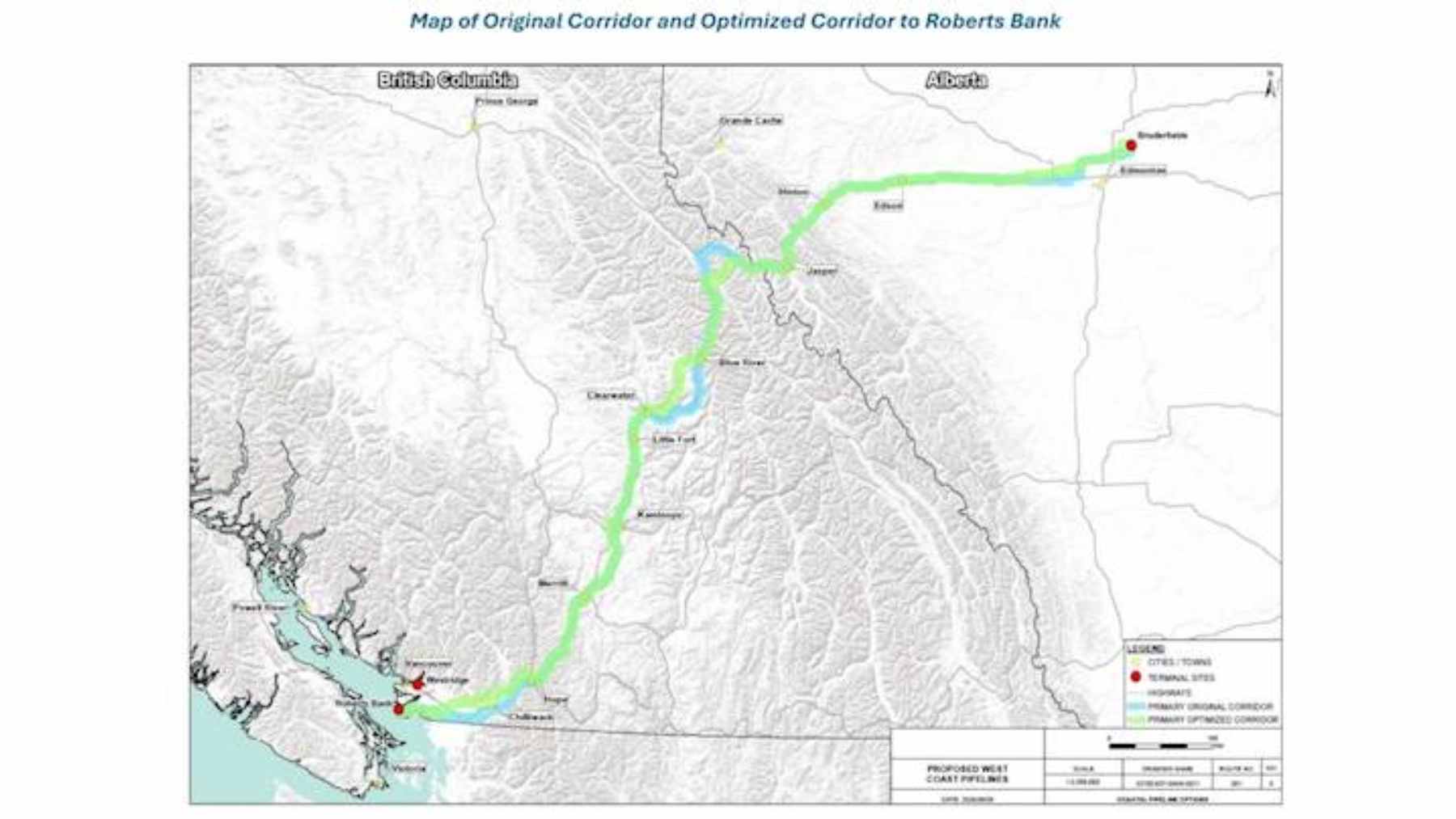
The proposed line would mostly follow the existing Trans Mountain corridor. It would start around Bruderheim, Alberta, collect crude from other pipelines, and move it toward a marine terminal in southern British Columbia for export. Canada says the route would not require changes to the Oil Tanker Moratorium Act.
That route matters. The expanded Trans Mountain system already moves about 890,000 barrels a day, giving Alberta crude a path to the Pacific, but Ottawa wants a larger doorway to Asia and less dependence on the U.S. market. In practical terms, this is energy policy doing double duty as trade policy.
Public risk at the center
This is not shaping up as a simple private-sector build. The ownership group would include federally owned Trans Mountain Corporation, the Alberta Petroleum Marketing Commission, and Pembina Pipeline, with Pembina taking a 10% economic interest during construction and a possible additional 10% once the project is operating.
The bill is the hard part. Estimates reported from Alberta’s submission put the project at about US$24.9 billion to US$30.9 billion using recent exchange rates, with construction potentially starting in 2027 and oil flowing by 2034. That is not pocket change, even for a country used to building big things.
Canada has been here before. The Trans Mountain expansion began commercial operations in 2024 after a long and expensive build, with Reuters putting the final cost at about US$25 billion. That memory hangs over this new project like a warning sign on a construction fence.
Jobs and sovereignty
The official argument is straightforward. A new west coast pipeline would mean jobs, higher government revenues, Indigenous equity opportunities, and more access to Asian buyers looking for stable energy supplies.
Canada’s backgrounder says employment impacts could peak at about 140,000 jobs during construction, with annual impacts averaging around 50,000 once the pipeline moves into operation.
Carney has framed the plan as part of a broader push to make Canada “the global supplier of choice” for allies and partners. Alberta Premier Danielle Smith used even blunter language, saying Canada has what it needs to become an energy superpower. The pitch is clear enough: don’t leave Canadian oil trapped behind one main customer.
The carbon capture promise
To make the plan politically and environmentally acceptable, Ottawa and Alberta are tying it to Pathways, a major carbon capture and storage project backed by oil sands companies. The stated objective is to cut about 17.6 million tons of emissions per year, a figure officials present as proof the pipeline can fit inside a lower-emissions strategy.
Carbon capture is not magic, however. The International Energy Agency describes CCUS as technology that captures carbon dioxide from large point sources, such as power generation or industrial facilities, and can also draw carbon directly from the air.
It can help cut production emissions, but it does not erase the carbon released when exported oil is burned in cars, ships, factories, and boilers.
The climate math
Here is where the debate gets uncomfortable. Canada’s latest greenhouse gas inventory put total national emissions at about 755 million tons of carbon dioxide equivalent in 2024. Oil and gas accounted for 30% of that total, or about 229 million tons.
Canada has also pledged to cut greenhouse gas emissions 40% to 45% below 2005 levels by 2030, and 45% to 50% below 2005 levels by 2035. That leaves less room for delay. Every summer heat wave, every smoky sky, and every stressed power grid makes that math feel less like a spreadsheet and more like everyday life.
What readers should watch
The next checkpoint is October 1, 2026, when the Major Projects Office is expected to decide whether the project should be listed as being in the national interest. Before that, consultations with Indigenous communities, provinces, and territories are supposed to shape the decision. That process will matter as much as any engineering plan.
The financing will matter, too. If more private investors come in, the risk profile changes. If they do not, Canadians may again be asked to carry a large share of the burden for a fossil fuel project sold as a bridge to a cleaner economy.
The final test is whether the carbon capture side moves as promised. If Pathways falls behind, the pipeline’s climate case gets much weaker. At the end of the day, Canada is trying to build two futures at once, one based on exporting more oil and another based on cutting pollution fast enough to keep its climate promises.
The official backgrounder was published on Canada.ca.