The Strait of Hormuz has been close to a standstill since the February 28 conflict began, and that is not an abstract problem. Reuters reported only three ships crossed in a 24-hour period, versus roughly 140 a day before the fighting, with hundreds of vessels and about 20,000 seafarers stuck inside the Gulf.
A UK Parliament briefing said Hormuz normally carries about one-fifth of global oil and liquefied natural gas shipments.
When oil and liquefied natural gas get trapped, prices and supply chains wobble, and people feel it at the pump, on the electric bill, and in shipping costs that creep into everyday goods. In that climate, Turkey’s Canal Istanbul proposal looks less like a vanity project and more like a hard question about who controls the world’s chokepoints.
Why Turkey keeps coming back to Canal Istanbul
The basic issue is legal as much as geographic. Under the Montreux Convention, merchant vessels enjoy “complete freedom of navigation and passage” through the Turkish Straits in peacetime, with no tax or charge except for services directly rendered.
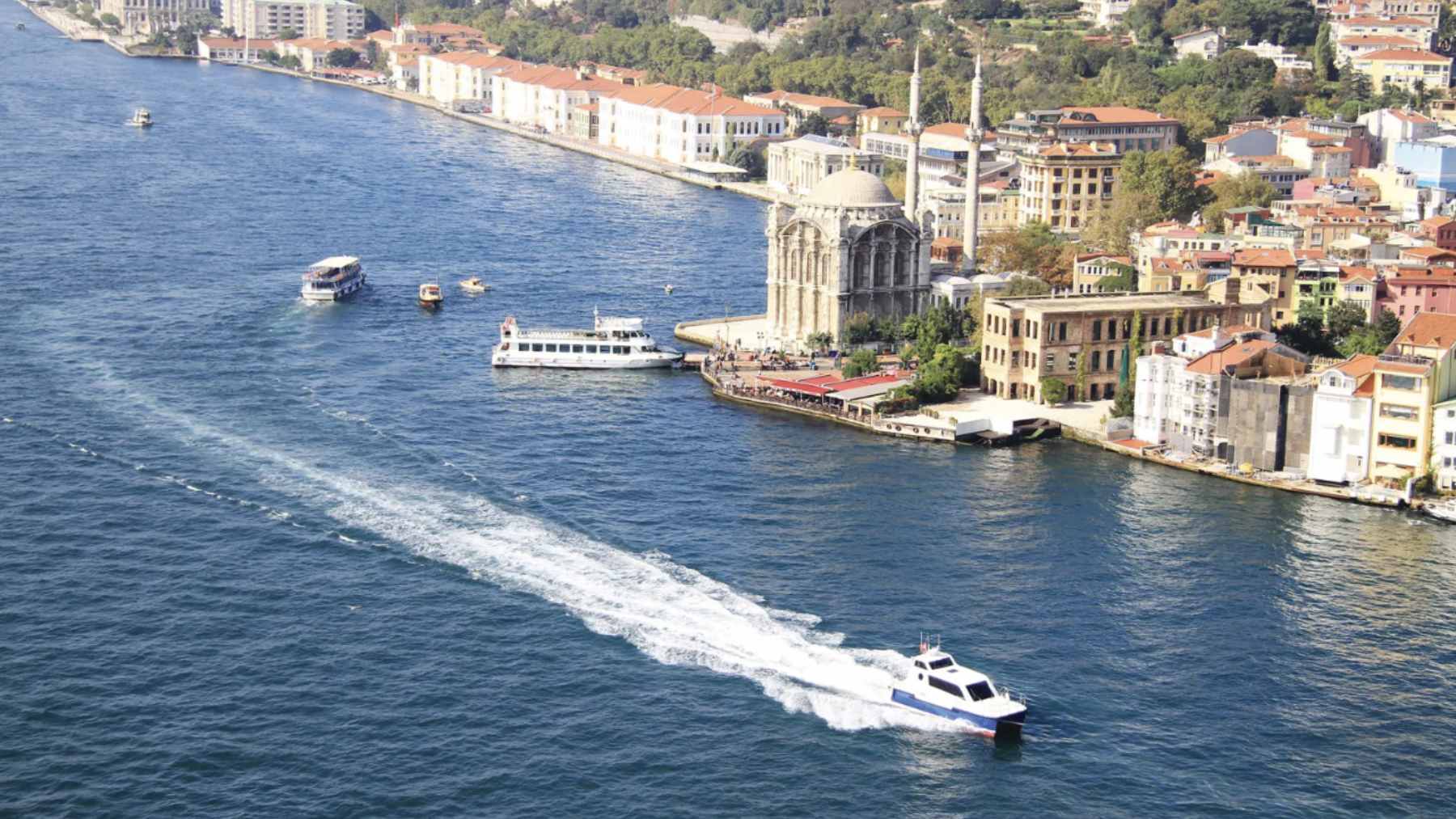
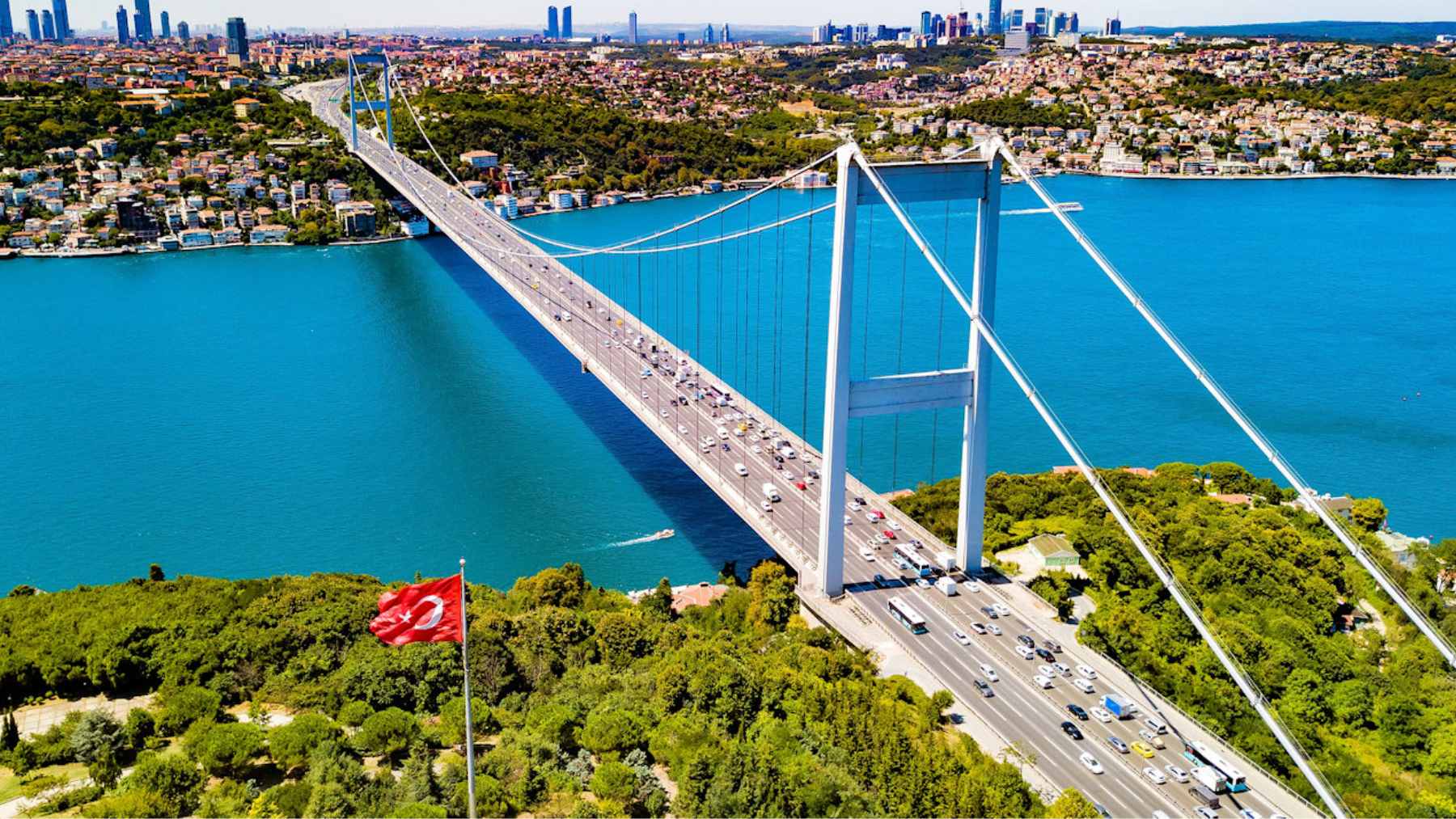
That makes the Bosporus a free route, even as it cuts through one of the most crowded urban corridors on Earth.
Turkey has argued that a man-made canal west of the Bosporus could relieve congestion and reduce accident risk, while also creating a toll-based alternative.
In a 2021 government statement, then transport minister Adil Karaismailoglu said more than 50,000 ships a year pass the Bosporus and predicted 86,000 in coming decades, adding that “intelligent navigation systems” would guide ships through a 28-mile canal.
The ecology problem is not a footnote
A new canal would connect the Black Sea and the Sea of Marmara in a second place, and critics warn that is not like adding a new lane to a highway.
The Guardian reported concerns that the seas differ in salinity and organic content, and that the Black Sea sits about 50 centimeters higher, which helps drive the current two-layer flow through the Bosporus. Shift that balance and oxygen levels become part of the story, not just ship schedules.
Water supply is even more sensitive because it is local, immediate, and political.
Istanbul’s Metropolitan Municipality said in a workshop report that the project could deactivate or sharply reduce key reservoirs and basins, while Turkey’s official Canal Istanbul site counters that the overall impact on the city’s total water reserve would be about 3% and that other dams would offset losses.
Two sets of numbers, one shared worry, and a lot at stake in a city that already watches rainfall like a budget line.
The business math is still unsettled
Cost estimates swing widely, and that is a warning sign in itself. The Guardian reported an official price tag around $15 billion and cited other estimates as high as $65 billion, while SWP describes the plan as roughly a $10 to $20 billion megaproject depending on assumptions.
The wider the range, the harder it is to judge payback, and the easier it is for environmental risk to get pushed into the fine print.
Revenue is not guaranteed either, because shipowners can keep choosing the free Bosporus unless rules change.
A U.S. Naval Institute analysis noted that a new canal would not be governed by Montreux in the same way, allowing Turkey to charge tolls, and it cited an estimate of $1.4 billion a year in time lost while ships wait to transit the Bosporus. Is the paid route worth it today?
Security and the new era of chokepoints
Montreux is also a security framework, since it includes rules for warship passage that have shaped Black Sea politics for decades.
Analysts at SWP note that the canal debate has pulled in retired officers and strategists who fear it could complicate defense by reshaping terrain and by triggering disputes over how existing rules apply to a new waterway. In a region where trust is thin, legal ambiguity can be its own kind of risk.
Hormuz shows how fast a chokepoint can turn into leverage. Reuters reported the EU is preparing to widen Iran-related sanctions to include those responsible for obstructing navigation through Hormuz, after the strait was largely shut for nearly two months.
Once tolls, blockades, or “special fees” become normalized, every major canal and strait starts to look like the next pressure point.
Tech fixes and the decisions ahead
Turkey’s government says tech will be part of the solution, pointing to “intelligent navigation systems” and safer routing to reduce congestion and accident risk.
SWP also notes that past traffic management and monitoring measures in the Bosporus have already reduced incidents, which is an uncomfortable comparison for any brand-new dig. If technology can lower risk in the existing strait, that raises the bar for what a canal must prove on both safety and ecology.
Reuters has reported that major Turkish banks have been wary of funding the canal due to environmental and investment concerns, while outside lenders have backed other transport links like a World Bank-supported rail project across the Bosporus. Follow the financing.
The official briefing was published on UK Parliament Commons Library.