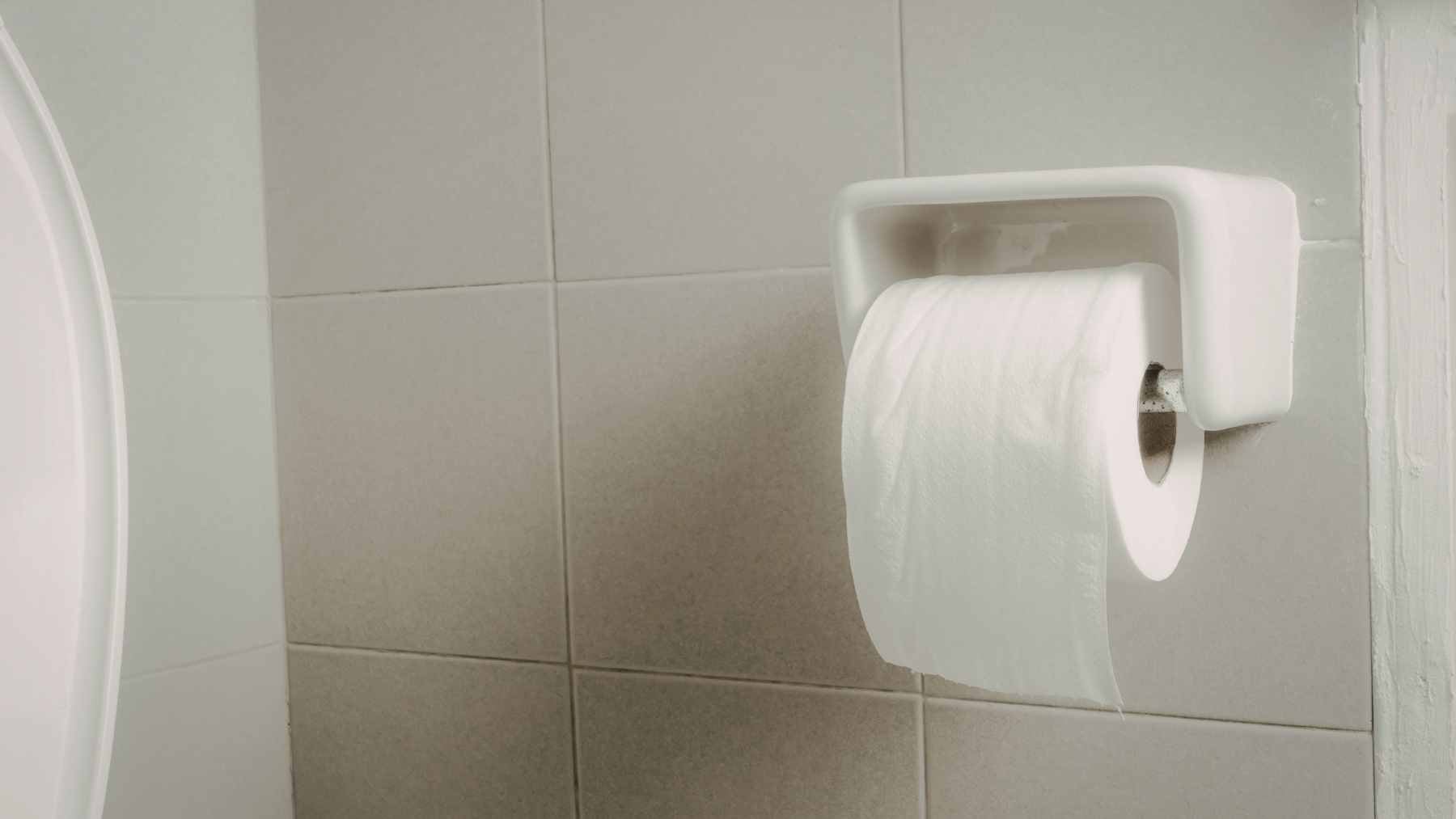
A young family in County Carlow is living a situation that sounds impossible in 2026. Their home has seven bedrooms and four bathrooms, but they still have to drive 20 minutes each night just to use a toilet because sewer access was cut off and a septic system plan was refused.
It’s an everyday-life problem with a very environmental core. Ireland has nearly half a million domestic wastewater treatment systems, and recent inspections show that failures are common enough to worry regulators who are trying to protect rivers, groundwater, and drinking water wells.
A house that cannot flush
Zoe and Kevin O’Donnell bought their first home at auction last year for less than €100,000 ($117,000), a price that probably sounded like a miracle in today’s housing market. Then the nightmare started, with sewer and water connections cut off when they moved in, leaving them without a working wastewater system for months.
For nine months, they’ve relied on a service station bathroom 20 minutes away, a routine that becomes even more stressful with a two-year-old at home. “We can’t potty train our son because we don’t have any sewerage,” Zoe told The Nationalist, describing a basic quality-of-life gap that most people would never expect after buying a house.
The refusal that turned a workaround into a dead end
Carlow County Council granted permission for an underground wastewater treatment system in early November 2025, but an appeal was filed on behalf of neighbors Stephen and Margaret Murphy. The appeal landed at An Coimisiún Pleanála, which refused permission in an order dated April 13, 2026.
The commission’s reasoning was blunt. It pointed to the restricted size of the site, problems meeting separation distances in the EPA’s 2021 code of practice, and “inaccurate and conflicting” information in the submitted site report, then concluded it could not be satisfied the plan would avoid an unacceptable risk to public health and the receiving environment.
Why small sites make planners nervous
If you’ve never dealt with septic approvals, the logic can feel cold until you look at what can go wrong. The inspector’s report describes a small site of about 0.11 hectares (0.27 acres) that includes a large two-story dwelling, plus close neighbors and nearby commercial activity.
One detail shows how tight these designs can get. The inspector noted a key separation distance was shown as 5.4 meters in the documents, while the EPA code points to 10 meters as a minimum, and third-party submissions raised compliance concerns tied to those distances.
The environmental backdrop is bigger than one household
This isn’t just paperwork for its own sake. Ireland’s EPA reported that local authorities completed 1,390 domestic wastewater treatment system inspections in 2024 and found a 56% failure rate, with risks to human health and the environment when systems are not built or maintained properly.
The same EPA report links faulty systems to contamination threats for household wells and local waters, including excess nitrogen and phosphorus entering receiving waters.
It also identifies domestic wastewater as a significant pressure on water quality in 148 (9%) at-risk water bodies in Ireland, which helps explain why regulators can be cautious even when a family’s situation is urgent.

The business problem hiding in the pipes
There’s another layer here that feels almost too modern. The couple says vagueness in auction contract documents meant they did not realize the sewer and water pipe connections were owned by a business behind the property, and they discovered access had been blocked only after moving in.
That matters because wastewater is infrastructure, and infrastructure can be leveraged like an asset. When a home depends on pipes controlled by a neighboring business, the “deal” is no longer just about a mortgage and a roof, it’s also about access rights, disclosure, and the risk that a cheap purchase price quietly shifts long-term costs onto the buyer.
Tech and defense are already in the mix
Wastewater sounds local, but it’s also a resilience issue, and defense planners talk about it that way. NATO lists “resilient food and water resources” as one of its baseline requirements for national resilience, recognizing that societies and militaries depend on these essentials in crisis conditions.
Tech is part of the picture, too, sometimes in uncomfortable ways. In April 2026, the U.S. EPA, FBI, CISA, and NSA issued a joint advisory warning of Iranian-affiliated cyber threats hitting operational technology at drinking water and wastewater systems, noting that a single breach can disrupt treatment and threaten public health and community resilience.
What this case tells homeowners and policymakers
For Zoe and Kevin, the next step is a hard choice, either seek a High Court review or keep living with a workaround that no family should have to normalize.
Their story also points to a practical policy gap where environmental protection is essential, but so is giving households clear, workable paths to legal sanitation when legacy connections fail.
In the future, that could mean tougher disclosure expectations in property auctions, clearer rules around access to shared or legacy utility connections, and more consistent guidance for applicants trying to meet the 2021 code on constrained sites.
The official order was published on An Coimisiún Pleanála.