The A-10 Thunderbolt II has taken another quiet step toward the end of its long career at Davis-Monthan Air Force Base. Airmen in Arizona completed the final A-10 engine build at the base on May 21, 2026, closing a maintenance mission that helped keep the famous close air support jet flying for roughly half a century.
This is not just a story about one engine leaving one shop. It is about the slow dismantling of an entire support system built around an aircraft that became a symbol of battlefield protection, especially for troops on the ground who knew the sound of the Warthog meant help was nearby.
Why the last engine matters
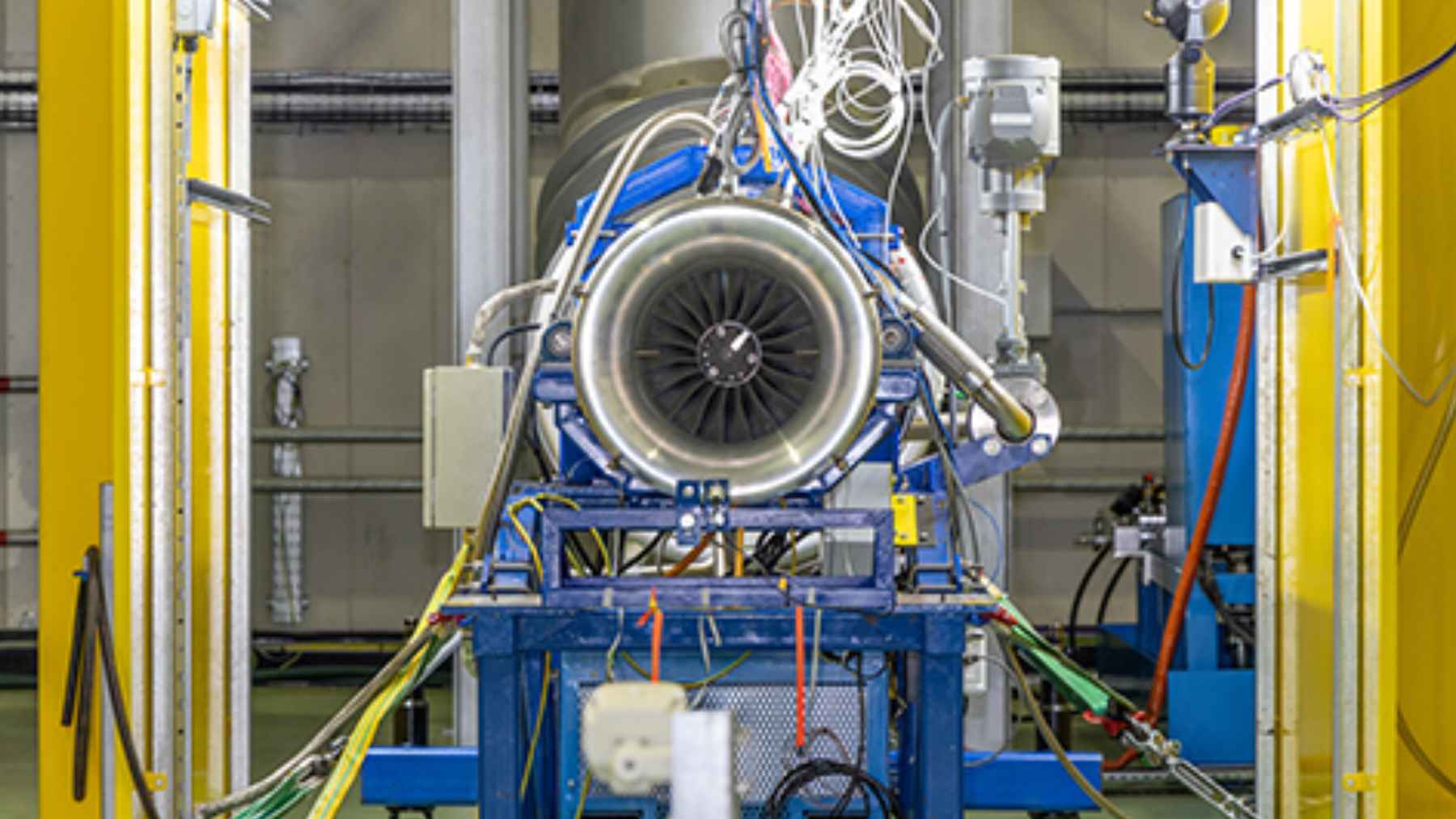
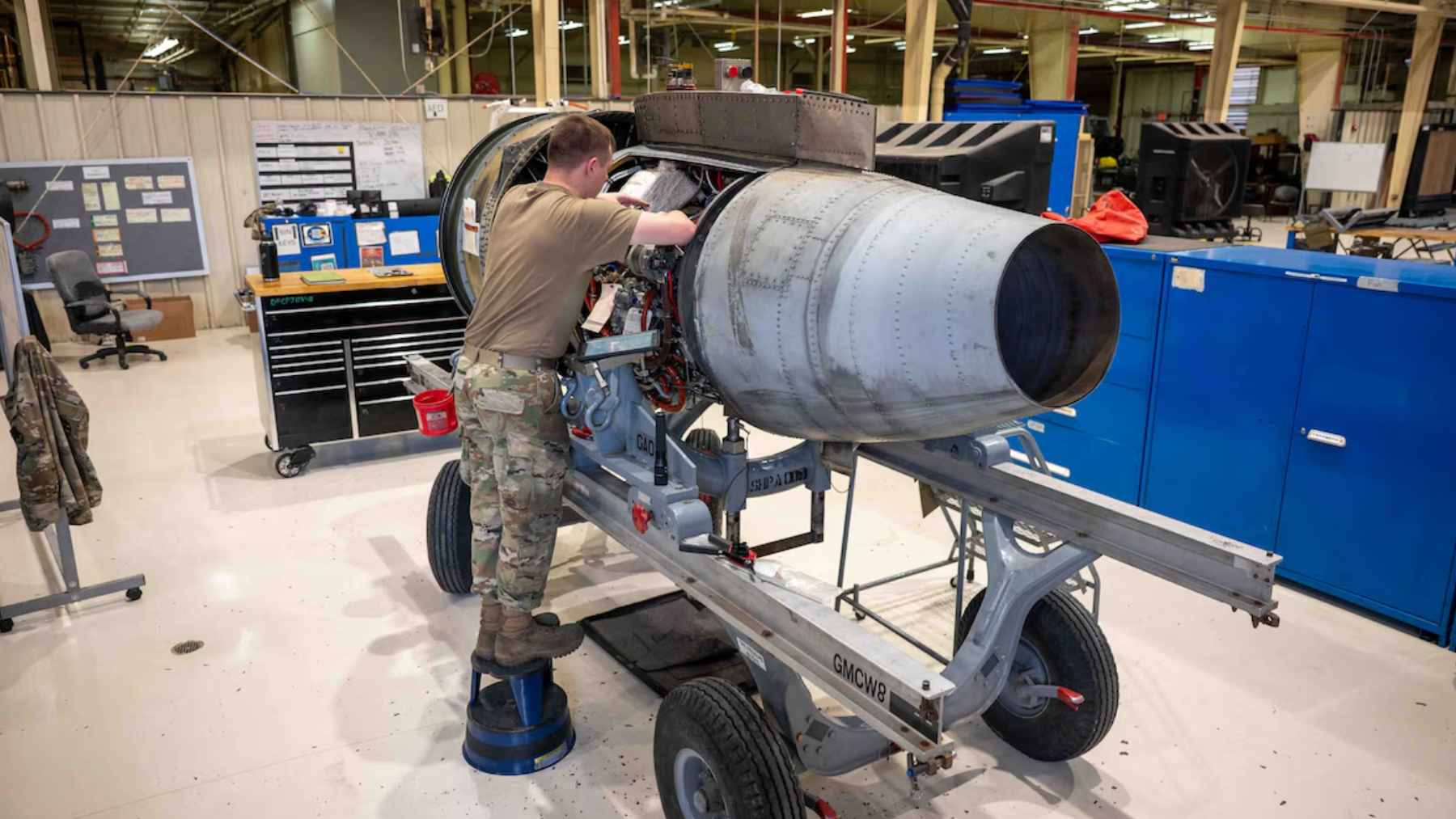
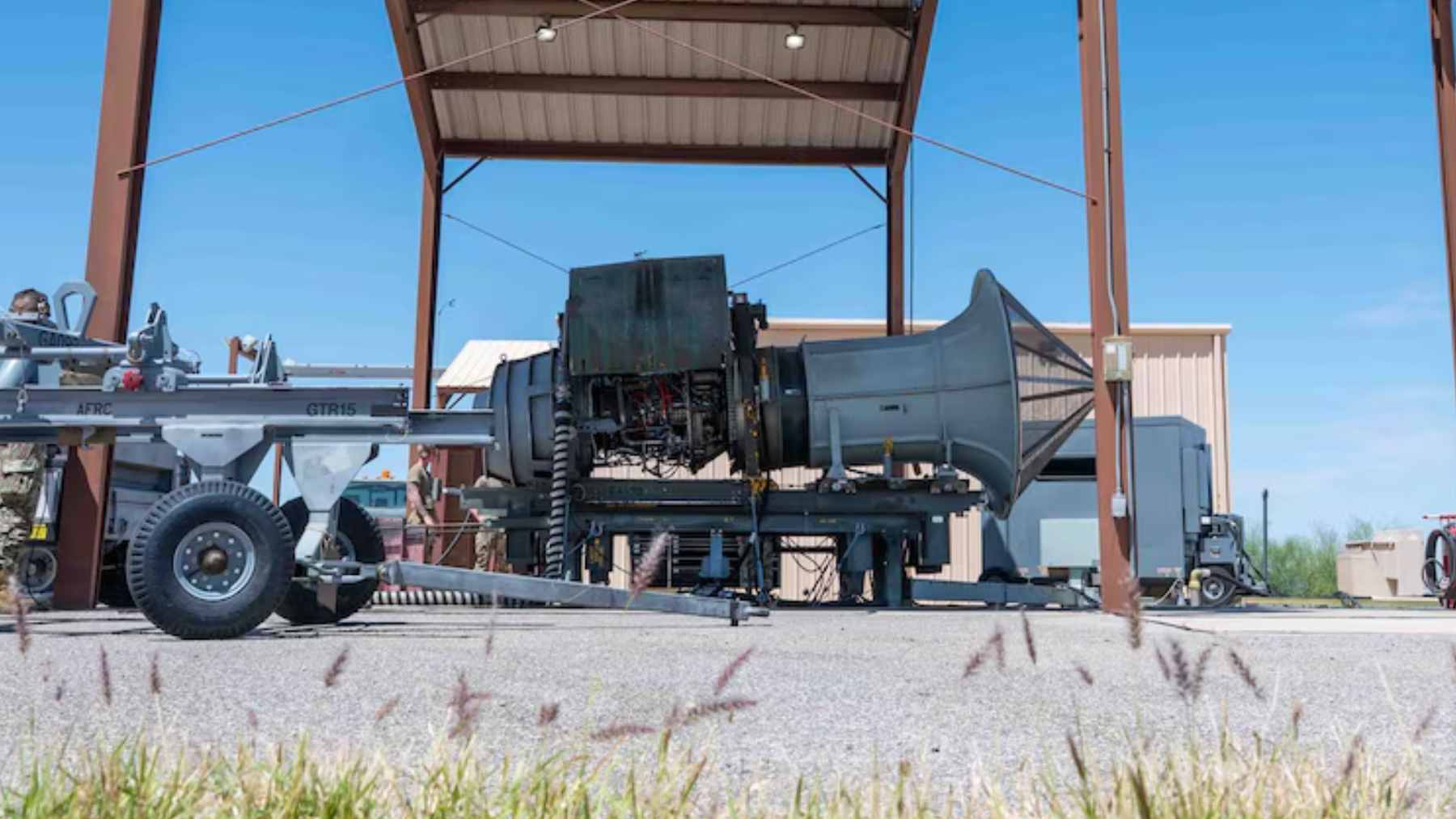
The final build was handled by airmen assigned to the 355th Component Maintenance Squadron, the unit responsible for inspecting, repairing, rebuilding, and testing the General Electric TF34 engines that power the A-10. A normal engine build takes about 30 days, with each step guided by technical data and checked for safety.
That sounds routine, almost like an auto shop with better tools and more paperwork. But in military aviation, routine is the point. One missed detail can affect a pilot, a mission, and the ground forces counting on air cover.
Master Sgt. Eugene Rich III, the propulsion flight chief assigned to the 355th CMS, linked the engines to the aircraft’s combat record, saying they had “saved lives on the ground.” For the final engine, the whole shop took part, not just the usual small crew.
The shop behind the Warthog
For maintainers, this was a technical milestone and a personal one. Staff Sgt. Bill Bautista, an aerospace propulsion craftsman who worked on these engines for three years, described the moment as bittersweet and said the A-10 will be “missed here in Arizona.”
That feeling is easy to understand. Davis-Monthan’s relationship with the aircraft reaches back to the mid-1970s, and the base has supported A-10 operations through deployments, training, and daily flying. In practical terms, generations of Airmen built careers around knowing the Warthog inside and out.
What happens when that kind of knowledge is no longer needed in the same place? For the most part, it moves. The skills do not vanish, but the culture around a specific aircraft does change.
Why troops loved the A-10
The A-10C Thunderbolt II was the first Air Force aircraft designed specifically for close air support of ground forces. The service describes it as a simple, effective, survivable twin-engine jet built to operate near battle areas and attack ground targets, including tanks and armored vehicles.
Its reputation comes from more than nostalgia. The aircraft can carry up to 16,000 lbs. of mixed ordnance and is built around a 30-mm gun (1.18”) capable of firing 3,900 rounds per minute. For soldiers and Marines under fire, those numbers are not trivial.
Still, every military icon eventually runs into the same question: can it survive the next war, not just the last one? That is where the Warthog’s future gets complicated.
Retirement is still complicated
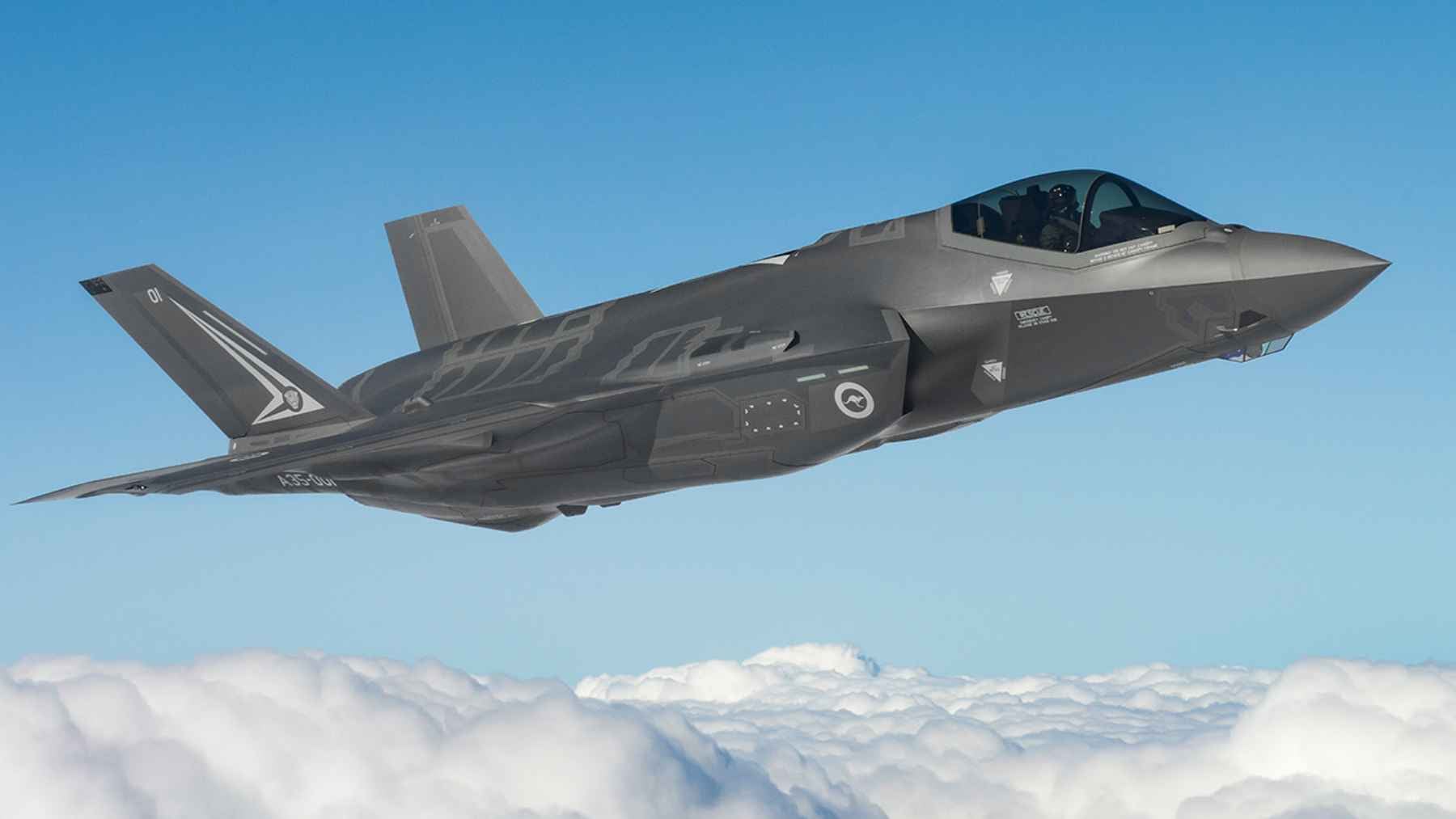
The Air Force has been moving toward a phased retirement of the A-10 fleet as it shifts money and manpower toward newer systems, including the F-35A and next-generation aircraft. Hill Air Force Base in Utah has already marked the end of its A-10 depot maintenance mission, a program that had supported major repairs and overhauls since 1998.
At the same time, Congress has not made the process simple. The Fiscal Year 2026 National Defense Authorization Act prevents the Air Force from retiring A-10s if doing so would drop the inventory below 103 aircraft during FY26.
That creates a strange middle ground. The aircraft is being wound down, but not fully released. It is aging, costly, and less suited for high-end air defenses, yet still valued for missions where rugged close support matters.
What Davis-Monthan keeps
The final engine build does not mean every A-10 disappears overnight. According to the Davis-Monthan statement, some A-10s are planned to remain in service until 2030 at Moody and Whiteman Air Force Bases.
But for Arizona, the symbolism is hard to miss. The base already graduated its last A-10 student pilots on April 3, 2026, marking another end point for the training pipeline that fed the Warthog community.
This is how aircraft eras usually end, not with one dramatic farewell but with a string of smaller closures. A class graduates, a depot line shuts down, an engine shop stamps its final inspection.
The Warthog’s next chapter
For the Air Force, the A-10 story is now less about whether the jet is beloved and more about how fast the service can move without creating a capability gap. Close air support remains a real mission, and troops on the ground still need aircraft, crews, and tactics that can protect them in ugly, fast-moving fights.
For Davis-Monthan maintainers, the last engine is also proof of something less flashy. Aircraft get headlines, but maintenance keeps them alive. The Warthog’s legacy belongs as much to the people with borescopes, test cells, checklists, and grease on their hands as it does to the pilots in the cockpit.
At the end of the day, the final A-10 engine build in Arizona is not just an ending. It is a handoff.
The official statement was published on the Davis-Monthan Air Force Base website.