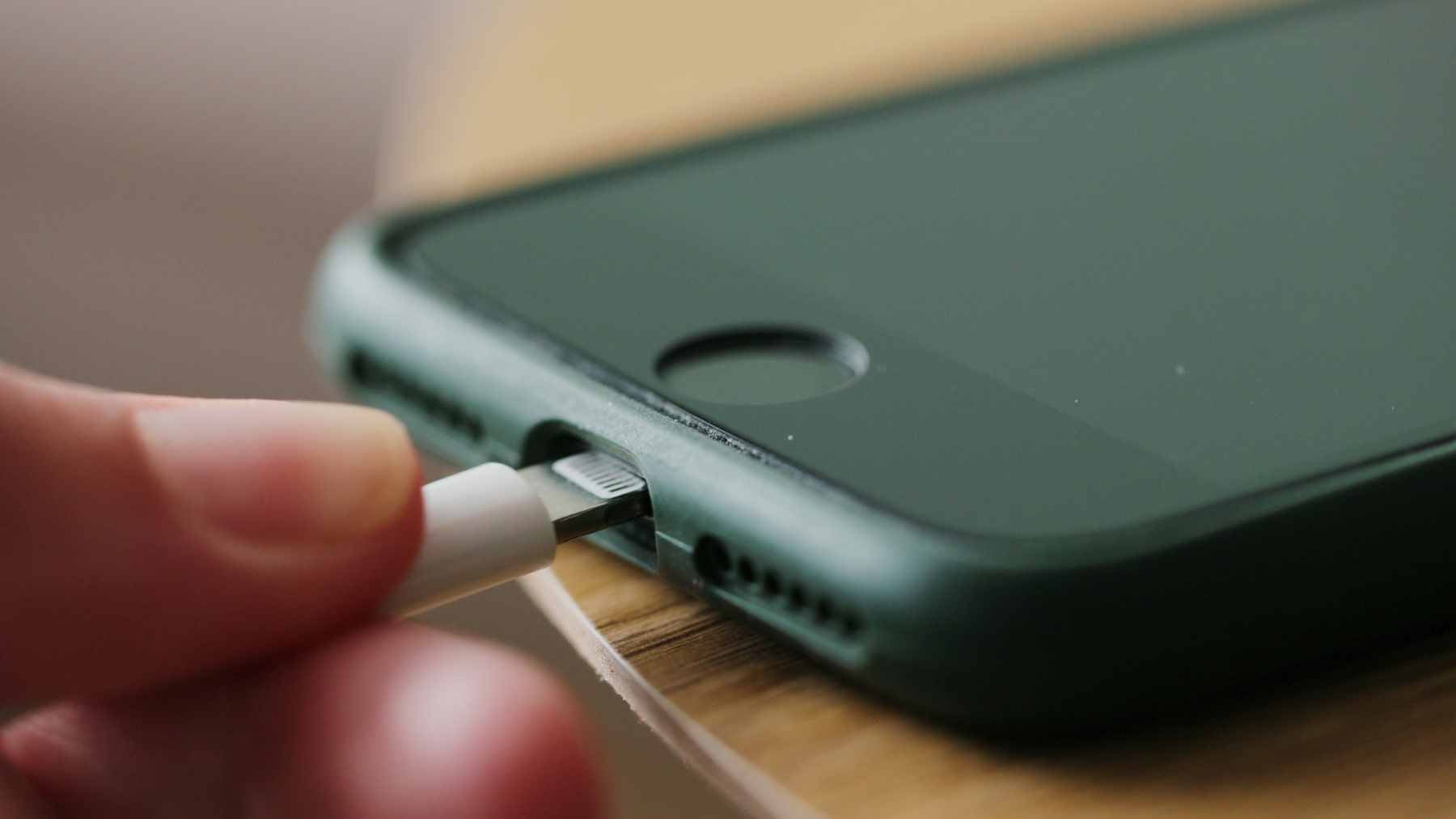
Most homes now have a familiar problem hiding behind the couch, under the desk, or beside the bed. Phones, earbuds, tablets, power banks, smartwatches, and little everyday gadgets all need power, and the result is usually a messy pile of plugs that never seems to match the device you need.
That is why CIO’s Mate Tap001, a small cube-shaped power strip from Japan, has caught attention. It is not just a cute desk accessory. It points to a bigger shift in consumer tech, where the humble charger is becoming part of the environmental conversation.
A cube for crowded outlets
The Mate Tap001 combines three AC outlets with two USB-C ports and one USB-A port, giving users six connection points from a palm-sized device. CIO lists the USB-C output at up to 20W when one port is used, enough for fast-charging many smartphones, while the USB-A port can deliver up to 18W.
That sounds simple, and anyone who has searched for the right charging brick in a drawer full of old adapters knows why people are interested. Japanese outlet grape described the appeal with comments such as “I no longer need a charger” and “This device works with both USB-C and USB-A.”
The e-waste connection
A product like this does not magically solve electronic waste. No single power strip can do that. But it does fit into a wider effort to reduce the number of unused chargers that pile up in homes, offices, hotel rooms, and backpacks.
The numbers are not small. The Global E-waste Monitor 2024 reported that the world generated 134 billion lbs. of e-waste in 2022, while only 22.3% was formally collected and recycled in an environmentally sound way. By 2030, that figure could rise to 180 billion lbs.
USB-C is changing the market
The timing is important because regulators are pushing the same idea from another direction. In the European Union, common charger rules already apply to many portable electronics, and laptops joined the list on April 28, 2026. The goal is to make USB-C the shared charging port and reduce the number of unnecessary chargers consumers buy.
In practical terms, the old habit of getting a new brick with every new device is starting to look outdated. The European Commission has said unused and discarded chargers account for about 12,000 tons of e-waste each year, and common charging rules are meant to help cut that waste.
Small design details matter
CIO’s own product information lists the Mate Tap001 at about 50 x 50 x 44.1 mm and roughly 85 grams. The plug folds into the body, and the company says the device uses a compact cube shape with multiple color options, including calm blue, shell pink, moss green, natural white, and light black.
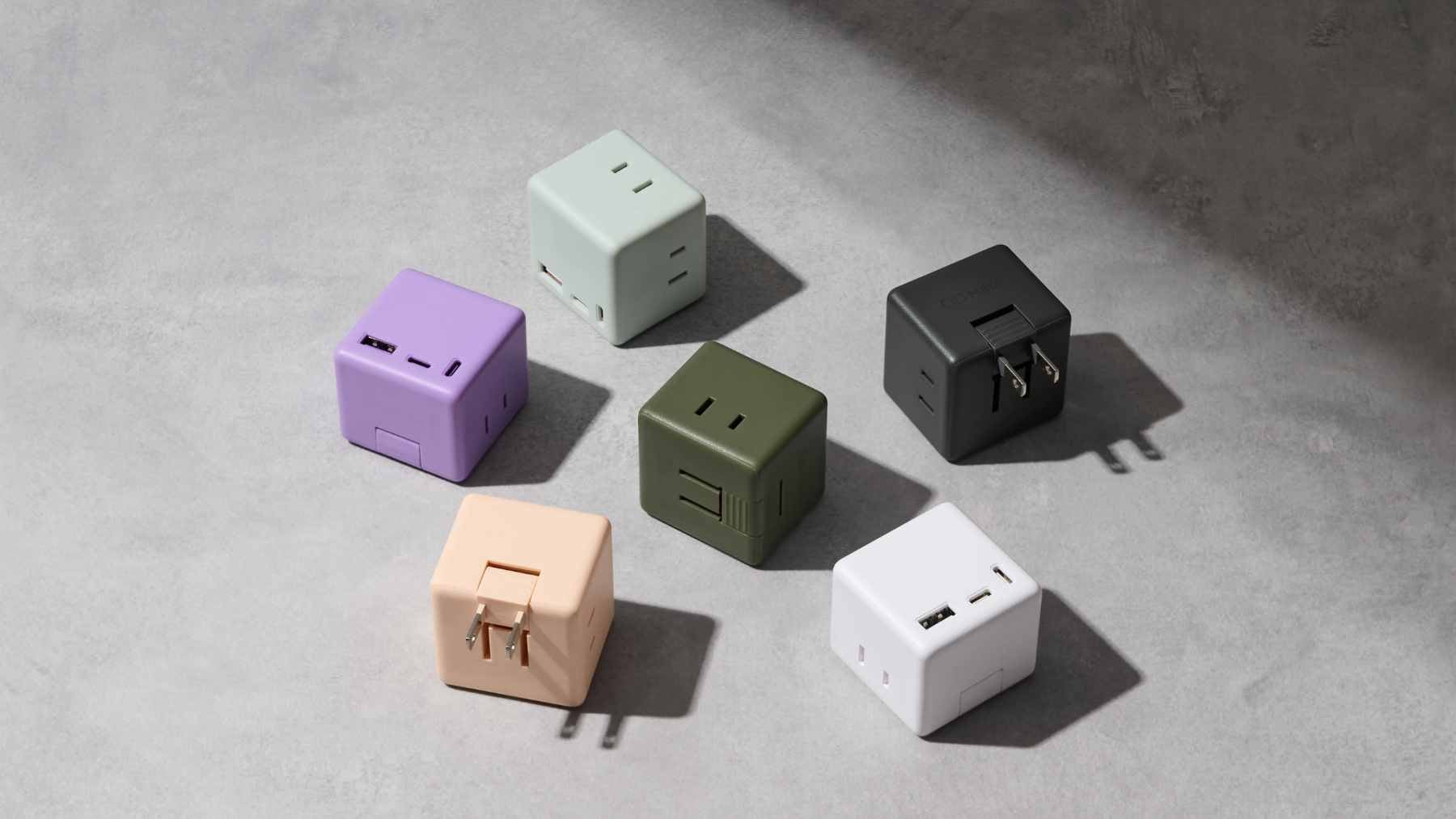
That may sound like a style note, but design matters more than it used to. A charger that is easy to carry is more likely to replace several separate adapters on a trip. A power cube that looks fine on a nightstand is more likely to stay in use instead of becoming another forgotten gadget in a drawer.
What buyers should check
There is one important caveat: the Mate Tap001 is listed for 100V to 125V AC input and output, with a maximum of 1500W when using only the AC outlets and 1300W when using AC and USB together.
That means buyers should check voltage, plug type, certification, and local safety rules before treating it like a universal travel tool. The best environmental choice is not buying every clever gadget that goes viral. It is buying something compatible, safe, useful, and durable enough to keep using.
A cleaner outlet is a start
At the end of the day, the Mate Tap001 is a small answer to a very everyday problem. It clears space around the outlet, cuts down on the need to carry multiple charging bricks, and supports the move toward more standardized charging.
The bigger lesson is less flashy. The cleanest gadget setup is usually the one with fewer duplicates, fewer forgotten cables, and fewer “just in case” adapters. One small cube will not fix e-waste, but it shows where consumer tech is heading.
The official product information was published on CIO Mate.