After more than four decades, the F-16 Fighting Falcon is no longer the obvious answer for countries facing modern air defenses. The aircraft stepping into its place is the Lockheed Martin F-35 Lightning II, a stealth fighter built not just to fly fast, but to see, share and survive first.
That shift is about much more than swapping one jet for another. It sits at the crossroads of military technology, defense spending and environmental pressure, because every new combat aircraft locks in fuel use, maintenance networks, supply chains and emissions for decades.
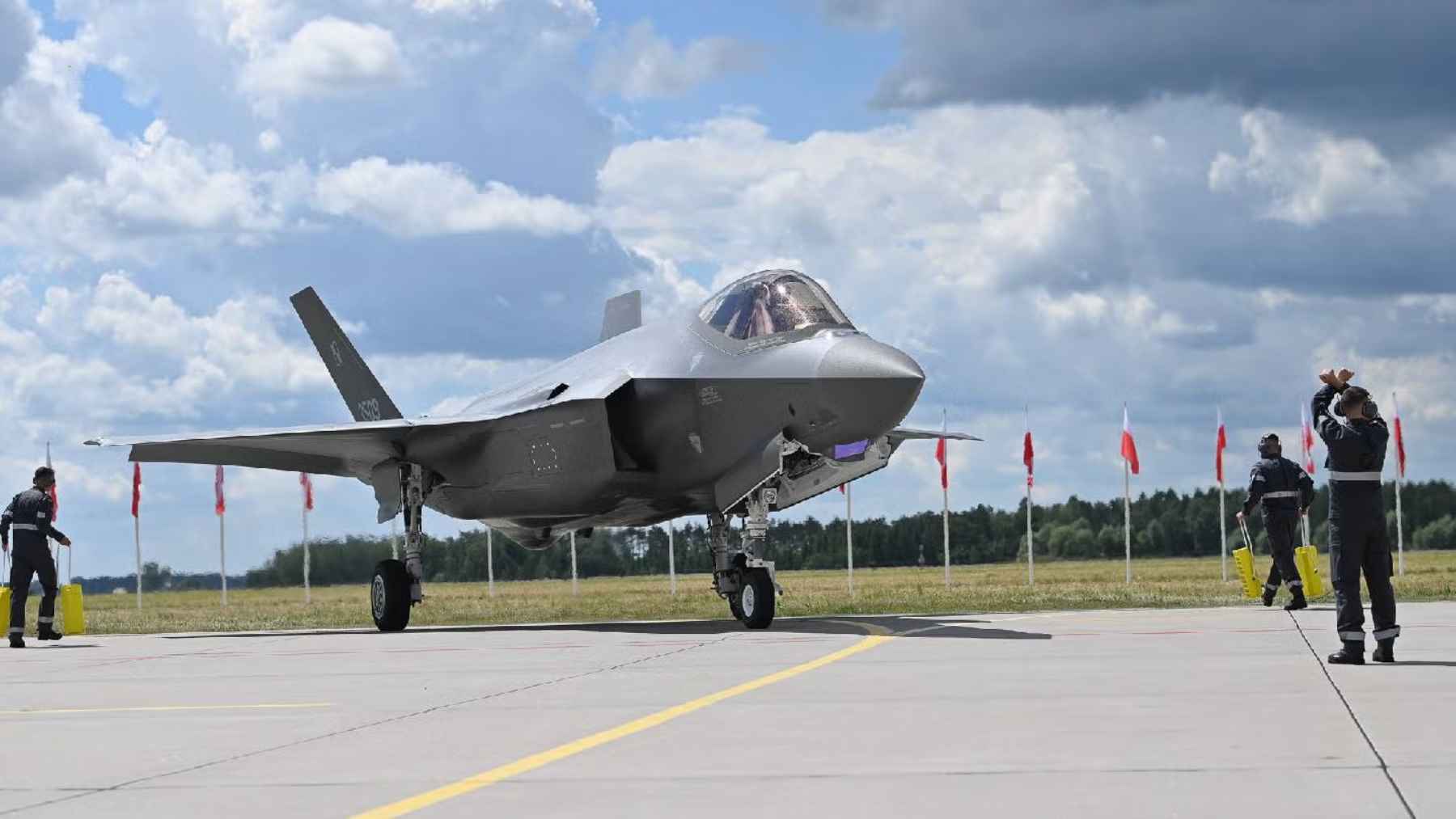
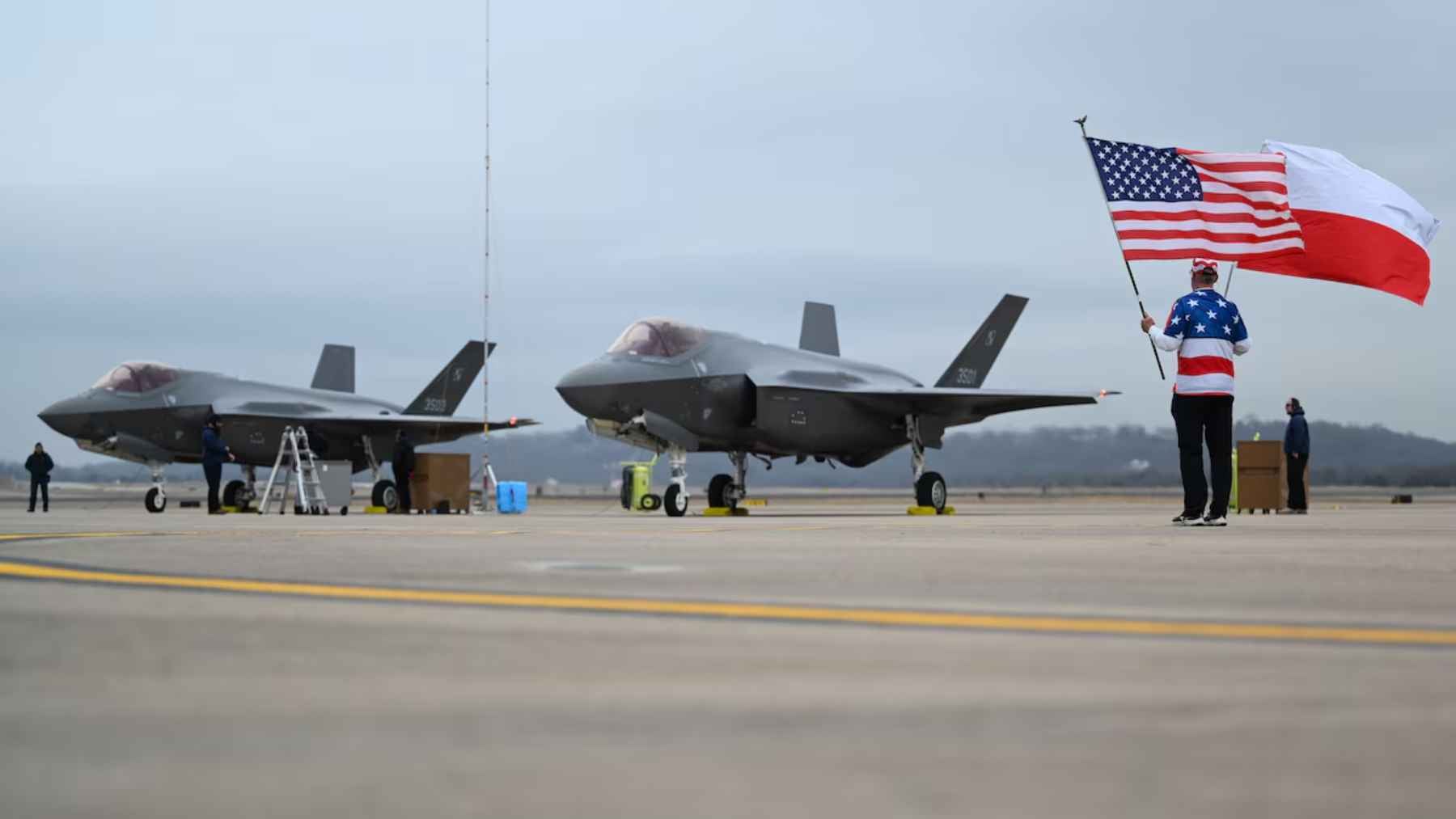
The U.S. Air Force says the F-35A is intended to replace aging F-16s and A-10s, while bringing stealth, sensor fusion and reduced vulnerability into heavily defended airspace.
Why the F-16 era is changing
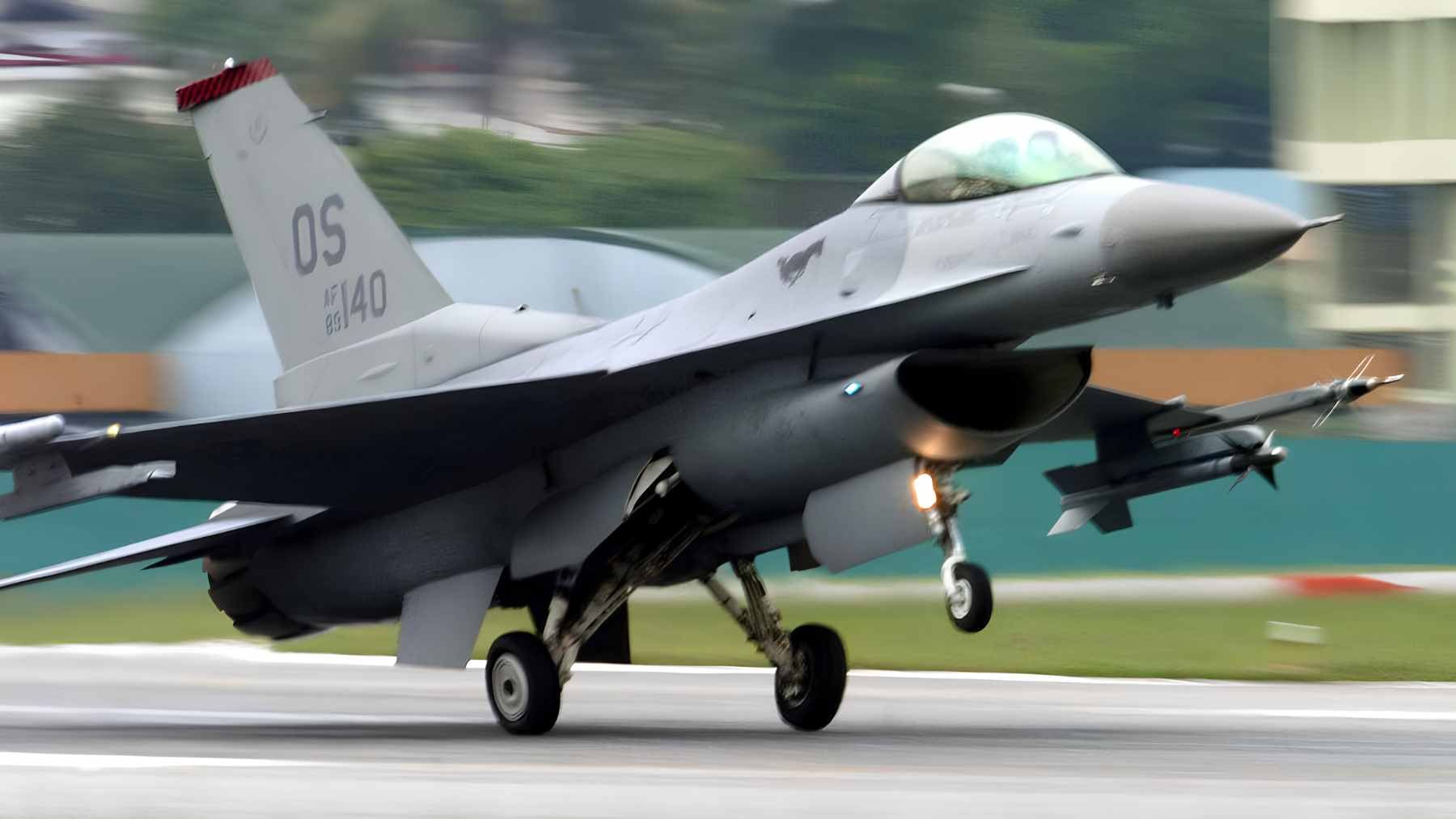
The F-16 has earned its reputation the hard way. Since the late 1970s, it has served as a light, agile, multi-role fighter for the United States and many allied air forces.
So why replace a jet that so many pilots and maintainers still trust? The answer is that the battlefield changed faster than the airframe could. Modern radar, long-range surface-to-air missiles and networked air defense systems make a non-stealth fighter easier to find, track and target.
The F-16 is still capable, especially in upgraded forms, but its basic shape, internal space and electrical capacity come from a different era. At some point, adding new radar, software and electronic warfare tools becomes like trying to turn an old desktop computer into a supercomputer.
What the F-35 does differently
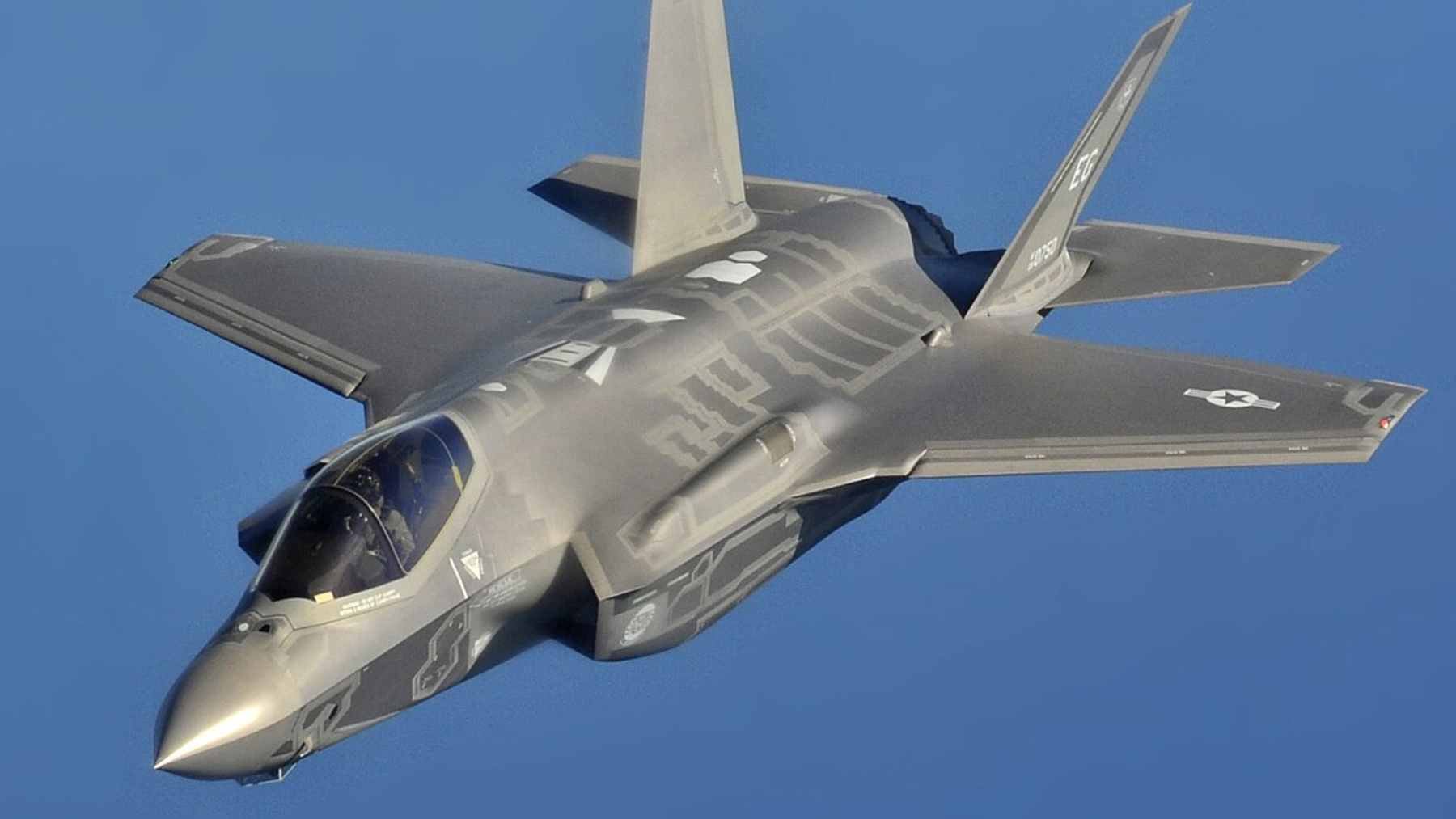
The F-35A was designed from the start around stealth, sensors and data. Instead of asking the pilot to piece together information from separate displays, the aircraft fuses radar, infrared, electronic warfare and targeting data into a clearer picture.
That matters in the first minutes of a mission. A pilot who sees the threat first may have time to avoid it, jam it or strike it before the enemy fully understands what is happening. In practical terms, the F-35 is not just a fighter, it is a flying information node.
The U.S. Air Force describes the F-35A as a fifth-generation fighter with advanced integrated avionics, sensor fusion and network-enabled operations. Its engine produces 43,000 lbs. of thrust, and its helmet display gives pilots targeting and intelligence information directly on the visor.
The numbers behind the shift
The F-35A is not faster than the F-16 in every headline statistic. The Air Force lists the F-16C/D at 1,500 mph at altitude, with 27,000 lbs. of thrust and a ferry range of more than 2,000 miles. Its wingspan is 32’8”, and its maximum takeoff weight is 37,500 lbs.
The F-35A takes a different approach. It has a top speed of Mach 1.6, a 35-ft. wingspan, more than 1,350 miles of range on internal fuel and no need to carry external tanks for many missions. That keeps its radar signature lower and its weapons protected inside the aircraft.
Lockheed Martin said it delivered 191 F-35s in 2025, a record for the program, and said the global fleet had grown to almost 1,300 aircraft. The company also said 12 nations were operating the F-35 across the global fleet.
A multinational fighter
The Joint Strike Fighter program was never meant to produce only one aircraft for one service. It created a family of jets, with the F-35A for conventional runways, the F-35B for short takeoffs and vertical landings, and the F-35C for carrier operations.
That shared family matters for allies. Training, software updates, supply chains and future weapons can move through a common ecosystem, at least in theory. For countries replacing F-16 fleets, that can make the F-35 feel less like a one-off purchase and more like a long-term defense club.
Still, this is not a simple handoff. Many air forces will fly F-16s and F-35s side by side for years, especially as older jets retire first and newer, upgraded F-16s keep doing less demanding missions.
The cost no one can ignore
This is where the story gets less shiny. The F-35 may be the future of many Western fighter fleets, but it is also expensive to operate and hard to keep ready at the levels the Pentagon wants.
In June 2026, the U.S. Government Accountability Office reported that the F-35 mission-capable rate fell from 67% in fiscal year 2021 to 44% in fiscal year 2025. The full mission-capable rate, which means an aircraft can perform all of its assigned missions, dropped from 38% to 25%.
That does not erase the jet’s combat value. It does show that the biggest battle may be on the ground, inside depots, software teams and parts supply chains. A stealth fighter that cannot fly enough is a very expensive promise waiting for the maintenance system to catch up.
The environmental angle
No one should mistake the F-35 for a green aviation breakthrough. Fighter jets burn large amounts of fuel, and military aviation sits inside a much bigger defense energy footprint.
The Defense Department reported that its Scope 1 and Scope 2 emissions totaled 56 million tons of CO2 equivalent in fiscal year 2021. It also said jet fuel combustion accounted for 80% of operational emissions and 50% of total Department of Defense emissions that year.
That’s why modernization choices matter. A new fighter can improve survivability and reduce the number of aircraft needed for some missions, but those benefits do not automatically mean lower emissions.
The honest environmental question is not whether the F-35 is clean. It is whether defense planners can reduce waste, improve maintenance, use better logistics data and avoid unnecessary flying without weakening readiness.
What happens next
For the most part, the direction is clear. The F-35A is taking over the role once dominated by the F-16, especially where stealth and data-sharing are essential.
But the F-16 will not vanish overnight. It remains widely used, familiar and cheaper to operate in many situations. For daily patrols, training and missions where stealth is not the main requirement, the Viper still has plenty of work ahead.
At the end of the day, the F-35 is the successor because modern air combat now rewards the aircraft that sees first, shares first and survives long enough to act. The trouble is, that future comes with a maintenance bill, an emissions footprint and a logistics challenge that no radar-evading shape can hide.
The official report was published on U.S. GAO.