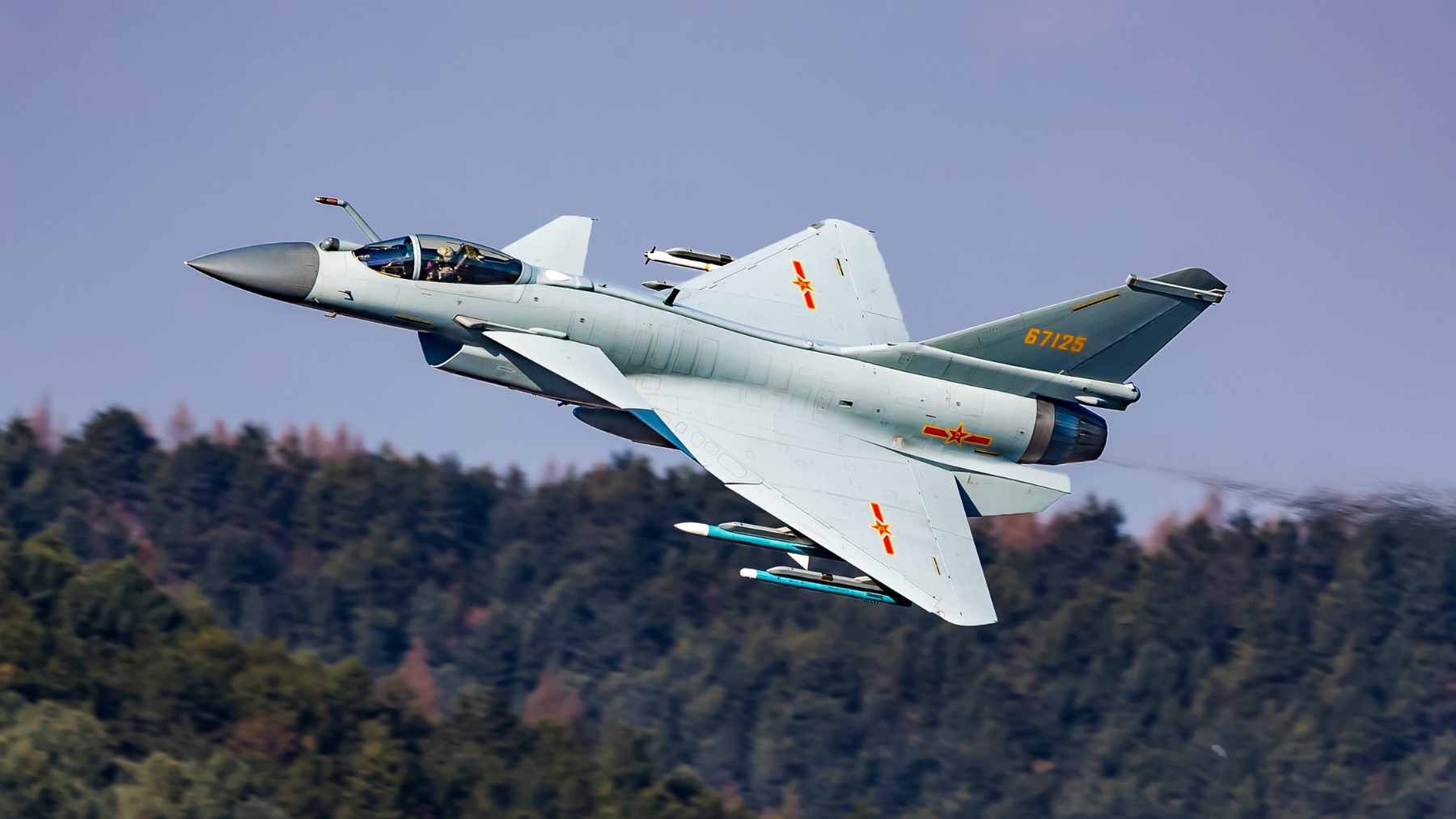
Reports that Iran is studying used Chinese J-10B multirole fighters have put a spotlight on a quieter problem in Middle East security. Tehran may be looking for a faster way to rebuild its aging combat aviation fleet, but the possible deal is still unconfirmed and politically sensitive.
Defence Security Asia reported on June 20, 2026, that the aircraft under discussion would be refurbished J-10B fighters from China’s People’s Liberation Army Air Force, while noting that neither Tehran nor Beijing had officially confirmed negotiations as of that date.
That caveat matters. A fighter deal is not the same thing as fighter delivery, and this story is as much about pressure as it is about hardware.
Iran has already confirmed the purchase of Russian Su-35 fighter jets, but Reuters reported that the Iranian official who confirmed it did not specify how many aircraft were bought or whether they had been delivered.
A shortcut through China
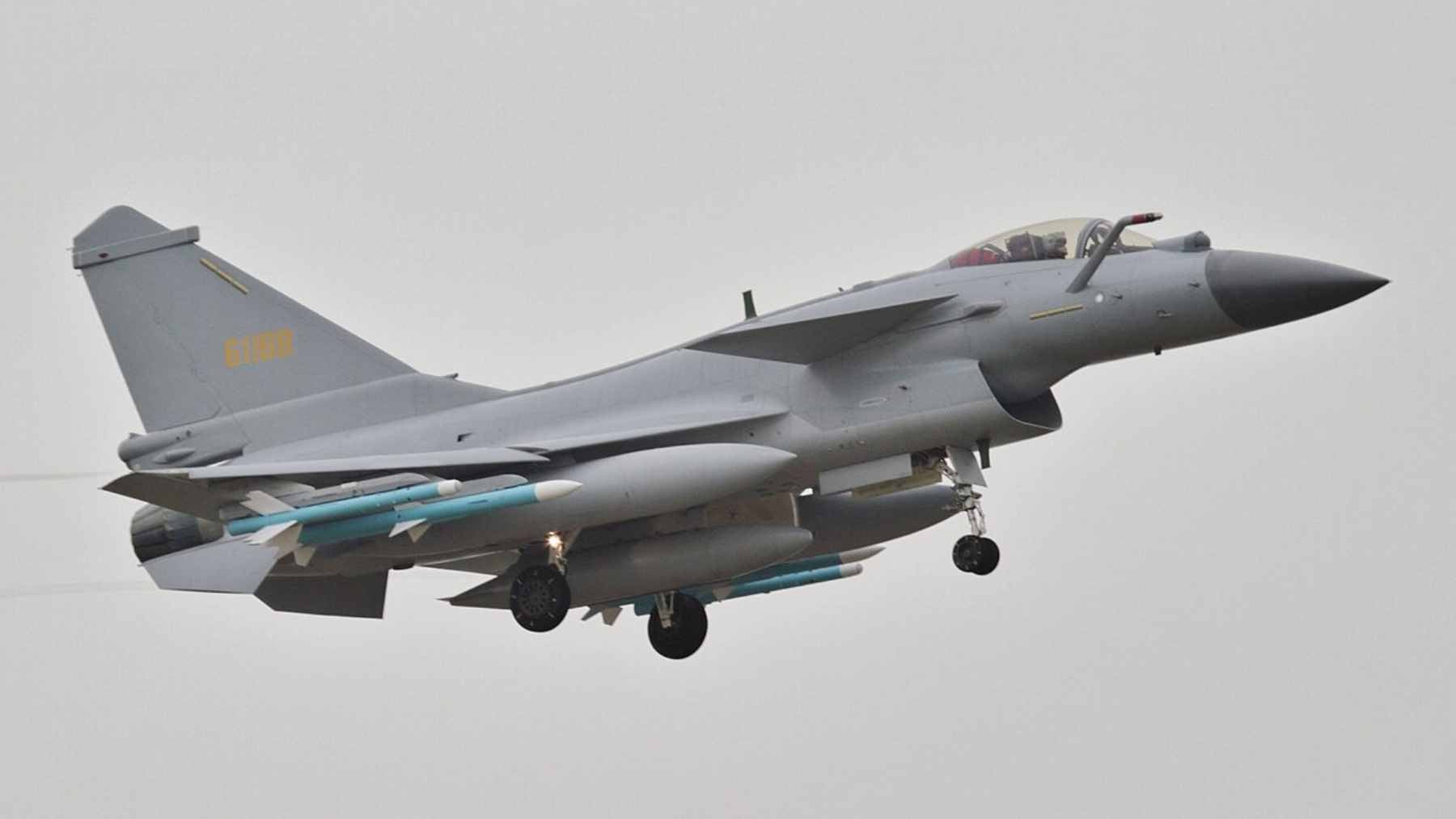
On paper, the J-10B is not China’s newest export fighter. That role is usually associated with the J-10CE, a more modern export-focused version of the same “Vigorous Dragon” family.
Second-hand aircraft can have their own appeal, though. Defence Security Asia estimated that a new J-10CE can cost about $50 million per aircraft, while refurbished J-10B fighters could reportedly fall in the $20 million to $35 million range before support costs.
For a country facing sanctions, delivery delays, and a long maintenance burden, the sticker price is only one part of the decision. Training, spare parts, missiles, ground equipment, engines, and software support all matter. Anyone who has bought a used car knows the feeling. The price tag gets your attention, but the real question is what happens after you bring it home.
What the J-10B adds
The reported interest in the J-10B makes sense because Iran’s current air force still relies heavily on older designs. Reuters has described Iran’s air force as having only a few dozen strike aircraft, including Russian jets and aging U.S.-built models acquired before the 1979 Islamic Revolution.
The J-10B would not suddenly erase the gap between Iran and the most advanced air forces in the region. Still, it would offer a more modern sensor and avionics package than many aircraft Tehran has had to keep flying for decades.
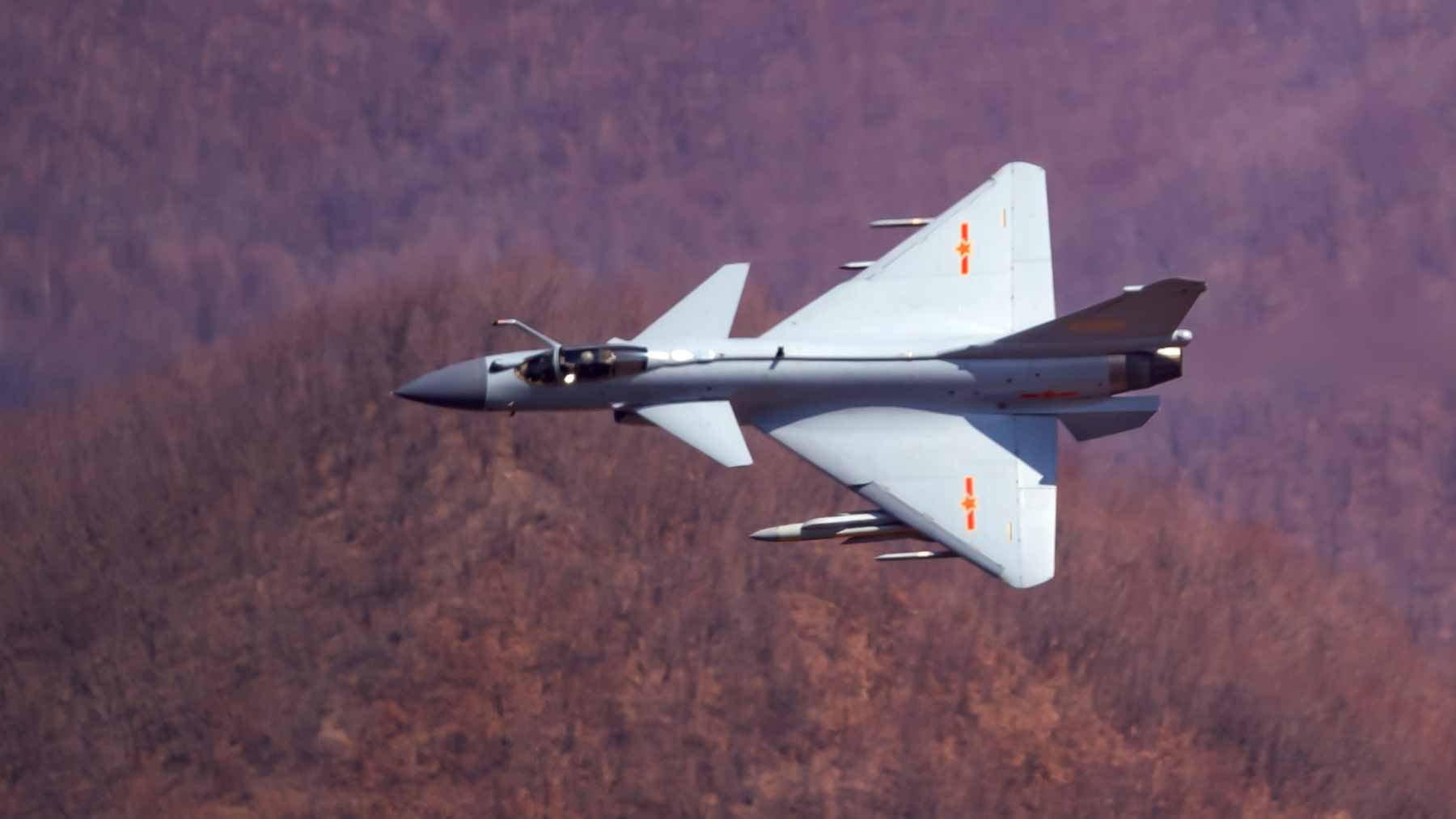
GlobalSecurity describes the J-10B as having a phased-array radar, an infrared search and track system, and a diverterless supersonic inlet designed to simplify the intake structure, reduce weight, and lower radar reflection. Put simply, that means better awareness, more passive detection options, and a more survivable aircraft in contested skies–not magic, but a real step up.
Why Tehran may be looking
Iran’s possible interest comes after years of trying to preserve older fighters through domestic maintenance and selective upgrades. That approach can keep aircraft alive, but it does not fully solve the problem of modern air combat.
The Russian Su-35 purchase was supposed to offer a major upgrade path. Reuters reported in 2023 that Iran had reached a deal to buy Su-35 jets from Russia, citing Iranian state media and Iran’s mission to the United Nations. Then in 2025, a senior Revolutionary Guards commander confirmed the purchase, but without giving a clear delivery picture.
That leaves room for uncertainty. If Russian deliveries are slower than Tehran wants, a Chinese option could become a backup plan, a bargaining tool, or both. It could also send a message that Iran does not want to depend on only one supplier.
The unconfirmed part matters
This is where the story needs careful handling. Defence Security Asia’s report says there was no official confirmation from Tehran or Beijing as of June 20, 2026. That means there is no verified contract, no confirmed number of aircraft, no delivery timetable, and no public weapons package.
There is also recent history to keep in mind. In June 2025, Mehr News Agency reported that an informed Iranian source rejected earlier media claims about Iran buying advanced aircraft from China, saying Iran’s defense minister had traveled to China for a Shanghai Cooperation Organization defense ministers’ meeting and bilateral talks.
So, should readers dismiss the J-10B talk completely? Not necessarily, but they should treat it as plausible and unproven, not as a completed deal.
A second-hand fighter market
The most interesting angle may not be Iran alone. A used J-10B transfer would suggest a different kind of Chinese defense business, one that moves older People’s Liberation Army Air Force aircraft into countries looking for speed and affordability.
That would be a shift worth watching. Defence Security Asia reported that only 54 or 55 J-10B aircraft were manufactured for operational PLAAF use, which would limit how many could realistically be refurbished and exported.
That small number matters. Even if Beijing were willing to approve such a sale, the supply is not unlimited. Refurbishing aircraft, training pilots, integrating weapons, and keeping engines running would all take time and money.
What to watch next
The first real sign would be official confirmation or denial from either Tehran or Beijing. The next would be visible training activity, pilot exchanges, support contracts, or airframes appearing at Iranian bases.
Weapons would matter just as much as the jets themselves. A fighter without a serious missile and maintenance package is not a complete combat system. The aircraft is only the front page of the story.
For the region, even a modest J-10B acquisition would not transform the balance of power overnight, but it could give Iran more modern sensors, better electronic warfare tools, and more flexible multirole capability than many of the Cold War-era aircraft still associated with its fleet.
That is why this report is getting attention–not because one jet changes everything, but because Tehran appears to be looking for an airpower bridge while the regional race keeps moving.
The report was published on Defence Security Asia.