The race to power cleaner cars, AI data centers, wind turbines, advanced electronics and defense systems has found a new pressure point in Kenya. President William Ruto says Kenya is close to sealing a critical minerals agreement with the United States, but with one major condition: the minerals would be processed in Kenya, not simply shipped out as raw material.
That detail changes the story. This is not just a Washington-Beijing contest over rare earths. It is also a test of whether the clean energy supply chain can move away from old extraction models and give producing countries more jobs, more industrial capacity and more control over the environmental costs that come with mining.
A deal with strings attached
Ruto told Reuters that the agreement, which covers rare earths and other strategic minerals, was already being developed and could be concluded soon. His clearest line was simple: “We have agreed that the minerals will be processed in Kenya.”
That matters because African governments have spent years watching minerals leave the continent, only to return as expensive batteries, electronics or military components. In practical terms, Kenya is saying the hill, the risk and the value chain should not be split apart so easily.
Ruto also framed the talks as part of a wider shift from aid to investment. He said Africa does not want relationships built on dependency or raw extraction, a message aimed at Washington, Beijing and every other capital now eyeing the continent’s mineral map.
Why Mrima Hill matters
The focus is Mrima Hill in Kwale County, a rare earth and niobium prospect that Kenya’s State Department for Mining has already listed in a formal expression of interest process. The tender page identified the project as the “Mrima Hill Niobium, Rare Earth Elements and Other Minerals Development Project” and set an April 21, 2026, local deadline for expressions of interest.
The deposit has been linked to earlier estimates of about $62.4 billion in underground value, including rare earths and niobium, but that number should be handled carefully. Mining executives have warned that such figures do not automatically account for extraction costs, processing costs or radioactive content at the site.
So, what is really under the soil? Public reporting and Kenyan survey references point to niobium, yttrium, thorium, strontium and lanthanum. The site sits near the Indian Ocean coast, about 40 miles from Mombasa, which gives it strategic value but also makes the environmental and community questions hard to ignore.
The China problem
Rare earths are not rare because they barely exist. They are rare because economically useful concentrations are hard to find and separating them is technically difficult. The International Energy Agency (IEA) says rare earth elements are now central to energy, transport, AI, aerospace, medical and defense systems.
The numbers explain why Washington is moving. In 2024, China accounted for 60% of global mined production of magnet rare earths, 91% of refined output and 94% of sintered permanent magnet production, according to the IEA. Demand for key magnet rare earths has doubled since 2015 and is expected to grow by another third by 2030 under current policies.
For the United States, this is not a distant trade problem. The U.S. Geological Survey says the country imported 80% of the rare earth elements it used in 2024, while rare earth disruptions rank among the highest-cost supply risks for the U.S. economy. That is why a Kenyan deal can suddenly feel like a national security story.
Clean energy still needs mines
There is an uncomfortable truth at the center of the green transition. Electric vehicles, wind turbines and efficient motors need minerals, and those minerals often come from places where land rights, water use and community trust are already fragile.
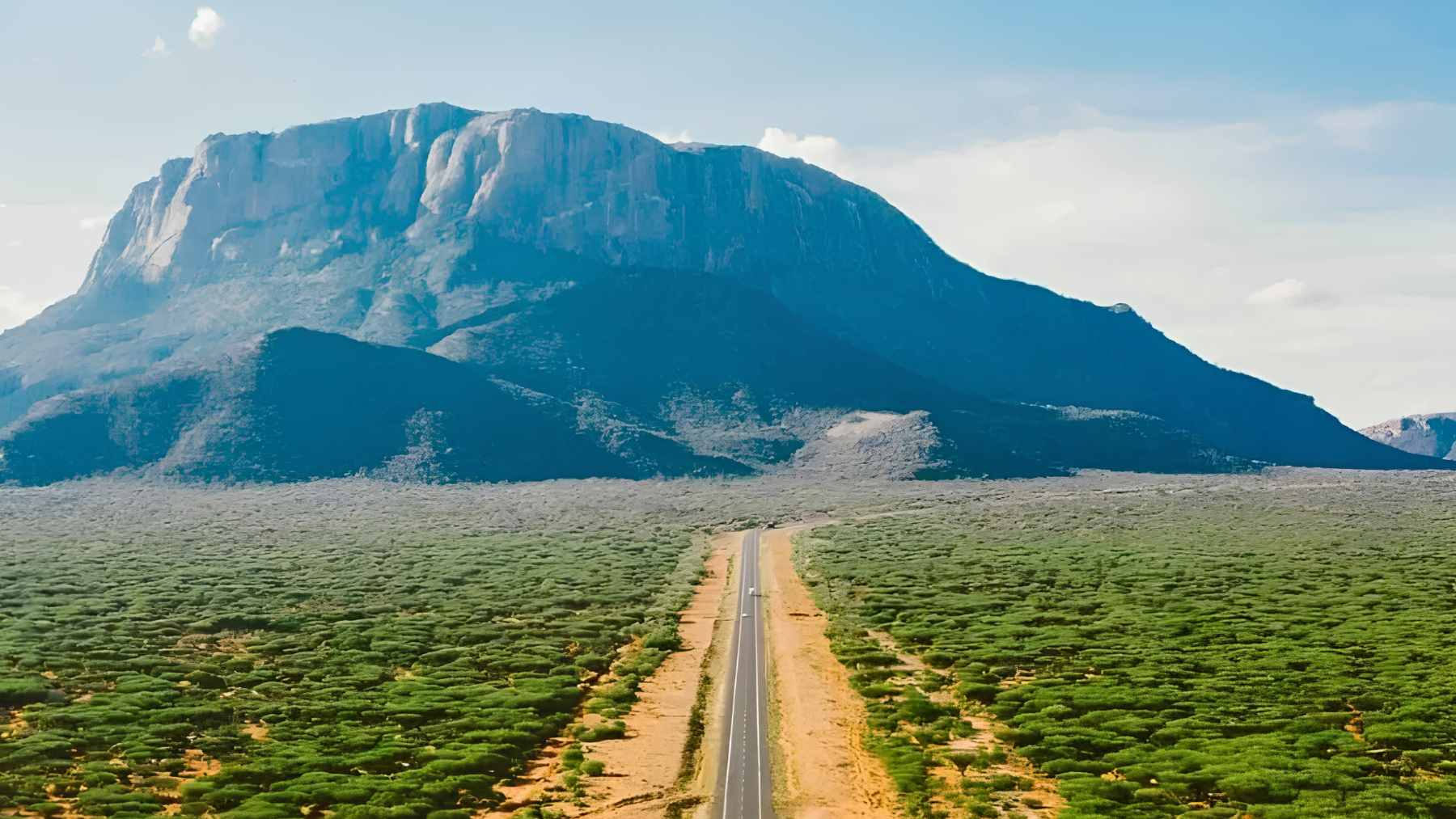
Mrima Hill is not just a deposit on a map. TRT Afrika reported that the forest covers about 390 acres near Kenya’s coast and that local communities, mostly from the Digo ethnic group, worry about eviction and being excluded from future mining gains. One forest guard put the fear plainly, saying, “I do not want my people to be exploited.”
There is also the land itself. Rights groups and local reporting have described the Mrima Hills as ecologically sensitive and culturally important, with sacred sites and forest-based livelihoods tied to the Digo community.
That means any serious agreement will need more than a mining license. It will need transparent environmental review, benefit sharing and community consent that people can actually trust.
Processing at home changes the bargain
Kenya’s processing demand could be a turning point, but it also raises the bar. Refining rare earths is not clean by default. It can involve chemical separation, radioactive waste issues and heavy water and power needs, especially where thorium is present.
That is why the deal’s environmental side will matter as much as the diplomatic headline. If Kenya builds a responsible processing base, it could capture more value and create skilled jobs. If safeguards fall short, the country could inherit more pollution while foreign buyers walk away with the strategic minerals.
At the end of the day, this is the hard part of the clean tech boom. The world wants low-carbon machines, but the supply chain starts in real communities, not in glossy factory photos. Kenya’s challenge is to make sure the green transition does not repeat the old mining playbook.
What to watch next
The agreement is not final yet, and that distinction matters. Ruto said the deal was close, not complete, and the terms still need to show who invests, who processes, who monitors waste and how local communities benefit.
The wider geopolitical timing is clear. At the G7 summit, leaders agreed to step up cooperation on critical mineral supply chains, including stockpiling, traceability, recycling and a new alliance framework aimed at making supply less dependent on any single source.
For Kenya, the opportunity is enormous, but so is the scrutiny. Mrima Hill could become a model for value-added mining in Africa, or a warning about what happens when the rush for green technology moves faster than environmental protections and local consent.
The official declaration on the wider critical minerals push was published on G7 Évian 2026.