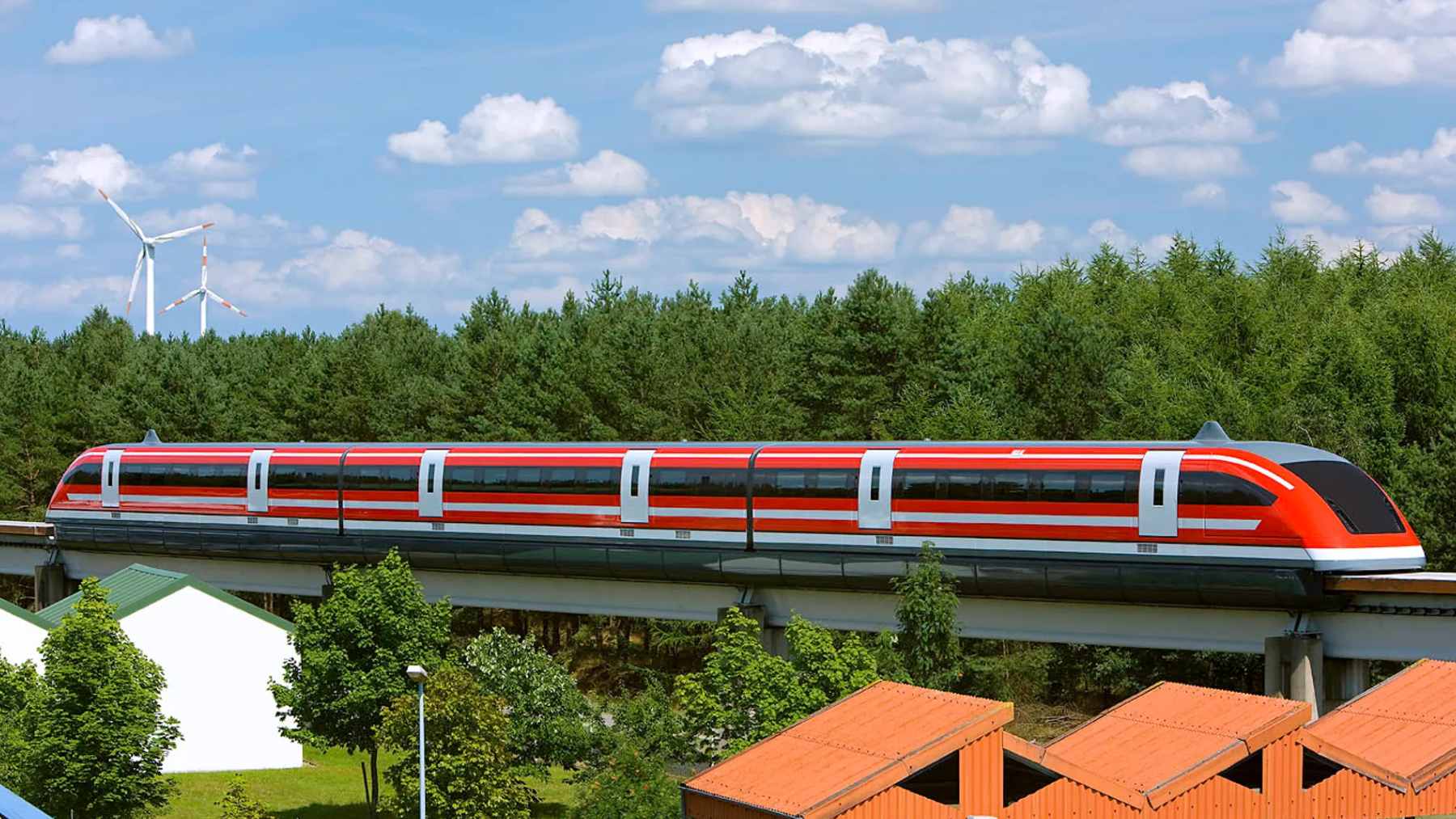
What happens when a country invents a train that can float above its track, race at airplane-like speeds, and point toward cleaner mobility, but never manages to use it at home? Germany found out the hard way.
The country poured about $1.42 billion into “Transrapid,” a magnetic levitation system that promised to change rail travel, yet it never became a commercial network in Germany. China did turn it into reality.
That makes this more than a story about one futuristic train. It is also a lesson about green transport, industrial strategy, and the gap between building a brilliant prototype and building a working public service. At a time when transportation remains one of the biggest sources of climate pollution, the Transrapid story feels surprisingly current.
A train that floated
The Transrapid was never a normal train. Instead of rolling on steel wheels, it used magnetic levitation to hover above a concrete guideway, reducing friction and allowing smoother, faster movement.
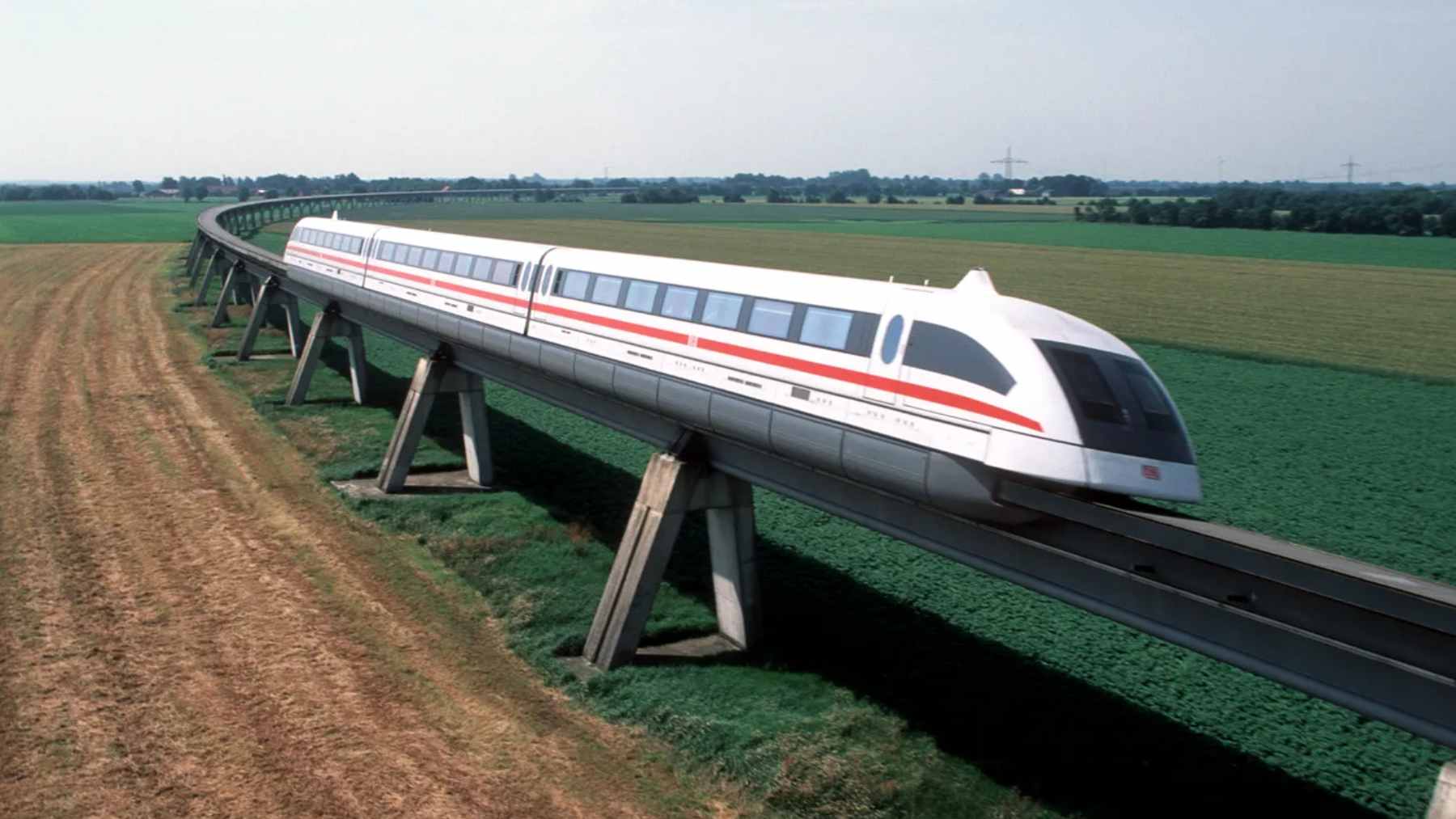
That provided a quieter ride, less mechanical wear, and the possibility of very high speeds. At Germany’s Emsland test facility, the system reached up to about 280 mph, while the test track itself stretched roughly 20 miles through Lower Saxony.
For engineers, this was the good part–the technology worked. The bigger question was whether anyone could make the numbers, politics, and public trust work, too.
Why Germany stepped back
Here is where the dream became more complicated. Transrapid needed its own dedicated infrastructure, not upgraded railway tracks that already existed. Every route meant new guideways, new stations, new power systems, and new control technology.
That made expansion expensive from the start. A planned Munich airport link, one of the closest attempts to build a German commercial route, was scrapped after cost estimates climbed sharply, with Reuters reporting projections of roughly $3.65 billion to $3.87 billion at recent exchange rates.
So, the problem was not only whether Germany could build the train. The problem was whether the country could justify building an entire system around it.
The crash that changed the mood
Then came September 22, 2006. A Transrapid train on the Emsland test track collided with a maintenance vehicle that was still on the line, killing 23 people. The site later became a memorial as much as a symbol of technological ambition.
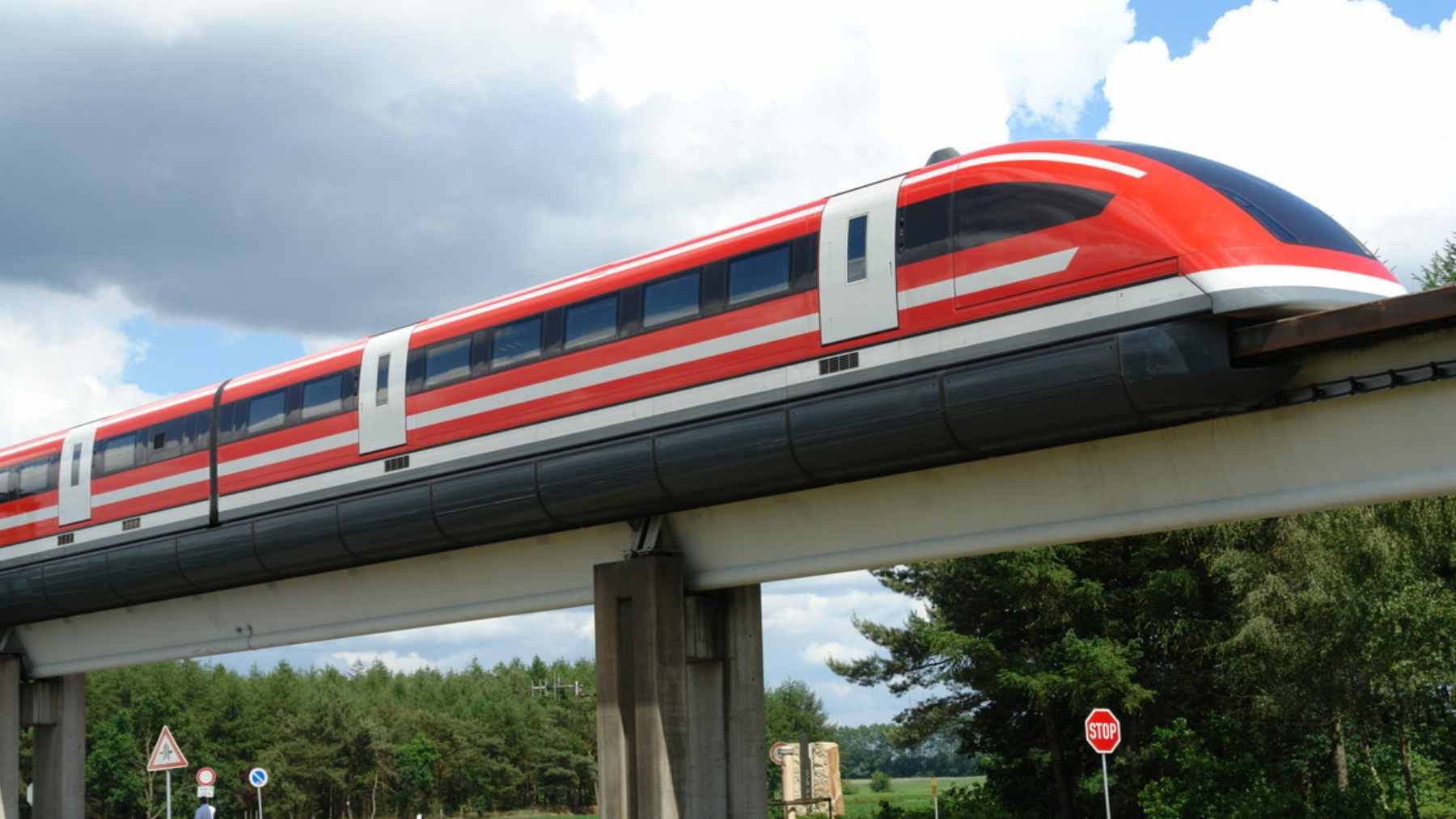
The accident did not erase the engineering achievements behind the system, but it badly damaged public confidence at a moment when the project already faced cost and political pressure.
By the end of 2011, the Emsland test facility had been decommissioned. For many Germans, the train of the future became something they could visit, remember, and debate, but not ride to work.
China made it practical
Shanghai took a different path. The city built a commercial maglev line between Pudong International Airport and Longyang Road, using German Transrapid technology in a real passenger service.
According to Shanghai Maglev’s official website, construction began on March 1, 2001, and trial operation started on December 31, 2002. The system was designed for a maximum speed near 267 mph, and the line quickly became the world’s best-known high-speed maglev example.
Today, the official Shanghai Airport page lists the maglev’s top speed at about 186 mph. That is slower than its earlier showcase speeds, but still extremely fast for an airport rail connection that remains in operation.
Why the green angle matters
It is tempting to call maglev an automatic climate win–not so fast. Any new rail system has an environmental cost, especially when it requires large amounts of concrete, steel, power equipment, and land.
Still, the broader case for rail is strong. The International Energy Agency says rail carries around 7% of global passenger activity but accounts for only about 1% of transport emissions, and rail emissions per passenger mile are far below air travel on a well-to-wheels basis.
That is why the Transrapid story still matters. Cleaner mobility is not only about inventing impressive machines. It is about making them useful, full, affordable, and connected to the places people actually need to go.
A business lesson hiding in plain sight
The irony is hard to miss. Germany created the technology, spent heavily on development, and hosted the test track, then China became the place where passengers saw it working in daily life.
From a business point of view, this is the uncomfortable lesson. Innovation does not become leadership until it becomes infrastructure, and infrastructure does not happen without a financial model that can survive beyond the ribbon-cutting ceremony.
The same challenge applies to many climate technologies today, from hydrogen trains to battery storage and electric aviation. A breakthrough is exciting. A reliable public system is harder.
What future projects should remember
For everyday travelers, the Transrapid may sound like science fiction from another era, but the issues behind it are very familiar. Who pays for clean transport? Who maintains it? Who trusts it after something goes wrong?
The United States faces the same basic transportation challenge. The Environmental Protection Agency says transportation accounted for 28% of total U.S. greenhouse gas emissions in 2022, making the sector a major target for cleaner technology and better public transit planning.
At the end of the day, the lesson is simple: a fast train is impressive, but a working network is what changes habits, emissions, and cities. Germany built the vision. Shanghai proved that under the right conditions, it could carry passengers.
The official information was published on Shanghai Airport Group.