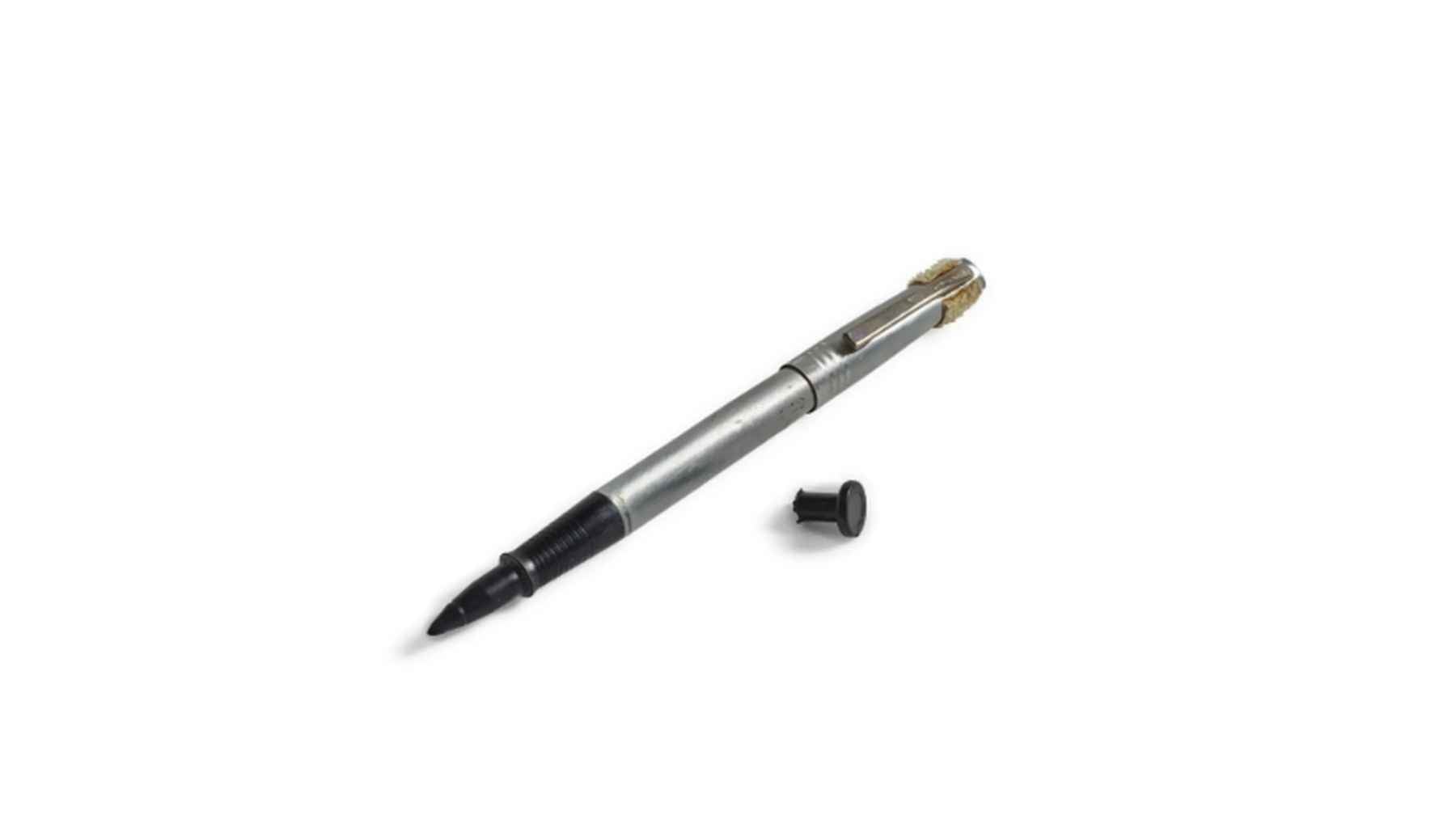
A dried-out felt-tip marker and a broken piece of black plastic have sold for $857,600 at a Sotheby’s auction in New York, 57 years after Apollo 11. The objects look like something that might be swept from a workbench, but together they record one of the mission’s most tense engineering problems.
In July 1969, Buzz Aldrin used the marker to press a damaged engine-arm circuit breaker inside the lunar module Eagle. The fix helped Aldrin and Neil Armstrong lift off from the Moon and reunite with Michael Collins, turning an ordinary writing tool into a powerful lesson about human ingenuity, repairable design, and the unusual economics of space history.
The switch that stood between Eagle and orbit
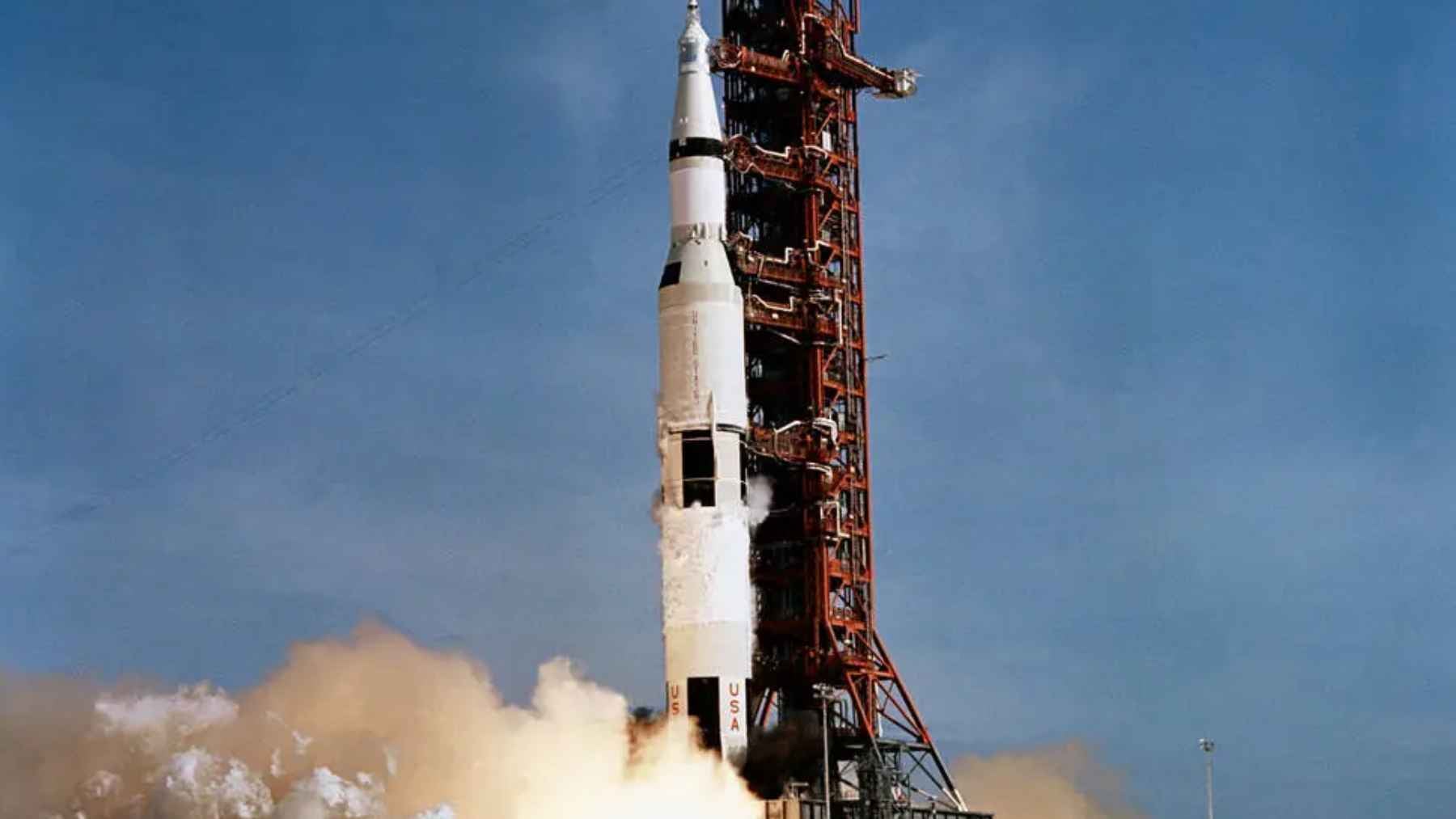
After Armstrong and Aldrin completed the first crewed Moon landing, they discovered that the knob of the engine-arm circuit breaker had snapped off. The breaker had to be closed before Eagle’s ascent engine could be armed for the trip back to lunar orbit.
That mattered because Collins was circling overhead in the command module Columbia. Without a successful ascent and rendezvous, the two moonwalkers could not begin the journey home, which is why Aldrin later called it the “worst switch to break.”
The official mission record shows Aldrin warned Houston that the end appeared broken and said, “I think we can push it back in again.” Mission Control’s telemetry showed the breaker was open, and the crew was told to leave it that way until the scheduled point in the launch checklist.
A low-tech answer inside a high-tech spacecraft
When the time came, Aldrin did not put a finger into the energized opening. He took a Duro “Rocket” felt-tip marker from a suit pocket and pushed until the breaker clicked closed. The 5.5-inch brushed-aluminum tool was not the famous Fisher Space Pen often linked to the story, and it is now completely dry.
The ascent engine fired as planned, Eagle met Columbia, and all three astronauts returned safely to Earth. Aldrin’s later summary was only two words, “Disaster averted.”
So who damaged the switch? Aldrin’s auction letter said he believed Armstrong did it, while Armstrong thought Aldrin’s bulky life-support backpack was responsible. The NASA-hosted lunar surface record argues that the breaker’s position on Aldrin’s side makes his backpack the likelier cause, but the disagreement is now part of the artifact’s history.
Why a dry marker became an $857,600 object
Five collectors competed for the pen and broken switch before the lot reached $857,600 including Sotheby’s buyer’s premium. The presale estimate was $800,000 to $1.2 million, so the final total landed near the lower end rather than becoming a surprise auction record.
Still, the result was a major reversal. Sotheby’s offered the same pair in 2022, when bidding reached $650,000 but failed to meet the reserve price. This time, the hammer price was $670,000 and the fees carried the buyer’s total much higher.
Why pay so much for a marker that no longer writes? Collectors were not buying the material value. They were buying direct provenance, a documented place in the first Moon landing, and an object that was both the problem’s solution and physical evidence of it.
Aldrin’s collection drew strong bidding
The broader Space Exploration auction offered 134 lots and brought in about $2.86 million. More than 40 items came from the Buzz Aldrin Family Trust, showing how one astronaut’s personal archive can become a sizable market in its own right.
A small Soviet flag Aldrin carried to the Moon sold for $102,400, roughly ten times its high estimate. Measuring about 4 by 6 inches, it was taken as a diplomatic gesture during the Cold War and carried Aldrin’s inscription and signature.
Other lots included a complete Apollo 11 flight plan of more than 300 pages, an Apollo 11 “Earthrise” photograph signed by Aldrin, Collins, and mission controller Charlie Duke, and several watches. One Omega Speedmaster Professional in the sale dated to around 1990, an important distinction for buyers because it was not the watch Aldrin wore on the lunar surface.
The engineering lesson still matters
Apollo 11 is remembered as a triumph of rockets, computers, navigation, and national ambition. Yet this episode shows that complex systems can still be threatened by a tiny exposed control in a cramped cabin where astronauts were moving around in bulky equipment. NASA responded by adding guards over circuit breakers on later lunar modules and extra configuration checks to crew procedures.
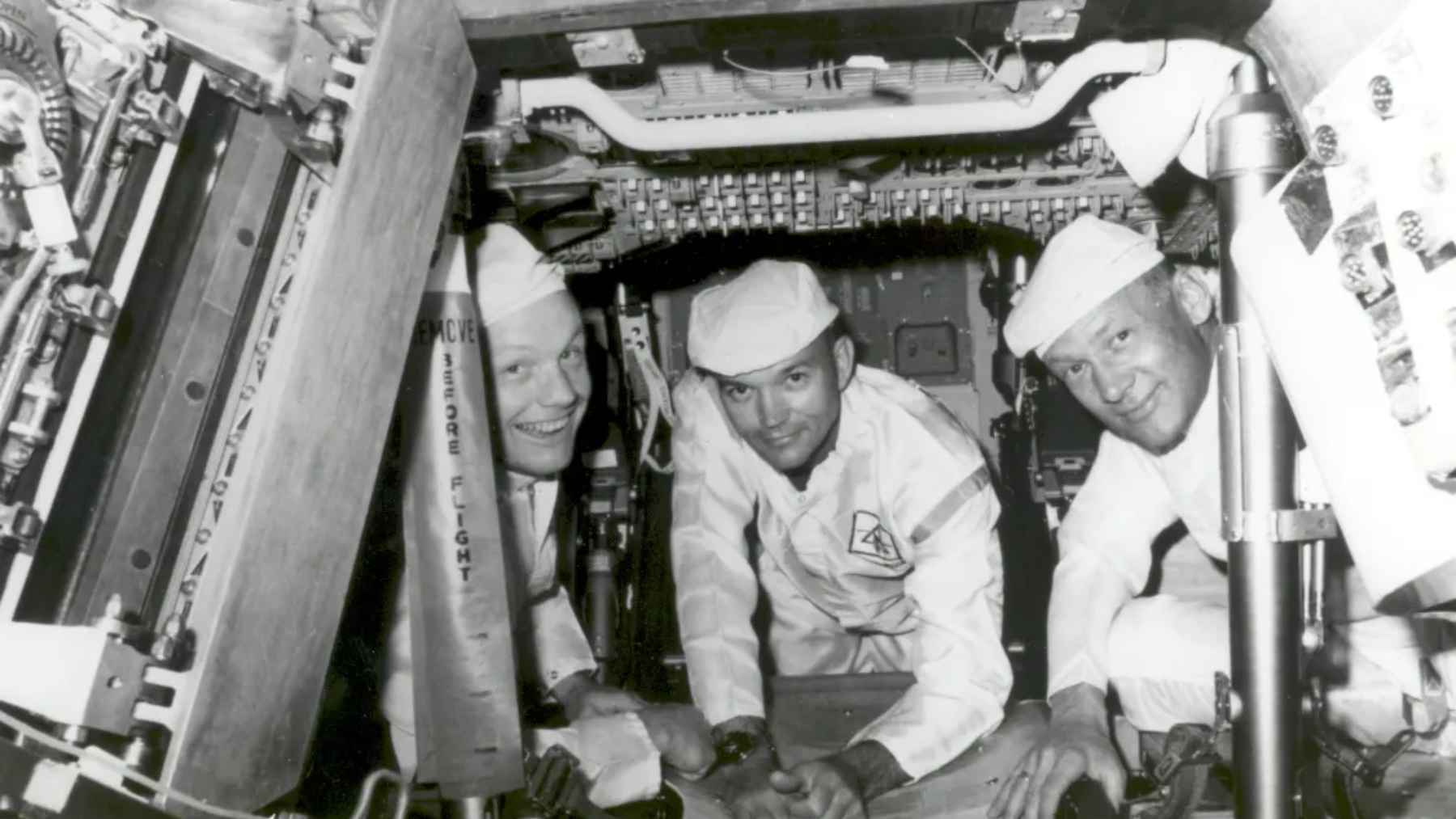
Future lunar vehicles may lean on far more software and automation, but the old lesson remains useful. Every spare adds launch mass and cost, so spacecraft also need protected controls, repairable components, clear fallback procedures, and simple tools that can do more than one job.
That is where the marker’s real value sits. It is a reminder that resilience is not only about adding another expensive system. Sometimes it comes from designing equipment that trained people can understand, reach, and improvise around when the plan suddenly stops working.
More than an Apollo souvenir
At its peak, the Apollo program involved about 400,000 people and more than 20,000 companies and universities. The pen does not diminish that enormous effort. Instead, it captures one intimate moment when the success of the wider machine depended on a person noticing a problem and choosing the right ordinary object.
The buyer received a dry marker and a tiny piece of plastic, but also a compact lesson in engineering judgment.
The official auction listing was published on Sotheby’s.