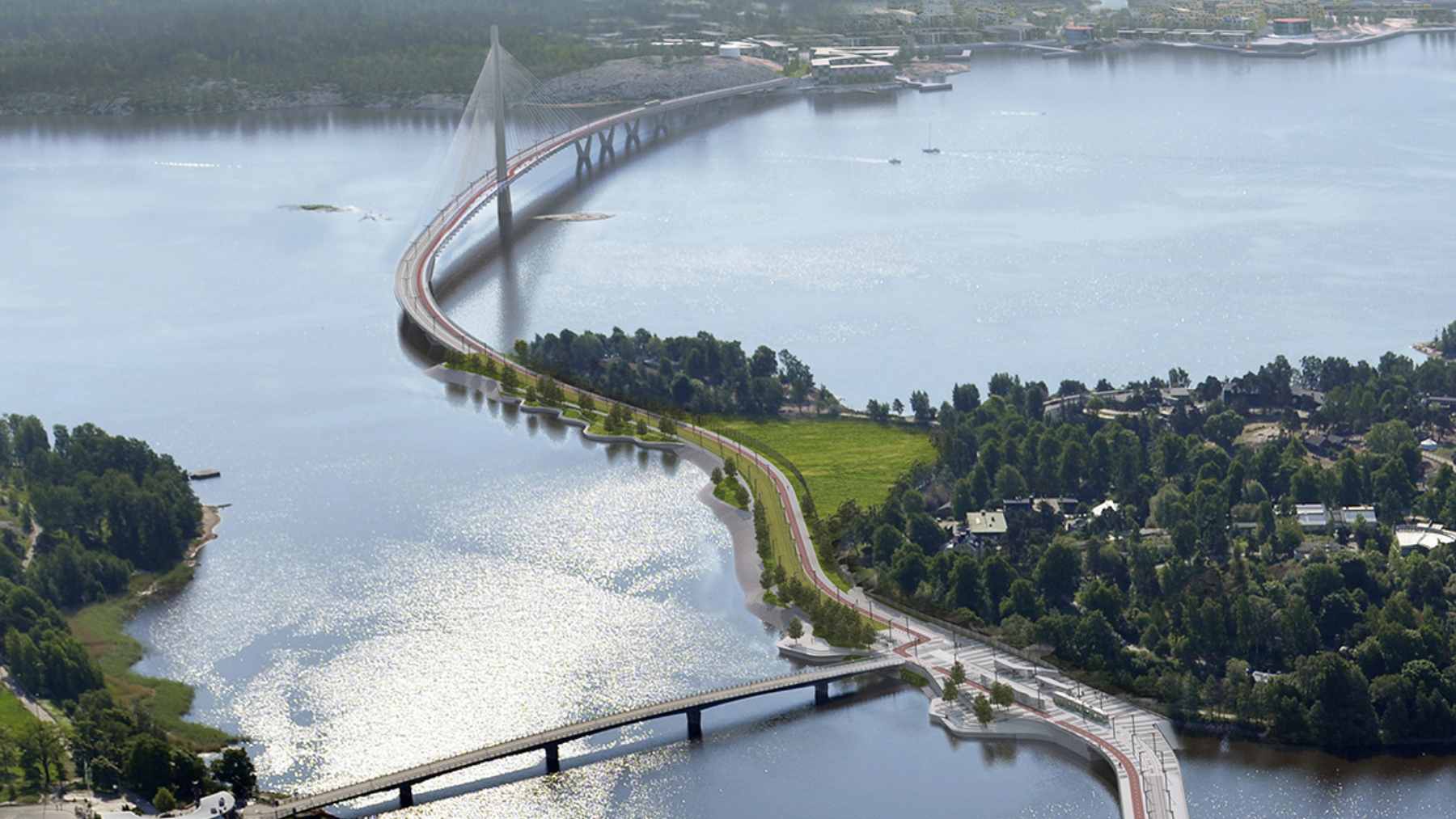
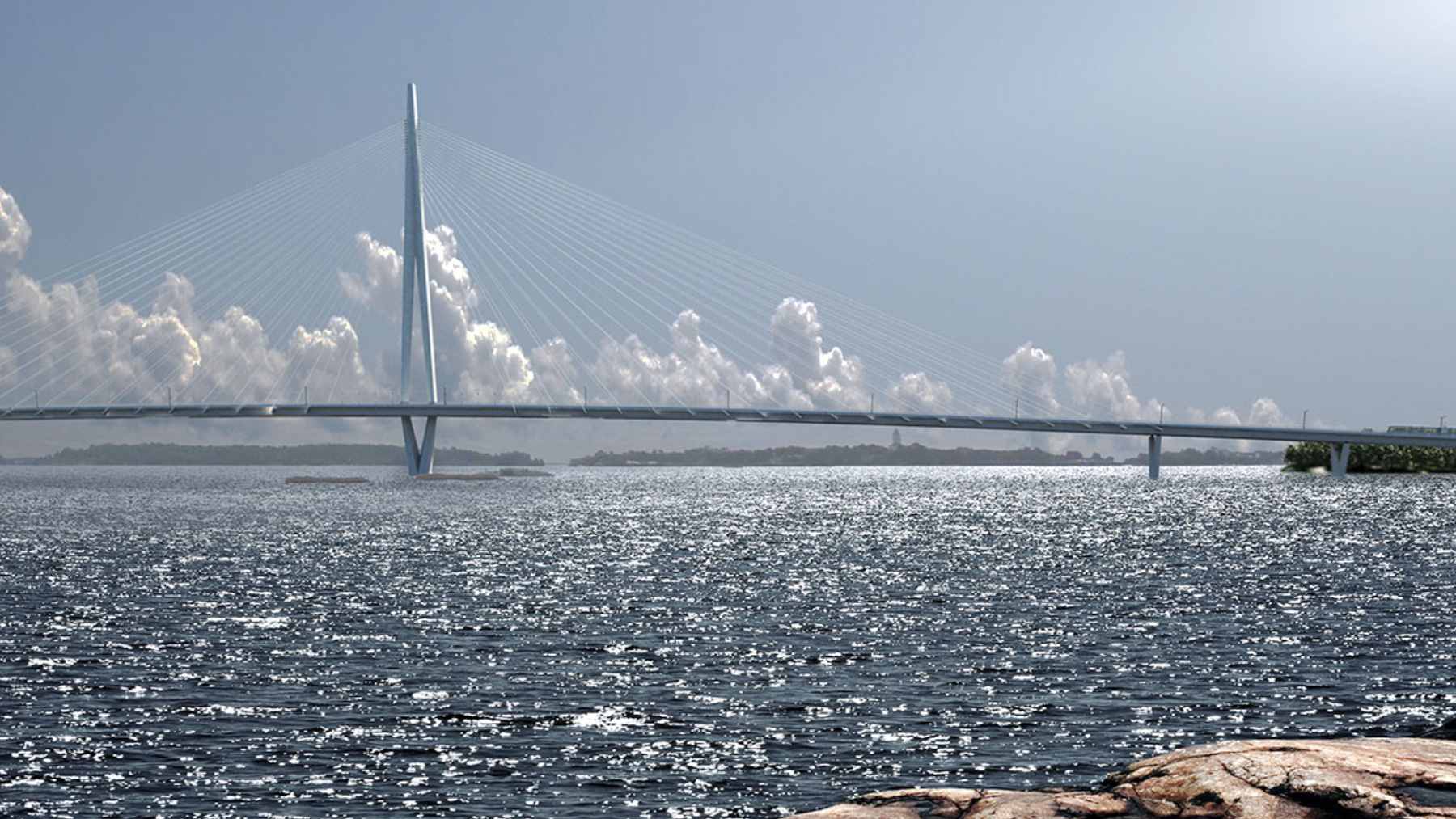
Helsinki has opened a new kind of landmark over its waterfront. Kruunuvuorensilta, also called Kruunuvuori Bridge, is Finland’s longest and tallest bridge, stretching 1,191 meters and built around a 135-meter diamond-shaped pylon.
The most important detail is not its size. This bridge is closed to private cars and reserved for pedestrians, cyclists, and a future light rail line expected to begin carrying passengers by early 2027. For a city trying to cut emissions and tame everyday traffic, that is the real engineering story.
A bridge for daily life
The bridge opened to pedestrians and cyclists on April 18, 2026, creating a new route between Kruunuvuorenranta in Laajasalo and Korkeasaari. More than 50,000 visitors experienced the bridge during its opening weekend, according to WSP, which designed it with Knight Architects as a subconsultant.
This is not just a pretty crossing for postcards. It is meant to change how people move through Helsinki, whether they are walking after work, riding through sea wind, or skipping the noise and exhaust fumes that come with another car lane.
Mayor Daniel Sazonov called the bridge a “new, unique and exciting landmark” and said it connects Kruunuvuorenranta and Laajasalo to the broader central city in a new way. His quote points to the bigger idea behind the project: the bridge is supposed to be both infrastructure and a climate-minded urban choice.
The 200-year bet
The most striking number may not be 1,191 meters. It may be 200 years, the service life required for the whole bridge. Project documents say some replaceable parts will be renewed over time, but major load-bearing structures such as the pylon, intermediate supports, and deck steel beams were planned for that long horizon.
That is a tough ask in the Baltic climate. Concrete in seawater has to deal with salt, freezing, thawing, and the kind of winter wear that quietly eats away at infrastructure. The project team said the long service life required new types of concrete and careful steel design to reduce fatigue in the parts that are hardest to repair.
At the end of the day, this is not only about building something big. It is about building something that does not need to be torn apart every few decades. That matters for budgets, construction disruption, and to a large extent, the environmental footprint of keeping a city moving.
Why cars were left out
Kruunuvuorensilta is part of the Crown Bridges Light Rail project, which includes three bridges and a new tram connection from Laajasalo toward Hakaniemi. The official project says the aim is to create a quick and reliable route from the growing Laajasalo area to the center of the city.
This makes the shortest route from Kruunuvuorenranta to Helsinki’s Central Railway Station drop from 11 kilometers (6.5 miles) via Itäväylä to 5.5 kilometers (3.2 miles). For a cyclist, that is not a small change. It can be the difference between taking the bike on a normal weekday and leaving it locked at home.
The tram service is expected to start passenger operations by early 2027 at the latest. Until then, finishing work and test runs may still cause short restrictions on pedestrian and cycling traffic, so the bridge is open but not entirely finished in the everyday sense.
The climate angle
Helsinki’s climate targets give the bridge a sharper edge. The city says it aims to cut direct emissions by 85% from 1990 levels by 2030, with heating, transport, and electricity among the biggest sources of direct emissions.
Transport is where a project like this can help, but not magically. A bridge does not force anyone out of a car. What it can do is make the cleaner choice faster, safer, and more convenient, which is often the part that decides what people actually do on a cold morning.
By the city’s own climate charts, traffic emissions are expected to fall from around 700 kilotons of CO2 equivalent per year in 1990 to about 370 kilotons by 2030. Passenger car emissions are projected to fall from roughly 440 kilotons to 194 kilotons in that same span.
A lesson for other cities
Not every city needs a 135-meter pylon over the sea. Many cities do need a better answer to the same old problem, which is how to grow without filling every new route with traffic jams, noise, and more exhaust fumes.
The Crown Bridges plan has been years in the making. Construction began in autumn 2021, and the winning design, Gemma Regalis, came from an earlier international competition involving WSP Finland and Knight Architects.
So, what should other cities take from Helsinki? Build for the trip people actually need to make, not just the vehicle that has dominated the street for the last century.
The official statement was published on City of Helsinki.