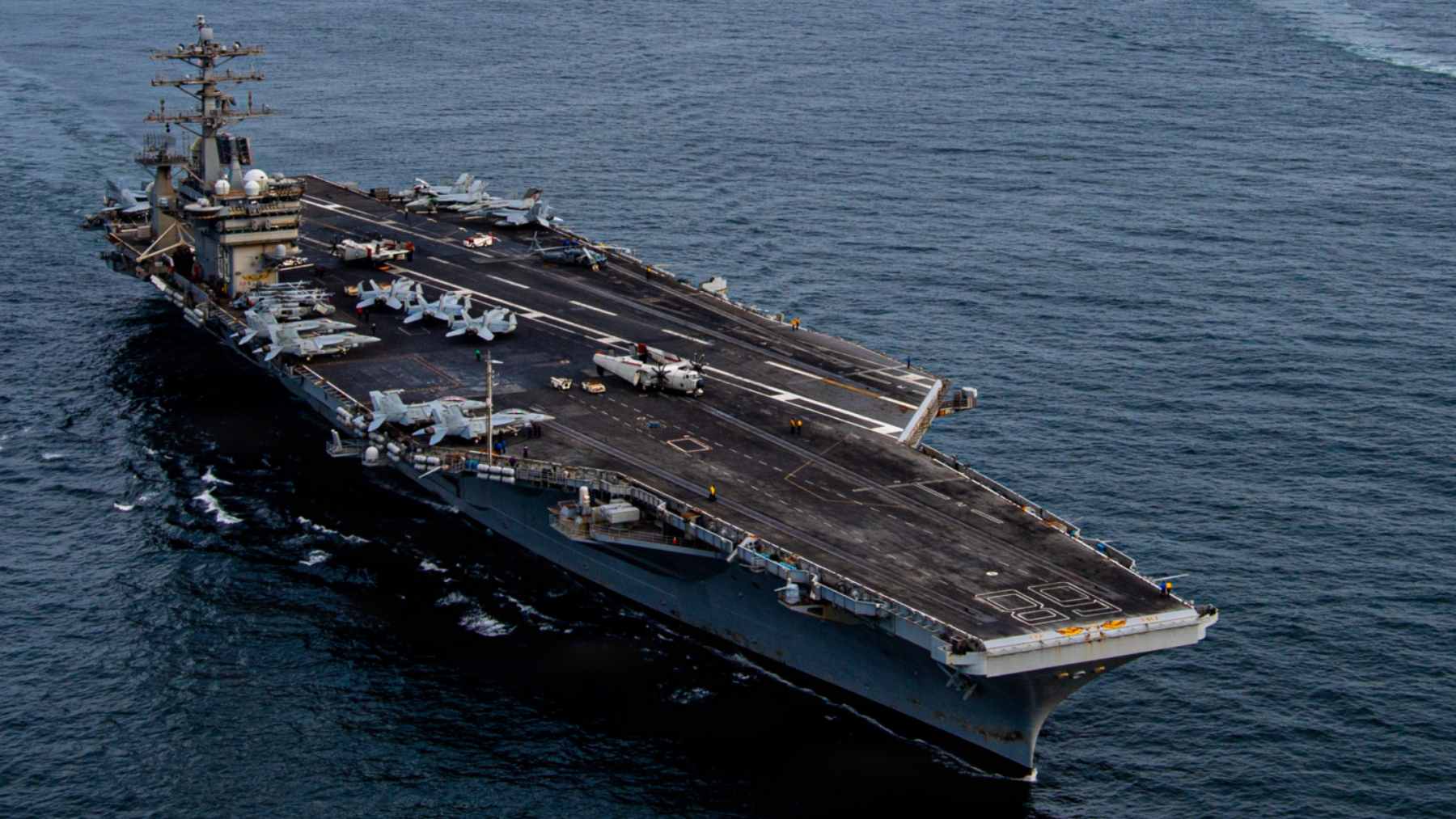
The USS Nimitz and the USS Gridley turned a short stop in Panamanian waters into something bigger than a military visit. The U.S. Navy deployment, tied to Southern Seas 2026, brought one of the world’s most recognizable warships close to one of the planet’s most important shipping corridors from March 29 to April 2.
At first glance, this looks like a defense story. But look closer and it also becomes an environmental one, because Panama’s waters sit at the crossroads of security, trade, drought, emissions, and climate resilience. That is a lot to place on one narrow strip of ocean and canal infrastructure.
A major naval signal
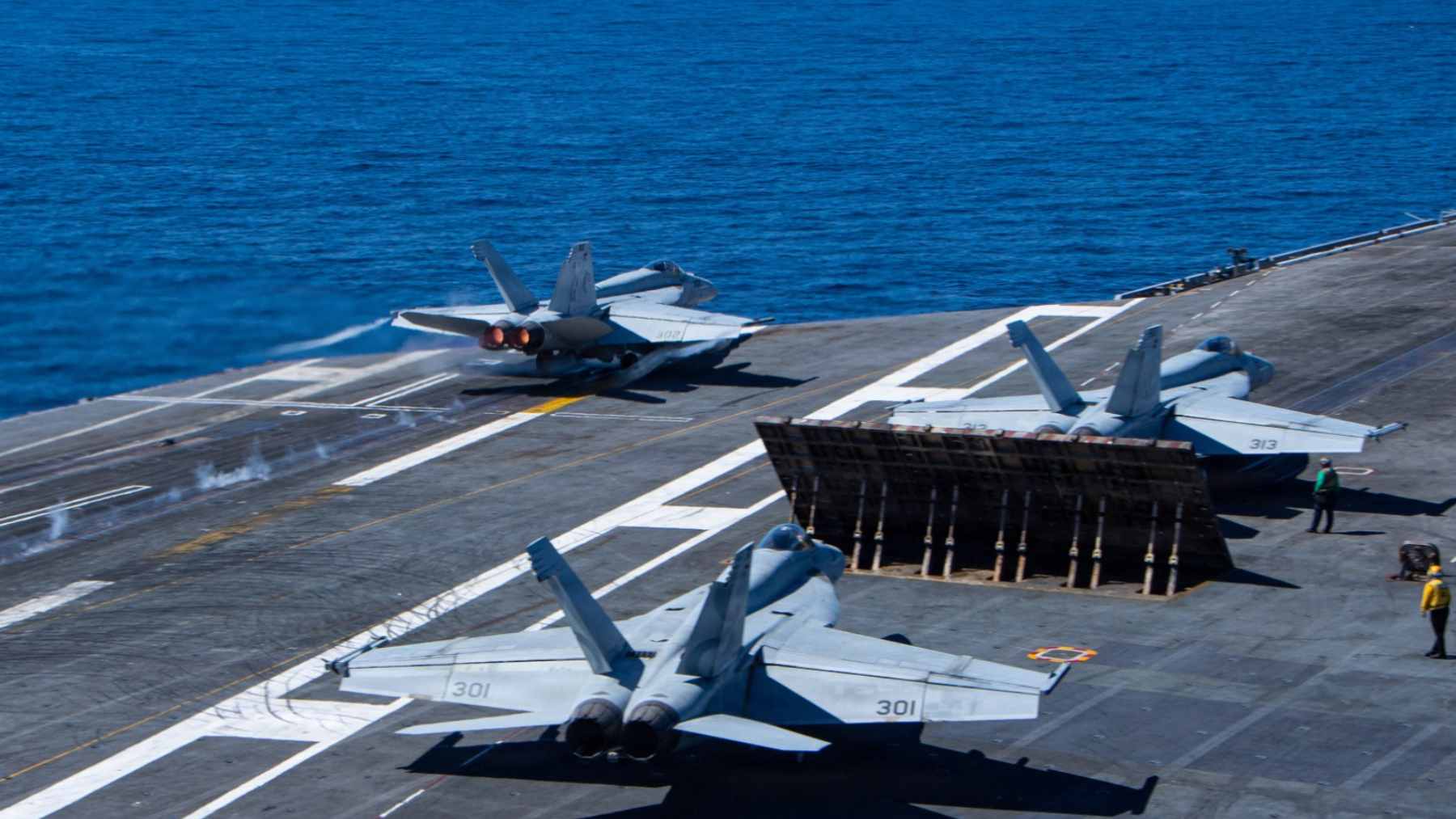
The USS Nimitz is a nuclear-powered aircraft carrier measuring about 333 meters long, with room for dozens of aircraft and thousands of sailors. During the Panama stop, the carrier remained in open waters, while the USS Gridley, an Arleigh Burke-class guided-missile destroyer, handled the closer port presence.
That detail matters because The Nimitz was not expected to pass through the Panama Canal, and Panamanian officials said the carrier would stay offshore while the destroyer docked at the Amador Cruise Port. In other words, Panama hosted the symbol of American naval power without turning the canal itself into the stage.
Southern Seas 2026 is the 11th version of a U.S. naval exercise series that began in 2007. According to the U.S. Navy, the deployment includes operations and exchanges with partner nations as the ships circle South America, with planned port visits in Panama, Brazil, Chile, and Jamaica.
Why Panama matters
Why does a quick stop draw so much attention? Because Panama is not just another port call.
The canal handles about 5% of global maritime trade, according to Reuters, and that makes every security move around it feel larger than the schedule on paper. A delay, a drought, a diplomatic fight, or a shipping disruption near Panama can ripple outward into store shelves, fuel costs, and the electric bill in ways most people never see coming.
U.S. Southern Command said the Nimitz and Gridley visit marked the first time in more than 50 years that a U.S. aircraft carrier had visited Panamanian waters. The same update said U.S. and Panamanian officials discussed countering narcotrafficking, safeguarding the Panama Canal, and keeping commerce moving.
The China backdrop
The visit also landed in a region where the United States and China are watching each other closely. Panama’s president, José Raúl Mulino, recently said his country was being pulled along by a problem between “two major powers,” referring to a dispute involving port contracts and Panama-flagged ships.
That does not mean the Nimitz stop should be treated as a direct confrontation. It does mean the optics are hard to miss. A U.S. carrier near Panama sends a message about partnerships, access, and influence at a time when ports, shipping lanes, and maritime data are becoming strategic assets.
For Panama, the balancing act is delicate. The country has to protect its sovereignty, keep commerce moving, and avoid turning its ports into a chessboard for larger powers–easier said than done.
The environmental layer
This is where the story shifts from steel and radar to water and heat. The Panama Canal Authority says it is building a strategy around decarbonization, climate resilience, and adaptation, because climate risks are now part of how the canal operates.
That sounds technical, but it is really about something simple. The canal needs enough water to work, and the region has already seen how drought can squeeze global shipping. For the most part, climate pressure is no longer a future headline there, it is an operating condition.
The authority has pointed to several steps, including a planned photovoltaic plant expected to generate 26 GWh a year, ten hybrid tugboats, electric vehicles, and support for lower-carbon fuels. It also says watershed programs have helped reforest more than 8,000 hectares (20,000 acres) and involve more than 1,900 people across 149 communities.
Security meets sustainability
Military exercises rarely get discussed in the same breath as watershed management, but around Panama they overlap more than people might think. Maritime security is not only about missiles or patrols, it is also about safe routes, clean ports, reliable water, and fewer disruptions.
At the end of the day, the canal is a machine that depends on nature. Rainfall, reservoirs, forests, coastal waters, and shipping rules all matter. If one part weakens, the whole system feels it.
That is why the Nimitz visit stands out. It was a show of naval cooperation, yes, but it also highlighted how modern defense planning is tied to climate stress and global trade. The study of power now includes the study of water.
The official statement was published on U.S. Southern Command.