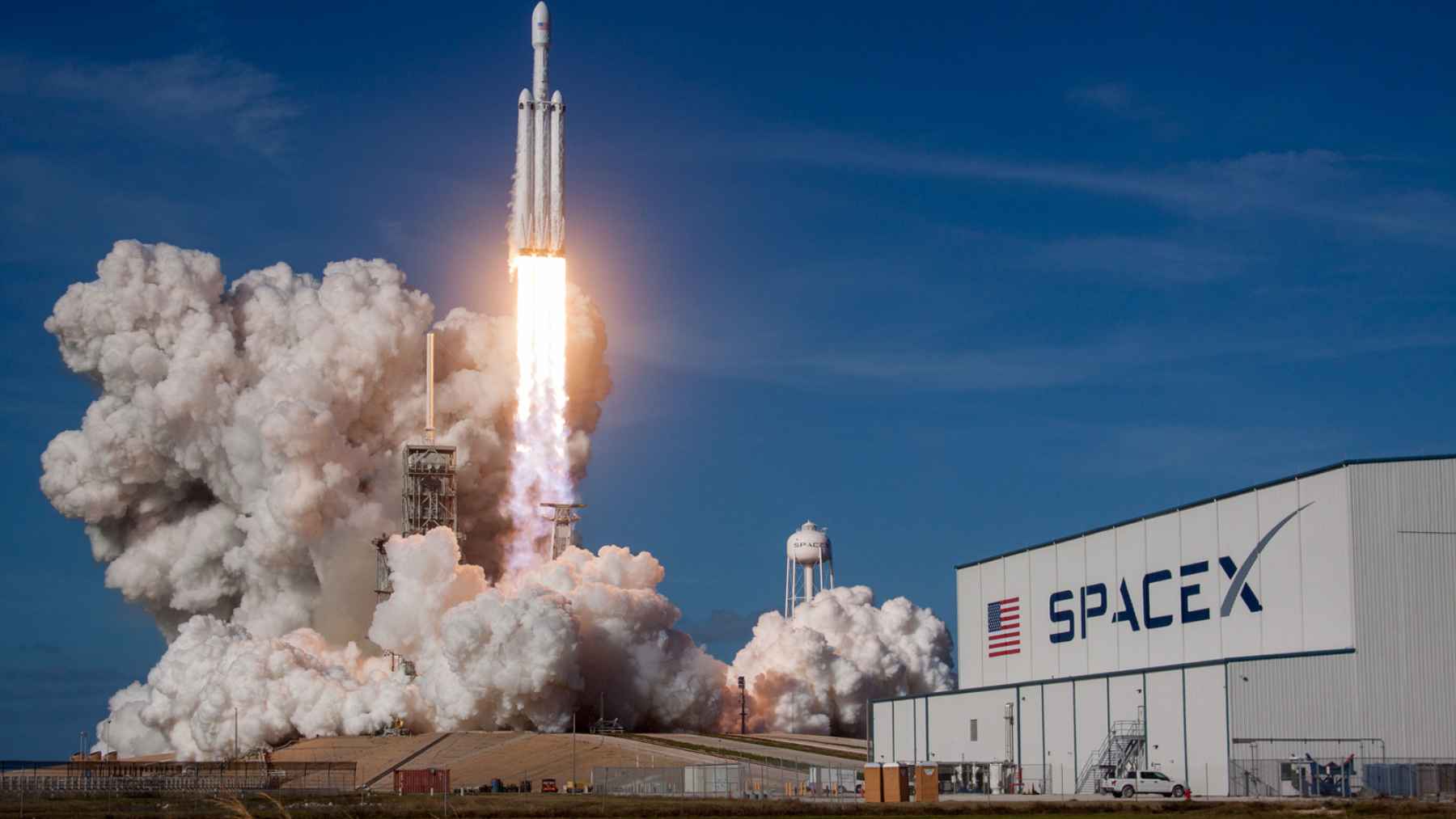
Elon Musk’s latest prediction sounds almost designed to stop people mid-scroll. On July 9, the SpaceX chief executive wrote that the company would be “worth more than the rest of Earth” if it accomplished its goals, only weeks after its record-setting stock market debut pushed its value above $2 trillion.
The statement looks even stranger beside another Musk prediction that money will eventually become irrelevant. But the two ideas share the same foundation. Musk is betting that artificial intelligence and robots will make goods abundant while electricity, physical materials, computing power, and access to orbit remain scarce.
Two claims, one economic theory
Musk told entrepreneur Peter Diamandis that “money will stop being relevant at some point in the future.” He argued that automated production could grow faster than the money supply, creating persistent deflation and making currency less central. That is a sweeping hypothesis, not an established economic forecast.
SpaceX is being built around the resources that would still matter in that scenario. Its public filings describe an integrated company spanning reusable launch vehicles, Starlink communications, terrestrial AI infrastructure, the Grok model, and the X platform following its acquisition of xAI.
Markets, however, are already applying a colder test. SpaceX raised $75 billion in its June 12 IPO and finished its first trading day at $160.95, valuing the company at about $2.1 trillion and making Musk the first person estimated to be worth more than $1 trillion. By July 30, SpaceX shares were trading near $112.19, below the $135 offer price.
AI compute turns electricity into the bottleneck
The company’s agreement with Anthropic shows why energy sits at the center of Musk’s vision. Anthropic said it would use all the computing capacity at SpaceX’s Colossus 1 data center, gaining access to more than 300 megawatts and over 220,000 NVIDIA graphics processing units. The companies also expressed interest in developing multiple gigawatts of orbital AI computing.
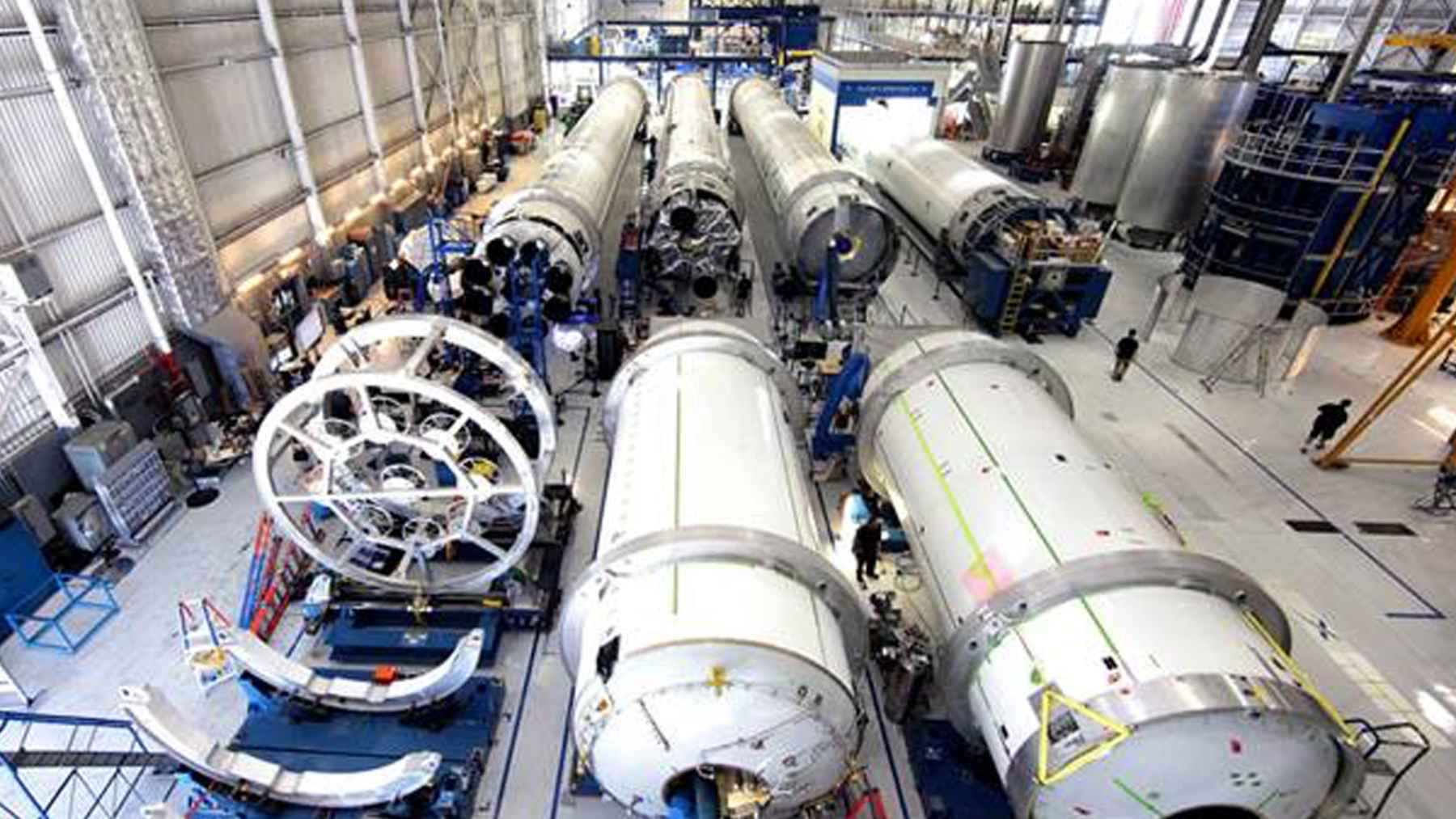
Run continuously at the stated 300-megawatt level, that capacity would represent about 2.6 billion kilowatt-hours of electricity in one year. That is roughly the annual electricity use of 240,000 average U.S. homes, although actual consumption will depend on utilization and the facility’s total overhead. Suddenly, the scale feels less abstract.
The wider trend is moving in the same direction. The International Energy Agency expects global data center electricity use to roughly double from 2025 to 2030, reaching about 950 terawatt-hours, while AI-focused facilities could triple their power demand.
The U.S. Department of Energy says data centers could account for 9.5% to 15.3% of national electricity use by the end of the decade.
Starmind moves the bottleneck into orbit
SpaceX’s proposed Starmind system is meant to carry part of that demand beyond Earth. The company has discussed manufacturing and deploying thousands of AI satellites beginning as soon as late 2027, while its securities filings describe potential orbital AI compute deployment as early as 2028.
The basic sales pitch is abundant solar power, less pressure on terrestrial land, and radiative cooling in space.
That sounds elegant, but SpaceX’s own prospectus is more cautious than the marketing. It says no company has yet operated orbital AI computing, that the hardware would face radiation, thermal cycles, micrometeoroids, and debris, and that damaged equipment could be difficult or impossible to repair.
It also warns that the business case depends partly on solar energy in orbit remaining cheaper than improved energy options on Earth.
Orbit is not an empty warehouse, either. The European Space Agency reported about 40,000 tracked objects around Earth in 2025, including roughly 11,000 active payloads. New U.S. satellite rules require operators to follow approved debris mitigation and end-of-life plans, so any Starmind network would need to prove that scale and orbital stewardship can grow together.
Launches carry an environmental ledger
There is another physical constraint hiding behind the plan. SpaceX says orbital AI computing at scale depends on Starship achieving full reusability, rapid turnaround, and a high flight rate.
Its prospectus also acknowledges that this would require more launch infrastructure, propellant production, power supply, and regulatory approvals that address public safety and environmental concerns.
The Federal Aviation Administration was still conducting environmental reviews of expanded Starship operations in July 2026. That process does not mean the launches are environmentally unacceptable, but it confirms that noise, wildlife, airspace, coastal activity, and other local effects cannot simply be moved off a spreadsheet. They remain part of the cost.
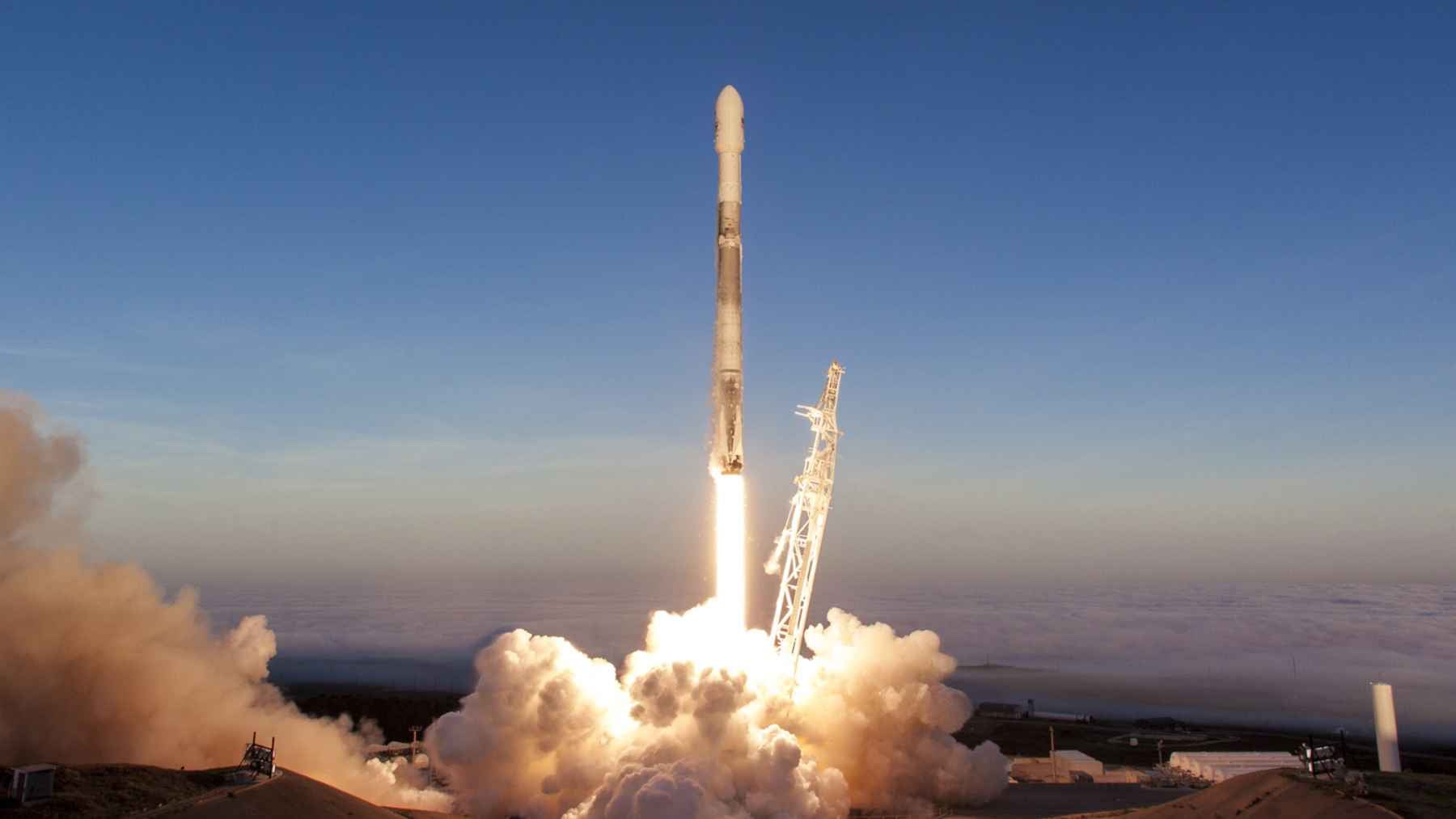
Atmospheric effects also deserve measured attention. A scientific assessment hosted by NOAA concluded that rocket launches currently have a very small effect on total stratospheric ozone, at much less than 0.1%, while warning that higher launch rates and changing propellants could become more important.
Today’s ozone effect is limited. Tomorrow’s cadence is the real unknown.
What “worth more than Earth” would really mean
Musk’s statement is difficult to interpret as a literal valuation forecast. SpaceX’s own filings describe orbital AI computing, lunar manufacturing, and several other future markets as early stage, unproven, and possibly never profitable. The more defensible reading is that Musk sees SpaceX as a gatekeeper for the infrastructure behind a highly automated economy.
That makes the environmental test central, not secondary. Can orbital computing deliver more useful work with a lower total burden than ground-based data centers once manufacturing, electricity, launches, replacement satellites, and disposal are counted? Can the company expand without shifting hidden costs onto local grids, coastal ecosystems, or the shared orbital environment?
For now, the two Musk statements are philosophically consistent but commercially unproven. In his imagined future, money fades while energy, mass, computing, and access become the hard currency.
The official statement was published on X.