Finland is closer than any other country to placing spent nuclear fuel in a permanent deep geological repository, but the most interesting part of the story is not only the copper canister containing it, but the rock around it.
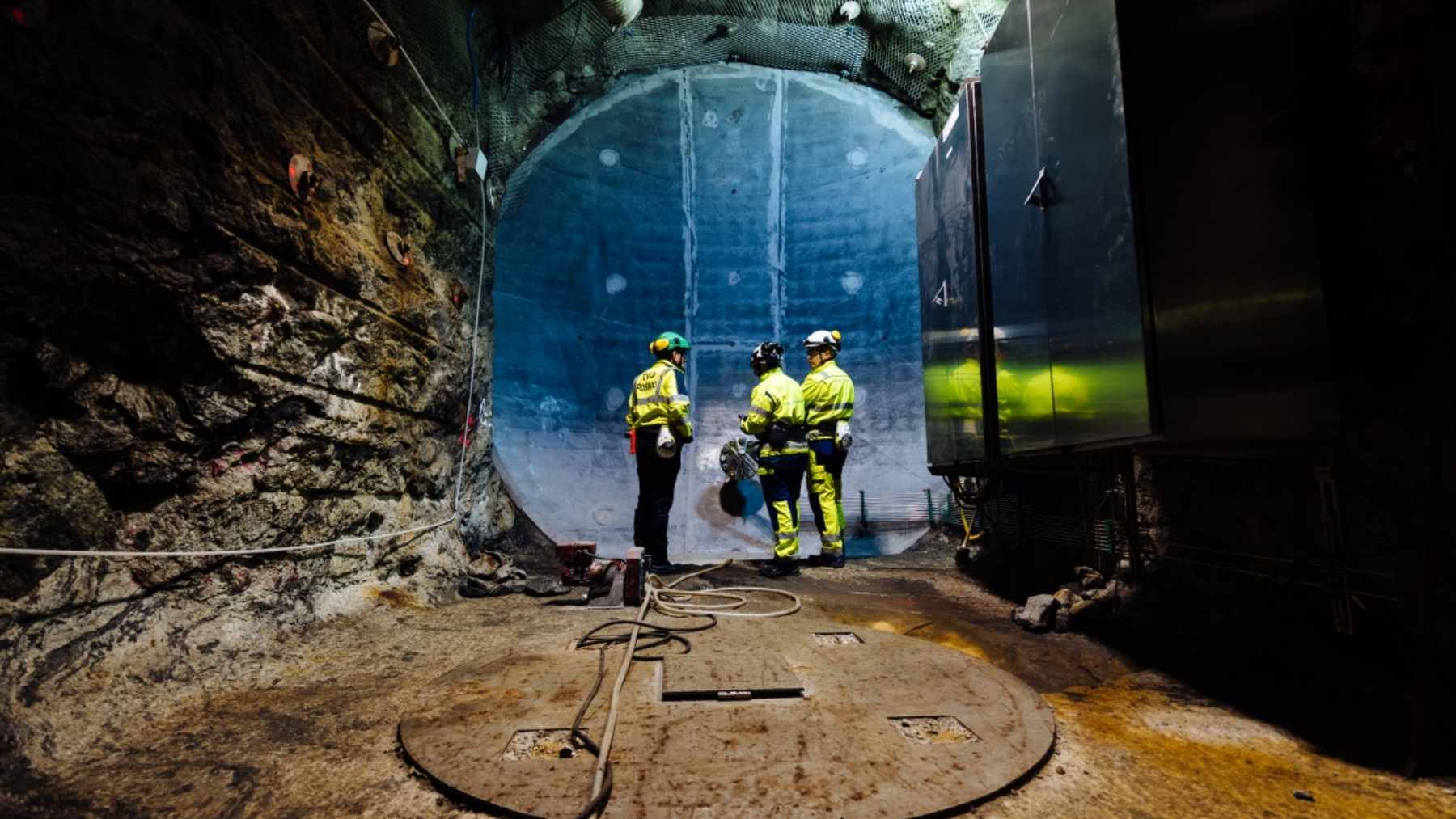
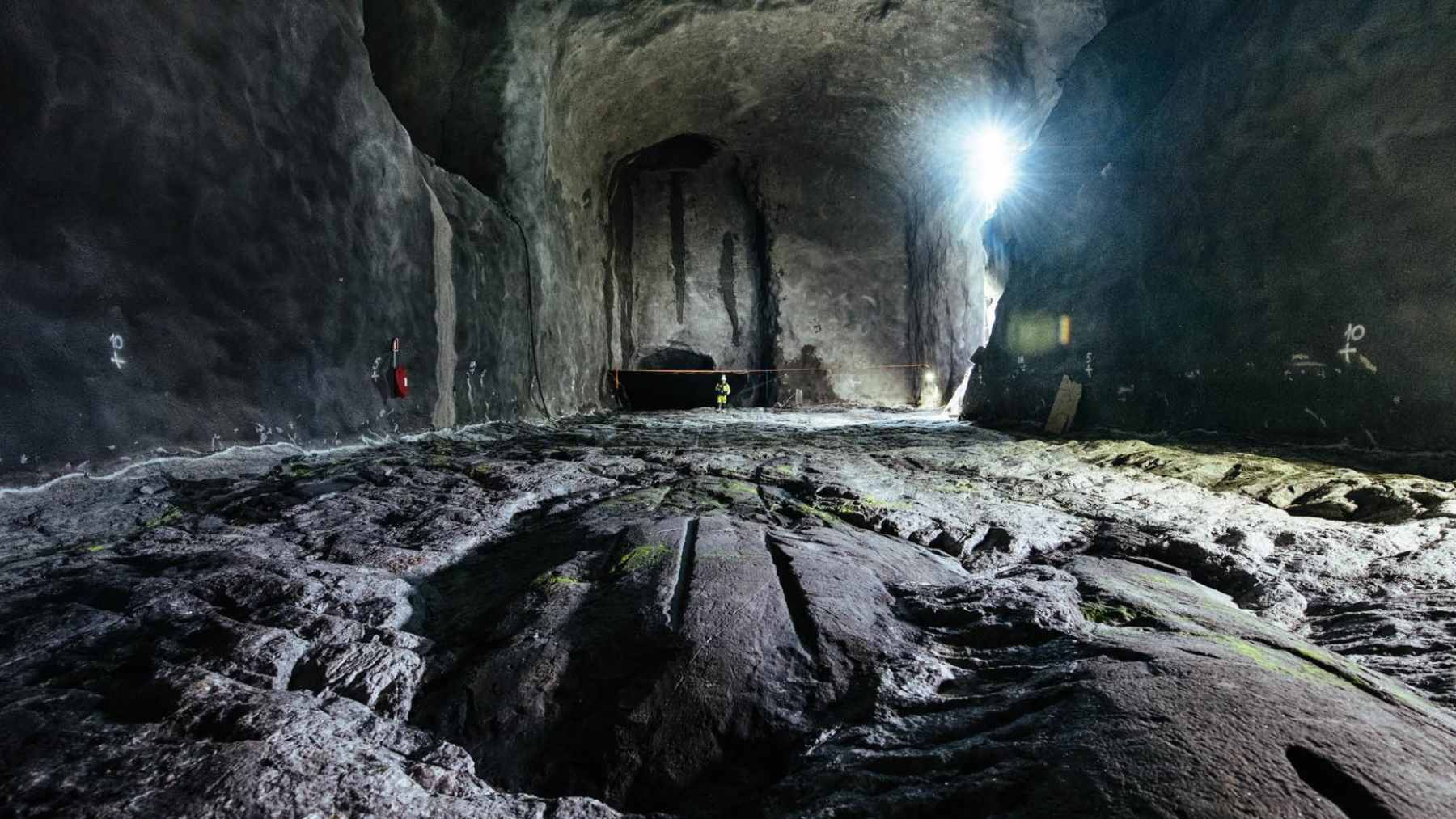
At Onkalo, on Olkiluoto Island, Posiva plans to isolate fuel inside copper-and-iron containers about 1,300 to 1,400 ft. underground, inside bedrock that has been stable on a timescale most of us can barely imagine.
This is a huge environmental test for nuclear energy. Can a country produce low-carbon power for decades and still prove it has a responsible way to handle the waste? Finland’s answer is a high-tech vault where human engineering and ancient geology are asked to work together. The canister matters, but it is not the only line of defense.
The rock is doing the heavy work
Onkalo reaches about 1,480 ft. underground, while the actual disposal repository sits at roughly 1,300 to 1,400 feet. That depth is meant to place the waste far below everyday life, far below tree roots, drinking water pipes, roadwork, and all the noisy activity at the surface.
The surrounding bedrock is about 1.8 to 1.9 billion years old, which is older than complex life as we know it. In practical terms, Posiva is betting that this ancient rock can act like a natural fortress around the engineered barriers, especially as Finland plans for future ice ages and other long-term changes in nature.
How the vault is supposed to work
The plan is known as a multi-barrier system. Spent fuel is sealed in a canister with a cast-iron insert and a copper outer shell, then placed in a deposition hole and surrounded by bentonite clay, a swelling material that helps limit water movement.
Once a disposal tunnel is filled, the canisters are isolated with clay buffers, the tunnel is backfilled, and the system is sealed. Posiva says the repository will eventually hold about 7,165 tons of spent-fuel uranium, or about 3,250 final disposal canisters.
The scale is easy to miss because so much of it is underground. Posiva says about 6 miles of tunnels had already been excavated in Olkiluoto bedrock, with about 25 more miles expected during roughly a century of operations.
The copper question has not vanished
Copper was chosen because it is expected to corrode very slowly in the oxygen-free chemical conditions deep underground. That sounds simple enough, but the science has not been completely quiet. Researchers including Gunnar Hultquist and Peter Szakalos have published work arguing that copper can react with water even without oxygen, producing hydrogen gas.
Other studies have pushed back. A Uppsala University record for a 2018 Corrosion Science paper says copper exposed to pure oxygen-free water for months showed no evidence of corrosion, either through hydrogen evolution or oxidized copper.
SKB, Sweden’s nuclear waste company, reached a similar broader conclusion in a canister-integrity report. It said there was no reason to assume copper corrosion in pure oxygen-free water exceeds established thermodynamic predictions in a way that would matter for repository safety.
Regulators are still holding the key
That does not mean the Finnish project has a free pass. Posiva submitted its operating license application at the end of 2021, but Finland’s Radiation and Nuclear Safety Authority, STUK, still has to complete its safety assessment before the government can grant the operating license.
STUK’s 2025 annual report says the deadline for its statement has been extended three times, with the latest target set for the end of June 2026, if possible. The same report says key documents, including the final safety report, operating limits and long-term safety case, had not yet been approved.
That matters. No actual spent fuel goes into Onkalo until the regulatory process reaches the finish line. STUK project manager Antti Tynkkynen also warned in 2024 that the agency was “unable to promise an exact timetable,” because the timing depends on the material Posiva provides.
Why the world is watching
For the nuclear industry, Onkalo is more than a Finnish construction project. It is a real-world answer to the question that follows every reactor, no matter how advanced the technology sounds: where does the waste go?
The answer will not be copy-and-paste for every country. Finland has unusually old, stable bedrock and a political process that has kept the project moving for decades. Other nations will have different geology, different communities, and different levels of public trust.
Still, Onkalo gives the world something it has never really had before, a near-operational model for spent fuel disposal at industrial scale. For people who support nuclear power as a climate tool, that is a major milestone. For skeptics, it is also a reminder that the hardest part of nuclear energy lasts long after the electricity has left the grid.
What happens next underground
The dry runs are already telling regulators what still needs attention. STUK’s annual report says Posiva completed the encapsulation plant trial run in February 2025 without spent nuclear fuel, while the disposal facility trial run was expected in 2026 after delays involving underground installation equipment and commissioning work.
The first real emplacement, whenever it happens, will be a historic moment. It will not end the debate over copper, clay, groundwater, or geology, but it will move the question from theory into monitored reality.
After that, the slow part begins. Tunnels will be filled, sealed, watched, and eventually left to the bedrock, which is exactly the point.
The official annual report was published by STUK on Julkari.