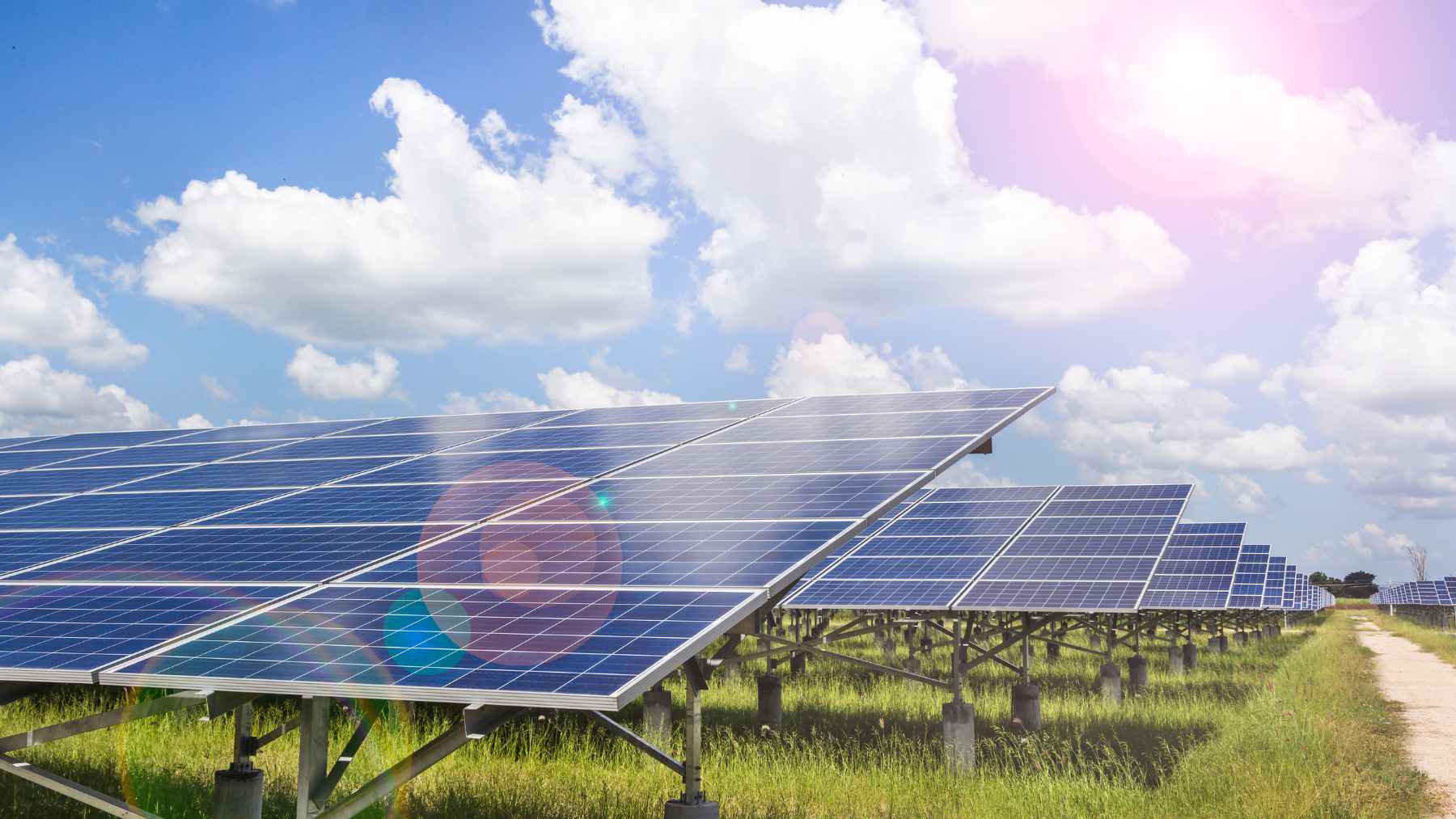
A large solar farm proposed near Cappoquin, Ireland, could transform nearly 369 acres of rural land into a major renewable energy and battery storage site. The planning application seeks approval for ground-mounted solar panels, transformer stations, new access roads, and other infrastructure across several townlands east of the County Waterford community.
The project would operate for up to 40 years, but it has not yet received permission to move forward. Waterford City and County Council is expected to issue its planning decision by Aug. 19, 2026, after reviewing the development and its possible effects on nearby habitats, waterways, roads, and residents.
A solar project spread across several sites
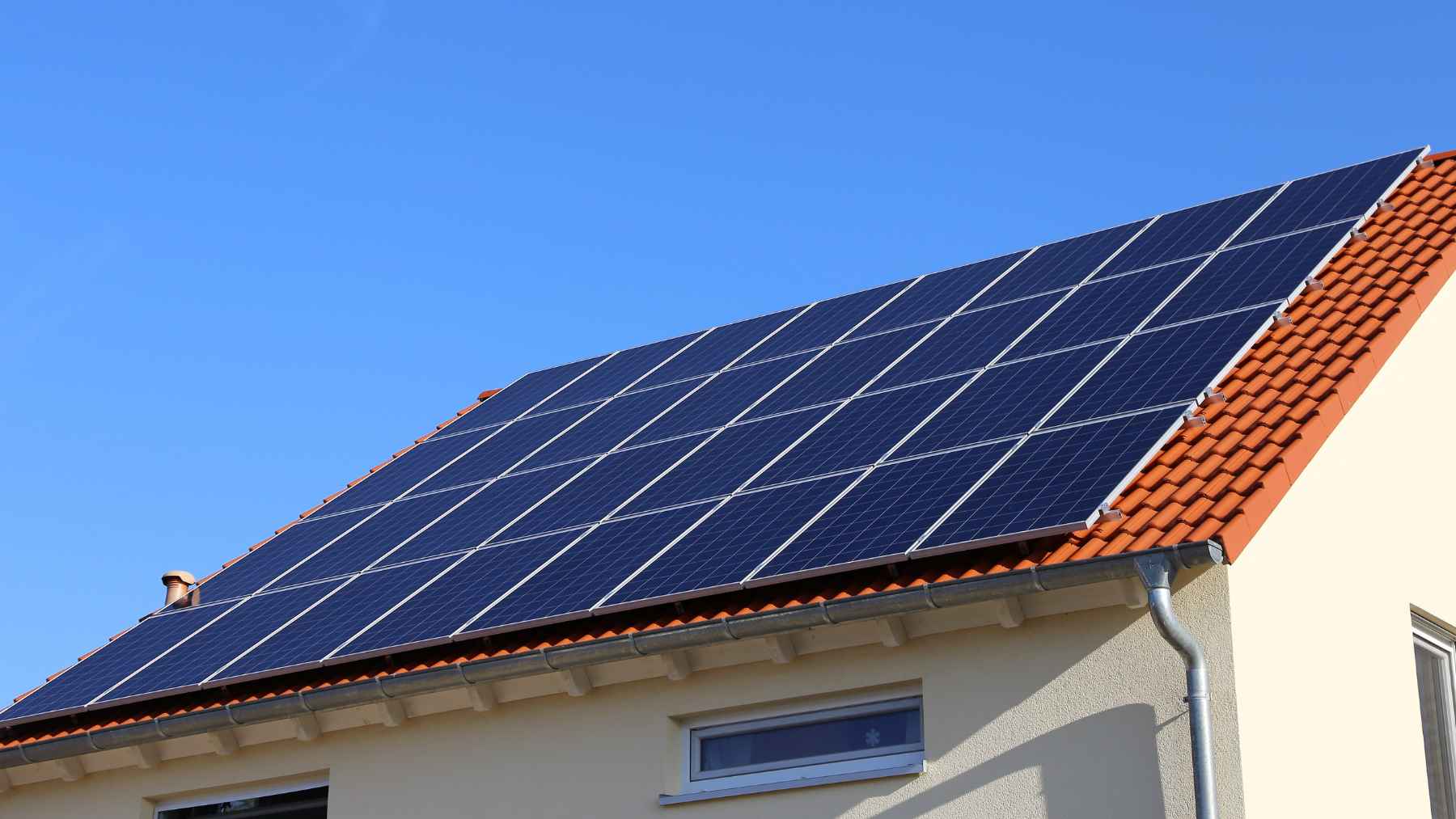
The application covers a total area of approximately 368.5 acres. Solar panels would occupy roughly 358 acres across Drumroe, Clashnagoneen, Kilcannon (Osborne), and adjoining townlands near Cappoquin.
That is a substantial footprint. It equals more than 270 American football fields placed side by side, though the development would be divided among several parcels rather than built as one continuous block.
The developer is seeking a 10-year planning permission. That does not mean the solar farm would operate for only a decade. Instead, it would give the company a 10-year window to construct the project, which is then expected to have an operational lifespan of about 40 years.
More than rows of solar panels
Solar panels may be the most visible part of the proposal, but they are only one piece of the planned energy site. The application also includes transformer stations and battery storage containers, allowing electricity to be managed before it is supplied to the wider power network.
Battery storage can help smooth out one of solar energy’s most familiar problems. Panels generate electricity when sunlight is available, while homes and businesses may need power after the sun goes down.
The proposal also includes underground electrical cables, security fencing, surveillance cameras, landscaping, and new or upgraded entrances. Together, these additions would turn agricultural land into a secured piece of energy infrastructure rather than an open field filled with panels.
Water crossings will face scrutiny
Some of the most environmentally sensitive parts of the proposal involve nearby waterways. Plans include a new bridge over the Clashnagoneen Stream as well as overhead electrical cables crossing the River Finisk.
Those features matter because construction near rivers and streams can affect water quality, fish habitats, drainage patterns, and surrounding vegetation. Even temporary work can disturb riverbanks or release sediment if it is not carefully managed.
The application does not establish that environmental harm will occur. It does, however, show why regulators will need to examine the project’s construction methods, proposed safeguards, and long-term maintenance plans before reaching a decision.
Environmental report submitted
A Natura Impact Statement was filed with the application because the proposed development could potentially affect protected habitats or species. This type of assessment is used in Ireland to examine whether a project may have significant effects on areas protected under European nature conservation laws.
The statement should help planning officials decide whether risks can be avoided or reduced through measures such as construction buffers, controlled work periods, water protection systems, and habitat management. The existence of the report is not proof that the development is unsafe. It means the possible effects require formal study.
For local residents, this part of the process may be just as important as the panels themselves. Renewable energy can reduce reliance on fossil fuels, but clean power projects still have to be designed around the landscapes and ecosystems where they are built.
Why battery storage matters
The inclusion of battery containers gives the Cappoquin proposal a broader role than a traditional solar installation. Instead of sending every unit of electricity to the grid as soon as it is generated, batteries could store some energy and release it later.
That can make a solar farm more useful during periods of high demand or lower sunlight. It may also reduce sudden changes in the amount of electricity flowing into the grid when clouds pass over the site.
Still, the planning information currently available does not specify the proposed generating capacity or the size of the battery system. It would therefore be misleading to estimate how many homes the development could power or how long stored electricity might last.
Renewable energy meets rural planning
Ireland is expanding renewable generation as it works to reduce emissions and strengthen its domestic energy supply. Large solar farms can contribute to that transition, particularly when paired with storage technology.
But the tradeoffs are hard to ignore. A project covering hundreds of acres can alter views, construction traffic, land use, drainage, and the character of nearby roads. For people living close to the site, those details may feel more immediate than national energy targets.
That is where the planning process comes in. Officials will have to weigh the potential climate and energy benefits against local environmental risks, infrastructure demands, and the conditions needed to protect the surrounding area.
What happens next
The application was lodged on June 25, 2026, and Waterford City and County Council is due to make a decision by Aug. 19. Until then, the project remains a proposal rather than an approved solar development.
The council could approve the plans, reject them, or request additional information before deciding. Any permission could also include detailed conditions governing landscaping, construction traffic, water protection, security, noise, and the eventual restoration of the land.
For now, the key question is not whether County Waterford needs more renewable energy. It is whether a project of this scale can deliver that energy while protecting the rivers, habitats, roads, and communities around it.
The planning application was published on the Waterford City and County Council ePlanning portal.