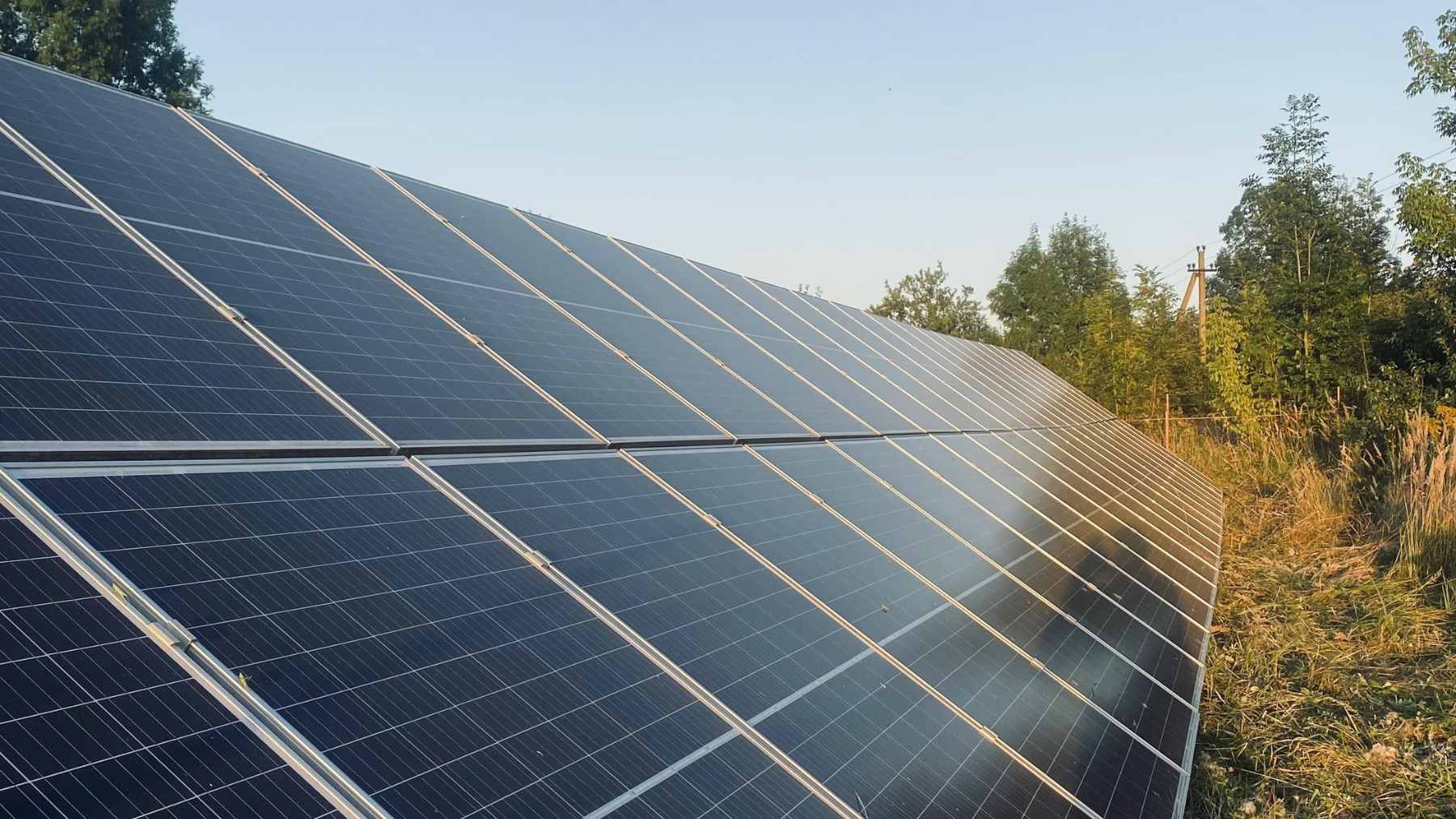
For years, the fear around solar farms has been easy to picture. Rows of dark panels, wide open fields, hot metal under the sun, and barely a bird in sight.
New data from Spain is now pushing back against that image. In several solar plants studied in 2025, researchers found more bird species inside the facilities than in nearby agricultural control areas, suggesting that well-managed solar farms can sometimes become unexpected refuges for wildlife rather than empty industrial spaces.
That does not mean every solar project is automatically good for nature. The real lesson is more practical, and maybe more important: solar panels can help biodiversity when the land under and around them is managed with care, not treated like a lifeless power station.
More birds inside
The clearest figures come from work cited by Spain’s solar industry association UNEF and carried out in different photovoltaic plants by the independent environmental consultancy EMAT. In Minglanilla, researchers identified 32 bird species inside the solar plant, compared with 19 in the agricultural control area outside.
The pattern appeared elsewhere, too. In Revilla Vallejera, 39 species were recorded inside the facility and 34 outside, while in Trujillo, 31 species were found among the panels compared with 25 outside.
Those are not small details. For people used to seeing solar farms as a threat to the countryside, the numbers tell a more complicated story.
Why panels can help
The key is what the solar farm is replacing. A photovoltaic site is not usually being compared with an old-growth forest or a wetland full of life. In many cases, the land was previously used for intensive agriculture, with repeated soil disturbance, heavy mowing, herbicides, pesticides, and little shelter for wildlife.
Once a solar farm is operating, that pattern can change. Hunting is often restricted, human traffic falls to occasional maintenance visits, and the soil is no longer worked in the same way. That quieter environment can give grasses, wildflowers, insects, small mammals, and birds room to return.
UNEF’s Martín Behar said the combination of no fertilizers, insecticides, or herbicides, along with natural vegetation management through directed grazing, is producing very positive results for biodiversity. In simple terms, the land gets a break.
Protected species return
The Spanish findings are especially interesting because the birds recorded were not only the usual species that adapt to almost anything. UNEF says observers documented species of ecological interest, including stone-curlews, little bustards, European rollers, little owls, kestrels, lesser kestrels, and red-necked nightjars.
There is also a food-chain effect at work. When vegetation grows, insects and rabbits can increase. When prey becomes more available, raptors such as eagles, vultures, kites, harriers, falcons, and owls may begin using the area, too.
It is a simple chain, but an important one. A field that once looked productive for crops can still be poor for wildlife, while a solar site with messy edges and living ground cover can become a small pocket of habitat.
The idea is spreading
Spain is not alone in seeing this potential. In the United Kingdom, research by the Royal Society for the Protection of Birds (RSPB) and the University of Cambridge found that solar farms in the agricultural landscapes of East Anglia had more bird species and more individual birds than nearby arable farmland when measured acre for acre.
The best results came from solar farms managed for nature. Sites with mixed habitats, hedgerows, and more flowering plants had nearly three times as many birds as nearby arable land, according to the RSPB and Cambridge reporting on the study.
Scientists have started using the term “conservoltaics” for this idea, which combines solar energy production with active conservation. It sounds strange, but the point is down-to-earth: clean power and wildlife habitat do not always have to fight for the same acre.
Sheep under solar panels
There is also an agricultural side to the story. In Australia, Lightsource bp reported promising results from wool testing at its Wellington solar farm in New South Wales, where merino sheep grazing at a solar site were compared with sheep in a regular paddock.
The company said the arrangement did not hurt wool production, even where quality was already high. Some measurements even suggested improvement, although Lightsource bp also noted that longer-term data is needed before drawing firm conclusions.
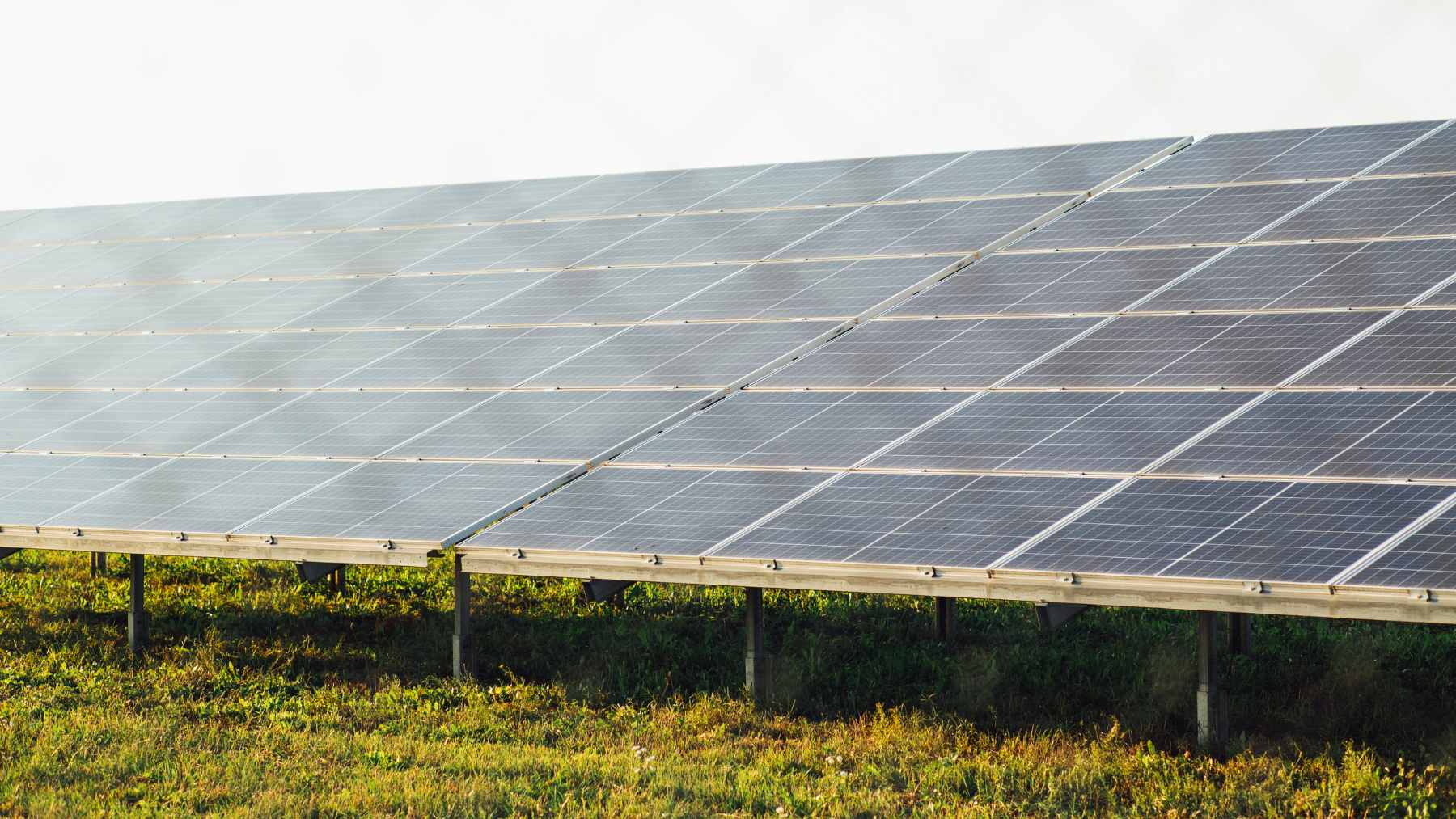
Why might that happen? The panels create shade and a gentler microclimate, giving animals more options during hot days. Any farmer, or anyone who has looked for shade in a parking lot in July, can understand why that matters.
Not automatic
Still, there is a warning tucked inside the good news. Solar farms do not become wildlife sanctuaries just because panels are installed. A site that is cut short, stripped of varied plants, and managed as a simple fenced lawn will not deliver the same benefits.
The strongest results appear when developers keep vegetation cover, protect or plant hedgerows, use native plants along margins, create ecological corridors, and rely on sheep as natural lawn mowers where appropriate. That means designing the site as a living landscape, not just as an electricity machine.
UNEF’s Sustainability Excellence Seal points in that direction. Its certification includes standards related to environmental integration, biodiversity protection, circular economy, local social impact, and governance, with audits for projects and plants in operation.
A different debate
The argument over solar farms is not going away. Communities still worry about views, land use, food production, local control, and the speed of renewable energy buildout. Those concerns deserve attention.
But the new evidence changes the frame. The question is no longer whether every solar farm destroys nature or saves it. The better question is how these projects are placed, designed, and managed once they arrive.
At the end of the day, solar panels are tools. Used carelessly, they can deepen land-use conflicts. Used wisely, they can produce electricity while giving birds, insects, sheep, and soil a little more breathing room.
The official statement was published on UNEF.