Ever walked into a livestock barn on a freezing morning and felt that wall of warm air? Keeping animals comfortable is not optional, but it often means burning fuel all winter and watching the electric bill climb.
A full-scale test in northern Italy points to a different playbook. Researchers combined photovoltaic thermal solar collectors, underground heat storage, and a dual source heat pump, then ran it on a working swine farm and tracked performance for a full year.
The system delivered 147,133 megajoules of heat while using 38,917 megajoules of electricity, which works out to a seasonal performance factor of 3.78, and the team says most of that electricity use can be covered by the rooftop solar unit.
Why barn heating is suddenly a bigger deal
In pig farming, the stakes are simple. Temperature and humidity have to stay in a tight band for animal health and growth, especially in nursery buildings, and the HVAC equipment that makes that happen can be energy hungry and emissions heavy when it runs on fossil fuels.
It is also a business issue that does not wait for policy debates to settle. Fuel price swings, grid constraints, and cold snaps can turn heating from a routine cost into a painful surprise. That is why projects like the EU-backed RES4LIVE program have been testing “farm fit” renewable systems that aim to cut fossil use without sacrificing animal comfort.
The three technologies doing the heavy lifting
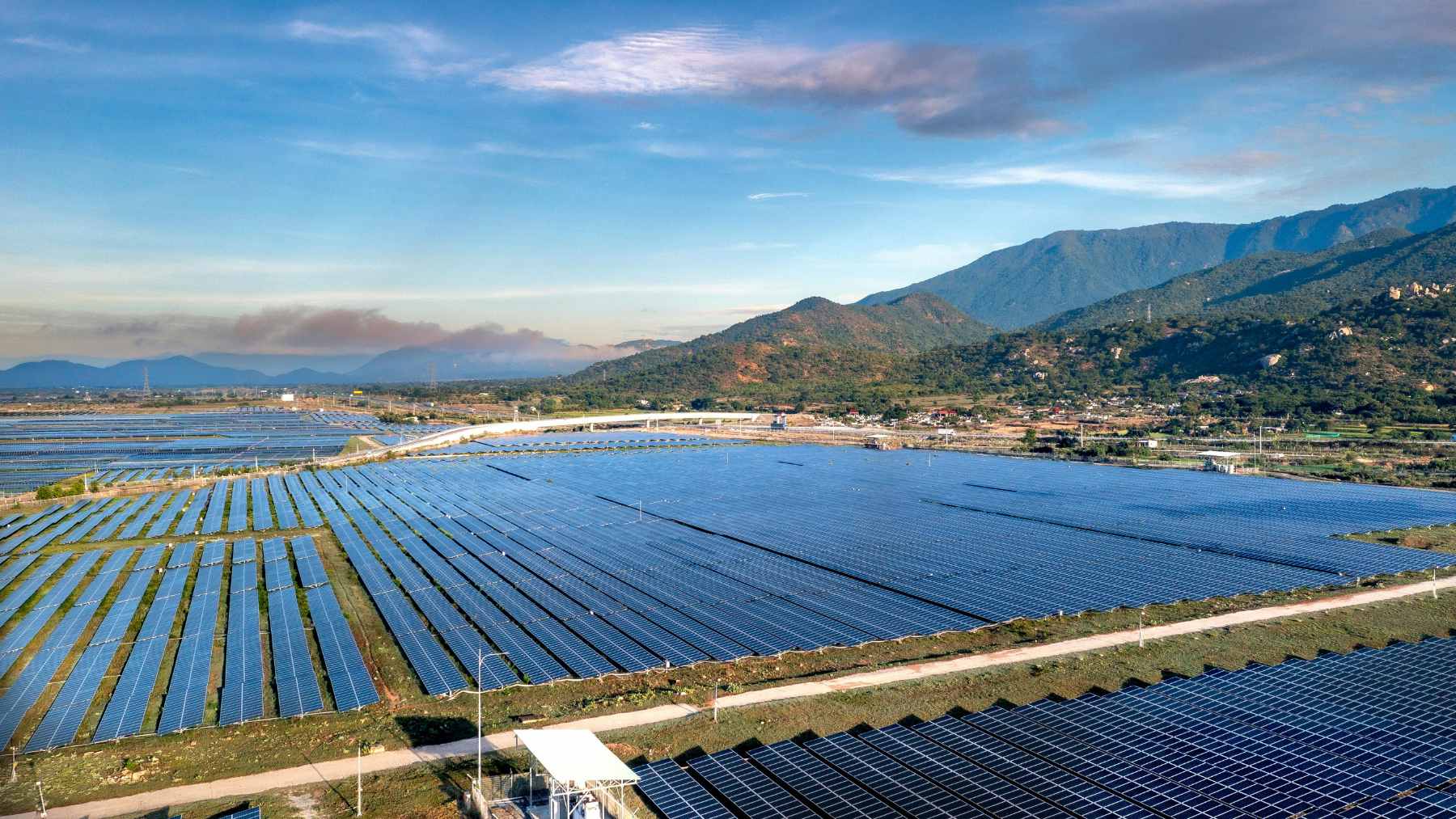
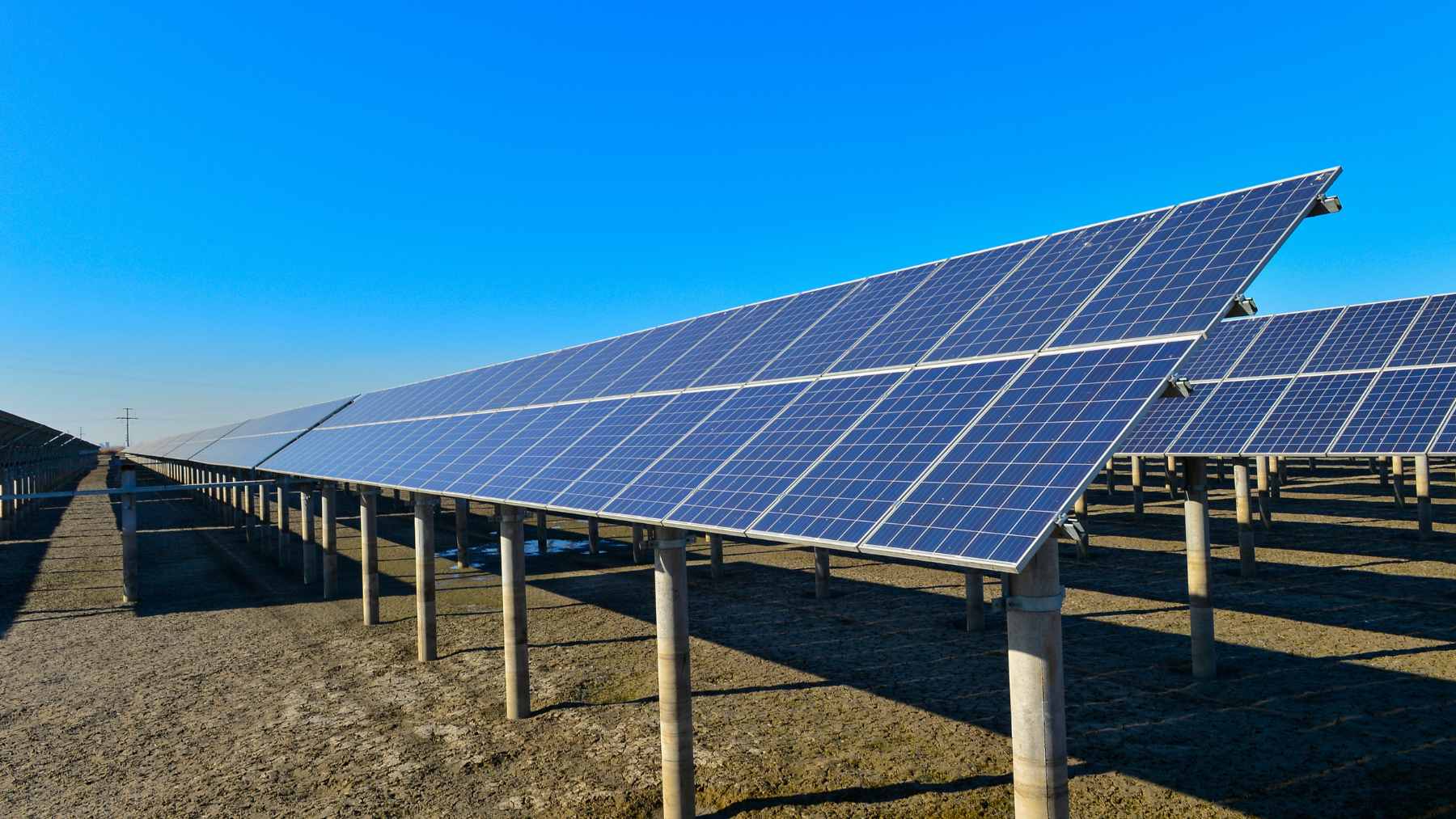
The Italian prototype stacks three tools that are each useful on their own, but more interesting together. Photovoltaic thermal (PVT) collectors make electricity and harvest heat at the same time, a borehole thermal energy storage field (BTES) banks some of that heat underground, and a 35-kW dual-source heat pump can pull heat from the ground or the air depending on conditions.
In the test setup, that meant 24 roof-mounted PVT collectors, eight boreholes about 30 meters deep (roughly 98 feet), and a control station that manages the energy flows.
The control layer is not a footnote, it is the system. The heat pump was centrally managed via PLC automation, supply water was kept around 50° to 55° C (about 122° to 131° F), and the whole setup was monitored through a cloud-based platform so temperatures, pressures, and performance could be tracked in real time.
The performance numbers that make this more than a demo
On the farm, the old baseline was familiar across agriculture. A 34-kW LPG boiler handled the nursery building, with thermal lamps in each room doing backup duty.
During the first monitoring year, the hybrid system delivered 147,133 MJ of heat (about 40.9 MWh) while consuming 38,917 MJ of electricity (about 10.8 MWh), and the reported average coefficient of performance was about 4.07, with the heat pump running mostly from November through April and a defrosting rate of 3.6%.
The lead author told pv magazine, “Our analysis showed that the electrical energy consumed by the DSHP is almost entirely covered by the electricity generated by the PVT unit.”
For readers who do not live in heat pump spreadsheets, there is a plain language translation. The International Energy Agency notes that a typical heat pump COP around four means you get roughly four units of heat for every unit of electricity you buy, which is why heat pumps can be several times more efficient than combustion-based heating.
The farm results land right in that range, but with the added twist that much of the electricity can be generated on site.
Why this matters for security and defense, too
It is tempting to treat farm energy systems as a niche sustainability story. The reality is that food production is infrastructure, and energy reliability is part of resilience, whether you are talking about barns, warehouses, or military logistics hubs.
NATO has been blunt that climate change acts as a “threat multiplier” that affects security, operations, and missions, which is another way of saying the costs show up in more places than just climate charts.
The U.S. government has also framed it in straight terms. A National Security Memorandum on strengthening the security and resilience of U.S. food and agriculture flags climate consequences and vulnerabilities tied to interconnected “cyber physical systems,” a reminder that smarter, more automated farms also need to think about reliability and cyber hygiene.
You can see the same logic in defense energy investments. In January 2026, DLA Distribution Sigonella in Italy unveiled a solar array plus battery storage microgrid designed to improve “energy independence and operational resilience,” including the ability to shift into “island mode” during outages. Different sector, same direction of travel.
The study was published on Geothermics.