Cumberland, British Columbia is exploring a clean energy idea that sounds almost too simple. The town wants to use water sitting in abandoned coal mines to heat buildings in winter and cool them in summer.
ACET says connecting municipal buildings could cut heating emissions about 90%, which it likens to avoiding 30,000 lbs. of coal burned each year.
What if the cleanest energy in town is already under your feet? The International Energy Agency estimates building operations account for around 30% of global final energy use and about 26% of energy-related emissions.
That is why a mine water project in a town of about 4,800 residents has people paying attention.
An energy network hiding under Cumberland
The Cumberland District Energy Project is a partnership with the University of Victoria led Accelerating Community Energy Transformation initiative.
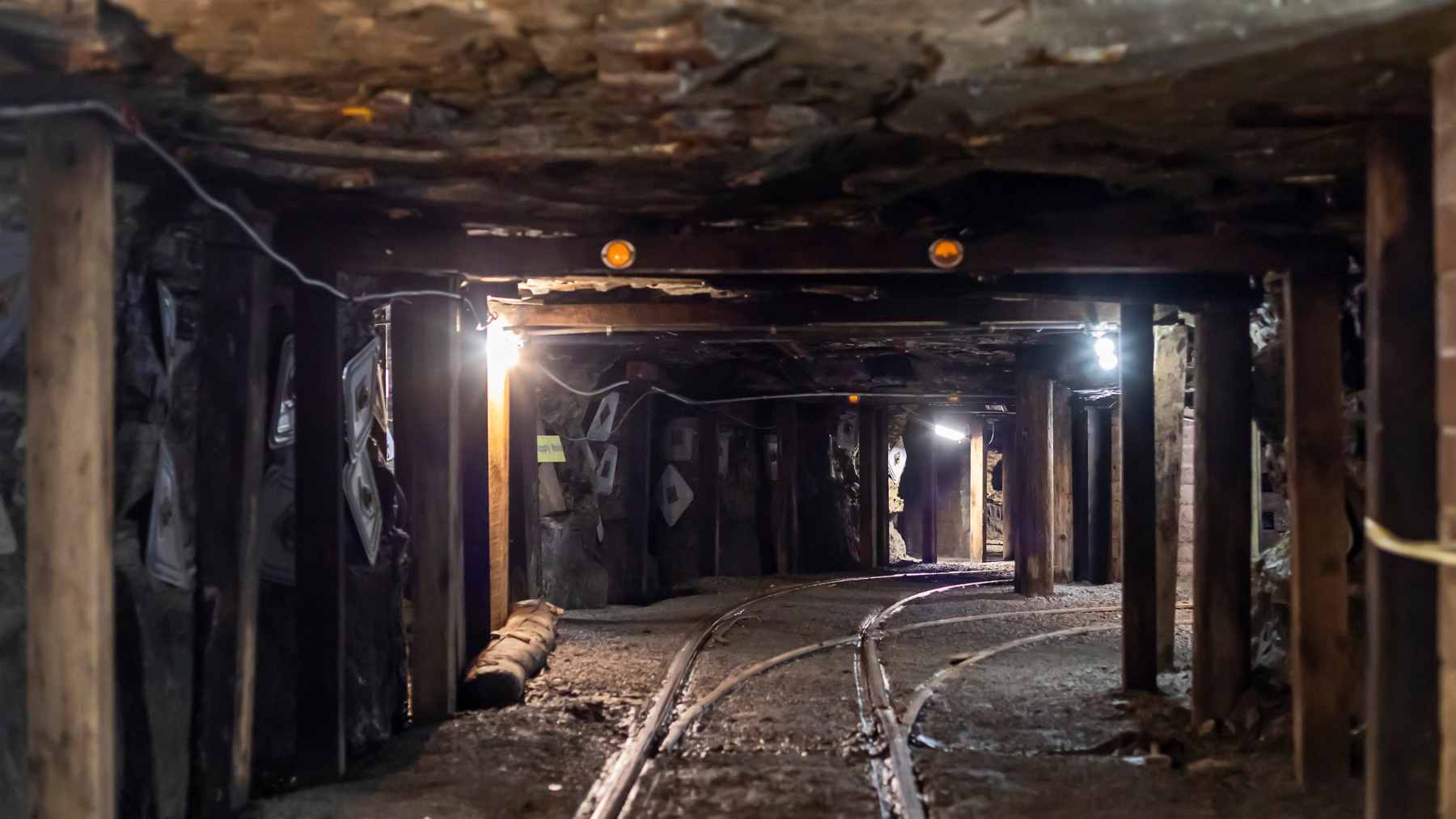
It is exploring a mine water geoexchange network that treats flooded tunnels as a shared heat source and heat sink. In practical terms, buildings could plug into an underground “thermal reservoir” instead of burning fuel on site.
The Village of Cumberland says initial exploration in 2024 focused on the historic No. 6 mine heat capacity, and UVic says early modeling targets a municipal precinct redevelopment and an industrial zone closer to Comox Lake.
A December 2024 staff report also proposed $10,000 to support a scoping study and prepare a Green Municipal Fund application. The point is to start where demand is dense, then scale if a pilot pencils out.
How mine water becomes useful heat
A flooded mine is not a hot spring, but underground water stays far more stable than the air outside. That steady temperature is exactly what a heat pump wants when sticky summer heat arrives or when winter chill spikes your heating bill. Emily Smejkal of the Cascade Institute called the setup “technically a very large ground source heat exchanger.”
Heat pumps do the heavy lifting. Canada’s energy regulator says they are typically two to four times as efficient as other space-heating systems, and that space heating is about 60% of energy used in Canada’s residential and commercial buildings. That is why even low grade mine heat can matter at the town scale.
The business case is about more than carbon
Cumberland’s history is tightly bound to coal. UVic reports that about 17.5 million tons of bituminous coal were excavated and shipped from the Comox Valley from 1888 into the late 1960s. Now the same underground network could become an asset for lower-cost heating, cooling, and future redevelopment.
Mayor Vickey Brown said the project can “highlight the history of Cumberland and bring it into a sustainable future, clean energy ethos.” She also argued that cheaper, cleaner heat could make local industrial land more attractive, especially for heat-hungry businesses like greenhouses and food processors.
For a small municipality, that is the difference between a climate plan on paper and a tax base that can pay for it.
Proof this can work
If Cumberland feels like a one-off experiment, it is not. Nova Scotia’s government says Springhill became an early leader in abandoned mine geothermal heating and cooling, with research and pilots dating back to the mid-1980s and systems still in use today.
In British Columbia, the province said Vancouver Island University tapped flooded Wakesiah mine workings under its Nanaimo campus through a district geo exchange system that cut heating and cooling emissions to near zero.
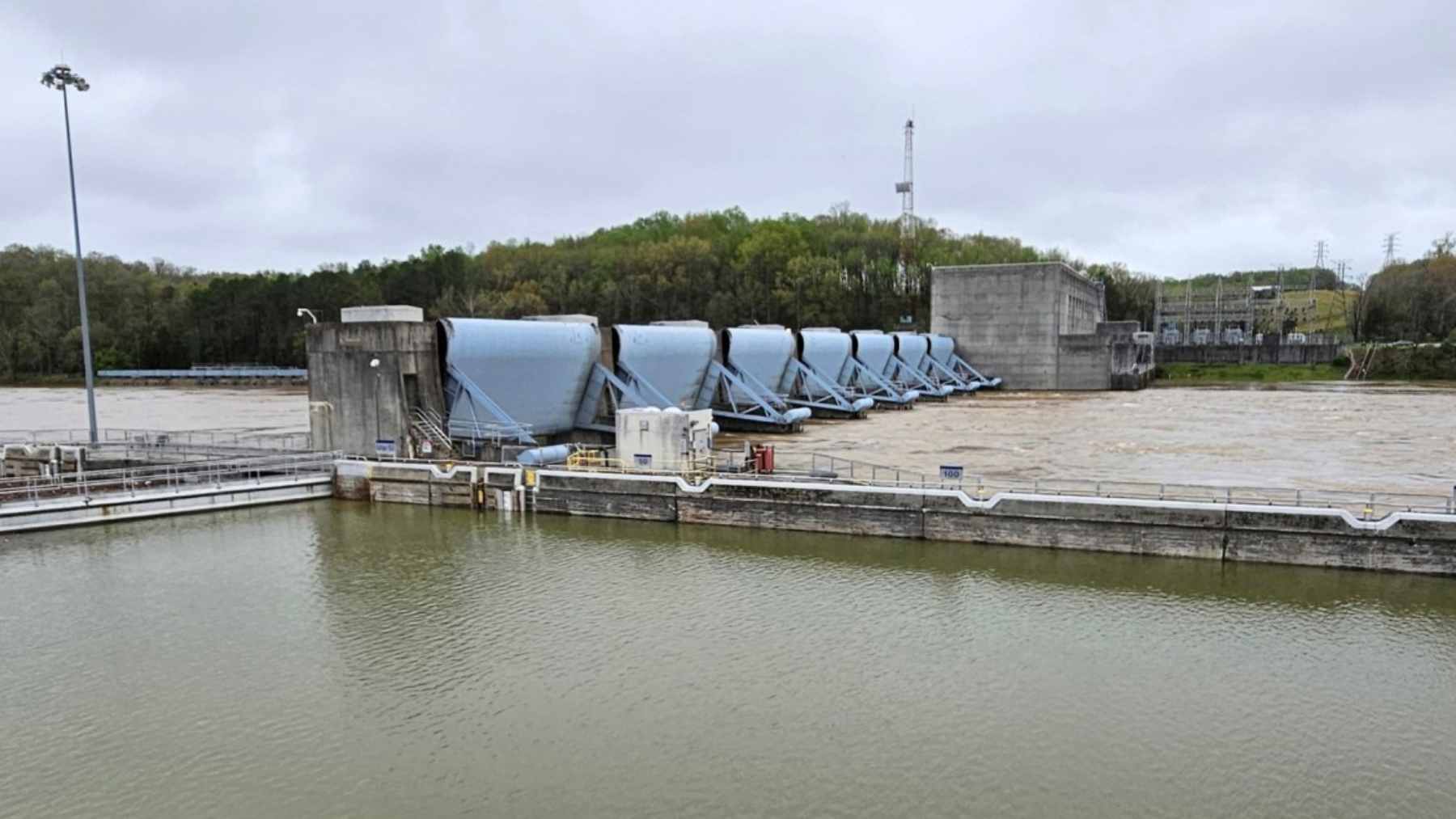
Real world examples like these do not guarantee Cumberland’s outcome, but they show that the pipes, pumps, and controls are not science fiction.
Why defense planners are watching geothermal, too
It is easy to file geothermal under climate policy, but it also shows up in security planning. The U.S. Department of Defense has been expanding geothermal initiatives under the umbrella of mission assurance, which is about keeping installations running when grids or supply chains get stressed.
That push is mostly about power, yet it hints at a broader shift toward local, dependable energy.
Community scale thermal networks share a lesson with military energy resilience. The cleanest energy is often the energy you do not have to truck in. Cutting dependence on delivered fuels can reduce emissions and shrink a logistical vulnerability.
What needs to go right next
The hard part is not the elevator pitch, it is the engineering and the economics. A peer-reviewed study of mine water heating and cooling found the business case depends heavily on system efficiency and how far the heat has to travel to reach buildings.
That is why Cumberland is focusing on specific redevelopment zones rather than trying to connect everything at once.
There are practical risks to manage, including mine methane, mine water chemistry, corrosion, long-term monitoring, plus the human side, because a district energy system only works if enough buildings connect and governance feels fair. Sounds simple on the surface, but it is not.
The official statement was published on UVic News.